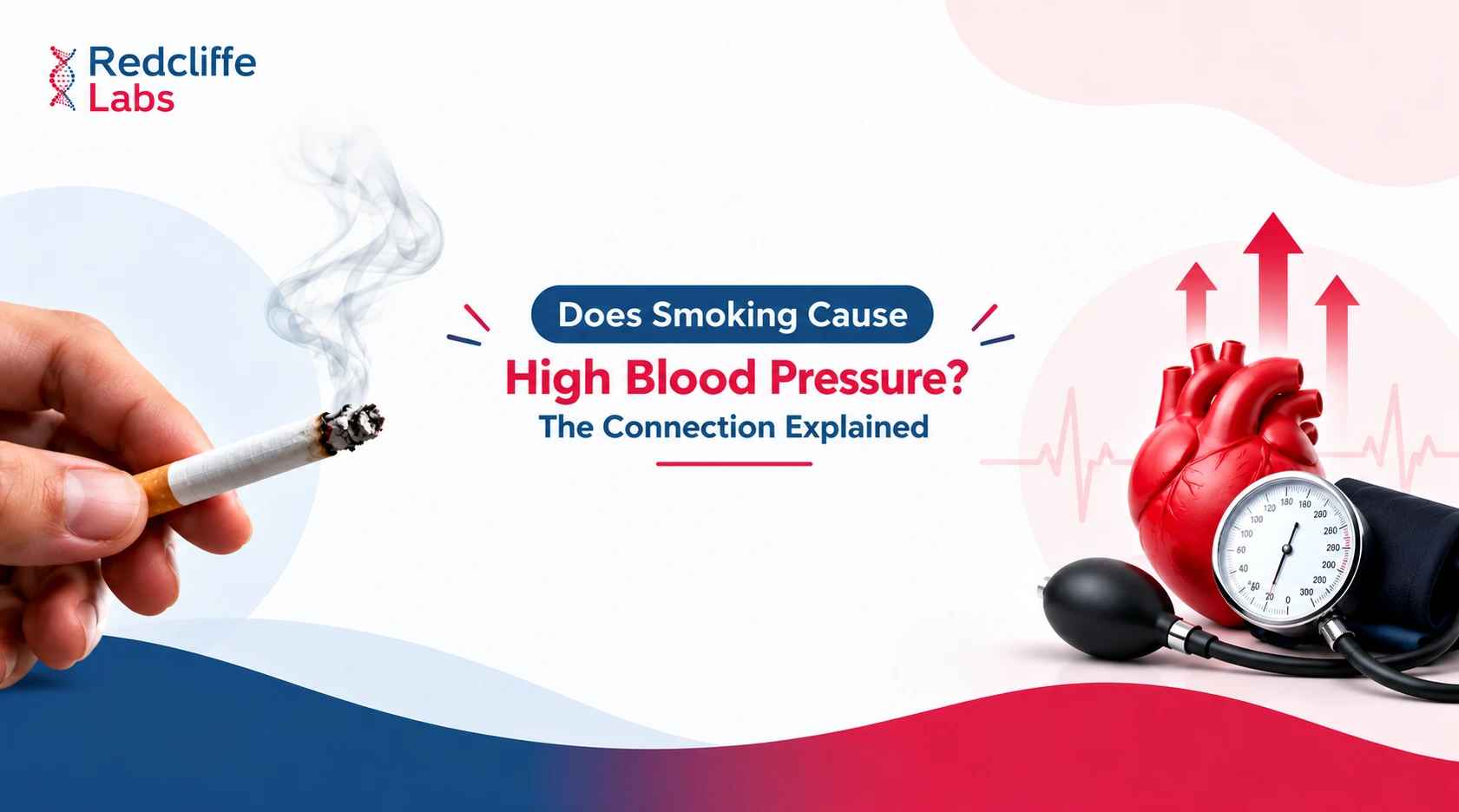
Does Smoking Cause High Blood Pressure? The Connection Explained

Overview
- Smoking can temporarily raise blood pressure and heart rate, putting additional strain on the heart.
- Nicotine narrows blood vessels, while chemicals in tobacco smoke can damage arteries and affect cardiovascular health.
- Repeated smoking increases the risk of heart disease, stroke and other cardiovascular problems.
- Even occasional smoking and secondhand smoke exposure can harm heart health.
- High blood pressure often has no noticeable symptoms, making regular blood pressure checks important.
- Quitting smoking, monitoring blood pressure and getting appropriate health assessments can help reduce future health risks.
Smoking affects more than your lungs. Nicotine stimulates your nervous system, increases your heart rate and can temporarily raise your blood pressure. Over time, tobacco smoke damages blood vessels and increases the risk of heart disease and stroke.
So, does smoking cause high blood pressure? Smoking can temporarily raise blood pressure and, over time, damage blood vessels, increasing cardiovascular risk. Understanding the difference between temporary blood pressure changes and chronic hypertension can help you interpret your readings and protect your heart.
How Does Smoking Affect Blood Pressure?
Blood pressure is the force of blood pushing against your artery walls. It is measured using two numbers: systolic pressure, recorded when your heart beats, and diastolic pressure, recorded when your heart relaxes between beats.
Smoking affects blood pressure through several mechanisms:
- Nicotine stimulates the nervous system: It triggers the release of adrenaline and other stress hormones, increasing heart rate and blood pressure.
- Blood vessels narrow: Nicotine temporarily constricts blood vessels, increasing resistance to blood flow.
- Oxygen delivery is affected: Carbon monoxide in cigarette smoke reduces the blood's ability to carry oxygen, placing additional strain on the heart.
These effects can begin soon after smoking. Repeated exposure to tobacco smoke can also damage blood vessels and increase cardiovascular risk.
Does Blood Pressure Go Up After Smoking a Cigarette?
If you are wondering, does smoking cause high blood pressure every time you smoke, the answer depends on how your body responds. Smoking can temporarily raise blood pressure and heart rate because nicotine activates the body's fight-or-flight response.
A temporary rise does not automatically mean that someone has chronic hypertension, but repeated exposure to tobacco smoke can increase cardiovascular risk.
A normal blood pressure reading does not make smoking safe. Blood pressure fluctuates throughout the day, and a single measurement cannot capture every temporary increase or reveal the full extent of blood vessel damage.
For a more reliable blood pressure reading, avoid smoking, vaping, caffeine and exercise for at least 30 minutes beforehand. Empty your bladder and sit quietly for five minutes, with your back supported and feet flat on the floor. Keep your arm supported at heart level. Take two readings about one minute apart and record the results, following your healthcare professional’s advice.
Can Smoking Cause Hypertension Over Time?
So, does smoking cause high blood pressure in the long term? Smoking can contribute to cardiovascular damage and is associated with an increased risk of hypertension. However, it does not necessarily cause persistently high blood pressure in every smoker. Its effects on blood vessels can increase cardiovascular risk even when blood pressure readings are normal.
- Artery damage: Chemicals in tobacco smoke injure the inner lining of blood vessels, affecting their normal function.
- Atherosclerosis: Smoking promotes plaque buildup inside arteries, which can narrow them and restrict blood flow.
- Inflammation and clot formation: Smoking contributes to inflammation and makes blood more prone to clotting, increasing the risk of heart attack and stroke.
- Greater cardiovascular risk: Smoking damages the cardiovascular system even in people whose blood pressure readings are not consistently high.
Other factors, including age, family history, excess salt intake, physical inactivity, kidney disease and diabetes, can also contribute to hypertension. When smoking and high blood pressure occur together, cardiovascular risks increase, making smoking cessation and appropriate blood pressure management especially important.
When smoking and high blood pressure occur together, the risk of serious cardiovascular complications increases, making smoking cessation and appropriate blood pressure management especially important.
Can Occasional Smoking Cause High Blood Pressure?
Even occasional smoking can temporarily increase blood pressure and heart rate. Smoking fewer cigarettes may reduce exposure compared with heavier smoking, but it does not eliminate cardiovascular risk.
There is no established safe level of tobacco smoke exposure. Even if you smoke only occasionally, you remain exposed to harmful chemicals that can affect your blood vessels and heart.
Secondhand smoke also exposes non-smokers to harmful chemicals and increases their risk of heart disease. Keeping homes and indoor spaces smoke-free helps protect everyone, including children and people with existing health conditions.
What About Vaping and Other Nicotine Products?
Cigarettes are not the only source of nicotine exposure. Other products also deserve attention.
- Vaping: E-cigarettes containing nicotine can temporarily increase heart rate and blood pressure. Their long-term cardiovascular effects are still being studied, and they should not be considered risk-free.
- Smokeless tobacco: Products such as chewing tobacco can deliver nicotine and cause immediate cardiovascular effects, in addition to other serious health risks.
- Nicotine replacement products: Nicotine patches, gum and lozenges can affect heart rate or blood pressure, but they are used as treatments to help people quit smoking. Discuss their suitability with a healthcare professional.
Avoiding tobacco and getting appropriate support to stop nicotine use are important steps towards better cardiovascular health.
What Are the Warning Signs of High Blood Pressure?
High blood pressure often has no noticeable symptoms. Seek emergency medical care if you experience any of the following:
- Chest pain
- Severe shortness of breath
- Sudden weakness
- Difficulty speaking or sudden changes in vision.
These symptoms may indicate a serious medical emergency and should not be dismissed as ordinary effects of smoking.
Understanding your blood pressure readings
The following readings provide a general reference for adults. Blood pressure categories and diagnostic criteria can vary by guideline, and hypertension should be confirmed through appropriate repeat measurements and clinical assessment.
|
Blood pressure reading |
General interpretation |
|
Systolic below 120 and diastolic below 80 mm Hg |
Generally normal |
|
Systolic 120–139 and/or diastolic 80–89 mm Hg |
Above the ideal range |
|
Systolic 140 or higher and/or diastolic 90 or higher |
High blood pressure range; medical assessment recommended |
A single high reading does not confirm hypertension. If your reading is above 180 systolic and/or 120diastolic, repeat it after a short pause. If it remains that high, seek urgent medical advice. If you also have chest pain, shortness of breath, weakness, difficulty speaking or changes in vision, seek emergency medical care immediately.
How Can You Protect Your Blood Pressure and Heart Health?
Quitting smoking is one of the most important steps you can take to protect your cardiovascular health. Combining it with other healthy habits can further reduce your risk.
- Make a plan to quit smoking. Set a quit date and seek support from a healthcare professional or tobacco cessation service. Counselling and appropriate medication can help manage nicotine dependence.
- Monitor your blood pressure. If recommended, use a validated upper-arm monitor, record your readings, and discuss repeated high results with your doctor.
- Eat a balanced diet. Include vegetables, fruits, pulses and whole grains. Limit excess salt and highly processed foods.
- Stay physically active. Build regular movement into your routine, and increase activity gradually based on your health.
- Manage stress and sleep. Maintain a consistent sleep schedule and adopt practical stress-management habits.
- Follow prescribed treatment. If you have hypertension, take medication as directed. Do not stop or change your treatment without medical advice.
In India, you can also contact the Government’s National Tobacco Quitline at 1800-112-356 for tobacco cessation counselling.
Can quitting smoking lower blood pressure?
Stopping smoking removes the repeated exposure to nicotine and other harmful chemicals in tobacco smoke. Your heart rate and blood pressure may improve after quitting, though the extent of change varies. Some cardiovascular risks take longer to decline, and people with hypertension may still need medication and ongoing monitoring.
Can Health Tests Help Assess the Effects of Smoking?
Blood tests can assess selected health markers, but they do not measure blood pressure or establish the extent of smoking-related damage. Depending on your medical history and symptoms, a healthcare professional may recommend:
- Complete blood count (CBC): Measures different blood cells, including red blood cells, white blood cells and platelets.
- HbA1c: Estimates average blood glucose levels over approximately three months and helps assess diabetes risk or management.
- Other selected blood tests: May help evaluate particular health concerns when clinically appropriate.
These tests cannot independently determine the full extent of smoking-related damage or diagnose every smoking-related condition. They also cannot replace blood pressure measurement, lung function testing or other investigations when indicated.
Book the Smoking Impact Assessment Profile with Redcliffe Labs
If you smoke regularly or occasionally, understanding selected health markers can be one part of taking a more informed approach to your health.
Redcliffe Labs' Smoking Impact Assessment Profile is a blood test designed to assess selected health parameters. It can complement a healthcare professional’s assessment of your overall health, depending on your individual needs.
With every test, Redcliffe Labs offers 4X Value Benefits:
- Smart Reports: Easy-to-read health summaries, health scores and health trends that help you understand your results.
- Expert-Led Report Consultation: Support to understand your reports and discuss appropriate next steps.
- AI Health Assistant: Assistance with general health-related questions.
- Goal-Based Personalised Improvement Plans: Dietary and lifestyle guidance aligned with your health goals.
Explore the profile and book your test.
Remember, a blood test does not measure blood pressure or diagnose hypertension. If you smoke, monitor your blood pressure and consult a healthcare professional about the assessments appropriate for you.
Final Thoughts
Smoking can raise blood pressure temporarily and damage blood vessels over time, increasing the risk of heart attack, stroke and other cardiovascular problems. High blood pressure often develops without noticeable symptoms, so regular monitoring is important.
Quitting smoking, following healthy habits and seeking appropriate medical advice can help protect your heart. If you want to understand selected health markers, explore the Smoking Impact Assessment Profile from Redcliffe Labs as part of a broader approach to your health
Frequently Asked Questions
Can smoking affect blood pressure even if you have no symptoms?
Yes. Smoking can temporarily increase blood pressure and heart rate, even when you feel normal. Over time, it can damage blood vessels and increase cardiovascular risk. Since high blood pressure often has no noticeable symptoms, regular blood pressure checks are important, especially for people who smoke.
Does smoking affect blood pressure readings at the doctor’s clinic?
Yes. Smoking shortly before a blood pressure check can temporarily raise your reading. Avoid smoking for at least 30 minutes before the measurement. Sit quietly for five minutes, keep your back supported and feet flat on the floor, and rest your arm at heart level for a more accurate reading.
Can secondhand smoke increase the risk of high blood pressure?
Secondhand smoke exposes non-smokers to harmful chemicals that can affect blood vessels and increase cardiovascular risk. The relationship between secondhand smoke and long-term high blood pressure is complex, but exposure is not harmless. Avoiding smoky environments can help protect your heart and blood vessels and reduce tobacco-related health risks.
Can smoking cause high blood pressure in young adults?
Yes. Smoking can temporarily increase blood pressure and heart rate in young adults. Continued exposure can damage blood vessels and increase cardiovascular risk over time. However, smoking does not necessarily cause persistent hypertension in every smoker. Other factors, including family history, diet, stress and physical activity, can also influence blood pressure
If my blood pressure is normal, do I still need to worry about smoking?
Yes. Normal blood pressure does not mean smoking is harmless. Tobacco smoke can damage blood vessels, increase heart rate and raise the risk of heart disease and stroke. These risks can affect people with normal blood pressure too. Quitting smoking is an important step towards protecting long-term cardiovascular health.