
Book CBC Test: Price, Normal Range, Procedure & Process
This test measures your blood cells, haemoglobin and platelets to assess overall health and help detect anaemia, infections and other blood-related disorders.




Blood


Unlock special
discount on
this package
Login to Unlock 🔓
26 Test Parameters

Complete Blood Count (CBC)
26 PARAMETERS INCLUDED
26 PARAMETERS INCLUDED
- Absolute Basophils Count, Blood
- Absolute Eosinophil Count, Blood
- Absolute Lymphocyte Count, Blood
- Absolute Monocyte Count, Blood
- Absolute Neutrophil Count, Blood
- Basophils
- Eosinophils
- Hemoglobin Hb
- Lymphocytes
- MCH
- MCHC
- MCV
- MENTZER INDEX9MCV/RCC
- Monocytes
- MPV Mean Platelet Volume
- Neutrophils
- PCT
- PCV Haematocrit
- PDW Platelet Distribution Width
- Platelet Count Thrombocyte count
- P - LCC
- P - LCR
- RBC Count
- RDW-CV
- RDW (Red Cell Distribution Width)
- WBC-Total Counts Leucocytes
Helps you know your test better
Who all are eligible for CBC test ?
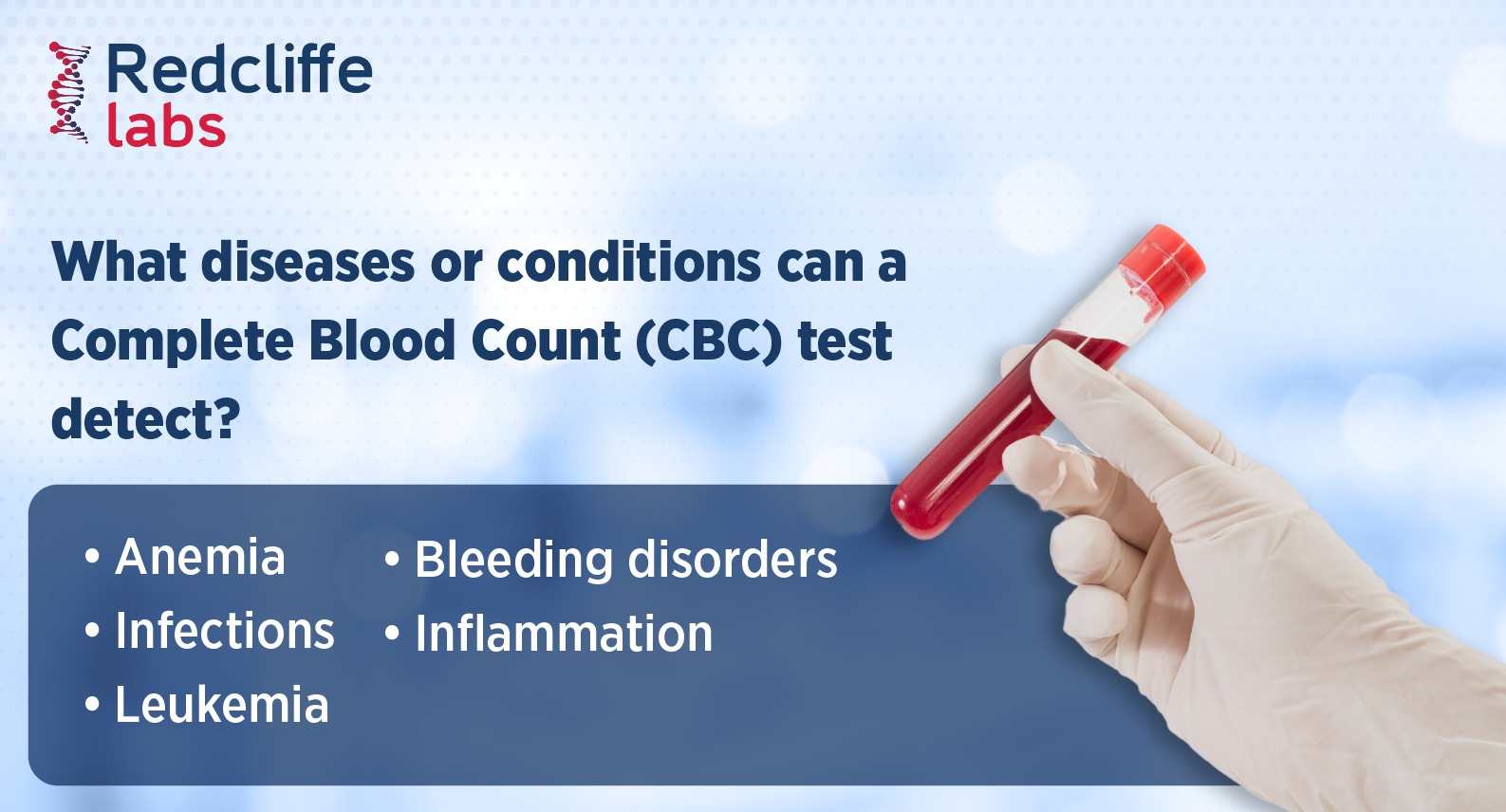
- A complete blood count (CBC) is a blood test used to diagnose your general health and diagnose a variety of conditions, including anemia and leukemia. A complete blood count measures many aspects and characteristics of your blood, including red blood cells, which carry oxygen.
- If you are sick and/or have signs and symptoms that may be related to a disease affecting your blood cells, a complete blood count may be requested. It can be prescribed if you are tired or weak, bruise or bleed easily, or if you have signs and symptoms of infection or inflammation.
Why take CBC test?
- To help diagnose a health problem: If you are ill, your doctor may recommend CBC to help diagnose a serious health problem or condition or possible cause of the disease, and high or low blood cell counts.
What are the benefits of CBC test?
- CBC helps your doctor control symptoms such as weakness, tiredness, or bruising.
- The CBC can assess your general health and diagnose a wide variety of diseases and conditions such as infection, all types of anemia, and leukemia (blood-related disorders).
Table of Content
Introduction To Complete Blood Count Test (CBC) Test
Suggested as part of a routine health checkup, Complete Blood Count Test significantly assesses the well-being of an individual, especially the one experiencing symptoms like Weakness, Fatigue, or Fever. Besides measuring the cells in the blood, CBC Test also analyzes the size and types of cells and detects if there is an infection. Moreover, your doctor uses this examination to evaluate the progress of any of your ongoing medical treatments. Test for Complete Blood Count help determines varied health conditions, like anemia, infection, and leukemia. Redcliffe Labs is the diagnostic centre you can consider for Complete Blood Count Test.
Being a part of your overall medical examination, a CBC Lab Test checks the general well-being of an individual and looks for health conditions. It confirms why you are showing specific symptoms, checks where your health stands, and monitors whether the treatment is working fine for your health or not. It reveals unusual ups and downs in cell counts, pointing to certain medical conditions that need to be detected early. It is vital to avoid complications and take the correct course of action in time.
We have a state-of-the-art laboratory and a team of researchers and other professionals to ensure safe sample precision and generate reports as per the NABL & ISO guidelines. Moreover, we make reports accessible within a minimum time frame so that appropriate decisions for the treatment can be made in time. CBC Test Price with us is affordable so everyone can get its benefits.
CBC Test Details:
| Also Known As | CBC Test, Blood Count Test, RBC Indices, CBP Test, Complete Blood Picture |
| Purpose | The CBC test assesses blood components to diagnose conditions like anemia, infections, and bleeding disorders, and to monitor overall health. |
| Preparation | No Preparation Required |
| Fasting | No Fasting Required |
| Get Reports Within | Same Day |
| Cost | INR 299 |
Symptoms That Indicate You Need a CBC Test
You should take a CBC (Complete Blood Count) test when your body shows signs of an underlying health issue. Doctors often recommend this test to check for infections, anemia, or other blood-related conditions.
- Constant Fatigue or Weakness: If you feel tired even after adequate rest, it might indicate low hemoglobin levels (anemia).
- Frequent Infections: If you fall sick often or take longer to recover, it may mean you have low or high white blood cell counts, which can affect your immune system.
- Fever Without Clear Cause: If you have a persistent or recurring fever. A CBC test helps detect infections or inflammation in the body.
- Shortness of Breath: You feel breathless during normal activities. Low red blood cell count or low hemoglobin may cause this symptom.
- Unusual Bleeding or Bruising: If you notice frequent nosebleeds, bleeding gums, or easy bruising, get the CBC test done. Low platelet count can affect blood clotting.
- Pale or Yellowish Skin: Your skin looks pale or slightly yellow. This may signal anemia or other blood disorders.
- Dizziness or Headaches: You feel dizzy or get frequent headaches. Reduced oxygen supply to the brain can cause these symptoms.
- Unusual Weight Loss: If you are experiencing weight loss, a CBC test can help you identify infections or serious conditions.
- Swelling or Inflammation: You notice swelling in lymph nodes or body parts. This may indicate infection or an immune response.
CBC Normal Range:
|
Parameters |
Male |
Female |
|
Red blood cell count (RBC Count) |
4.7 - 6.1 million cells per microliter (cells/mcL) |
4.2 - 5.4 million cells/mcL |
|
Hemoglobin (Hb) |
13.2 - 16.6 grams per deciliter |
11.6 -15 grams per deciliter |
|
Hematocrit |
38.3 - 48.6 percent |
35.5 - 44.9 percent |
|
Mean Corpuscular Volume (MCV) |
27.5 - 33.2 picograms (pg) per cell |
MCH may be lower than men's because women lose blood when they have a period. |
|
White blood cell count (WBC Count) |
5,000 - 10,000 per μl of blood |
4,500 - 11,000 per μl |
|
Platelet count |
140,000 - 450,000 platelets per microliter (μl) |
Varies slightly during the menstrual cycle and can fall near the end of pregnancy |
CBC blood test results can be high or low depending on your condition and multiple factors. Your healthcare professional may look into the range and suggest if you may need additional tests. This range will help doctors to take appropriate actions to avoid complications.
How to Read CBC Test Results?
A complete blood count test is not a definitive test, and if there are abnormalities in the test results, it might point to some problems.
RBC, Hemoglobin & Hematocrit: The results of these three components are related to each other as they each measure red blood cells' features.
Low RBC, Hemoglobin & Hematocrit is usually indicative of:
- Anemia
High RBC, Hemoglobin & Hematocrit could be because of:
- Dehydration
- Certain Kidney Diseases
- Smoking
- Heart or Lungs Diseases
- Smoking
- Polycythemia Vera
Low WBC, also called leukopenia, maybe because of:
- Alcohol abuse
- Liver damage
- Autoimmune disease
- Bone marrow failure
- Enlarged spleen
- Certain medicines
- Infections caused by viruses
High WBC, also called leukocytosis, can be because of:
- Tissue damage
- Leukemia
- Infections
- Diseases such as lupus, rheumatoid arthritis
- Emotional or physical stress
Causes of low platelet count:
- Blood disorder
- Some medications or therapy
- Pregnancy
Causes of high platelet count:
- Excessive bleeding
- Iron deficiency
- Bone marrow dysfunction
- Certain types of cancers
Your doctor may check your test results to confirm what it indicates and what can be done to improve the condition.
Being a part of your routine health checkup, CBC Test reveals the usual increase or decrease in cell counts, confirms abnormalities, and points to a condition that may need additional testing or immediate treatment.
Why is a CBC Test Done?

The main purpose of the Complete blood count test is to:
- Check for infections: Abnormal levels of white blood cells can indicate an ongoing infection in the body.
- Diagnose blood disorders: The CBC test can detect various blood disorders, such as anemia, leukemia, and lymphoma.
- Monitor ongoing treatments: For people undergoing treatment for blood disorders or cancer, the CBC test can help monitor the effectiveness of the treatment.
- Evaluate overall health: The CBC test can provide valuable information about a person's overall health status, including the risk of certain diseases such as heart disease and stroke.
CBC Test Procedure (Step-by-Step Process)
- Step 1: The phlebotomist cleans your skin, usually on your arm or hand, where they will insert the needle.
- Step 2: They tie a band around your upper arm to make your vein more visible and easier to access.
- Step 3: They insert a sterile needle and draw a small blood sample. You may feel a slight pinch or mild discomfort.
- Step 4: They collect the blood in a vial and send it to the lab for testing and analysis.
- Step 5: They remove the needle, release the band, and place a bandage on the area to stop any bleeding.

Preparations Required For The CBC Test:
Follow these simple steps before your CBC test to get accurate results:
- Fasting Requirements: You do not need to fast for a CBC test. You can eat and drink normally. However, if your doctor orders other tests along with CBC, they may ask you to fast. Always confirm with your doctor.
- Medication Guidelines: Inform your doctor about any medicines, supplements, or special diet you follow. Some medications may affect your results, so your doctor may guide you accordingly.
- Other Important Points: Tell your healthcare provider if you have a fear of needles, allergies, or any medical condition. This helps them handle the procedure safely and comfortably.
- Follow your doctor's instructions carefully to ensure accurate test results and proper diagnosis.
Complete Blood Count Test Measures The Following:
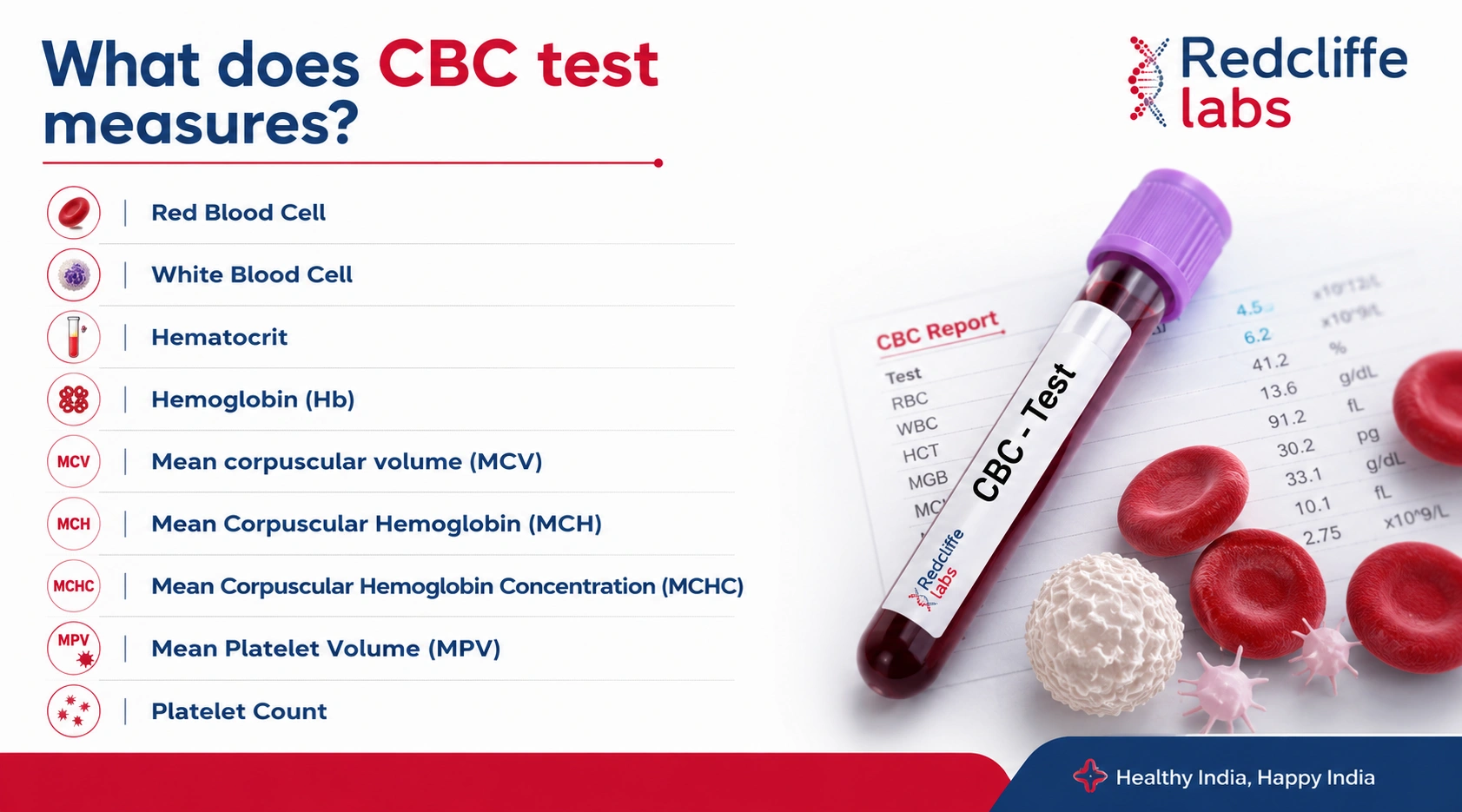
- White Blood Cells (WBC): You can think of WBCs as your immunity cells, as they defend the body against certain infections, viruses, bacteria, and other foreign invaders that are a constant threat to your fitness. It measures how many white blood cells are in your blood. Low WBCs indicate high risks for illnesses and health problems that can develop into something serious if left untreated. A weak immune system, certain infections, cancers of the blood, and some other such issues can affect their levels, and testing them in time help doctors suggest treatment accordingly.
- Red Blood Cells (RBC): Responsible for carrying oxygen throughout the body, Red Blood Cells are crucial for your health. Low RBCs are indicative of conditions like anemia. The test results help confirm the reasons you are experiencing the symptoms, like constant fatigue, breathing difficulty, dizziness, and other symptoms. If left untreated, anemia can cause major problems. And being part of the Complete Blood Count Test aid analyzes the ups & downs in RBC to provide treatment.
- Hematocrit: Being a crucial part of a Full Blood Count Test, Hematocrit Test measures the proportion of RBCs, diagnoses illnesses, and monitors how your body responds to a particular treatment. Low Hematocrit is indicative that your body lacks RBCs & might be making too much of WBCs, caused by certain cancers & bone marrow diseases. On the contrary, if the levels are higher, it again indicates that your body is producing too many RBCs due to lung cancer, heart failure, other medical conditions, or your blood plasma levels.
- Hemoglobin (Hb): Responsible for carrying oxygen and carbon dioxide through blood, the Hemoglobin (Hb) Test measures hemoglobin and blood glucose levels to confirm or rule the conditions like anemia or prediabetes.
- Mean Corpuscular Volume (MCV): Helpful for measuring the size of red blood cells, the Mean Corpuscular Volume (MCV) Test, used as a part of a complete blood count test, identifies the type of anemia. High MCV indicates low vitamin B12 or folate levels. And on the contrary, low MCV indicates anemia.
- Mean Corpuscular Hemoglobin (MCH): Being a part of a CBC Blood Test, the Mean Corpuscular Hemoglobin (MCH) Test diagnose and distinguish types of anemia. On one hand, low levels indicate anemia & thalassemia, & on the contrary, high levels indicate lung or kidney disease.
- Mean Corpuscular Hemoglobin Concentration (MCHC): Besides checking whether Red Blood Cells are functioning normally and carrying the correct amount of hemoglobin, the MCHC test also assesses for anemia and other blood disorders.
- Platelet Count: Besides measuring the number of platelets in the blood, the test checks for platelet functions and platelet disease and monitors the conditions of the patients taking blood thinners. Moreover, it is recommended for patients with a family history of bleeding disorders, especially before performing any surgeries.
What Affects CBC Test Results?
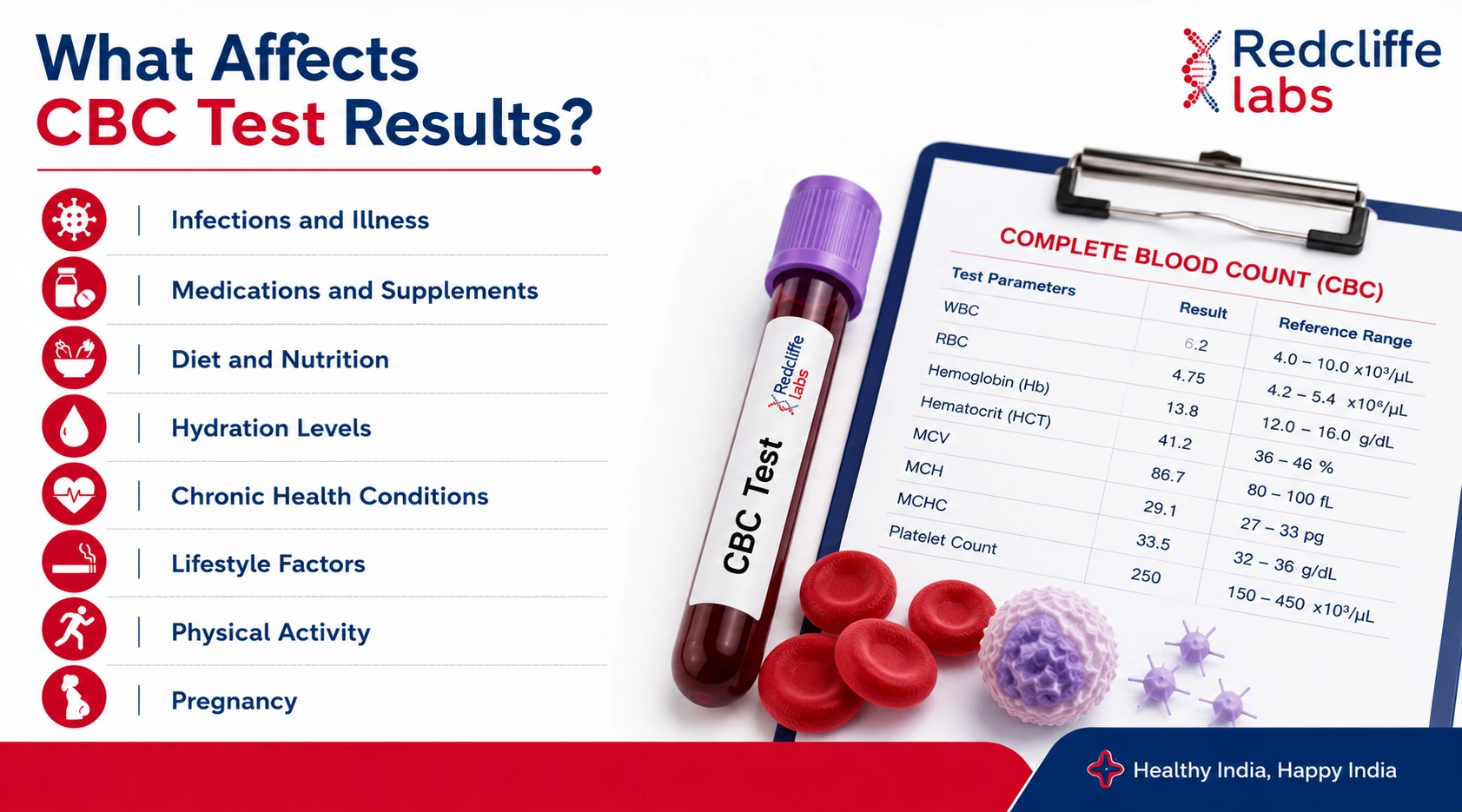
Several factors may influence your CBC test results. Understanding them helps you avoid confusion and get accurate reports.
- Infections and Illness: When your body is fighting certain infections or diseases, this can increase or decrease white blood cells and affect overall results.
- Medications and Supplements: Some medications, such as antibiotics, steroids, or chemotherapy drugs, can affect blood counts. Vitamins and supplements may also affect your results.
- Diet and Nutrition: Low intake of iron, vitamin B12, or folate can lead to anemia and impact red blood cell levels. Poor nutrition directly affects CBC values.
- Hydration Levels: Dehydration can make your blood more concentrated, while overhydration can dilute it. Both conditions can affect your CBC test readings.
- Chronic Health Conditions: Some diseases, such as diabetes, kidney disease, liver disorders, or autoimmune conditions, can affect blood cell counts and influence test results.
- Lifestyle Factors: Smoking, alcohol consumption, lack of sleep, and stress can also impact your blood counts and overall health.
- Physical Activity: Intense exercise before the test can temporarily change blood cell levels, especially white blood cells.
- Pregnancy: Pregnancy can naturally change blood volume and cell counts, which may be reflected in CBC results.
What Diseases Can CBC Test Detect?
Measuring complete blood count, monitoring health, diagnosing blood diseases or infections, and checking for changes in underlying blood disorders in time allows you to sidestep complications. Avoiding periodic Complete Blood Count Tests for longer periods can increase your risks for:
- Abnormal CBC could be a sign of anemia. It is a medical condition in which your body lacks an appropriate amount of red blood cells or hemoglobin. 'sIt caused due to blood loss, decreased or faulty RBC production, bone marrow disorders, iron-deficiency anemia, vitamin-deficiency anemia, and sickle cell anemia. Assessing the condition at an initial stage contributes to the overall quality of life.
- Heart Disease: Abnormal levels of red blood cells, hemoglobin, or hematocrit could indicate a heart disorder. And the early identification of the problem has a significant role in saving a life and minimizing your chances of complications. Your doctor may therefore suggest a CBC Test indicates your risks and is especially suggested to those exhibiting symptoms of heart problems.
- Autoimmune Disorder: If your CBC test results show low WBC, it indicates an autoimmune disorder, which should be detected early to prevent organ damage. Since no cure is available for most autoimmune diseases, early detection is the only way to ease the symptoms and manage the condition.
- Certain Cancer: Some blood cancers can be detected through the CBC test, such as leukemia, Lymphoma, etc. And any delay in the diagnosis can only increase the problem.
CBC Test vs Hemogram: What's the Difference?
CBC (Complete Blood Count) Test
A CBC test measures key components of your blood, including:
- Red blood cells (RBC)
- White blood cells (WBC)
- Hemoglobin
- Platelets
Doctors use a CBC test to assess overall health, detect infections and anemia, and monitor medical conditions.
Hemogram
A hemogram includes all CBC parameters but may also give more detailed information, such as:
- RBC indices (MCV, MCH, MCHC)
- WBC differential count (types of white blood cells)
- Doctors use a hemogram to analyze blood cells more thoroughly and better understand underlying conditions.
A CBC test gives a general overview of your blood health. A hemogram provides a more detailed breakdown of blood components. In practice, labs often use both terms interchangeably.
When Should You Repeat a CBC Test?
You should repeat a CBC test every 6 months and 1 year if you do not have any pre-existing health conditions. However, the frequency of testing depends on your health condition. The timing depends on your condition, symptoms, and treatment plan.
- To Monitor an Existing Condition: Repeat the test if you have anemia, infection, or any blood disorder. Your doctor may recommend the test to track improvement.
- If Symptoms Continue or Worsen: The CBC test helps identify the cause of symptoms such as tiredness, weakness, and dizziness.
- To Confirm Abnormal Results: Repeat the test if your previous report shows abnormal values. Doctors may recheck to confirm accuracy or rule out temporary changes due to infection, stress, or dehydration.
As part of routine health checkups, healthy adults can repeat a CBC test once a year. People with health risks like diabetes, thyroid issues, or heart disease may need more frequent testing.
Risks of Ignoring Abnormal CBC Levels
If you ignore symptoms like weakness and dizziness for a long time, this may lead to serious health problems.
- Untreated Anemia Can Worsen: Low hemoglobin levels can reduce your body's oxygen supply. You may feel constant fatigue, weakness, and breathlessness. Severe anemia can affect your heart and daily functioning.
- Increased Risk of Infections: Abnormal white blood cell levels can weaken your immune system, increasing your risk of infections. You may fall sick often or take longer to recover from infections.
- Risk of Serious Blood Disorders: Very high or very low blood cell counts may indicate underlying conditions such as bone marrow disorders or blood cancers.
- Excessive Bleeding or Clotting Issues: Low platelet levels can cause easy bruising and bleeding. High levels may increase the risk of unwanted blood clots, which can affect vital organs.
- Hidden Chronic Diseases May Progress: Abnormal CBC levels can signal liver disease, kidney issues, or chronic inflammation. Ignoring them allows these conditions to worsen over time.
- Delayed Treatment and Complications: Ignoring abnormal test results can delay medical care and lead to complications. This increases the risk of complications and makes treatment more difficult later.
Your Blood Count Matters! Measure It With Redcliffe Labs!
Understanding the significance of a Complete Blood Count Test is essential to identify the root cause of the symptoms you are currently experiencing and monitor your condition. Therefore, measuring the number should be done early to subside complications. You can book a Complete Blood Count Test with Redcliffe Labs at the most affordable rates to evaluate overall health, diagnose medical conditions, and monitor medical treatment. Being the most trusted & affordable diagnostics platform for Bharat, we are empowering health & impacting lives. So, you can schedule your test with us from the comfort of your home at a reasonable CBC Blood Test Price.
Different Complete Blood Count Tests Offered At Redcliffe Labs
| Tests/Packages Name | Price in INR |
| CBC Test Only | ₹299 |
| Haemogram (CBC+ESR) | ₹449 |
| Vital Screening Package | ₹799 |
| Fever Package- Essential | ₹799 |
| Smart Full Body Checkup | ₹999 |
| D dimer with CBC | ₹1200 |
| Diabetes Profile- Comprehensive | ₹2299 |
| Advance Plus Full Body Checkup | ₹2499 |
| Super Advance Full Body Checkup Male | ₹2199 |