10 Amazing Health Benefits of Kidney Beans You Should Know

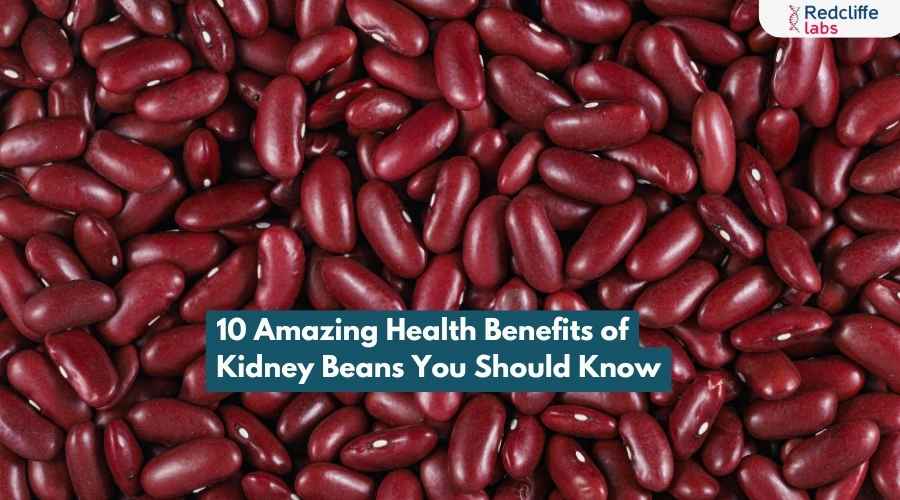
Could one simple bean help lower your cholesterol, keep your blood sugar steady, and even support weight loss?
You might be surprised, but kidney beans can do all that and even more. People have enjoyed kidney beans for centuries in many parts of the world. Before the term "superfoods" became popular, these beans were already giving us key nutrients to keep our bodies healthy.
Many people see kidney beans as just another ingredient in curry, chili, or salads. However, they have several health benefits that are often overlooked. In this blog, we'll look at 10 great health benefits of kidney beans in clear, simple terms. By the end, you'll understand why this affordable food deserves a spot in your regular meals. First, let's learn a bit more about kidney beans.
Also Read: 20 High-Protein Vegetables to Boost Muscle Mass and Stamina
What Are Kidney Beans?
Kidney beans are a type of edible legume scientifically known as Phaseolus vulgaris. They are named after their kidney-like shape and dark red color. Originally grown in Central and South America, kidney beans are now eaten worldwide. In India, they are popularly known as rajma and are used in many delicious dishes.
Kidney beans are full of important nutrients. They provide plant-based protein, fiber, iron, folate, potassium, magnesium, phosphorus, and antioxidants. They are also low in fat and cholesterol-free, making them a healthy choice for a balanced diet.
But you should never eat kidney beans raw or undercooked. They have a natural toxin called phytohaemagglutinin that can cause stomach issues like nausea, vomiting, and diarrhea. Soak them overnight, then cook them thoroughly to remove this toxin and make the beans safe to eat.
Nutritional Value of Kidney Beans
A 100-gram serving of cooked kidney beans provides approximately:
| Nutrient | Amount |
| Calories | 127 kcal |
| Protein | 8.7 g |
| Carbohydrates | 22.8 g |
| Dietary Fiber | 6.4 g |
| Fat | 0.5 g |
| Iron | 2.9 mg |
| Folate | 130 mcg |
| Potassium | 405 mg |
| Magnesium | 45 mg |
| Phosphorus | 142 mg |
10 Amazing Health Benefits of Kidney Beans You Should Know
Before we look at the benefits, keep in mind that one cup of cooked kidney beans is packed with protein, fiber, iron, magnesium, potassium, and folate, but low in fat and calories. That's why they're a valuable food in many cultures. Now, let's see how these nutrients help your body.
1. Packed with Plant-Based Protein
Kidney beans are a great source of plant-based protein. One cooked cup provides about 15 grams of protein, which helps build and repair muscles, supports your immune system, and keeps you full for longer. They are a healthy choice for vegetarians, vegans, and anyone looking to eat less meat while getting enough protein.
2. Supports Heart Health
Kidney beans are good for your heart because they contain fiber, potassium, and magnesium. Fiber helps lower LDL (bad) cholesterol, while potassium and magnesium help maintain healthy blood pressure. Eating kidney beans regularly as part of a balanced diet may reduce the risk of heart disease and support overall heart health.
3. Helps Manage Blood Sugar Levels
Kidney beans have a low glycemic index, which means they release sugar into the blood slowly. This helps prevent sudden spikes in blood sugar levels. They are a healthy food choice for people with diabetes or prediabetes, as well as for anyone who wants to keep their blood sugar stable throughout the day.
4. Rich in Fiber for Digestive Health
Kidney beans are rich in dietary fiber, with about 13 grams in one cooked cup. Fiber helps improve digestion, prevents constipation, and supports regular bowel movements. It also feeds the good bacteria in your gut, which helps keep your digestive system healthy and may strengthen your immune system.
5. Aids in Weight Management
The protein and fiber in kidney beans help you feel full for longer. This can reduce hunger and prevent unnecessary snacking between meals. Since they are filling but not very high in calories, kidney beans can be a smart addition to a balanced diet for healthy weight management.
6. Boosts Energy Levels Naturally
Kidney beans are a good source of iron, an important mineral that helps your body make healthy red blood cells. These cells carry oxygen throughout your body, giving you energy. Eating enough iron-rich foods, such as kidney beans, may help reduce fatigue and keep you active during the day.
7. Supports Strong Bones
Kidney beans contain important minerals like calcium, magnesium, and phosphorus that help build and maintain strong bones. These nutrients support bone strength and reduce the risk of weak bones over time. They are especially useful for people who follow vegetarian or plant-based diets.
8. Fights Inflammation with Antioxidants
Kidney beans are rich in antioxidants that help protect your body from harmful free radicals. These antioxidants may reduce inflammation and lower oxidative stress. Regularly eating antioxidant-rich foods like kidney beans may support overall health and reduce the risk of certain long-term health conditions.
9. May Help Lower Cancer Risk
The fiber and antioxidants in kidney beans may help lower the risk of certain cancers, especially colorectal cancer. Fiber supports a healthy digestive system by removing waste from the body, while antioxidants protect cells from damage. More research is needed, but including kidney beans in your diet may offer protective benefits.
10. Promotes Healthier Skin and Hair
Kidney beans provide nutrients like zinc, vitamin C, and antioxidants that support healthy skin and hair. These nutrients help repair skin, support collagen production, and protect cells from damage. Eating kidney beans regularly as part of a balanced diet may help keep your skin glowing and your hair strong.
Also Read: Top Health Benefits of Cluster Beans You Need to Know!
Creative and Delicious Ways to Add Kidney Beans to Your Diet
Eating healthy doesn't have to be hard. Kidney beans have a mild, creamy taste and a firm texture that soak up spices well, so that you can use them in many different dishes.
- Classic Hearty Chili: Kidney beans are great for making a warm, filling chili. Cook them with tomatoes, onions, garlic, cumin, and chili powder. You can add vegetables or lean meat if you want. This tasty dish is high in protein and fiber, so it's a healthy option for lunch or dinner.
- Vibrant Mediterranean Salads: Add cooked kidney beans to a salad with cucumbers, tomatoes, onions, parsley, olive oil, and lemon juice. The beans make the salad more filling and nutritious. This quick, refreshing dish is rich in vitamins, minerals, and fiber, making it a great choice for a light meal.
- Creamy Kidney Bean Hummus: Blend cooked kidney beans with tahini, garlic, olive oil, lemon juice, and a bit of salt to make a healthy dip. Enjoy it with veggie sticks, crackers, or whole-grain bread. This is a tasty way to add more protein and fiber to your snacks.
- Nutrient-Dense Grain Bowls: Make a healthy grain bowl with brown rice or quinoa as the base. Add roasted vegetables, cooked kidney beans, and your favorite dressing. This balanced meal gives you protein, fiber, vitamins, and minerals to help you stay full and energized.
Final Thoughts
Kidney beans are a simple, affordable, and nutrient-rich food that can support your overall health in many ways. They provide protein, fiber, vitamins, and minerals that help improve heart health, support digestion, manage blood sugar levels, strengthen bones, and keep you feeling full for longer. Adding kidney beans to your meals a few times each week is an easy step toward a healthier diet.
Along with eating nutritious foods, regular health checkups can help you monitor your well-being and detect potential health concerns early. With Redcliffe Labs, you can conveniently book health tests from the comfort of your home. Selected health packages also include a free doctor consultation and a free diet consultation, helping you better understand your health and make informed lifestyle choices.
FAQs
-
What are the health benefits of kidney beans?
Kidney beans are packed with protein, fiber, vitamins, minerals, and antioxidants. They support heart health, improve digestion, help manage blood sugar levels, promote a healthy weight, and provide long-lasting energy. They are also a good source of iron and folate, making them a nutritious addition to a balanced diet.
-
Is it healthy to eat kidney beans every day?
Yes, eating cooked kidney beans daily can be healthy when consumed in moderate portions as part of a balanced diet. They provide protein, fiber, and essential nutrients that support overall health. However, variety is important, so include other legumes, whole grains, fruits, and vegetables for complete nutrition.
-
Are kidney beans good for weight loss?
Yes, kidney beans can support weight loss because they are high in protein and dietary fiber. These nutrients help you feel full for longer, reduce unnecessary snacking, and support healthy calorie intake. When combined with regular exercise and a balanced diet, kidney beans can be a helpful part of a weight management plan.
-
Do kidney beans help control blood sugar?
Yes, kidney beans may help maintain healthy blood sugar levels. They have a low glycemic index and contain fiber and complex carbohydrates that digest slowly. This helps reduce sudden spikes in blood sugar after meals, making them a smart choice for a balanced diet.
-
Are kidney beans good for heart health?
Yes, kidney beans are considered heart-friendly. They contain soluble fiber, potassium, magnesium, and antioxidants that support healthy cholesterol levels, blood pressure, and overall cardiovascular health. Regularly including kidney beans in a balanced diet may help lower the risk of heart-related health problems over time.
-
Are kidney beans high in protein?
Yes, kidney beans are a good source of plant-based protein. A 100-gram serving of cooked kidney beans provides around 8–9 grams of protein. They are especially beneficial for vegetarians and vegans. Pairing them with whole grains, such as rice, can provide a more complete protein profile.
-
Do kidney beans improve digestion?
Yes, kidney beans are rich in dietary fiber, which supports healthy digestion. Fiber helps promote regular bowel movements, prevents constipation, and nourishes beneficial gut bacteria. Eating enough fiber along with plenty of water can help maintain a healthy digestive system and improve overall gut health.
-
Are kidney beans good for people with diabetes?
Yes, kidney beans can be a healthy choice for people with diabetes when eaten in appropriate portions. Their high fiber content and low glycemic index help slow glucose absorption, supporting better blood sugar management. However, they should be included as part of a balanced meal plan recommended by a healthcare professional.