BRAT Diet: Benefits, Foods List & When to Follow It

Is your stomach upset? Diarrhea, nausea, vomiting, or a stomach bug can quickly drain your energy and appetite. People search for light foods that are gentle on the stomach and easy to tolerate during these moments. That is where the BRAT diet often comes from.
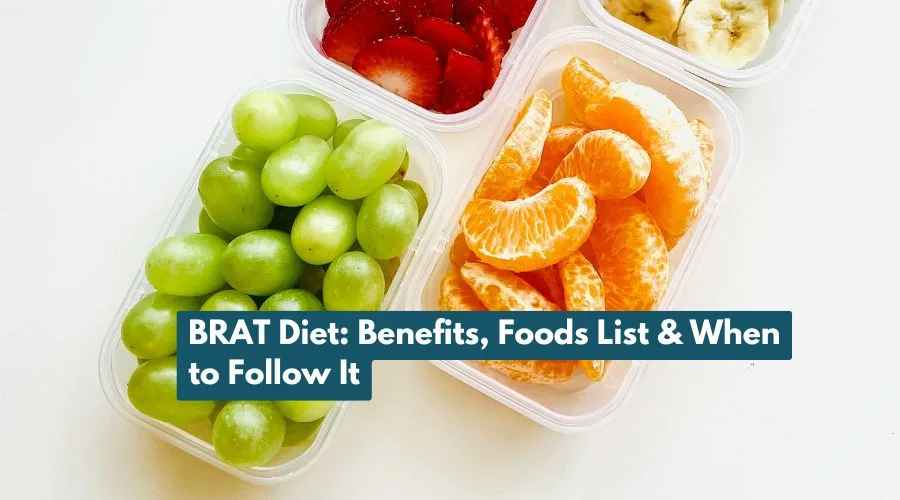
BRAT is an acronym that stands for bananas, rice, applesauce, and toast. Pediatricians would recommend a BRAT diet to treat stomach problems in children. It focuses on simple, bland foods that may feel easier on the stomach when regular meals seem too heavy.
Most people are still confused about the BRAT diet. Does it really work? How long should you follow it? Is it safe for children? The short answer is the BRAT diet may help some people feel better temporarily, but it should not replace hydration, rest, or medical care when symptoms are severe.
In this blog, let's understand BRAT diet benefits, a list of foods, when to follow it, when to avoid it, and when testing may be necessary if digestive symptoms persist.
What Is the BRAT Diet?
The BRAT diet is a simple eating plan often used when someone has an upset stomach. The word BRAT stands for:
B – Bananas
R – Rice
A – Applesauce
T – Toast
These foods are soft, plain, and gentle on the stomach. They usually have less fat, a mild taste, and are easy to digest. Many people choose them when regular meals feel too heavy or uncomfortable.
These foods are:
- Bland in taste
- Low in fat
- Easy to digest
- Mild on the stomach
- Simple to prepare
People often follow the BRAT diet for a short time during:
- Mild diarrhea
- Nausea
- Recovery after vomiting
- Viral stomach infection
- Low appetite
The main purpose of the BRAT diet is to give the digestive system a short break. These foods may feel easier to eat while the stomach settles and appetite slowly returns. However, it should only be used for a short period, not as a long-term diet.
BRAT Diet Benefits
The BRAT diet isn't a treatment or cure, but it can make you feel more comfortable when your stomach is upset.
- May help with loose motions: Foods like bananas, rice, and toast are rich in starch. These can help make stools a bit firmer, which may reduce the frequency of diarrhea.
- Easy on your stomach: BRAT foods are plain, low in fat, and not spicy. When you're dealing with nausea or an upset stomach, these foods usually feel lighter and easier to tolerate.
- Gives you quick energy: When you're sick, you often feel weak. Foods like rice, toast, and bananas contain carbohydrates, which your body can quickly use for energy.
- Helps you start eating again: After vomiting or loss of appetite, jumping straight to regular meals can feel difficult. Bland foods like these act as a safe starting point before you slowly return to your normal diet.
- Helps replace lost potassium: If you've had diarrhea or vomiting, your body may lose important minerals, including potassium. Bananas provide potassium, which helps maintain fluid balance and supports muscle and nerve function.
Foods Included in the BRAT Diet
The BRAT diet includes four simple foods that are gentle on the stomach and easy to digest.
Banana: Ripe bananas are soft, mild in taste, and easy to eat. They may help provide quick energy and potassium, which the body can lose during diarrhea or vomiting.
- Rice: Plain white rice is one of the most common foods in the BRAT diet. It is low in fiber, easy to digest, and may help when the stomach feels sensitive.
- Applesauce: Unsweetened applesauce is soft and easier to tolerate than raw apples. It can be a better option when chewing or digesting fresh fruit feels difficult.
- Toast: Plain toast is light, simple, and easy on the stomach. It is best to eat toast without butter, cheese, or heavy toppings during recovery.
Foods to Avoid While Following the BRAT Diet
Fried, spicy, and oily foods: These are heavy and harder to digest. They can irritate your stomach lining and may increase nausea, cramps, or loose motions.
- Heavy gravies and rich dishes: Creamy or masala-heavy foods put extra pressure on your digestive system when it's trying to recover.
- Sugary drinks and sodas: Too much sugar can pull more water into your intestines, worsening diarrhea. Fizzy drinks can also cause bloating.
- Alcohol and too much caffeine: Both can irritate your stomach and lead to dehydration, which is the last thing your body needs right now.
- Raw vegetables: Even though they're healthy, raw veggies are high in fiber and can be tough to digest when your stomach is sensitive.
- Rich desserts and heavy meat dishes: These are usually high in fat and take longer to digest, which may increase discomfort.
- Dairy products: After diarrhea, some people temporarily develop lactose intolerance. This means milk and milk products might cause bloating, gas, or loose stools.
So, it's better to avoid dairy for a short time and reintroduce it slowly once your digestion feels normal again.
When to Follow the BRAT Diet
During Mild Diarrhea: If you have mild short-term diarrhea and can drink fluids, BRAT foods may feel easier to tolerate.
- After Vomiting Stops: Once vomiting has settled, start with small sips of fluid. Then try bland foods in small portions.
- During Viral Stomach Upset: Many people with mild stomach viruses prefer bland foods for a day or two.
- Temporary Digestive Rest: The BRAT diet works best as a temporary bridge, not a long-term plan.
7-Day BRAT Diet Plan
When NOT to Follow the BRAT Diet
The BRAT diet can help with mild stomach issues, but it's not always enough. Sometimes, your body needs proper medical care, not just a change in food.
You should see a doctor if you notice these signs:
High fever: A high fever may indicate an infection that needs treatment, not just rest and bland food.
- Bloody stools: This is not normal and may indicate a more serious issue in your digestive system.
- Severe stomach pain: Mild cramps are common, but sharp or severe pain requires medical attention.
- Signs of dehydration: If you feel very thirsty, have a dry mouth, or notice your urine is very dark or less frequent, your body is losing too much fluid.
- Persistent vomiting: If you can't keep food or fluids down, the BRAT diet won't help much; you may need treatment.
- Diarrhea lasting more than 48 hours: If it continues beyond 2 days, it's better to get checked instead of waiting.
- Severe weakness or dizziness: Feeling extremely weak, lightheaded, or faint can signal dehydration or an imbalance in your body.
- Confusion or reduced urination: These are warning signs that your body is not functioning normally and needs urgent care.
Use the BRAT diet only for short-term, mild symptoms. If anything feels severe, unusual, or long-lasting, don't wait to get medical help.
If you're not getting better
If your symptoms don't improve within 24 hours, it's a good idea to check in with a doctor instead of waiting it out. If you keep getting frequent or severe diarrhea, don't ignore it. It may not just be a simple stomach bug.
It may not always be "just stomach flu."
Conditions like Viral gastroenteritis (commonly called stomach flu) usually improve on their own.
But similar symptoms can also happen due to:
Bacterial infections
- Parasites
- Side effects of certain medicines
- Food intolerances
Other health issues that may need treatment
That's why it's important not to assume it's better to get checked if symptoms continue.
Watch out for dehydration.
If your body is losing too much fluid, you may notice:
- Dry mouth
- Constant thirst
- Passing urine less often
- Feeling very tired, weak, or dizzy
- Dark-colored urine
These are clear signs your body needs attention.
Call your doctor immediately if you have:
Severe stomach or rectal pain
- Bloody or black stools
- High fever (above 102°F / 38.8°C)
- Blood or bile in vomit
Special care for kids
For babies and small children, don't wait too long. If vomiting or diarrhea lasts even 1 day, contact a doctor right away.
Useful Tests May Include
When stomach issues don't settle or keep coming back, doctors may suggest a few tests to understand the exact cause. Here's what these tests mean in simple terms
- Stool Test: This test analyzes your stool sample to identify what's causing the problem. It can detect infections, parasites, or signs of inflammation in your digestive system.
- CBC (Complete Blood Count): A CBC is a basic blood test that gives an overview of your health. It helps identify infections, signs of anemia, and sometimes clues of dehydration or ongoing illness.
- Electrolytes Test: This test checks for important minerals, such as sodium and potassium, in your blood. These are essential for fluid balance and often become disrupted during diarrhea or vomiting.
- Liver Function Test (LFT): If nausea or digestive issues persist, an LFT can help assess liver function. It can rule out liver-related causes of your symptoms.
- Food Intolerance Test: If you often feel bloated or have loose motions after eating certain foods, this test can help identify which foods your body may not tolerate well.
You can book your blood tests with Redcliffe Labs and enjoy home sample collection and quick digital reports, making the process easy and hassle-free.
The Final Words
The BRAT diet may help during mild digestive upset, nausea, or diarrhea. Bananas, rice, applesauce, and toast are often gentle options when your stomach cannot handle regular meals.
Focus on hydration and rest; your body will take some time to recover. If symptoms persist or worsen, seek medical care and appropriate testing. Your stomach may need gentle foods today, but your body still needs a full nutritional intake for recovery tomorrow.
FAQ's
1. What foods are in a BRAT diet?
Bananas, plain white rice, applesauce, and toast are included in the BRAT diet. These foods are bland, low in fat, and easy to digest. People usually eat them during short-term stomach upset, such as diarrhea or nausea, or after vomiting.
2. What 12 foods help manage diarrhea?
Bananas, rice, applesauce, toast, boiled potatoes, curd, oatmeal, crackers, coconut water, boiled carrots, clear soups, and herbal teas are among the best foods for managing diarrhea.
3. Why is the BRAT diet no longer recommended?
Doctors don't recommend the BRAT diet alone for long because it lacks protein, fats, and other nutrients. It may not provide complete nutrition for recovery.