Ginger Benefits: Nutrition, Uses, Health Benefits, and Side Effects

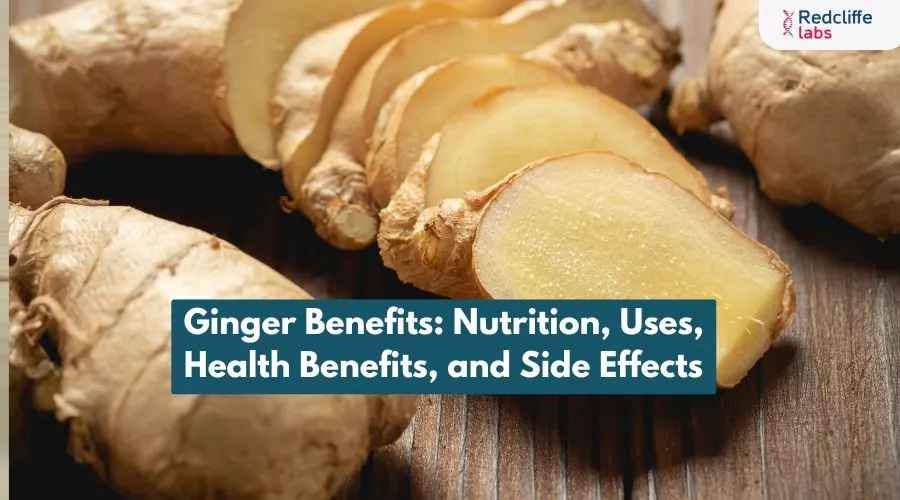
Ginger is actually in most people's kitchens in the spice rack. A pinch or two in the curry, perhaps a slice when you want something hot in your hot tea on a cold day. But what if that same root sitting idly in your store cupboard is silently one of the most effective natural health aids you have?
When you drink ginger tea for an upset stomach or sip it during a cold, you may notice some relief. But many people don't fully understand how ginger works inside the body, from digestion to joint pain, from blood glucose levels to the immune system. Research on ginger is not new, and its findings are especially useful for people looking to improve their daily health naturally.
In this blog, you will learn what ginger is, what active compounds make it effective, and exactly which health conditions it helps, all based on verified research.
Ginger Nutrition (Per 100 grams)
- Calories: 80 kcal
- Carbohydrates: 17.8 g
- Fiber: 2 g
- Protein: 1.8 g
- Fat: 0.8 g
- Vitamin C: 5 mg
- Magnesium: 43 mg
- Potassium: 415 mg
- Iron: 0.6 mg
- Gingerol and other antioxidants: Present in natural amounts that contribute to ginger's anti-inflammatory properties.
Note: People rarely consume 100 grams of ginger at once, but this nutritional breakdown helps explain its nutrient profile.
What Is Ginger and Why Does It Work?
Ginger (Zingiber officinale) is an herbaceous plant used as a medicinal herb and spice for over 5,000 years. It is native to Southeast Asia and remains one of the most widely used herbal remedies worldwide.
The rhizome (underground stem) of ginger contains several active compounds, but gingerol is the most important. Gingerol is the primary source of ginger's medicinal effects. As ginger dries, some gingerol converts to shogaol, which may also have anti-inflammatory and antioxidant properties.
This explains why ginger's health benefits go beyond traditional use and are supported by modern research.
Top 7 Health Benefits of Ginger
Ginger contains essential nutrients that can support your overall health. It may also have specific health benefits.
1. Relieves Nausea and Supports Digestion
Ginger can alleviate nausea resulting from pregnancy, chemotherapy, post-surgical conditions, and travel sickness. It works by speeding up stomach emptying and inhibiting serotonin receptor sites in the gastrointestinal tract, as scientifically proven and not placebo-related. For digestion, ginger boosts the production of digestive enzymes and alleviates flatulence.
Dose used in studies: 1-1.5 grams of ginger powder daily, or fresh ginger steeped in hot water for 5-10 minutes.
2. Reduces Inflammation In the Body
The gingerols and shogaols in ginger inhibit pro-inflammatory cytokines, the chemical messengers that trigger inflammation.
Clinical reviews suggest regular ginger intake may help lower levels of C-reactive protein and TNF-alpha, two major indicators of overall inflammation.
Thus, ginger is particularly effective in treating:
- Osteoarthritis: alleviates joint discomfort and stiffness
- Rheumatoid arthritis may help reduce flare-up severity
- Post-exercise muscle soreness
3. Manages Blood Sugar Levels
A 2015 randomized controlled trial found that ginger may help improve blood sugar control in people with type 2 diabetes. Taking 2 grams of powdered ginger for 12 weeks lowered blood glucose levels by about 12% in patients with type 2 diabetes. It is due to its ability to enhance insulin sensitivity, inhibit carbohydrate digestion, and reduce oxidative stress.
4. Supports Heart Health
Ginger may support heart health in several ways:
- It may help lower LDL cholesterol and triglyceride levels.
- May help support healthy blood pressure levels
- It may mildly reduce blood clotting
. If you are using anticoagulants such as warfarin, please consult your physician before increasing ginger intake.
5. Strengthens Immune Function
The antioxidants in ginger help reduce oxidative stress that may weaken immune function. Some lab studies suggest fresh ginger may support respiratory health.
Ginger tea with lemon and honey is beneficial during the winter months.
6. Reduces Menstrual Pain
A clinical trial revealed that eating 1 gram of ginger powder daily for the first three days of the menstrual cycle was as effective as ibuprofen for pain relief. Gingerols suppress prostaglandins that cause uterine contractions, making it one of the strongest evidence-based uses of ginger for women.
7. May Support Brain Health
Emerging research suggests that ginger may help support brain health as we age. Studies in middle-aged women show that ginger supplementation enhances cognitive skills, including working memory and reaction time.
It could be due to ginger's anti-inflammatory properties, which help maintain brain health and protect nerve cells. Ginger may also support acetylcholine activity, a chemical involved in cognition and memory.
How to Use Ginger In Your Daily Life
There are practical, low-effort ways to use ginger consistently:
- Fresh Ginger Tea: Cut 5-6 thin slices of fresh ginger, steep them in hot water for 10 minutes, then add lemon and honey.
- Smoothies: Add small amounts of fresh ginger to smoothies made with fruits like mango, pineapple, or banana.
- Cooking: Grated fresh ginger works well in stir-fries, soups, marinades, and sauces.
- Ginger Powder: Easily added to porridge, yogurts, or warm milk.
- Capsules/Supplements: Some ginger supplements are standardized for active compounds. Always follow label directions.
Ginger Root Versus Ginger Powder
Both forms offer health benefits of ginger, but they differ in nutrition, taste, uses, and potency.
| Factor | Fresh Ginger Root | Ginger Powder |
| Form | Raw, juicy rhizome | Dried and ground form |
| Taste | Strong, fresh, slightly juicy | More concentrated and warm |
| Active Compounds | Higher gingerol content | Higher shogaol content (formed during drying) |
| Shelf Life | Shorter (1-3 weeks of refrigeration) | It can last several months if stored properly |
| Best for | Tea, coffee, cooking, and digestion remedies | Baking, spice, blends, supplements |
| Nutrient Absorption | Contains more natural oils and freshness | Some nutrients may be reduced during processing |
Benefits of Fresh Ginger Root
Fresh ginger is often preferred when you want:
- Better flavor in tea, soups, and curries
- Relief from nausea
- Better digestion
- Fresh antioxidants and oils
It is commonly used in homemade remedies, such as ginger tea, for cold and cough relief.
Benefits of Ginger Powder
Ginger powder is convenient and condensed. It can:
- Have a longer shelf life in your kitchen.
- They can be easily included in your smoothies or baked goods.
- Contain higher amounts of shogaol, which has anti-inflammatory properties.
It is usually found in herbal supplements and desserts.
Which One Should You Choose?
- Choose raw ginger for natural taste, improved digestion, and homemade remedies.
- Opt for powdered ginger if you require convenience, a longer shelf life, and easy daily use.
Either way, both products are nutritious, provided they are taken in appropriate amounts.
Precautions: When to Be Careful
Ginger is generally safe when taken in moderation. There are some conditions under which you should be cautious about using ginger:
- Pregnancy: Pregnant women should consult their doctor before using ginger supplements, although small amounts used for nausea are often considered safe.
- Anticoagulants: Ginger is a mild blood thinner, so check with your physician.
- Gallstones: This herb has been shown to stimulate bile production, which can be problematic for people with gallstones.
- Surgery: Speak with your doctor before surgery if you regularly take ginger supplements, as they may affect bleeding risk.
- Heartburn/Acid Reflux: Ginger may aggravate these conditions for some people. Hence, avoid it.
The recommended daily amount (RDA) in most studies ranges from 1 to 3 grams of ginger powder or its equivalent in fresh root. More is not always better.
Conclusion
Ginger is not just a wellness trend; it has been part of traditional medicine for thousands of years and is now backed by growing scientific research.
One reason ginger stands out is its ability to support multiple aspects of health—from digestion to inflammation control. Moreover, ginger is inexpensive, easy to incorporate into everyday meals, and safe for most people when consumed in moderation, though pregnant women and people taking medications should consult a doctor.
While a single serving of ginger tea may alleviate stomachache symptoms, regular consumption is essential to achieve significant health benefits.
Key Points
- Ginger contains gingerols, which have been shown to have anti-inflammatory properties and aid digestion.
- May help reduce nausea and improve digestion.
- Taking 1 to 3 grams daily can help improve your blood sugar levels, cardiovascular health, and immunity.
- Safe for the majority of adults; however, may interact with blood thinners.
FAQs
-
What are the health benefits of Ginger?
Ginger possesses many health benefits. Some of the health benefits of ginger include improving digestion, reducing nausea, acting as an anti-inflammatory, boosting immunity, and helping control blood sugar levels. The antioxidants in ginger, such as gingerols, may be beneficial for heart health and muscle pain.
-
Is it good to eat ginger every day?
For most adults, daily ginger use is safe at moderate levels. Approximately 1-3 grams a day are considered beneficial, supporting digestion, the immune system, and inflammation. It can be consumed as tea, meals, or smoothies. Too much may cause stomach irritation and acidity.
-
What organ is ginger good for?
The organs that may benefit from ginger include the stomach, heart, and liver. The stomach may benefit, as ginger stimulates digestion and helps reduce nausea. According to research, it may also help protect the heart by improving blood circulation. Additionally, the antioxidants in ginger may help support liver health, but more human research is needed.
-
Can ginger stop dizziness?
Ginger is useful for alleviating dizziness associated with motion sickness, vomiting, or vertigo in some patients. This is because ginger helps calm the tummy and alleviate feelings of nausea. Ginger in tea, sweets, or supplements can be taken during a journey to treat motion sickness. It is important to seek medical attention if dizziness persists, occurs frequently, or is accompanied by other symptoms such as fainting and headaches.
-
Does ginger tea help with weight loss?
While ginger tea won't lead to significant weight loss on its own, it helps improve digestion, makes one feel fuller after eating, slightly boosts metabolism, and helps control blood sugar. Consuming this tea also reduces bloating. To benefit from ginger tea for weight loss, you should include it in an active lifestyle that includes a balanced diet and exercise.
-
Is ginger safe for children?
It is safe to give kids a small amount of ginger in foods or diluted ginger tea to relieve cough, nausea, or digestive problems. Avoid giving large amounts of ginger or supplements to children below two years of age without consulting a pediatrician. If you consider introducing ginger to your child's diet, start slowly to check for any allergic reactions.
-
Is fresh ginger better than dried?
Dried and fresh ginger have similar health benefits. Dried ginger has more shogaols, which give it strong anti-inflammatory properties, while fresh ginger is rich in oils and gingerols, which enhance digestion and relieve nausea. The better option depends on your health needs and how you plan to use it in your diet.