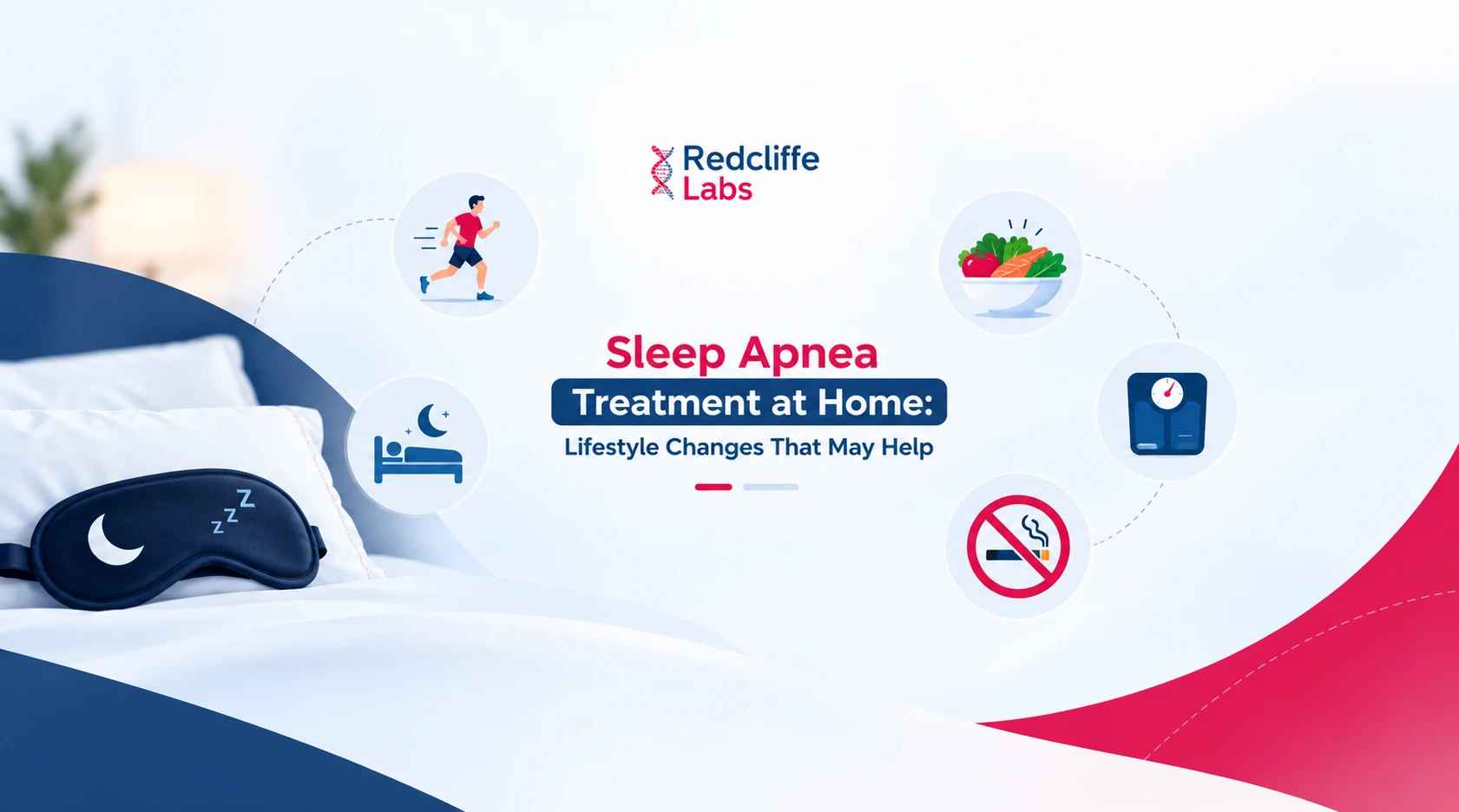
Sleep Apnea Treatment at Home: Lifestyle Changes That May Help

Overview
Sleep apnea is a sleep disorder in which breathing repeatedly pauses or becomes shallow during sleep. Lifestyle changes such as weight management, avoiding alcohol before bed, changing sleep position and managing nasal congestion when present may reduce symptoms in some people. However, these measures do not replace a proper diagnosis or prescribed sleep apnea treatment when needed.
Untreated sleep apnea is associated with daytime fatigue, poor concentration and an increased risk of certain cardiovascular and metabolic problems.
Key Takeaways
- Sleep apnea can cause repeated breathing interruptions during sleep, leading to daytime tiredness, poor concentration and unrefreshing sleep.
- Sleeping on your side, maintaining a healthy weight, exercising regularly and avoiding alcohol near bedtime may help improve symptoms in some people.
- A sleep study can confirm sleep apnea and help determine its severity.
- A full body checkup, such as the Fit India Full Body Checkup With Vitamin Screening with Free Heart Test (HsCRP) from Redcliffe Labs, may help assess selected health markers associated with cardiovascular and metabolic health, but it cannot diagnose sleep apnea.
- Lifestyle changes may complement medical treatment, but moderate to severe obstructive sleep apnea often requires additional treatment.
- Persistent loud snoring, observed breathing pauses or excessive daytime sleepiness warrant medical evaluation.
This guide covers sleep apnea symptoms, causes, risk factors, diagnosis, home-based lifestyle measures, medical treatments and when to seek medical advice.
What Is Sleep Apnea?
Sleep apnea is a condition in which breathing repeatedly stops or becomes reduced during sleep. These interruptions can disturb normal sleep and affect oxygen levels in the body.
The two main types are:
- Obstructive sleep apnea (OSA): The muscles and soft tissues at the back of the throat relax during sleep, narrowing or blocking the upper airway.
- Central sleep apnea: The brain does not consistently send the signals needed to control breathing during sleep.
Obstructive sleep apnea is the more common type. It can affect adults of all genders and body sizes, although the risk increases with age and certain health conditions.
Sleep Apnea Symptoms: What Should You Notice?
Sleep apnea symptoms at night may include loud, repeated snoring, pauses in breathing noticed by another person, and waking up gasping or choking. Not everyone snores loudly, however, so other symptoms matter too.
Early Signs of Sleep Apnea
Early signs of sleep apnea may include persistent snoring, unrefreshing sleep, daytime fatigue and difficulty concentrating. These symptoms can have other causes, so they do not confirm sleep apnea on their own.
Common symptoms
- Loud, habitual snoring
- Pauses in breathing seen by someone else
- Waking up gasping or choking
- Excessive daytime sleepiness, even after a full night in bed
Associated symptoms
- Morning headaches
- Dry mouth or sore throat on waking
- Difficulty concentrating or memory lapses
- Irritability or low mood
- Frequent night-time urination
- Reduced interest in sex
Changes that should not be ignored: falling asleep while driving or at work, high blood pressure that is difficult to control, and irregular heartbeat or chest discomfort at night.
Also read: https://redcliffelabs.com/myhealth/health/does-sleep-apnea-cause-liver-problems-treatment-you-need-to-know
What Causes Sleep Apnea?
Sleep apnea develops for different reasons depending on its type. In obstructive sleep apnea, the airway becomes partially or completely blocked during sleep. Several factors can increase the likelihood of this happening.
Excess weight
Excess tissue around the neck and upper airway can contribute to airway narrowing. People who are overweight or obese may have a higher risk of obstructive sleep apnea, although the condition can also occur in people who are not overweight.
Age-related changes
As people grow older, changes in muscle tone and the structure of the upper airway may increase their risk. Adults aged 30–65 and older adults should pay attention to persistent symptoms, particularly when other risk factors are present.
Alcohol and sedative medicines
Alcohol can relax the muscles that help keep the airway open, potentially worsening breathing interruptions during sleep. Certain sleeping pills, sedatives and other medicines may also affect breathing. Their use should be reviewed with a healthcare professional rather than changed independently.
Sleeping position
For some people, sleeping on the back allows the tongue and soft tissues to move towards the back of the throat, making airway obstruction more likely. Symptoms may therefore be more noticeable in this position. This positional effect varies between individuals and is not the only cause of sleep apnea.
Other contributing factors
Family history, the structure of the jaw or upper airway, smoking and certain medical conditions may also contribute to the risk. Central sleep apnea has different underlying mechanisms and requires assessment based on the individual's medical history.
Who Is More Likely to Develop Sleep Apnea?
Sleep apnea can affect both men and women. The risk is influenced by age, anatomy, medical history and lifestyle factors.
Adults may have a higher risk if they:
- Are overweight or obese
- Are middle-aged or older
- Have a family history of sleep apnea.
- Have a naturally narrow upper airway or certain jaw structures.
- Smoke or consume alcohol.
- Have conditions such as high blood pressure or other relevant medical disorders.
Sleep apnea symptoms in adults can vary. Women may have less obvious symptoms than loud snoring, including daytime fatigue, insomnia, morning headaches or difficulty concentrating. Risk factors alone cannot confirm the condition; an appropriate clinical assessment is needed when symptoms suggest sleep apnea.
How Is Sleep Apnea Diagnosed?
A healthcare professional usually begins by reviewing symptoms, medical history, medicines, sleep habits and risk factors. They may also examine the mouth, throat and upper airway.
A sleep study test is used to evaluate breathing patterns and related changes during sleep. Depending on the person's symptoms and medical history, the clinician may recommend a home sleep apnea test or an overnight study in a sleep laboratory.
What Is a Polysomnography Test?
A polysomnography test is a comprehensive sleep study that records several body functions during sleep. These may include breathing, blood oxygen levels, heart rate, brain activity, eye movements and muscle activity.
The findings help clinicians identify sleep-related breathing interruptions and assess their severity. A home sleep apnea test may be suitable for some adults, but a laboratory study may be needed in other situations or when home testing is negative or inconclusive despite continuing symptoms.
A wearable device or an ordinary fitness tracker cannot reliably replace a diagnostic sleep study.
Which Tests May Be Recommended?
The choice of investigation depends on the symptoms and the suspected underlying condition.
|
Test or assessment |
Why it may be recommended |
|
Home sleep apnea test |
Measures selected breathing-related signals during sleep in suitable patients. |
|
Sleep-related oxygen monitoring |
May provide information about oxygen levels, but oxygen readings alone may not be enough to diagnose sleep apnea. |
|
Blood tests, when indicated |
May help assess associated health concerns, such as thyroid dysfunction or metabolic risk, when clinically relevant. |
A sleep apnea diagnosis test should be selected and interpreted by a qualified healthcare professional. General health blood tests cannot independently confirm or rule out sleep apnea.
Can a Full Body Checkup Help?
A full body checkup cannot diagnose sleep apnea, but it can help assess the health conditions that often accompany it. A sleep study, rather than a routine blood test package, is needed to evaluate suspected sleep apnea.
Sleep apnea is closely linked with high blood pressure, type 2 diabetes, abnormal cholesterol, thyroid problems and heart disease. If you snore loudly, wake up unrefreshed or have been told you stop breathing in your sleep, your doctor may also want a clearer picture of your overall health and cardiovascular risk.
The Fit India Full Body Checkup With Vitamin Screening with Free Heart Test (HsCRP) from Redcliffe Labs offers a broad health overview along with vitamin screening and HsCRP, a marker of inflammation associated with cardiovascular risk. It may help you and your doctor review selected health markers covered by the package, especially if you are over 30 or have weight gain, tiredness or a family history of heart disease or diabetes.
This package does not show whether breathing stops during sleep or how severe it is. Share the results with your doctor along with a description of your sleep symptoms, and ask about a dedicated sleep assessment if sleep apnea is suspected.
Book the Fit India Full Body Checkup with Redcliffe Labs to review your overall health while you arrange a sleep evaluation with your doctor.
Which Lifestyle Changes Can Support Sleep Apnea Treatment at Home?
Lifestyle changes can reduce the number or severity of breathing pauses in some people, particularly those with mild obstructive sleep apnea, and they improve the results of other therapies. They work best when started alongside medical guidance.
Work towards a healthier weight
Losing excess weight can reduce fat around the neck and airway, and even modest weight loss may improve symptoms in people who are overweight. A balanced diet, regular physical activity and gradual, sustainable changes are more reliable than crash diets.
Avoid alcohol and sedatives close to bedtime
Alcohol relaxes throat muscles and can make airway collapse more likely. Avoid alcohol use before sleep, and do not stop or change prescribed sedatives or sleep medicines without speaking to your doctor.
Try side sleeping
In some people, breathing pauses occur mainly when lying on the back. Sleeping on your side, using a positional pillow or raising the head of the bed slightly may help. Check with your doctor first if you have a sleep study showing positional apnea.
Quit smoking
Stopping smoking reduces airway irritation and brings wider benefits for heart and lung health. Support from a doctor or cessation programme can improve your chances of success.
Manage nasal congestion
Saline rinses and treatment of allergies, as advised by a doctor, may improve nasal airflow. Decongestant sprays should not be used for long periods without medical advice.
Build consistent sleep habits
Keep regular sleep and wake times, aim for enough hours in bed, and avoid heavy meals late at night. Healthy sleep habits do not cure sleep apnea but reduce sleep deprivation, which can worsen daytime symptoms.
Exercise, including throat and breathing exercises
Regular aerobic and strength exercise may reduce severity even without major weight loss. Some studies suggest that oropharyngeal (mouth and throat) exercises may modestly help mild cases, though the evidence is still limited and they work best as an addition to other care.
Home measures are not a substitute for medical therapy. If you notice no improvement after a few months, or if symptoms are significant, ask your doctor to reassess your treatment plan.
Medical Options When Lifestyle Changes Are Not Enough
Medical therapy is chosen according to the severity of your sleep apnea, your anatomy and your overall health.
- CPAP (continuous positive airway pressure): A mask delivers steady air pressure to keep the airway open. It is generally the first-line therapy for moderate to severe obstructive sleep apnea and is effective when used regularly.
- Oral appliances: Custom-fitted mandibular advancement devices move the lower jaw forward and may be used in mild to moderate cases or when CPAP is not tolerated.
- Surgery or implants: Procedures to correct nasal, throat or jaw anatomy, or nerve stimulation devices in selected patients, may be considered when other options fail.
- Treating related conditions: Managing thyroid disease, diabetes, nasal allergies or heart conditions can support better sleep.
In practice, obstructive sleep apnea treatment often combines several approaches, such as CPAP along with weight management and alcohol reduction. Your sleep specialist or physician will recommend the best combination.
When Should You See a Doctor?
Arrange a medical evaluation if you experience:
- Frequent, loud snoring accompanied by other symptoms.
- Repeated choking, gasping or pauses in breathing during sleep.
- Persistent daytime sleepiness despite spending enough time in bed.
- Morning headaches or difficulty concentrating.
- Sleep problems accompanied by high blood pressure, diabetes or heart disease.
Excessive sleepiness can affect driving, work and daily activities. Do not drive or operate machinery when you are too sleepy to do so safely.
Seek urgent medical help for severe breathing difficulty while awake, chest pain or other acute symptoms rather than assuming they are caused by sleep apnea.
Conclusion
Sleep apnea treatment may include lifestyle changes, breathing devices and other interventions depending on the underlying cause and severity. Sleeping on your side, maintaining a healthy weight, exercising regularly, avoiding alcohol near bedtime and quitting smoking may help improve symptoms in some adults. However, these measures cannot reliably eliminate breathing interruptions in everyone and are not a substitute for prescribed treatment when it is needed.
Persistent snoring, gasping during sleep and daytime fatigue should not be dismissed as ordinary tiredness. A healthcare professional can assess your symptoms and recommend an appropriate sleep study. If sleep apnea is confirmed, following an individualised treatment plan can help improve sleep quality and support long-term health.
Frequently Asked Questions
Can you have sleep apnea without snoring or being overweight?
Yes. Many people with sleep apnea do not snore loudly, and some are of normal weight. A narrow airway, a small jaw, enlarged tonsils, nasal blockage or family history can all contribute. Women, in particular, may report fatigue, insomnia or morning headaches rather than snoring. If you feel tired despite adequate sleep, it is worth discussing a sleep evaluation with your doctor.
Can sleep apnea go away on its own, or is it permanent?
It depends on the cause. Sleep apnea linked to weight gain, alcohol or nasal congestion may improve when these factors are addressed, while apnea caused by airway structure or aging often persists. Many people need ongoing management rather than a one-time cure. Regular follow-up helps your doctor adjust treatment if your weight, health or symptoms change.
Do mouth taping, herbal remedies or sleep supplements treat sleep apnea?
There is no reliable evidence that these approaches treat sleep apnea, and some may be unsafe. Taping the mouth shut can be risky if your nose is blocked or your breathing is already compromised. Sedating supplements may worsen airway collapse. Discuss any home remedy with a doctor before trying it, especially if your symptoms are significant.
Can sleeping pills or alcohol make sleep apnea worse?
Yes. Alcohol, sleeping pills, and some sedatives and muscle relaxants can reduce muscle tone in the throat and lower the brain's drive to breathe, which may lengthen or increase breathing pauses. Avoid alcohol close to bedtime, and do not stop prescribed medicines on your own. Tell your doctor if you take sedatives and suspect sleep apnea.
Does menopause or aging increase the risk of sleep apnea?
Yes. Risk rises with age as throat muscle tone and fat distribution change. In women, the risk increases after menopause, partly due to hormonal changes that affect airway muscle tone and weight distribution. Because symptoms in women are often subtle, such as poor sleep, mood changes or morning headaches, sleep apnea may be missed. Discuss persistent sleep problems with your doctor rather than attributing solely to aging or menopause. .