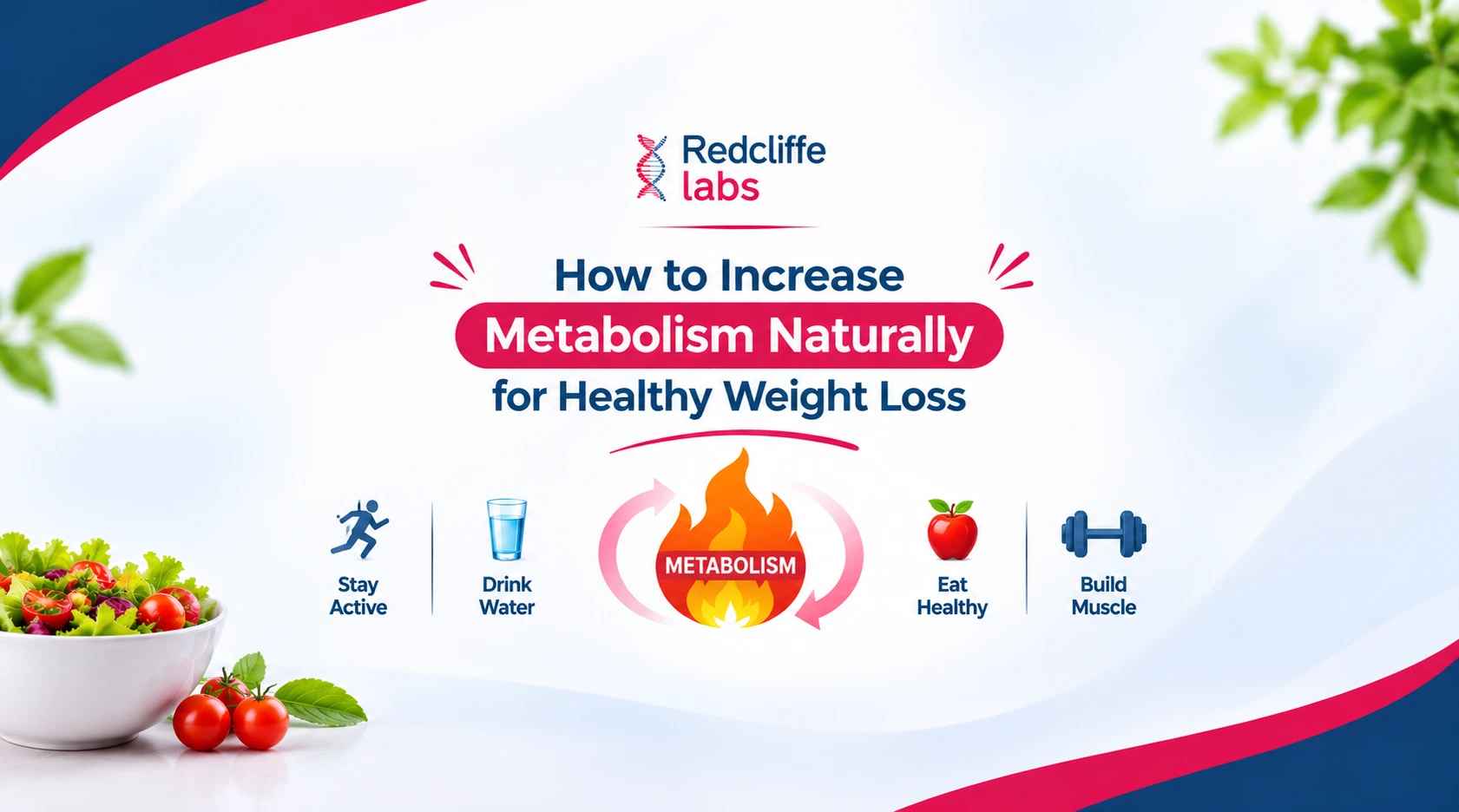
How to Increase Metabolism Naturally for Healthy Weight Loss

Have you ever wondered why some people seem to maintain their weight despite eating well, while others struggle even after following a strict diet and exercise routine? One possible factor is metabolism, the process by which your body converts food into energy and uses that energy to perform everyday functions.
However, metabolism is only one part of the weight management equation. Your body composition, physical activity, eating habits, sleep, hormones, genetics, and certain medical conditions can also influence your weight.
The good news is that you do not need expensive supplements, extreme diets, or complicated fitness routines to support metabolic health. Simple, consistent lifestyle changes can help your body use energy efficiently and support sustainable weight management.
If you are wondering how to increase metabolism for weight loss, understanding how your metabolism works is a good place to start. Let's explore the science behind metabolic health, everyday habits that can support it, Indian food choices, and the health tests that may help identify underlying concerns.
What Is Metabolism and How Does It Affect Weight Loss?
Metabolism refers to the collection of chemical reactions that take place inside your body to maintain life. These processes convert the nutrients in food into energy, which your body uses for breathing, digestion, circulation, movement, cell repair, and other essential functions.
Your metabolism works continuously, even when you are sleeping or resting.
For weight management, two important concepts are basal metabolic rate (BMR) and total daily energy expenditure (TDEE).
- Basal Metabolic Rate (BMR): The amount of energy your body needs to perform essential functions while at complete rest.
- Total Daily Energy Expenditure (TDEE): The total calories your body burns throughout the day, including resting functions, physical activity, and digestion.
Your daily energy expenditure can be broadly divided into three components:
|
Component |
What it means |
|
Basal metabolism |
Energy required for essential body functions |
|
Physical activity |
Energy used during exercise and everyday movement |
|
Thermic effect of food |
Energy used to digest, absorb, and process nutrients |
BMR generally accounts for the largest share of daily energy expenditure, although the exact proportion differs between individuals.
Does a faster metabolism automatically mean weight loss?
No. A higher metabolic rate does not automatically guarantee weight loss. Weight management depends on the relationship between energy intake and expenditure, along with hormones, body composition, genetics, sleep, and other health factors.
A sustainable calorie deficit, adequate nutrition, and regular physical activity can support healthy weight management.
Also Read: Intermittent Fasting for Insulin Resistance: Does It Help With Weight Loss?
What Are the Different Types of Metabolic Processes?
Your body performs several metabolic processes to maintain energy balance and support normal functioning.
The two major categories are
1. Catabolism
Catabolism involves breaking down larger molecules into smaller ones to release energy.
For example:
- Breaking down carbohydrates into glucose.
- Breaking down fats into fatty acids.
- Breaking down proteins into amino acids.
Your body uses the released energy to perform essential activities.
2. Anabolism
Anabolism involves using energy to build and repair tissues and molecules.
Examples include
- Building muscle proteins.
- Repairing damaged tissues.
- Creating new cells.
- Storing energy for future use.
Both processes are important. A healthy metabolism requires a balance between breaking down nutrients for energy and using nutrients to build and maintain body tissues.
What Factors Affect Your Metabolic Rate?
Not everyone's metabolism works at the same rate. Several biological and lifestyle factors influence how much energy the body uses.
|
Factor |
How it influences metabolism |
|
Age |
Metabolic needs and body composition can change with age. |
|
Muscle mass |
Muscle tissue uses energy, including at rest. |
|
Genetics |
Genetic differences can influence body composition and energy expenditure. |
|
Hormones |
Thyroid hormones play an important role in regulating metabolism. |
|
Physical activity |
Movement increases total daily energy expenditure. |
|
Sleep |
Inadequate sleep can affect appetite regulation and weight management. |
|
Diet |
Food intake, nutrient composition, and energy availability influence metabolism. |
|
Medical conditions |
Certain hormonal and metabolic conditions can affect body weight. |
For example, hypothyroidism can reduce thyroid hormone production and may contribute to fatigue and weight gain. Similarly, polycystic ovary syndrome (PCOS) may be associated with insulin resistance and changes in weight regulation.
However, these conditions cannot be identified through weight changes alone. Medical evaluation is necessary.
Why Does Metabolism Slow Down?
A gradual change in metabolic rate can occur as your body composition, age and lifestyle change.
Some common contributing factors include:
- Loss of muscle mass: When muscle mass decreases, your resting energy requirements may also decrease.
- Ageing: Age-related changes in muscle mass and physical activity can influence energy expenditure.
- Extreme calorie restriction: Consuming significantly fewer calories than your body needs can contribute to muscle loss and adaptive changes in energy expenditure.
- Sedentary lifestyle: Sitting for extended periods reduces the energy you use through everyday movement.
- Hormonal changes: Conditions affecting thyroid function and reproductive hormones may influence weight regulation.
- Poor sleep: Inadequate sleep can affect hunger, appetite, and food choices, making weight management more difficult.
An important point to remember is that a slower rate of weight loss does not necessarily mean your metabolism is damaged. As you lose weight, your body generally requires fewer calories to maintain its new weight. Your energy requirements can also adapt during prolonged calorie restriction.
How to Improve Metabolic Rate Naturally
Your metabolism cannot be transformed overnight. However, building healthier daily habits can support energy expenditure, preserve muscle mass, and improve overall metabolic health.
Here are some practical changes you can start incorporating into your routine.
1. Eat Enough Protein
Protein plays an important role in muscle maintenance, tissue repair and several metabolic functions.
Your body also uses more energy to digest protein than it does to digest carbohydrates or fats. This is known as the thermic effect of food.
Including protein-rich foods in your meals can help you feel satisfied and support muscle maintenance, particularly when you are trying to lose weight.
Good protein sources for Indian diets include:
- Dal and lentils.
- Paneer and tofu.
- Eggs.
- Milk and curd.
- Chickpeas and rajma.
- Soybeans.
Try including a source of protein in your main meals instead of depending entirely on rice, roti or other carbohydrate-rich foods.
Your individual protein requirements depend on your age, health status, physical activity, and medical conditions.
2. Include Strength Training in Your Routine
Muscle mass plays an important role in determining resting energy expenditure.
Strength training helps maintain and build muscle, particularly when combined with adequate nutrition. This is important because losing weight through restrictive dieting alone can also lead to the loss of lean muscle mass.
You do not necessarily need a gym membership.
You can begin with:
- Squats.
- Wall push-ups.
- Lunges.
- Resistance band exercises.
- Lightweight training.
- Bodyweight exercises.
Start according to your fitness level and gradually increase the intensity.
For adults, general physical activity recommendations include at least 150 minutes of moderate-intensity aerobic activity weekly and muscle-strengthening activities on at least two days a week.
3. Stay Physically Active Throughout the Day
A one-hour workout cannot completely compensate for spending the remaining day sitting.
Everyday movement also contributes to your total energy expenditure.
Here are some easy ways to stay active:
- Take a short walk after meals.
- Use stairs instead of lifts when practical.
- Walk while attending phone calls.
- Take movement breaks during office hours.
- Perform household chores.
- Include cycling, swimming, or dancing in your routine.
If you work at a desk for long hours, try getting up and moving regularly instead of remaining seated continuously.
These small activities may appear insignificant, but they help reduce prolonged sedentary time and contribute to overall physical activity.
4. Eat More Fiber-Rich Foods
Dietary fiber supports digestive health, improves satiety, and helps maintain healthier blood glucose responses when consumed as part of balanced meals.
It can also make weight management easier by helping you feel full for longer.
Include:
- Whole fruits instead of fruit juices.
- Green leafy vegetables.
- Oats and whole grains.
- Beans and lentils.
- Chia and flaxseeds.
- Nuts and seeds.
For example, replacing a refined-flour snack with roasted chana, fruit, or sprouts can improve the nutritional quality of your everyday diet.
You do not need to eliminate carbohydrates completely. Instead, focus on the quality, quantity, and balance of your meals.
5. Stay Hydrated
Water is essential for digestion, nutrient transportation, temperature regulation, and several metabolic processes.
Inadequate fluid intake can affect your overall functioning and physical performance.
To maintain hydration:
- Drink water regularly throughout the day.
- Increase fluid intake when exercising or sweating heavily.
- Include water-rich foods such as cucumber, watermelon, and oranges.
- Limit frequent consumption of sugary beverages.
Drinking water is not a magic weight-loss solution. However, replacing sugar-sweetened drinks with water can help reduce unnecessary calorie intake.
6. Get 7–9 Hours of Quality Sleep
Sleep is an important part of metabolic health.
Poor sleep can influence hormones involved in appetite regulation, food preferences and glucose metabolism. It may also increase cravings for energy-dense foods and make it harder to maintain an active routine.
To improve sleep quality:
- Maintain consistent sleeping and waking times.
- Avoid heavy meals immediately before bedtime.
- Reduce screen exposure before sleeping.
- Limit caffeine consumption late in the day.
- Keep your bedroom comfortable and quiet.
Most adults should aim for at least seven hours of sleep each night, although individual requirements can vary.
7. Manage Everyday Stress
Chronic stress can affect eating patterns, sleep quality, and hormonal regulation.
During stressful periods, some people experience increased cravings, emotional eating or reduced physical activity. These behaviors can make healthy weight management more challenging.
You can manage everyday stress through:
- Meditation.
- Deep breathing exercises.
- Yoga.
- Walking outdoors.
- Spending time with family and friends.
- Maintaining a balanced work-life routine.
If stress is affecting your sleep, appetite, or daily functioning, consider speaking with a healthcare professional.
8. Avoid Extreme Dieting
Crash diets and extreme calorie restriction may produce short-term weight changes, but they are difficult to maintain.
They can also increase the risk of inadequate nutrient intake and loss of lean muscle mass.
Instead:
- Eat balanced meals.
- Avoid skipping meals if it leads to overeating later.
- Maintain appropriate portion sizes.
- Include protein, fibre and healthy fats.
- Choose a realistic calorie deficit with professional guidance when needed.
Healthy weight loss is about building habits you can maintain, not following a restrictive diet for a few weeks.
These are some of the most practical ways to increase metabolism for weight loss without depending on quick fixes.
Which Indian Foods Support Metabolic Health?
A balanced Indian diet can provide the nutrients your body needs to support normal metabolic functions.
You do not need expensive imported foods or specialised diet products. Everyday ingredients can help you build balanced meals.
|
Food |
Nutritional benefit |
How to include it |
|
Dal |
Provides plant-based protein and fibre |
Include in lunch or dinner |
|
Curd |
Provides protein and calcium |
Add to lunch or have as a snack |
|
Paneer |
Provides protein |
Include in vegetable dishes |
|
Eggs |
Provide high-quality protein |
Have as breakfast or a snack |
|
Oats |
Provide fibre |
Prepare as breakfast |
|
Sprouts |
Provide fibre and plant protein |
Add to salads or snacks |
|
Almonds and walnuts |
Provide healthy fats and fibre |
Have in appropriate portions |
|
Green leafy vegetables |
Provide fibre, folate and micronutrients |
Include in everyday meals |
|
Fruits |
Provide fibre, vitamins and minerals |
Choose whole seasonal fruits |
Also Read: How to Use Chia Seeds for Weight Loss?
Natural Metabolism Boosters: Do They Really Work?
You may have come across several foods and drinks marketed as metabolism boosters.
Some foods and beverages can have small effects on energy expenditure or support healthier eating habits. However, none can replace balanced nutrition and physical activity.
Let's understand some common examples.
- Green tea: Green tea contains catechins and caffeine. Some research suggests these compounds may have a modest effect on energy expenditure, but the effect on long-term weight loss is generally small.
- Coffee: Caffeine can temporarily increase alertness and energy expenditure. However, adding sugar, flavored syrups, or high-calorie creamers can increase calorie intake.
- Chilli peppers: Capsaicin, a compound found in chillies, may temporarily influence thermogenesis. However, its effect is not sufficient to produce significant weight loss on its own.
- Protein-rich foods: Protein has a higher thermic effect than carbohydrates and fats, making it a useful component of balanced meals.
- Water: Staying hydrated supports normal body functions. Replacing sugary beverages with water may also help manage calorie intake.
The National Institutes of Health notes that evidence supporting green tea as a meaningful weight-loss aid remains limited. Weight-loss supplements may also have side effects and should not be used without appropriate medical advice.
Can Insulin Resistance Affect Your Metabolism?
Yes. Insulin resistance can affect how your body regulates blood glucose and uses energy.
Insulin is a hormone produced by the pancreas. It helps glucose move from the bloodstream into cells, where it can be used for energy.
When cells become less responsive to insulin, the pancreas may produce more insulin to maintain blood glucose levels. Over time, this can contribute to metabolic disturbances and increase the risk of developing prediabetes and type 2 diabetes.
Insulin resistance is also associated with several conditions, including:
- Abdominal obesity.
- Prediabetes.
- Type 2 diabetes.
- Metabolic syndrome.
- Polycystic ovary syndrome (PCOS) in some women.
- Metabolic dysfunction-associated steatotic liver disease (MASLD).
However, insulin resistance does not affect everyone in the same way, and it does not mean that a person will automatically gain weight.
Conclusion: Build a Healthier Metabolism with the Right Lifestyle and Health Checks
A healthy metabolism supports energy production, muscle maintenance, and blood glucose regulation. You can support it through balanced meals, protein-rich foods, regular exercise, adequate sleep, and stress management.
However, persistent weight gain, abdominal fat, or difficulty managing blood glucose may sometimes point towards insulin resistance. The HOMA-IR Test: Price, Purpose, Home Collection & Reports can help assess possible insulin resistance using fasting blood glucose and insulin levels.
With Redcliffe Labs, explore relevant preventive health checkups to monitor key metabolic health parameters. Consult a doctor to choose suitable tests and understand your results. Check the availability, price, and home sample collection options for the HOMA-IR test before booking.
Remember, lasting weight management comes from informed health decisions and sustainable lifestyle habits, not quick fixes
Frequently Asked Questions
Is metabolism the same as digestion?
No, metabolism and digestion are two different processes. Digestion breaks down food into smaller nutrients that the body can absorb. Metabolism involves the chemical reactions that use these nutrients to produce energy, build and repair tissues, and support essential body functions. Digestion supplies the nutrients, while metabolism determines how the body uses them. Both processes work together to maintain overall health.
Does drinking alcohol affect metabolism?
Yes, alcohol can influence how the body processes and uses energy. When you consume alcohol, your liver prioritises breaking it down over other metabolic activities. Alcoholic drinks can also add calories without providing essential nutrients. Frequent or excessive consumption may contribute to weight gain and affect liver health. Limiting alcohol intake and following a balanced lifestyle can support better metabolic and overall health.
Can gut bacteria influence metabolism?
Yes, the gut microbiome, which includes trillions of microorganisms living in the digestive tract, plays a role in metabolic health. These microorganisms help break down certain dietary fibres, produce beneficial compounds, and influence digestion. An imbalanced gut microbiome may be associated with metabolic concerns. Eating a varied diet containing fruits, vegetables, whole grains and other fibre-rich foods can help support a healthy gut environment.
Why does weight loss sometimes stop despite following the same routine?
A weight-loss plateau can occur because the body needs fewer calories as weight decreases. Changes in body composition, daily activity and energy requirements may also affect progress. Sometimes, calorie intake gradually increases without being noticed. A plateau does not necessarily mean your metabolism has stopped working. Reviewing food portions, physical activity and overall progress with a qualified professional can help identify possible reasons.
Can metabolic rate be measured through a medical test?
Yes, resting metabolic rate can be estimated using methods such as indirect calorimetry. This technique measures oxygen consumption and carbon dioxide production to estimate how much energy the body uses at rest. It is different from blood tests that assess glucose regulation or insulin resistance. A healthcare professional can help determine whether measuring resting metabolic rate is necessary for your health or weight-management goals.
Does body temperature indicate how fast your metabolism is working?
Not necessarily. Body temperature is regulated by several processes, including hormones, the nervous system and environmental conditions. Although metabolism produces heat as the body uses energy, feeling unusually warm or cold does not reliably indicate a fast or slow metabolic rate. Persistent temperature sensitivity, especially alongside fatigue or unexplained weight changes, should be discussed with a healthcare professional.
Does metabolism continue working while you sleep?
Yes, metabolism remains active even when you are asleep. Your body continues using energy to maintain breathing, circulation, brain activity, temperature regulatio,n and tissue repair. These essential processes require energy throughout the night. Sleep does not switch metabolism off. However, sleep quality and duration can influence appetite regulation, energy leve,ls and other factors associated with weight management and metabolic health.
Can environmental temperature affect metabolism?
Yes, exposure to very cold or hot environments can temporarily influence energy expenditure because the body works to maintain a stable internal temperature. Cold exposure may increase heat production through processes such as shivering and non-shivering thermogenesis. However, relying on cold exposure to burn calories is not a proven or sustainable weight-loss strategy. Maintaining a comfortable environment and following healthy daily habits remain important.