Understanding Liver Swelling (Hepatomegaly): Causes, Symptoms, and Recovery

Just imagine that you wake up with a dull, nagging pain in your upper right abdomen, or you find that your jeans that were snug last time are almost uncomfortably tight around your waist. It's likely you first think it's a little holiday weight gain or a minor digestive problem that will be gone the next day. But when a feeling of fullness comes with easy fatigue or even a slight yellowing of the eyes, it is perfectly normal to want to know more and understand the situation better. Do these physical symptoms indicate that it is time for you to have a medical check-up? After all, discovering that your liver is bigger than normal is quite shocking. You might start questioning what could have caused the change and how serious the problem is. This blog explains the causes of liver enlargement, the characteristics of liver swelling, and steps you can take to support your long-term wellness.
What Does Swelling in the Liver Mean?
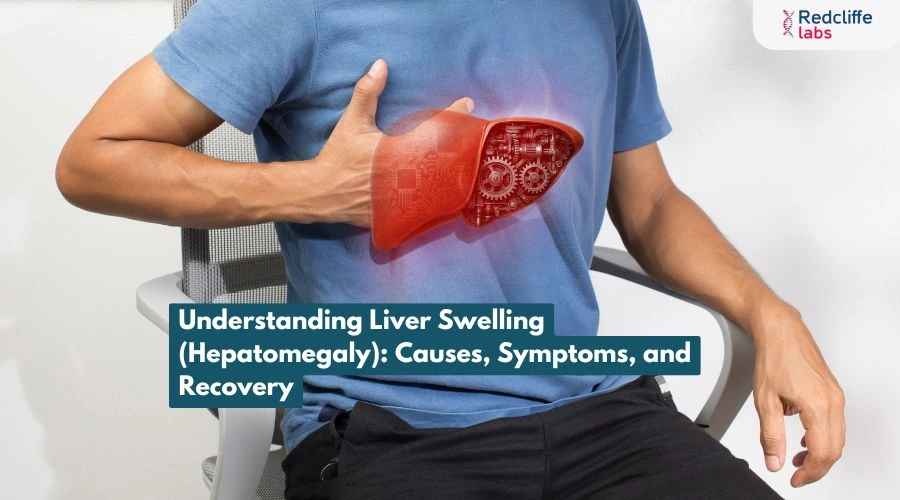
Liver enlargement is called hepatomegaly. One needs to understand that an enlarged liver is not a health problem in itself but a symptom of an underlying condition. The liver is your body's chemical processing plant. The main function of the liver is to filter the blood and detoxify chemicals. The liver also helps produce bile.
The liver, in response to a harmful agent (inflammation, excessive fat, or blockage), may enlarge. Since the liver sits in a fairly limited area of your abdominal cavity, a minor increase can already cause pain as it pushes against the enclosed capsule and other organs.
Common Liver Swelling Causes
Liver swelling is a symptom that can result from VARIOUS health issues. Some of these issues will be short-term, whereas others will be long-term.
1. Fatty Liver Disease
The first of these is a very common cause of liver swelling, known as Fatty Liver Disease, in which fat accumulates in liver cells.
This can be a result of either:
- Non-alcoholic fatty liver disease, where obesity and diabetes are factors
- Alcoholic liver disease, where alcohol abuse is a contributing factor
This is a silent disease, and its prevalence is rising.
2. Hepatitis Infections
The next two causes of liver swelling are infections of the liver, specifically hepatitis, which is a viral infection of the liver, leading to inflammation, and can be caused by three different viruses, namely:
- Hepatitis A: This type of hepatitis normally results from infected food and water and is normally acute, with full recovery.
- Hepatitis B: This type of hepatitis results from infected blood and body fluids, which can lead to chronic disease and long-term damage to the liver.
- Hepatitis C: This type of hepatitis normally results from infected blood and can remain latent for many years.
These infections can lead to swelling, destruction of liver cells, and ultimately chronic liver disease if not treated.
3. Excess Alcohol Consumption
Heavy and regular drinking might cause the liver to become inflamed and swollen. Before long, these signs may lead to:
- Alcoholic hepatitis
- Liver scarring (cirrhosis)
4. Liver Cirrhosis
Liver cirrhosis is a condition where scar tissue forms in place of healthy liver cells.
This may impair liver function and lead to:
- Swelling
- Fluid accumulation
- Serious Complications
5. Congestive Heart Failure
If the heart cannot pump blood, it may result in a backup in the liver, which may then enlarge.
This is associated with Congestive Heart Failure, which may have other symptoms like difficulty breathing and tiredness.
6. Liver Cancer or Tumors
Abnormal growths in the liver may result in its enlargement, which may include:
- Primary liver cancer
- Metastatic cancer- cancer originating in other parts of the body
7. Genetic and Metabolic Disorders
Some inherited diseases can affect how the liver functions. For instance:
- Hemochromatosis: A condition in which excess iron is stored in the body, causing damage to the liver over a period of time.
- Wilson's Disease: A rare genetic disorder that leads to copper accumulation in the liver, causing swelling and damage to the liver.
These cause the liver to enlarge and become damaged by the accumulation of harmful substances.
8. Infections other than Hepatitis
Besides hepatitis, other infections can affect the liver, including:
- Parasitic infections. These are caused by parasites that enter the body through contaminated food or water and harm the liver.
- Bacterial infections. Some bacteria can infect the liver, causing inflammation and enlargement of the organ.
- Viral illness: Certain viruses that are not hepatitis types can also cause liver inflammation during the course of the overall infection.
Liver Swelling Symptoms
In the early stages, there are no signs or symptoms of liver swelling. However, as the condition progresses, you may notice:
- Pain or discomfort in the upper right abdomen
- Feeling of fullness or bloating
- Fatigue or weakness
- Nausea or loss of appetite
- Yellowing of skin and eyes (jaundice)
- Swelling in the legs or abdomen
- Dark urine or pale stools
- Unexplained weight loss
Important: The signs and symptoms will vary depending on the underlying cause.
How Liver Swelling Affects Overall Health
Liver swelling may gradually impair important body functions if it persists for a long time. The liver is important for detoxification, metabolism, and protein synthesis. Therefore, impairment of liver function due to swelling may affect these body functions.
Key effects of liver swelling on overall health:
- Impaired detoxification: The liver cannot remove toxins from the body. The toxins will build up in the bloodstream, leading to weakness or fatigue.
- Progressive damage: Swelling may lead to cirrhosis, a condition in which scar tissue forms in the liver and may impair liver function.
- Increased blood pressure in the liver: This condition, known as portal hypertension, may cause fluid accumulation in the abdomen.
- Impact on brain function: Toxins may affect brain function, leading to a condition known as Hepatic Encephalopathy, characterized by confusion and difficulty concentrating.
- Impaired blood clotting: The liver produces blood-clotting factors, and impaired liver function will increase the risk of bruising or bleeding.
- Increased risk of liver cancer: Liver damage will increase the risk of cancer known as Hepatocellular Carcinoma.
Diagnosis of Liver Swelling
Liver swelling is diagnosed through medical history, physical examination, and advanced blood tests, including liver function tests. Common diagnostic methods include:
- Ultrasound or CT scan
- MRI and FibroScan for detailed imaging
- Liver biopsy (if required)
These tests help determine whether the swelling is mild, moderate, or severe and guide treatment.
What to Do If You Have Liver Swelling
The treatment varies depending on the cause. However, some of the general steps that can help in managing health issues include:
- Treatment of infections with medications
- Managing chronic health problems such as diabetes
- Not consuming alcohol
- Taking prescribed medications carefully
- Regular monitoring through tests
Early diagnosis can improve outcomes. It allows timely treatment, helps prevent complications, and supports better long-term liver health.
Treatment Options for Liver Swelling
Treatment for liver swelling depends on the underlying cause. Generally, the treatment options include:
1. Lifestyle and Diet
Simple lifestyle and dietary interventions can greatly improve liver health and alleviate swelling.
- Avoid alcohol consumption
- Maintain ideal weight
- Adopt a healthy diet
- Avoid processed food, sugar, and fats
2. Medications
Medications help treat the underlying cause of liver swelling and prevent further damage to the liver.
- Antiviral medications to treat infections like Hepatitis B and Hepatitis C
- Medications to treat inflammation and autoimmune diseases
3. Management of Associated Conditions
Controlling underlying health conditions also helps reduce additional strain on the liver, thereby facilitating recovery.
- Management of associated medical conditions like diabetes, high cholesterol, and obesity
- Management of associated medical conditions, such as heart conditions
4. Advanced Treatments
Advanced treatments are considered when the extent of liver damage is significant, and other treatments are no longer effective.
- In severe cases, the patient might need to undergo a liver transplant if the damage is severe.
When Do You Need a Liver Transplant?
You may need a liver transplant if your liver is not functioning normally despite being treated for a condition.
The conditions that may require a liver transplant include:
- End-stage cirrhosis
- Liver cancer that cannot be treated by any other method
- Acute liver failure
- Genetic liver diseases
Prevention and Lifestyle Adjustments
Liver health is all about consistency and balance. Most of the causes of swelling are related to metabolism. Thus, small changes in your daily routine can have a significant impact on your health.
Maintain a Healthy Weight: Losing weight can help reduce the risk of fatty liver by reducing abdominal fat.
- Limit Alcohol Consumption: Allowing your liver some "dry days" can help it regenerate.
- Eat a Balanced Diet: Include more fiber, healthy fats, and proteins in your meals. Olive oil is a healthy fat that can be consumed in moderation.
- Stay Hydrated: Drinking more water can help your liver filter more toxins.
- Exercise Regularly: Regular exercise can help your body burn more triglycerides, thus reducing fat in your liver.
- Practice Safe Habits: Getting vaccinated for Hepatitis A and B can help your body fight off viral infections. Also, avoid sharing needles.
Also read:
Conclusion
Liver swelling is your body's way of telling you something is wrong. Your lifestyle, infections, and medical conditions can cause it. Knowing the causes of your liver swelling can help you prevent complications.
The key is not to panic, but to remain aware. Liver swelling can be prevented by being mindful of your body, recognizing symptoms, and making simple lifestyle changes to maintain your liver health.
- Don't ignore persistent discomfort.
- Get regular health checkups.
- Maintain a balanced lifestyle.
Preventive tests can help you monitor your health and take early action to prevent complications.
FAQs
-
Can liver swelling be reversed?
Yes, liver swelling can be reversed, especially in the early stages. Conditions such as Fatty Liver Disease can be reversed by adopting healthy lifestyle habits such as a healthy diet, weight management, and abstaining from alcohol consumption. When the condition is chronic, proper medical attention is required to prevent further complications.
-
What is the most common cause of liver swelling?
One of the most common reasons for the swelling in the liver is Fatty Liver Disease, which is often associated with obesity, improper dietary habits, and diabetes. In some cases, the swelling is also associated with viral infections such as Hepatitis B, alcohol consumption, and metabolic disorders. Consistency in healthy habits plays a key role in recovery.
-
Is liver swelling serious?
Liver swelling is not always a serious condition, but it is not a condition to ignore. There are times when this condition may be minor and can heal with proper care. However, this condition may progress to other conditions, such as Cirrhosis, if its underlying causes are not properly addressed. All this depends on how early this condition is treated.
-
What foods should be avoided in liver swelling?
People with liver inflammation should avoid alcohol, fatty fried foods, and processed sugary items. These types of foods exacerbate fat accumulation and liver inflammation. You may, however, focus on a fairly healthy diet that includes plenty of fruits and vegetables, cereals, and lean protein. Making dietary changes bit by bit can really help the liver get better.
-
How long does it take to recover from the liver swelling?
The time required for recovery varies with the cause and extent of the disease. In some cases of mild liver swelling, the condition is likely to resolve within weeks or months after treatment. On the contrary, if the issue is chronic, it may be one of the conditions requiring long-term management. A person must stick to the doctor's instructions. Having frequent check-ups is an effective way to monitor the disease's progression and adjust treatment as needed.
-
When should I see a doctor for liver swelling?
If you have persistent abdominal pain, fatigue, jaundice, or unexplained weight loss, you should consult a doctor. These symptoms may be a sign of underlying liver problems. It is important to seek early medical care. Ignoring such symptoms may result in complications.