From Fatty Liver to Fit Liver: Habits That Make All the Difference

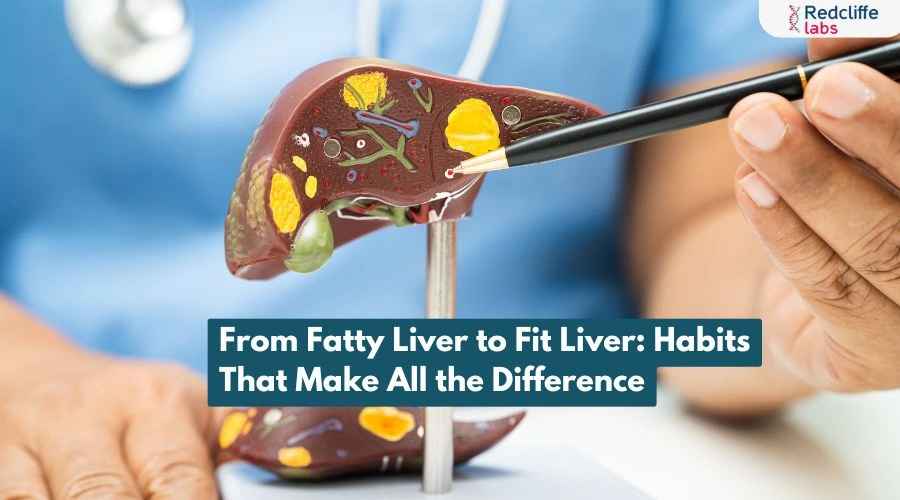
Many people believe that eating some junk food or skipping a workout now and then isn't a big deal. The problem arises when these choices become daily habits. Your liver works quietly for you, but too much sugar and fat can slowly build up in it. This makes it harder for your liver to function, even if you don't notice any changes at first. As a result, early warning signs are often missed. Over time, these habits can cause fatty liver and other serious health issues.
But the thing is, your liver is strong and can heal with the right care. Simple lifestyle changes can help reverse fatty liver and boost your health. In this blog, you'll learn about the causes, symptoms, and daily habits that can really help your liver.
Also Read: Bile Acid Test: What It Is & Why It's Crucial for Your Liver Health
What Is Fatty Liver Disease?
Fatty liver disease happens when there is more fat in your liver than normal. While a little fat is okay, too much can affect how your liver works. There are two main types:
- Non-Alcoholic Fatty Liver Disease (NAFLD):
This happens due to unhealthy lifestyle habits such as eating too much junk food, gaining weight, not exercising regularly, and having an irregular daily routine. It is becoming very common, especially among people who sit for long hours. - Alcoholic Fatty Liver Disease:
This occurs when a person drinks too much alcohol regularly. The liver finds it hard to process alcohol, which leads to fat buildup and slowly affects its ability to function properly.
In the early stages, fatty liver may not cause any symptoms, which is why many people don't realize they have it. But if it is ignored for a long time, it can lead to serious problems like liver damage, scarring (fibrosis), or even a severe condition called cirrhosis.
Why is Fatty Liver Becoming So Common?
Here are the many reasons that are responsible for fatty liver being so common nowadays:
Sedentary Lifestyle: Sitting for long periods and not moving much slows down your metabolism. When you don't burn enough energy, extra calories turn into fat. Over time, this fat can build up in your liver and raise your risk of fatty liver.
Unhealthy Diet: Eating a lot of junk food, sugary drinks, and refined carbs puts extra strain on your liver. Extra sugar turns into fat and gets stored in the liver. Over time, this buildup affects how your liver works and causes more damage.
Obesity and Weight Gain: When you gain weight, especially around your belly, fat levels in your body go up. This makes it easier for fat to build up in your liver. Extra weight also changes how your body handles sugar, which can make things worse.
Poor Sleep Patterns: Not getting enough sleep or going to bed late can disrupt your body's natural balance. It affects hormones that control hunger and metabolism. This can cause weight gain and fat buildup in your liver, worsening liver health over time.
Chronic Stress: Ongoing stress affects your body more than you might think. It releases hormones that increase fat storage and inflammation. This affects your overall health and puts extra strain on your liver, making it harder for your liver to function properly.
Signs Your Liver Might Be Struggling
Fatty liver often shows no early symptoms, but some warning signs include the following:
- If you often feel tired, even after resting, your liver might be having trouble. It may not be processing nutrients or removing toxins well, which can lower your energy and make you feel run-down.
- A mild pain, heaviness, or discomfort on the right side of your stomach can be a sign. This often happens when the liver becomes slightly swollen or inflamed due to fat buildup.
- Gaining weight for no clear reason, especially around your belly, can be linked to fatty liver. It means your metabolism isn't working as it should, making it easier for fat to build up.
- If you often feel bloated, nauseous, or uncomfortable after eating, it could be a sign of liver issues. When the liver doesn't produce enough bile, digestion slows, and your body has a harder time processing food.
Turning Fatty Liver into a Healthy Liver: Habits That Truly Matter
Here are the small habits that can protect your liver from being unhealthy:
1. Eat Smart, Not Less
You don't need to starve yourself to help your liver. Focus on eating better foods. Choose whole grains, fresh fruits, vegetables, and protein-rich foods like dal, eggs, or chicken. Try to cut down on sugar, packaged snacks, and junk food, since these add fat to your liver. You can also add small amounts of healthy fats, such as nuts and seeds. Aim for balance instead of strict rules. When you eat the right foods, your liver gets the support it needs to heal and work well.
2. Move Your Body Daily
Our bodies aren't built to sit all day. Even a little movement can help your liver. Try to get at least 30 minutes of activity, like walking, dancing, or cycling. Adding some light strength training to your routine can also boost your metabolism. If a full workout feels like too much, start with something simple—even a daily walk helps. The more you move, the more fat your body burns, which helps lower fat in your liver and gives you more energy.
3. Prioritize Quality Sleep
Sleep is when your body repairs itself, including your liver. Getting 7–8 hours of good sleep helps your body reset, manage hormones, and improve metabolism. Irregular sleep or late nights disturb this balance and increase fat storage. Try to go to sleep and wake up at the same time every day. Also, avoid screens before bedtime, as they reduce sleep quality. Good sleep is not a luxury; it's essential for keeping your liver healthy and functioning properly.
4. Stay Hydrated
Water plays a big role in keeping your liver healthy. It helps flush out toxins and supports digestion. When you don't drink enough water, your liver has to work harder. Try to drink water regularly throughout the day instead of waiting until you feel thirsty. Also, cut down on sugary drinks like sodas and packaged juices, as they add extra sugar. You can include herbal teas as a healthier option to support your metabolism and hydration.
5. Manage Stress Effectively
It may not seem like stress affects your liver, but it does. When you're stressed, your body releases hormones that can cause more fat to be stored and increase inflammation, which can harm your liver over time. Simple habits like deep breathing, meditation, or taking short breaks at work can help lower stress. Doing things you enjoy, like listening to music or going for a walk, also helps. Keeping your mind calm supports your overall health, including your liver.
6. Maintain a Healthy Weight
Keeping a healthy weight is one of the best ways to improve fatty liver. This doesn't mean you need to try extreme diets. Aim for slow, steady weight loss by eating balanced meals and staying active. Crash diets can actually harm your body and make things worse. Focus on building habits you can maintain. Even tracking little progress can keep you motivated. Over time, these small steps can make a big difference for your liver.
7. Limit Alcohol and Junk Food
Your liver works hard every day, so drinking alcohol and eating junk food puts extra strain on it. Try to drink less alcohol and eat fewer fried, oily, or packaged foods, since these add extra fat and toxins. Choose simple home-cooked meals—they're lighter, healthier, and often easier to make. When you give your liver a break from these habits, it has a better chance of healing and working well again.
Also Read: Liver Parenchymal Disease: Causes, Symptoms, and Treatment
Conclusion
Your liver does a lot for you, even though it doesn't ask for much in return. It filters toxins and helps with digestion, working quietly in the background. But if it gets overloaded, it can start to struggle. Improving your liver health isn't about being perfect; it's about being consistent. Every small step, like eating a healthy meal, taking a walk, or getting enough sleep, helps your liver recover.
Regular health checks are important for staying on track. With Redcliffe Labs' home sample collection, you can get tested easily without leaving your house. Their reports help you understand your health and take action when needed. A healthy liver means a healthier, more energetic you.
FAQs
-
Can fatty liver be reversed completely?
Yes, in most early cases, fatty liver can be reversed completely. The liver has a strong ability to heal itself. With healthy habits such as eating better, exercising regularly, losing excess weight, and avoiding junk food and alcohol, liver fat can be reduced. The key is consistency. The earlier you start, the better and faster the recovery.
-
How long does it take to reverse fatty liver?
There is no fixed timeline, but many people start seeing improvement within a few weeks to a few months. It depends on your lifestyle, diet, and consistency. If you follow healthy habits daily, the fat in the liver gradually reduces. Small, steady changes over time yield better, more lasting results than quick fixes.
-
What are the best habits to cure fatty liver?
The best habits include eating balanced meals, avoiding junk food and sugar, staying physically active, getting enough sleep, and managing stress. Drinking enough water and maintaining a healthy weight also helps. These simple daily habits support your liver in healing itself. You don't need extreme steps—just consistent, healthy choices that you can follow every day.
-
What is the fastest way to reduce fatty liver?
There is no instant fix, but the fastest way is to combine healthy eating with regular exercise. Cutting down sugar, processed food, and alcohol while increasing physical activity helps reduce liver fat quickly. Staying consistent with these habits makes a big difference. Quick results come from daily discipline, not shortcuts or extreme dieting.
-
Is fatty liver a serious condition?
Fatty liver may seem harmless at first because it often shows no symptoms. But if ignored, it can become serious over time. It may lead to inflammation, liver damage, or other health problems. The good part is that it can be managed and even reversed if detected early and treated with the right lifestyle changes.
-
What daily habits improve liver health?
Simple daily habits can make a big difference. Eat healthy food, stay active, drink enough water, and get proper sleep. Avoid too much sugar, junk food, and alcohol. Managing stress also helps. These small, consistent actions support your liver every day and keep it functioning properly without putting extra pressure on it.
-
Which morning routine is best for fatty liver?
Start your day with a glass of water to hydrate your body. Follow it with light activity, such as walking or stretching. Eat a healthy breakfast with fruits, whole grains, and protein. Avoid heavy, oily foods in the morning. A simple, calm routine helps your metabolism and supports your liver from the beginning of the day.
-
Can drinking water help reduce fatty liver?
Yes, drinking enough water supports liver health. It helps flush out toxins and keeps your body functioning smoothly. While water alone won't cure fatty liver, it plays an important role when combined with a healthy lifestyle. Staying hydrated reduces the burden on your liver and helps it work more efficiently throughout the day.
-
Does exercise reverse fatty liver disease?
Exercise plays a big role in reversing fatty liver. It helps burn extra body fat, including fat stored in the liver. Regular physical activity also improves metabolism and overall health. You don't need intense workouts; even simple activities like walking daily can make a noticeable difference when done consistently over time.