Your Weight Hasn’t Changed Much, So Why Is Your Waist Getting Bigger?

Overview
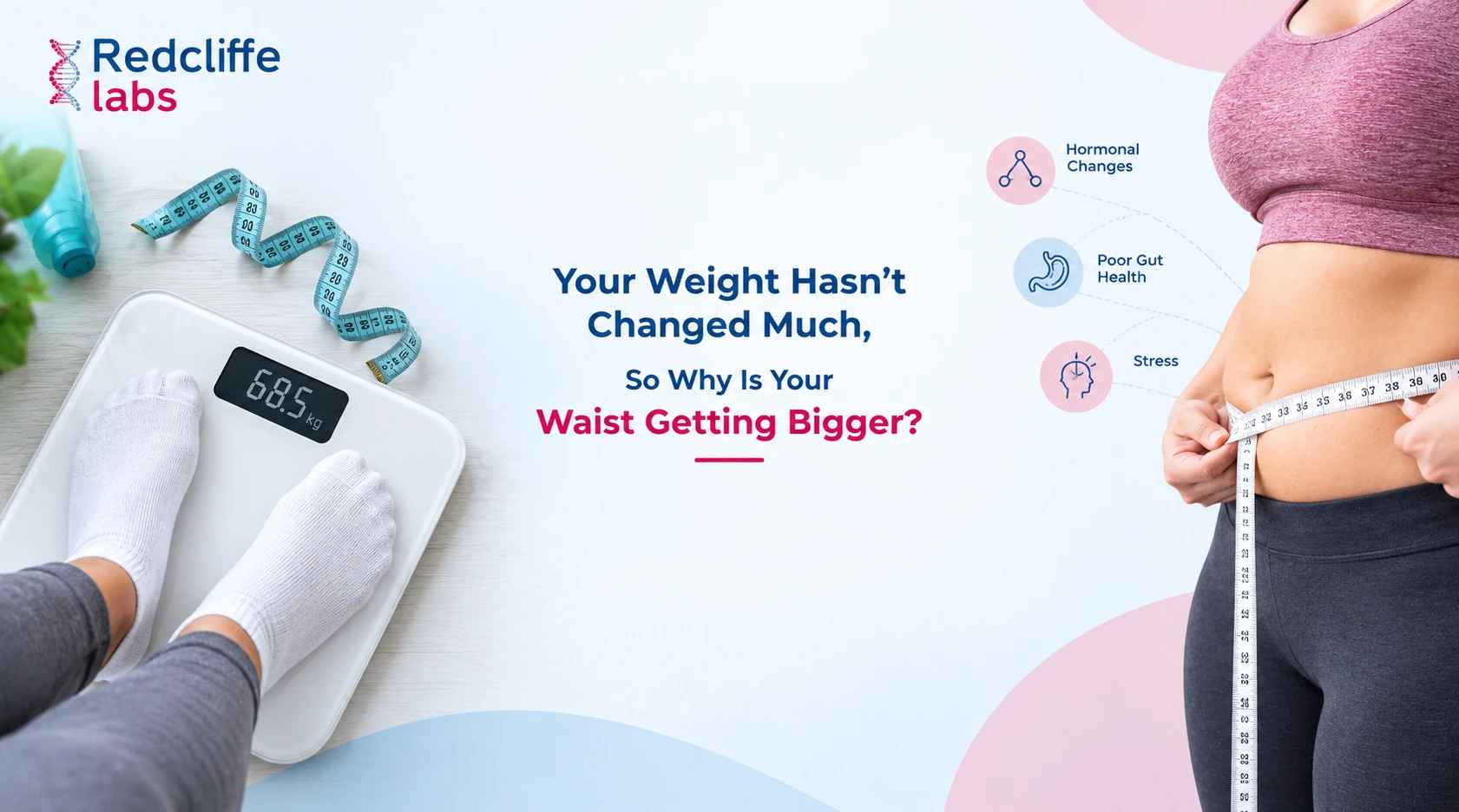
- Your waist can increase even when your body weight stays the same because of changes in body composition, abdominal fat distribution, or bloating.
- Losing muscle while gaining fat can change your body shape without significantly changing your weight.
- Visceral fat, which collects around internal organs, is associated with a higher risk of type 2 diabetes and heart disease.
- Hormonal changes, aging, low physical activity, stress, and inadequate sleep can influence body composition and abdominal fat distribution.
- Measuring your waist alongside your weight can give you a better sense of your health.
- Depending on your symptoms and risk factors, a doctor may recommend blood sugar, cholesterol, or other tests.
Introduction
Have you noticed that your trousers feel tighter around your waist even though the weighing scale shows almost the same number? This can happen when your body composition changes, abdominal fat increases or digestive bloating makes your stomach look fuller. Your weight reflects your total body mass, but it does not tell you how much fat or muscle you have, or where fat is stored. Understanding why your waistline is changing can help you decide whether lifestyle adjustments are enough or whether you should discuss the change with a healthcare professional.
Why is your waist getting bigger without weight gain?
The phrase "waist getting bigger but not gaining weight" describes a situation where your waist circumference increases while your overall body weight stays relatively stable. Several factors may explain this change, and not all of them involve an increase in body fat.
1. You may be gaining fat while losing muscle
Body composition can change over time, even when your weight remains stable. Reduced physical activity, aging, or inadequate strength training can contribute to muscle loss, while excess energy intake may lead to fat accumulation. As a result, you may notice changes in your body shape without a substantial difference on the weighing scale.
However, waist circumference alone cannot confirm whether you have lost muscle or gained fat. Tracking your waist alongside your weight and physical fitness can provide a broader picture of these changes.
2. Visceral fat may be increasing
Visceral fat is stored deep inside the abdomen, around organs such as the liver and intestines. It differs from subcutaneous fat, which lies just beneath the skin.
Visceral fat can increase alongside changes in muscle mass, so your total weight may remain relatively stable. Excess visceral fat is associated with insulin resistance, type 2 diabetes, high blood pressure, and cardiovascular disease.
However, waist circumference cannot tell you exactly how much visceral fat you have. It is a useful screening measure, while a healthcare professional can assess your overall metabolic risk using your medical history, physical measurements, and appropriate tests.
3. Your daily movement may have decreased
Long working hours, prolonged sitting, fewer walks, and reduced exercise can lower your daily energy expenditure. If your eating habits remain unchanged, this may contribute to gradual fat accumulation.
Try incorporating regular walking, taking movement breaks during work, and performing muscle-strengthening exercises into your routine.
4. Hormonal changes and aging may affect fat distribution
Aging can contribute to muscle loss and changes in body composition. Hormonal changes may also influence where the body stores fat.
In women, perimenopause and menopause are associated with a greater tendency to store fat around the abdomen. In men, age-related changes in muscle mass and hormone levels may also influence body composition and fat distribution.
However, a growing waist does not automatically indicate a hormonal problem. Lifestyle habits, medicines and other medical conditions may also contribute.
5. Bloating or constipation may make your stomach look bigger
Sometimes, a larger-looking abdomen is caused by digestive changes rather than fat accumulation.
Gas, constipation, food intolerances, and certain digestive conditions can cause bloating. The abdomen may look flatter in the morning and fuller after meals or later in the day.
If your stomach is growing but your weight stays the same, notice whether the change fluctuates throughout the day or stays consistent. Bloating often changes with meals and bowel movements, while fat accumulation tends to produce a more persistent change in body shape.
If abdominal swelling persists or worsens, especially with pain, unexplained weight loss, loss of appetite, or changes in bowel habits, a healthcare professional should assess it.
6. Stress and poor sleep may contribute
Stress and inadequate sleep can influence appetite, food choices, energy levels, and physical activity. Some people may snack more often, crave energy-dense foods, or struggle to maintain an exercise routine when they feel tired or stressed.
Over time, these patterns may change body composition. Stress and poor sleep aren't necessarily the sole causes of a larger waist, so it is important to consider other possible explanations.
What is the difference between belly fat and bloating?
Although belly fat and bloating can make your abdomen look larger, they are not the same.
|
Feature |
Abdominal fat |
Digestive bloating |
|
How it develops |
Usually builds up gradually |
May develop over hours or days |
|
Appearance |
More persistent change in abdominal shape |
Often fluctuates throughout the day |
|
Common clues |
Waist measurement gradually increases |
Fullness, gas, discomfort or constipation |
|
What may help |
Balanced eating, exercise and strength training |
Identifying digestive triggers and addressing the cause |
|
Medical assessment |
May help evaluate metabolic risk |
May be needed if symptoms persist or worsen |
Both conditions can occur together. These differences are useful clues, not a substitute for medical evaluation.
Is belly fat increasing even when your weight stays the same?
Yes, abdominal fat can increase without a substantial change in total body weight, especially when muscle mass or fat distribution shifts. The phrase "belly fat increase without weight gain" describes one possible explanation, but it shouldn't be assumed to be the cause in every case.
Excess abdominal fat is associated with several metabolic health risks, including:
- Type 2 diabetes: Excess visceral fat is associated with insulin resistance, which can affect blood glucose regulation.
- Heart disease: Excess abdominal fat is associated with an increased risk of cardiovascular disease.
- High blood pressure: Excess abdominal fat is associated with a higher risk of high blood pressure.
- Abnormal cholesterol levels: Excess abdominal fat is associated with unhealthy triglyceride and cholesterol levels.
A growing waist is a reason to review your health, not a diagnosis by itself.
Why a growing waist matters even if your BMI is normal
Body mass index (BMI) estimates weight in relation to height but does not show how much abdominal fat you carry.
For South Asian adults, commonly used waist circumference thresholds associated with increased metabolic risk are:
- Men: 90 cm or more.
- Women: 80 cm or more.
These measurements are screening thresholds, not diagnostic criteria. Your overall risk also depends on factors such as age, family history, blood pressure, blood glucose, and cholesterol.
To measure your waist, stand upright and place a flexible measuring tape horizontally around your abdomen, midway between the bottom of your lowest rib and the top of your hip bone. Keep the tape snug without compressing your skin. Measure after breathing out normally, and use the same measurement method each time you track your waist.
Repeat the measurement under similar conditions and compare results over several weeks. Small differences may occur because of meals, bloating, posture, and tape placement.
Check your BMI and waist circumference.
Your body mass index (BMI) Your BMI and waist circumference provide complementary information about your weight status and potential metabolic health risks. Even if your BMI falls within the recommended range, you may still carry excess abdominal fat.
Your waist measurement, medical history, and other health indicators are also important when assessing your health.
Which tests can help if your waist is getting bigger?
If your waist continues to increase despite stable weight, the appropriate tests depend on your symptoms, medical history and risk factors. No single blood test can explain every change in waist circumference.
1. HbA1c or blood glucose test
An HbA1c test measures your average blood glucose over the past 2 to 3 months. A blood glucose test shows your blood sugar level at the time of testing, depending on the test type.
These tests can help identify prediabetes or diabetes, particularly if you have additional risk factors such as a family history of diabetes or excess abdominal fat.
2. Lipid profile
A lipid profile measures cholesterol and triglycerides in your blood. It helps assess cardiovascular risk, which may be higher in people with excess abdominal fat.
Your doctor can interpret the results alongside your blood pressure, medical history, and other risk factors.
3. Thyroid function tests
Thyroid tests, such as thyroid-stimulating hormone (TSH) and, when indicated, free T4, may be recommended if you have symptoms suggesting a thyroid disorder.
These symptoms may include unusual tiredness, constipation, increased sensitivity to cold or unexplained weight changes. A larger waist alone does not establish that you have a thyroid problem.
4. Additional investigations when needed
If your abdomen is persistently swollen, painful, or growing quickly, your doctor may recommend further evaluation. Depending on the findings, this could include an abdominal examination, imaging, or tests for digestive, liver, or other medical conditions.
In selected cases, a HOMA-IR test may be considered to estimate insulin resistance using fasting blood glucose and fasting insulin levels. It may provide additional information about metabolic health, but it is not routinely required for everyone with an increasing waist circumference and cannot diagnose diabetes on its own.
A body composition assessment may also help selected individuals understand changes in fat and muscle. The need for these investigations depends on your symptoms, medical history, and your healthcare professional's assessment.
How can you reduce abdominal fat and improve body composition?
If excess abdominal fat is contributing to your increasing waist measurement, consistent lifestyle changes can help improve body composition and metabolic health.
Eat balanced meals
Include vegetables, whole fruits, pulses, beans, whole grains, nuts and suitable protein sources in your daily meals. Pay attention to portion sizes, and limit sugary drinks, highly processed snacks, and foods high in added sugar.
Avoid crash diets or extreme restrictions. A balanced, sustainable eating pattern is generally easier to maintain over time.
Stay physically active
Aim for at least 150 minutes of moderate-intensity physical activity each week, as tolerated. Include muscle-strengthening exercises on at least two days a week.
Brisk walking, cycling and other enjoyable activities can help improve fitness. Strength training supports muscle maintenance, which is especially important if inactivity or aging has contributed to changes in body composition.
If you have been inactive for a long time or have an existing medical condition, start gradually and seek medical advice when needed.
Improve sleep and manage stress
Keep a regular sleep schedule and make time to relax. Short walking breaks, breathing exercises, and enjoyable activities may help you manage everyday stress.
These habits support overall health, but they work best alongside balanced eating and regular physical activity.
Track your waist as well as your weight
Measure your waist periodically under similar conditions and monitor changes over time. You can also track physical activity, strength, and relevant health indicators.
Remember that abdominal exercises alone cannot selectively burn belly fat. Overall physical activity, strength training, and sustainable eating habits can improve body composition, although the pattern of change differs from person to person.
When should you seek medical advice?
A gradual change in waist circumference may reflect body composition or lifestyle changes, but unexplained or persistent abdominal enlargement should not be ignored.
Consider a medical assessment if your waist continues to increase without an obvious explanation, particularly if you have a family history of diabetes, high blood pressure or heart disease.
Seek medical advice if abdominal swelling persists or is accompanied by unexplained weight loss, reduced appetite or changes in bowel habits. Severe, sudden abdominal pain or marked swelling with difficulty breathing requires emergency medical attention.
Do not automatically assume that every increase in waist size is caused by fat. The duration of the change, associated symptoms, and your overall health history help determine what needs to be investigated.
Explore Health Testing with Redcliffe Labs
If your waist circumference is increasing despite stable weight, speak with your doctor about assessing your metabolic health. Depending on your risk factors, tests such as HbA1c, blood glucose, or a lipid profile may be recommended. HOMA-IR may be considered in selected cases when clinically indicated.
Book your blood tests with Redcliffe Labs and benefit from convenient home sample collection, subject to location and slot availability.
Get More with 4X Value Benefits
- Smart Reports: Understand your health summaries, scores, and trends.
- Expert-Led Report Consultation: Get guidance on understanding your test results.
- AI Health Assistant: Get support with everyday health-related queries.
- Personalized Improvement Plans: Explore diet and lifestyle recommendations aligned with your health goals.
Conclusion
Your weight is only one measure of health. Changes in body composition, visceral fat, muscle mass, digestive bloating, and hormonal patterns can affect your waistline without causing a major change on the scale. If you notice your waist getting bigger but not gaining weight, track your waist circumference over time and consider a medical assessment if the change persists. Depending on your risk factors, tests such as HbA1c and a lipid profile may help assess your metabolic health. Balanced meals, regular physical activity, strength training, and adequate sleep can support healthier body composition over time.
FAQs
Can certain medicines increase waist size?
Yes. Some medicines can affect appetite, fluid retention, or body fat distribution, which can change body shape over time. The effect depends on the medicine and the individual. If you notice changes after starting a medicine, discuss them with your healthcare professional. Do not stop or change a prescribed medicine without medical advice.
Can posture make your stomach look bigger?
Yes. Posture can change how your abdomen looks, even without changes in body fat or weight. For example, your pelvis position and how you hold your torso can affect your abdominal profile. However, a persistent increase in waist circumference should not automatically be attributed to posture.
Do I need a scan to find out how much visceral fat I have?
Not necessarily. Waist circumference can help screen for health risks related to abdominal fat, but it cannot measure visceral fat precisely. Imaging techniques such as CT or MRI can assess visceral fat, but they are not routinely needed just because your waist has increased. A healthcare professional can determine whether further assessment is appropriate.
Can my waist size change even if I follow the same diet and exercise routine?
Yes. Age-related changes in muscle mass, hormonal changes, changes in daily movement, certain medicines, and digestive issues can influence your waistline. Food portions and activity levels may also change gradually without being obvious. If the increase persists or has no clear explanation, talk to a healthcare professional.
Can water retention make your waist look bigger?
Yes. Fluid retention can sometimes cause abdominal bloating or swelling and may also affect body weight. Hormonal fluctuations, certain medicines, and some medical conditions can contribute to fluid retention. Persistent or worsening abdominal swelling, especially with pain, shortness of breath, reduced appetite, or unexplained weight loss, warrants medical assessment. Sudden severe abdominal pain or swelling with difficulty breathing requires emergency medical attention.