Rising Heart Disease Risk in Your 30s: Causes, Warning Signs & Prevention Guide

Medically Reviewed By
admin
Written By Kirti Saxena
on Apr 11, 2026
Last Edit Made By Kirti Saxena
on Apr 11, 2026
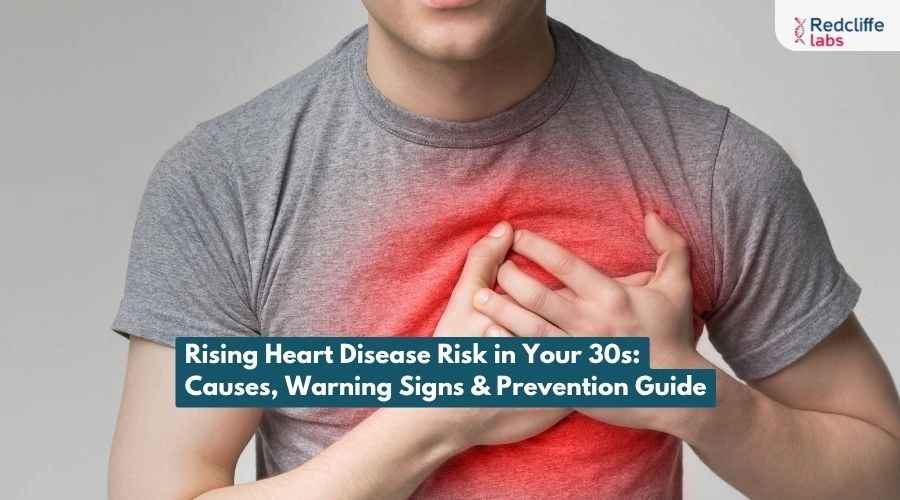
Your 30s are the most productive years of your life. But modern lifestyle habits, stress, poor diet, lack of sleep, and inactivity are silently putting your heart at risk.
A recent study highlights an important difference in how heart disease risk develops between men and women.
Researchers found that men reach a 5% risk of cardiovascular disease nearly seven years earlier than women, indicating that men tend to face heart-related risks much sooner in life.
You might think heart disease is something to worry about in your 50s or 60s, but that's no longer true. In India, heart disease is rising sharply among young adults.
Studies show that nearly 1 in 4 heart attacks now occur in people under 40. Even in most cases, it happens without prior warning. The problem is that heart damage can start silently, without any visible signs. By this time, the symptoms appear, and the condition has already become serious.
The good news? Most heart problems are preventable if you understand their causes, spot early signs, and act promptly.
In this blog, we'll explore the common signs of heart problems, key contributing factors, and diagnostic tests that can aid early detection.
Why Are Heart Problems Rising in Young Adults?
Heart disease is no longer just about age—it's about lifestyle. Here are the major reasons why people in their 30s are increasingly affected:
Sedentary Lifestyle
Most working professionals spend 8–10 hours a day sitting, especially in desk jobs. Studies show that prolonged sitting increases the risk of cardiovascular disease by up to 147%.
- Physical inactivity reduces calorie burning and slows metabolism
- It leads to fat accumulation, especially around the abdomen
- Poor movement affects blood circulation and insulin sensitivity
- It contributes to high cholesterol, high blood sugar levels, weight gain, and reduced heart efficiency.
Unhealthy Eating Habits
Modern diets include highly processed and fast foods, which negatively impact your heart health. The World Health Organization links high salt intake directly to hypertension, which is a leading factor in developing heart disease.
Common dietary issues:
- Trans fats increase LDL (bad cholesterol)
- Refined carbs spike blood sugar levels
- Low fiber intake affects cholesterol control
- Excess salt raises blood pressure
Over time, these habits cause plaque buildup in the arteries, reduced blood flow, and an increased risk of heart attack.
Chronic Stress
Chronic stress has a direct physiological impact on the heart. Long-term stress contributes to endothelial dysfunction (damage to the blood vessel lining), which increases cardiovascular risk.
When the body is under stress:
- It releases cortisol and adrenaline
- Heart rate and blood pressure increase
- Inflammatory markers rise
This results in a higher risk of hypertension, increased chances of heart attack, and poor recovery and healing.
Poor Sleep Patterns
Sleep plays a critical role in heart health. According to the CDC, insufficient sleep is linked to a higher risk of heart disease, stroke, and hypertension.
Sleeping less than 6 hours per night can:
Increase blood pressure
- Disrupt hormones like cortisol and insulin
- Raise the risk of obesity and diabetes
- Late-night screen exposure further disrupts circadian rhythm and reduces sleep quality.
- Smoking and Alcohol Consumption
Both smoking and alcohol have a direct toxic effect on the cardiovascular system. The American Heart Association states that excessive alcohol intake is a major contributor to hypertension and heart disease.
Smoking damages blood vessel walls, reduces the body's oxygen supply, and promotes plaque buildup. Even occasional smoking increases cardiovascular risk.
Alcohol may also raise blood pressure, increase triglyceride levels, and contribute to weight gain.
Why Are So Many Young Adults Dying of Heart Attacks?
The answer is simple- lifestyle factors are contributing to heart attacks. Here are some other reasons:
- Late Diagnosis: Youngsters in their 30s often ignore early warning signs such as fatigue, chest discomfort, or breathlessness. They assume they are "too young" for heart problems, which delays diagnosis and treatment until it becomes serious.
- Silent Risk Factors: Conditions such as high cholesterol and high blood pressure often show no symptoms. A person may feel completely normal while damage quietly builds in the arteries, increasing the risk of a sudden heart attack.
- High Stress + Poor Lifestyle: Chronic stress combined with unhealthy habits such as poor diet, lack of exercise, smoking, or alcohol may lead to an increased risk of heart disease. It may lead to high blood pressure, inflammation, and plaque buildup.
- Lack of Preventive Testing: Young adults do not undergo regular health checkups, increasing their risk. Without basic tests such as a lipid profile or blood sugar test, risk factors remain undetected, and the first sign may be a serious cardiac event.
- Genetic Risk: If you have a family history of cardiovascular diseases, then your risk increases too. In such cases, early screening and lifestyle management become even more important.
Heart Screening Everyone Should Take
Preventive health checkups can save your life. Here are essential tests you should consider:
- Lipid Profile Test: The test measures cholesterol levels (LDL, HDL, and triglycerides) in the blood to assess the risk of heart disease and arterial blockage.
- NT Pro BNP: This heart test detects heart strain or heart failure by measuring a hormone released when the heart is under pressure.
- High Sensitivity Troponin I Test: This test helps identify even minor heart muscle damage and supports early detection of heart attacks.
- Blood Sugar Tests (Fasting & HbA1c): Fasting glucose test measures the current sugar levels, while the HbA1c test measures the blood sugar over the past 2–3 months.
- hs-CRP Test: This test measures low levels of inflammation in the body, which can indicate a higher risk of heart disease.
- Thyroid Profile Test: The Thyroid profile test evaluates thyroid hormone levels, as imbalances can affect heart rate, metabolism, and cholesterol levels.
- ECG (Electrocardiogram): It records the heart's electrical activity to detect irregular rhythms, heart damage, or other abnormalities.
- Blood Pressure Monitoring: This test checks the force of blood against artery walls to detect hypertension, a major risk factor for heart disease.
- Cardiac Profile – Essential: This package includes heart-related tests that assess cholesterol, inflammation, and cardiac risk markers.
- Advanced Cardiovascular Check: This package includes multiple tests, such as Lipid, thyroid, LFT, HbA1c, and Troponin I, to detect early heart disease, risk factors, and overall cardiac health.
If you do not have time for a health checkup, you can schedule a home sample collection with Redcliffe Labs. The professionals here will come to your doorstep to collect your sample, and you will get reports online within 24 hours. You need to download the Redcliffe Labs app or give us a call to book your appointment. Book your test early to know your heart health.
Read more: Blood Tests for Heart: Detect & Prevent Heart Diseases
Signs of Heart Problems in Young Adults
Heart problems in young adults often show subtle and easily ignored symptoms. Understanding these signs can help in early detection and timely care. Common Warning Signs:
- Chest discomfort or tightness: If you feel pressure, heaviness, or pain in the chest, it may indicate reduced blood flow to the heart.
- Shortness of breath: Difficulty breathing during normal activities or even at rest may indicate that your heart is not pumping efficiently.
- Unusual fatigue: Feeling tired without a clear cause, even after rest, can be an early sign that the heart is under stress.
- Rapid or irregular heartbeat (palpitations): A racing, fluttering, or skipped heartbeat may indicate a rhythm problem.
- Dizziness or fainting: Reduced blood flow to the brain due to heart problems can cause lightheadedness or sudden fainting.
- Pain in arms, neck, jaw, or back: Heart-related pain does not always stay in the chest. It can radiate to other parts of the body.
- Sweating without reason: If you are experiencing cold sweats, especially when not related to heat or exercise, it can be a warning sign of heart stress.
If you have even mild or occasional symptoms, do not ignore them; get verified by taking regular ps health checks, as they may indicate serious underlying conditions.
Read here: Heart Attack Symptoms Vary For Men And Women: Here’s How
Simple Ways to Protect Your Heart
Heart health depends largely on daily habits. Small, consistent changes can significantly reduce your risk.
Balanced Diet
A healthy diet supports heart function and prevents plaque buildup in arteries.
What You Should Eat
- Whole grains (like oats, brown rice, and whole wheat): These foods help reduce bad cholesterol (LDL) and improve digestion.
- Fruits and vegetables: They are rich in antioxidants and fibre that protect blood vessels and reduce inflammation.
- Lean proteins (like chicken, fish, and lentils): These food items help build muscle strength, including the heart, without adding excess fat.
- Healthy fats (nuts, seeds, fish like salmon): These contain omega-3 fatty acids, which help lower triglycerides and support heart function.
What You Should Avoid
- Fried foods: They increase bad cholesterol and contribute to artery blockage.
- Processed snacks (chips, packaged foods): They contain trans fats and high salt, which raise blood pressure and harm heart health.
- Sugary drinks (soft drinks, sweetened juices): They may spike your blood sugar levels and increase triglycerides, raising heart disease risk.
Also Read: Heart-Healthy Food: 10+ foods that improve your cardiac health
Make a Routine for Physical Workout
Regular physical activity keeps your heart strong and improves circulation.
- Aim for at least 30 minutes daily: You do not need intense workouts. Choose simple activities like walking, cycling, jogging, practising yoga, or gym workouts to improve heart function and stamina.
- Reduce long sitting hours: Sitting for long periods slows circulation. Take short breaks every 30–60 minutes to stand, stretch, or walk.
Even small actions, like using stairs or taking short walks, make a difference.
Take Charge of Your Mental Health
Mental health directly affects heart health.
- Practice meditation or deep breathing: Meditation techniques and calming exercises can calm the mind and reduce stress hormones.
- Limit excessive screen time: Too much screen time can disturb your sleep cycle and increase stress levels
Sleep Well
Sleep is essential for recovery because it helps your body repair itself and regulate vital functions such as heart rate and blood pressure.
- Aim for 7–8 hours of sleep daily: Make a bedtime routine to improve your body’s internal clock.
- Avoid screens before bedtime: Blue light from screens disrupts sleep quality and delays sleep onset.
Poor sleep increases the risk of high blood pressure, obesity, diabetes, and heart disease.
Also read: Do You Know Your Sleep Cycle Can Affect Your Heart Health?
Avoid Poor Habits
Unhealthy habits can quickly damage heart health.
- Quit smoking: Smoking damages blood vessels, reduces oxygen supply, and accelerates plaque buildup.
- Limit alcohol intake: Consuming too much alcohol raises blood pressure and adds unnecessary calories.
- Stay hydrated: Drink 4 L of water daily to support blood circulation and help maintain normal heart function.
Your Heart Needs Attention Now, Not Later
Heart disease in your 30s is real, but it can be prevented with regular health checkups. The choice is yours. If you ignore the early signs or delay care, it may lead to serious consequences. But if you choose healthy, you can shape your future health.
So start taking small but consistent steps to protect your heart for years to come. Start today. Eat better, stay active, manage your stress, and go for regular health checkups. Your heart works for you every second, without a break. It’s time you give it the care, attention, and priority it truly deserves.
FAQs
Can people in their 30s get heart disease?
Yes, people in their 30s can develop heart disease. Unhealthy lifestyle habits like stress, poor diet, lack of exercise, and smoking increase the risk. Get regular heart screening, and follow healthy habits to prevent serious heart problems.
What are the first signs of a weak heart?
Early signs of a weak heart include fatigue, shortness of breath, chest discomfort, swelling in the legs, and irregular heartbeat. Get tested early to detect the problem and prevent complications.
At what age do heart problems usually start?
Heart problems can start as early as the 30s due to lifestyle factors and genetic risk. Therefore, get tested regularly and adopt healthy habits to detect problems early and reduce the risk of serious complications later.
Which test is best for heart disease detection?
No single test can detect all heart problems. Doctors recommend a combination of tests, including lipid profile, blood sugar, ECG, NT-proBNP, and hs-CRP, to assess heart health. You can also take full-body health checkups and Cardiac Risk Markers from Redcliffe Labs for early detection and prevention.
Is stress a major cause of heart disease in your 30s?
Yes, stress is a major cause of heart disease in young adults. It increases blood pressure and heart rate, promotes inflammation, damages blood vessels, and raises the risk of heart problems.