Typhoid Treatment at Home: What You Can Do for Faster Recovery

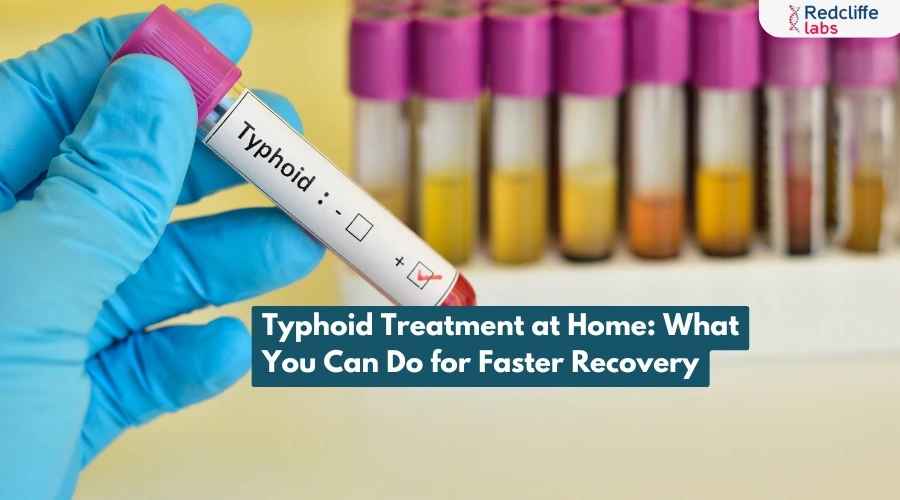
You might feel healthy one day, then suddenly a positive typhoid test changes everything. High fever, headaches, weakness, and stomach problems can make daily tasks hard. If your case is mild, you can recover at home by taking your medicine on time, getting plenty of rest, eating light, healthy foods, drinking enough fluids, and maintaining good hygiene.
This blog will show you how to safely manage typhoid at home. You'll find simple tips for recovery, learn which foods to eat or avoid, how to stay hydrated, and easy home-care steps. You'll also get practical advice to help you recover faster and lower your risk of problems.
What Is Typhoid Fever?
Typhoid fever is a serious infection caused by Salmonella Typhi bacteria. It often spreads through contaminated food or unsafe water and sometimes through close contact with someone who is infected. The bacteria primarily affect your digestive system but can enter your bloodstream and make you much sicker if left untreated.
Typhoid remains prevalent in countries like India, where poor sanitation and unsafe water raise the risk of infection. Unlike those of regular fevers, typhoid symptoms start slowly and worsen over time. Getting the right diagnosis, starting treatment quickly, resting well, and staying hydrated are all important for a safe and quick recovery from Typhoid.
Why Is Clinical Treatment Important Before Home Remedies for Typhoid?
Taking care of yourself at home can help you feel better, but it does not replace medical treatment. Typhoid is a bacterial infection that requires treatment with antibiotics prescribed by a doctor. Without proper treatment, it can lead to serious problems.
Complete Your Antibiotic Course
Even if your fever goes down and you start to feel better, the bacteria might still be in your body. Stopping antibiotics too soon can let the infection come back. Always finish your full course of antibiotics as your doctor tells you. This also helps prevent antibiotic resistance and keeps these medicines working well.
Avoid Self-Medication
Don't use leftover antibiotics or medicines meant for someone else. They might not work for typhoid and could make things worse. Also, avoid taking painkillers or fever reducers unless your doctor says it's okay, since they can hide symptoms or upset your stomach. If you have questions about any medicine or supplement, ask your doctor first. Following your doctor's advice is the safest and fastest way to recover from typhoid.
How Can Proper Hydration Help You Recover from Typhoid Faster?
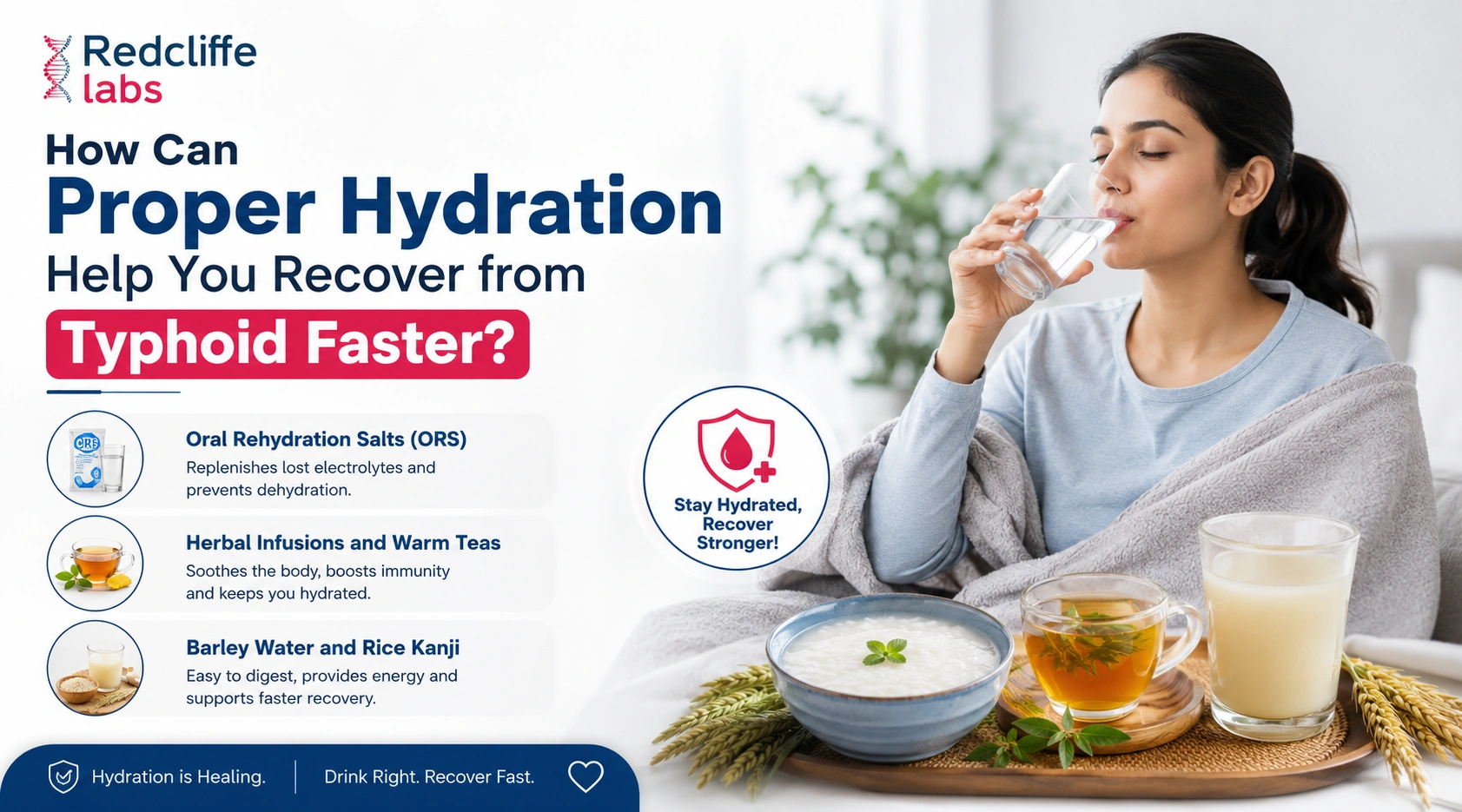
Typhoid often causes long-lasting high fevers, along with sweating, diarrhea, or vomiting. These can quickly lead to dehydration. When you lose too many fluids, your blood volume drops, your heart has to work harder, and you may feel even weaker and more tired.
-
Oral Rehydration Salts (ORS)
ORS is one of the best drinks to have during typhoid because it quickly replaces the fluids and minerals you lose from fever, sweating, vomiting, or diarrhea. It has the right mix of water, sugar, and salt to help your body absorb fluids more effectively. Drinking ORS often can prevent dehydration, boost your energy, reduce weakness and dizziness, and help you recover faster.
-
Herbal infusions and warm teas
Warm herbal drinks like ginger, chamomile, or mint tea can be a comforting choice during typhoid recovery. They may help soothe an upset stomach, reduce nausea, ease mild cramps, and relieve bloating. Their gentle warmth can also help you feel relaxed if you have chills or body aches. Since they are easy to sip, they also help you stay hydrated, which supports your body's natural healing process.
-
Barley Water and Rice Kanji
Barley water and rice kanji are good drinks to have while recovering from typhoid. They are light, easy to digest, and give you energy without upsetting your stomach. The natural starch in these drinks can soothe your stomach and reduce irritation. Rice kanji may also help firm up loose stools and replace lost fluids. Drinking them often keeps you hydrated and nourished, which helps you recover more smoothly.
How Can the Right Diet Speed Up Typhoid Recovery?
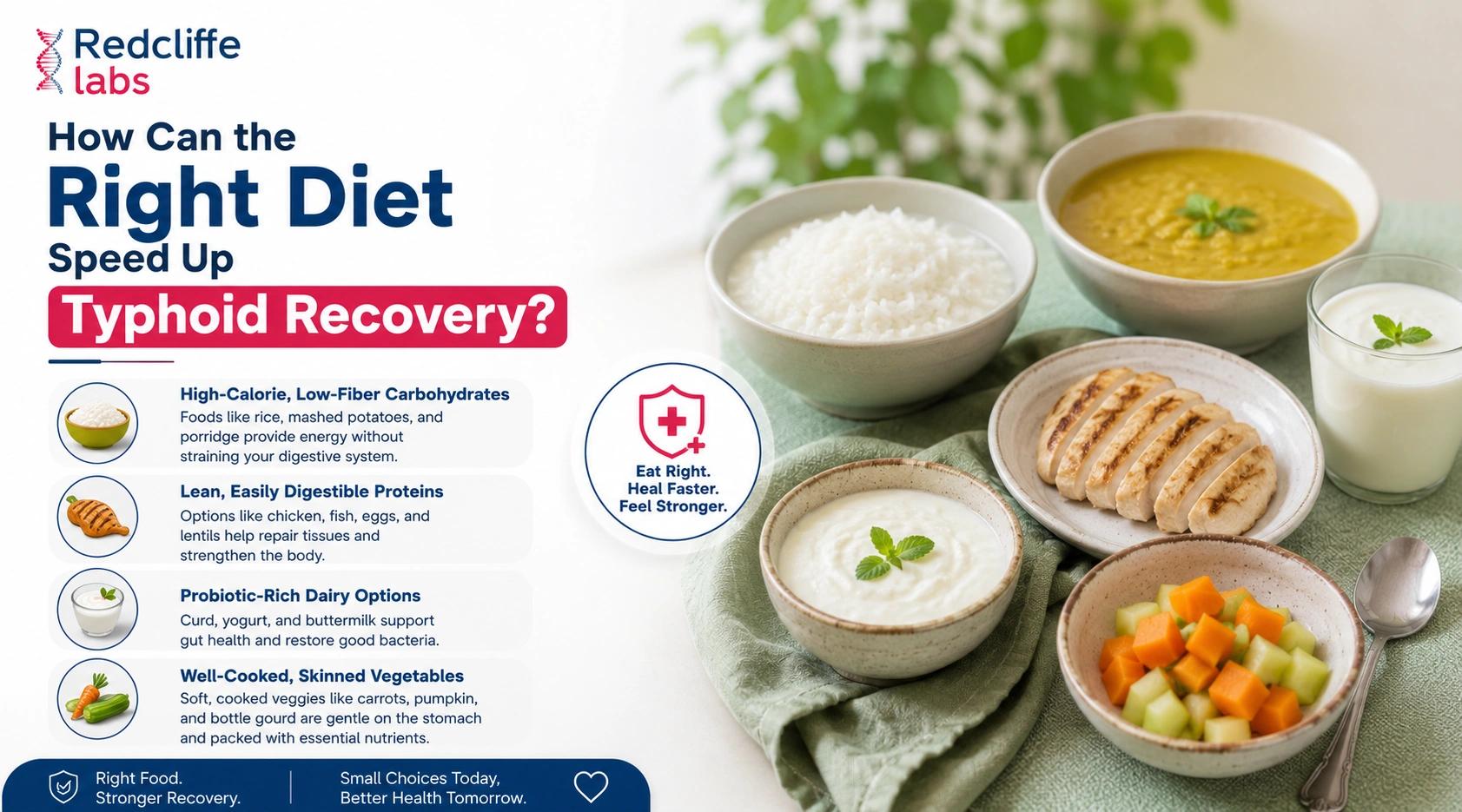
When you have typhoid, your digestive system is weak and sensitive because the infection affects your intestines. Eating spicy, oily, or hard-to-digest foods can worsen stomach pain, bloating, and discomfort. Focus on soft, easy-to-digest, and nutritious foods. A simple diet can calm your stomach, give you energy, and help you recover faster.
High-Calorie, Low-Fiber Carbohydrates
Your body needs more energy to fight typhoid and get better. Eating high-calorie, low-fiber foods gives you energy without stressing your stomach. These foods are easy to digest and less likely to irritate. Good vegetarian options are plain white rice, soft khichdi, suji upma, poha, mashed potatoes, rice porridge (kanji), idli, and plain toast. Try eating small meals several times a day instead of big ones.
Lean, Easily Digestible Proteins
Protein helps your body heal, keeps your immune system strong, and stops muscle loss while you're sick. Pick soft, easy-to-digest vegetarian proteins that are gentle on your stomach. Good choices are moong dal khichdi, plain moong dal, soft paneer, fresh curd, tofu, well-cooked lentils, and plain dal soup. Stay away from spicy or fried protein foods until you're fully better.
Probiotic-Rich Dairy Options
Antibiotics for typhoid can lower the good bacteria in your gut. Eating probiotic-rich dairy foods can help restore these healthy bacteria, improve digestion, and enhance nutrient absorption. They can also calm your stomach while you recover. Add fresh curd (dahi), plain yogurt, homemade buttermilk (chaas), and unsweetened probiotic yogurt to your meals. Avoid flavored or sugary dairy products, as they might upset your stomach.
Well-Cooked, Skinned Vegetables
Vegetables provide important vitamins and minerals that support your immune system and healing. During typhoid, choose soft, well-cooked, and peeled vegetables for easier digestion. Good vegetarian options are boiled carrots, bottle gourd (lauki), pumpkin, peeled potatoes, ridge gourd (turai), and well-cooked spinach. Don't eat raw salads or uncooked vegetables until you're fully recovered.
Also Read: Typhoid Diet Chart: Food to Eat and Avoid
What Foods Should You Avoid During Typhoid?
When you're getting better from typhoid at home, it's just as important to avoid certain foods as it is to eat the right ones. Some foods can upset your stomach, slow healing, and worsen your symptoms. Spicy and Oily Foods: Avoid spicy curries, fried snacks, and oily meals. These foods can irritate your stomach and intestines, increase stomach pain, and make digestion difficult.
- Raw Vegetables and Unpeeled Fruits: Avoid raw salads and unpeeled fruits. They may carry germs and are harder to digest. Instead, eat peeled fruits and well-cooked vegetables.
- Gas-Producing Foods: Foods like cabbage, cauliflower, onions, beans, and fizzy drinks can cause gas, bloating, and stomach discomfort. It is best to avoid them until you recover.
- Coffee, Tea, and Sugary Soft Drinks: Caffeine and sugar can worsen dehydration and may upset your stomach. Drink plenty of water, ORS, fresh coconut water, or homemade soups instead to stay hydrated.
What are the comforting Home Remedies for symptom management?
Home remedies can't cure typhoid or replace antibiotics, but they can help you feel more comfortable as you recover. Along with your prescribed medicines, simple remedies may lower your fever, ease headaches, calm your stomach, and help you relax. Only use these remedies if your doctor says it's okay, and stop if they make you feel worse.
Cold Compresses
A cold compress is an easy way to lower a fever and feel better. Dip a clean cloth in cool or lukewarm water, wring it out, and put it on your forehead, neck, or wrists. Don't use ice-cold water, since it can make you shiver and raise your temperature. A cold compress can also help with headaches and help you relax during a fever.
Garlic Infusions
Garlic has natural compounds that might help your immune system as your body fights infection. You can add a little crushed garlic to soup or boil it in water before using it. Don't eat large amounts of raw garlic, as it can upset your stomach. Remember, garlic is just a supportive home remedy and should never replace antibiotics or other medicines your doctor gives you.
Apple Cider Vinegar (ACV)
Some people use diluted apple cider vinegar to help calm an upset stomach. If your doctor says it's okay, mix one teaspoon of apple cider vinegar in a glass of warm water. Never drink it straight, as it can irritate your throat and stomach. While it might give some comfort, there isn't much scientific proof that it helps with typhoid, so always follow your doctor's treatment first.
How Can You Stop Typhoid from Spreading at Home?
Salmonella Typhi spreads easily through body fluids and waste, so it's important to follow strict hygiene at home to keep your family from getting infected.
Dedicated Isolation and Bathroom
If you can, have the person with typhoid stay in a separate room and use a different bathroom. This lowers the risk of spreading the infection to others. Clean the bathroom, door handles, taps, and other surfaces people touch often with disinfectant every day. Keeping the patient in one area also helps keep things cleaner and protects everyone at home.
Rigorous Handwashing Technique
Washing hands thoroughly is one of the best ways to prevent the spread of typhoid. The patient and anyone caring for them should wash their hands with soap and clean water for at least 20 seconds, especially after using the toilet, changing clothes or bedding, and before making or eating food. Good handwashing keeps both the patient and family members safe from infection.
Separate Dining Utensils
The person with typhoid should use their own plates, bowls, glasses, spoons, and forks until they are fully better. Wash these dishes separately with hot water and dish soap after each meal. Keep them apart from other family utensils to lower the risk of spreading germs. This simple step can help keep everyone at home safe.
Safe Water and Food Handling
Always drink boiled or filtered water while recovering from typhoid to avoid getting sick again. Cook all meals thoroughly and serve them hot and fresh. Stay away from raw or uncovered food. The person with typhoid should not cook for others until the doctor says they are fully recovered. These easy steps help stop typhoid from spreading at home.
Also Read: How long does the typhoid test take?
When Should You See a Doctor During Typhoid Recovery?
Most people recover from typhoid with the right antibiotics, plenty of rest, and good home care. But some symptoms mean you need to see a doctor right away. Call your doctor if your fever stays above 103°F (39.4°C) even after taking medicine or if you have bad stomach pain, swelling, or bleeding. Get medical help if you can't keep down water or medicine because of nonstop vomiting or if you feel very weak, confused, or have trouble waking up. Getting help quickly can prevent serious problems and help you recover safely.
Conclusion
Getting over typhoid takes time, so be patient with your recovery. Even after your fever is gone, your body still needs rest, healthy food, lots of fluids, and all your medicine to heal fully. Listen to your doctor, eat light and healthy meals, and keep an eye out for any warning signs. If you feel worse, get medical help right away.
If you have symptoms like high fever, weakness, or stomach pain, or think you might have typhoid, getting tested early is the best way to start treatment. With Redcliffe Labs, you can book the Typhoid (Typhidot) Test IgM, which offers easy home sample collection, accurate reports, and quick results. Early diagnosis helps you start treatment sooner and recover with confidence.
FAQs
1. Can typhoid be treated at home?
Yes, mild typhoid can be managed at home, but only with the medicines prescribed by your doctor. Home care, such as getting enough rest, staying hydrated, eating a healthy diet, and maintaining good hygiene, helps speed up recovery. However, home remedies cannot cure typhoid on their own. Always complete your full course of antibiotics.
2. What is the fastest way to recover from typhoid at home?
The fastest way to recover is to take your antibiotics as prescribed, get plenty of rest, drink enough fluids, and eat soft, nutritious foods. Avoid spicy and oily meals, stay hydrated with water or ORS, and do not skip your medicines. Following your doctor's advice is the key to a safe recovery.
3. What foods should you eat during typhoid recovery?
Choose foods that are soft, easy to digest, and rich in nutrients. Good options include khichdi, rice, dal, curd, yogurt, boiled potatoes, vegetable soup, porridge, bananas, applesauce, and well-cooked vegetables. Eating small meals several times a day can help your body recover without putting pressure on your stomach.
4. What foods should be avoided during typhoid?
Avoid spicy, oily, fried, and highly processed foods during typhoid recovery. Stay away from raw vegetables, unpeeled fruits, fizzy drinks, alcohol, and too much caffeine. These foods can irritate your digestive system and slow healing. Choose freshly cooked, light, and easy-to-digest meals instead.
5. How long does it take to recover from typhoid?
Most people start feeling better within a few days after starting antibiotics. However, complete recovery usually takes around 2 to 4 weeks, depending on the severity of the infection. Continue taking your medicines, eat healthy foods, and get enough rest, even if you start feeling better early.
6. Can I recover from typhoid without antibiotics?
No. Typhoid is a bacterial infection that usually requires antibiotics for proper treatment. Home remedies may help reduce symptoms, but they cannot kill the bacteria causing the infection. Without antibiotics, typhoid can lead to serious complications. Always seek medical advice if you suspect you have typhoid.
7. Is bed rest necessary for typhoid recovery?
Yes. Bed rest is an important part of recovery from typhoid. Your body needs time and energy to fight the infection and heal. Rest also helps reduce tiredness and lowers the risk of complications. Avoid heavy physical activities until your doctor says it is safe to return to your normal routine.
8. How much water should a typhoid patient drink?
A person with typhoid should drink plenty of fluids to prevent dehydration, especially if they have fever, vomiting, or diarrhea. Water, ORS, coconut water, soups, and fresh fruit juices can help. The exact amount depends on your condition, so follow your doctor's advice and drink fluids regularly throughout the day.
9. Which fruits are good for typhoid patients?
Soft, ripe, and easy-to-digest fruits are the best choice during typhoid recovery. Bananas, peeled apples, papaya, watermelon, muskmelon, and ripe pears are good options. Wash fruits thoroughly, peel them before eating, and avoid sour or unwashed fruits until your digestive system strengthens.
10. Can I drink milk during typhoid?
Yes, you can drink milk if it suits your stomach and your doctor has not advised against it. Warm milk, plain yogurt, and curd can provide protein and nutrients. However, if milk causes bloating or stomach discomfort, choose curd or buttermilk instead, as they are often easier to digest.