Understanding Low Potassium Symptoms: A Complete Guide to Hypokalemia

Imagine waking up in the middle of the night with a sharp, gripping cramp in your calf muscles that forces you to massage it for relief. Alternatively, you may experience unusual fatigue that refuses to go away despite how much rest you get. The question you may ask yourself, then, is whether you are simply too tired or whether your body is indicating some form of nutritional imbalance. Such signs can indicate an electrolyte imbalance, particularly low blood potassium levels. In this guide, you will learn how to identify low-potassium symptoms, why this mineral is important in your everyday life, and how to regain your natural balance.
What Does Low Potassium Mean?
Potassium is a crucial electrolyte, an element that carries an electric charge in your body. Potassium works alongside sodium to maintain your body's fluid balance, support muscle contractions, transmit nerve signals, and help keep your heart beating normally. According to medical experts, potassium is crucial in keeping your heart and kidneys healthy.
Normal Potassium Range vs Hypokalemia
Doctors measure potassium levels through a blood test, and the results are reported in mEq/L.
|
Normal Range |
3.5 to 5.0 milliequivalents per liter (mEq/L) of blood |
|
Mild hypokalemia |
3.0 to 3.4 mEq/L |
|
Moderate hypokalemia: |
2.5 to 2.9 mEq/L |
|
Severe hypokalemia |
Below 2.5 mEq/L |
For Adults
In healthy adults, levels between 3.5 and 5.0 mEq/L are considered optimal. Most laboratories will flag anything below 3.5 mEq/L as low.
For Children
Normal potassium ranges in children vary slightly by age. Infants and younger children may have slightly different reference ranges, and a pediatrician should always interpret results in that context.
Common Causes of Low Potassium
Low potassium rarely happens simply because you skipped eating potassium-rich foods. According to medical experts, it develops when your body loses too much potassium due to vomiting or other underlying medical conditions.
Other contributing causes include:
Poor dietary intake: Inadequate intake of potassium-rich foods may contribute to hypokalemia, particularly when other factors are present.
Chronic kidney disease: Certain kidney conditions cause excessive potassium loss through urine, leading to hypokalemia.
Excessive alcohol consumption: Drinking too much alcohol impairs the body's ability to absorb and retain nutrients.
Gastrointestinal losses: If you suffer from prolonged episodes of diarrhea or severe vomiting and/or take laxatives frequently, this will result in a loss of your bodily fluids and electrolytes.
Excessive sweating: Excessive sweating due to rigorous, prolonged physical activity and even fever leads to mineral loss.
Certain medications: Insufficient dietary intake of fruits and vegetables may aggravate fluid loss.
Magnesium deficiency: Low magnesium levels make it difficult for the body to retain potassium, leading to persistent potassium loss.
Diuretic medications ("water pills"): These drugs, which are usually used to treat hypertension, encourage your kidneys to excrete more water and sodium; however, in the process, potassium is also lost.
Hormonal disorders: Conditions such as hyperaldosteronism can cause the kidneys to remove excessive potassium from the body.
Also read:
Recognizing Low Potassium Symptoms
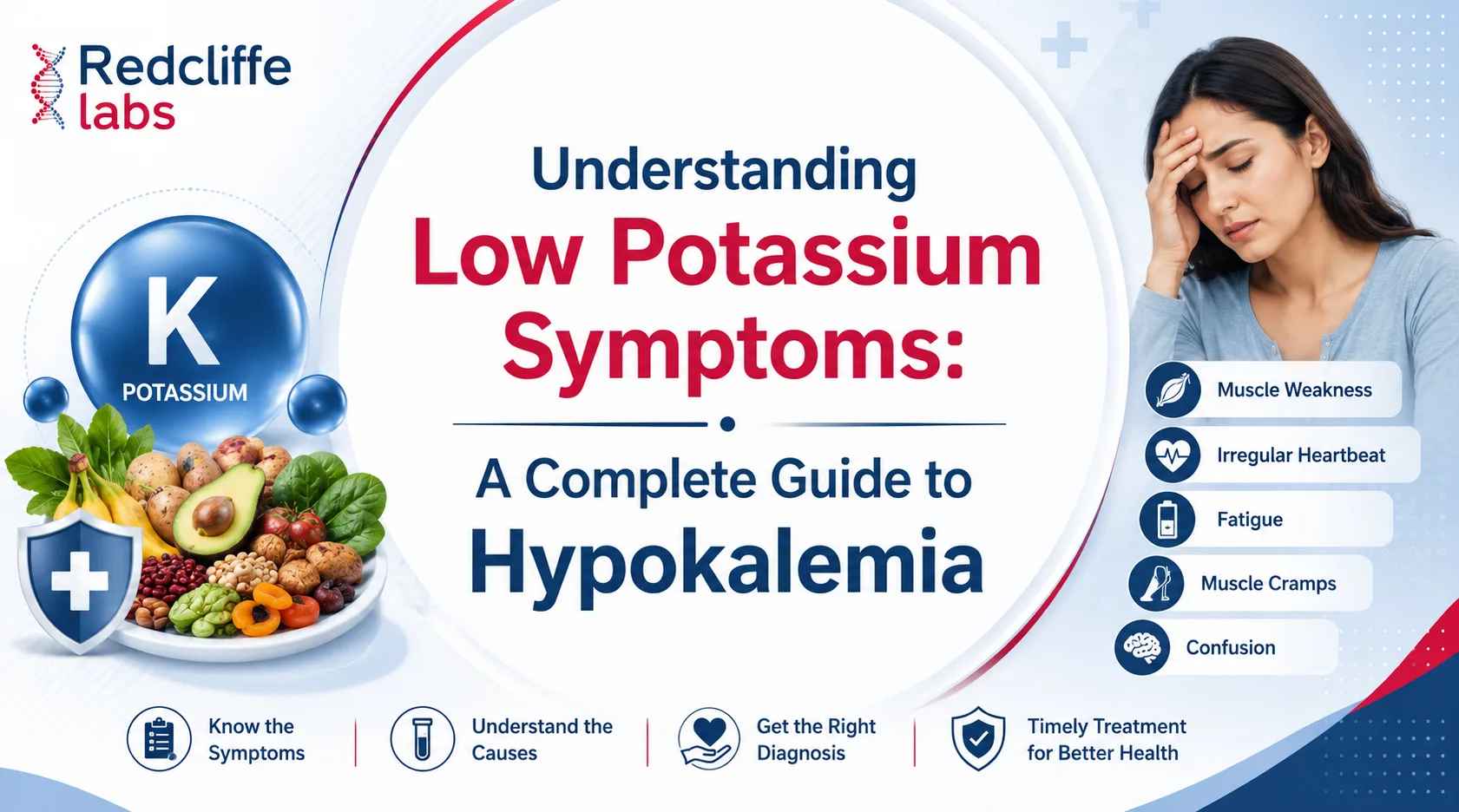
This is where your body gives you the clearest signals. Symptoms of low potassium can vary depending on how much the levels have dropped, but they tend to follow a pattern. According to the National Institutes of Health (NIH), even a mild deficiency can produce noticeable discomfort.
1. Muscle-Related Symptoms
- Muscle weakness -particularly in the legs and arms; everyday tasks may feel harder than usual
- Muscle cramps and spasms - sudden, involuntary contractions, especially in the calves
- Muscle aches and tenderness -without a clear reason for soreness
- Muscle twitching- small, uncontrolled movements just under the skin
Heart-Related Symptoms
- Heart palpitations -a fluttering or pounding feeling in the chest
- Irregular heartbeat (arrhythmia) -potassium plays a direct role in regulating the heart's electrical system.
- Lightheadedness or faintness - particularly if heart rhythm is disrupted
Digestive Symptoms
- Constipation -potassium is needed for the muscles of the digestive tract to move food along
- Bloating and abdominal cramping- caused by slowed gut movement
- Nausea, in more significant deficiencies
Neurological and General Symptoms
- Fatigue and weakness - persistent tiredness that does not improve with rest
- Tingling or numbness -especially in the hands, feet, or legs
- Difficulty concentrating -sometimes described as "brain fog"
- Increased urination (polyuria) and thirst (polydipsia)- in some cases, the kidneys respond to low potassium by producing more urine.
When Are Low Potassium Symptoms Dangerous?
Mild hypokalemia is often manageable, but moderate to severe potassium deficiency can become a medical emergency, particularly because of its effects on the heart.
Consult a doctor immediately if you experience:
- Sudden chest pain
- Extreme shortness of breath
- Severe muscle paralysis, or
- A fluttering heart sensation
Severe hypokalemia requires prompt medical intervention. Severe cases can lead to rhabdomyolysis (breakdown of muscle tissue) and life-threatening heart arrhythmias.
How Is Low Potassium Diagnosed?
If your doctor suspects hypokalemia, they will review your symptoms, medical history, and ongoing medications. A physical examination may also help identify muscle weakness or abnormal heart rhythms.
Tests commonly used include:
- Serum potassium blood test
- Electrolyte panel
- Kidney function tests
- An electrocardiogram (ECG) is used to assess heart rhythm.
- Urine potassium test to determine potassium loss
Identifying the underlying cause is just as important as confirming low potassium levels because treatment depends on the reason for the deficiency.
What to Do If Your Potassium Is Low?
The right approach depends on how low potassium has dropped and what is causing it.
1. Add Potassium-Rich Foods to Your Diet
For mild deficiency, increasing potassium-rich foods is often the first and most effective step. Good dietary sources include:
|
Food |
Potassium Content (Approx.) |
|---|---|
|
Bananas |
420 mg |
|
Sweet Potatoes |
540 mg |
|
Spinach (cooked) |
840 mg |
|
Avocados |
485 mg |
|
White Beans |
600 mg |
|
Lentils (cooked) |
365 mg |
|
Yogurt |
570 mg |
|
Tomato |
290 mg |
|
Orange |
240 mg |
|
Coconut Water |
400-600 mg |
Also read:
2. Potassium Supplements
Oral potassium supplements may be suggested in moderate cases. Too much potassium can also be harmful and may cause serious complications (hyperkalemia). So, avoid self-medication.
3. Intravenous (IV) Potassium
If potassium levels are very low or symptoms are serious, potassium may be given through a vein (IV) in a hospital.
4. Addressing the Root Cause
When the medication causes potassium depletion, your doctor may change the dosage or prescribe another drug. If digestive problems or other illnesses cause this situation, treatment of the underlying problem becomes necessary.
Simple Prevention Strategies
Prevention is better than treatment. A few consistent habits can make a beautiful difference.
- Eat a balanced, nutrient-rich diet.
- Stay well hydrated, especially during hot weather or exercise.
- Avoid prolonged use of laxatives.
- Get routine checkups.
- Discuss medications with your doctor.
- Seek treatments for prolonged vomiting or diarrhea.
- Have your electrolyte levels checked if you take long-term diuretics.
Conclusion
Low potassium symptoms can range from mild fatigue and muscle cramps to serious heart rhythm disturbances, depending on the severity of the deficiency. Because these symptoms often resemble those of other health conditions, they should not be ignored, especially if they persist or worsen. Identifying the underlying cause and receiving timely treatment can help restore normal potassium levels and prevent complications.
Eating a balanced diet, staying adequately hydrated, and managing existing conditions are some ways to help ensure optimal potassium levels. If you have recurrent symptoms of hypokalemia, or you think you may be at risk, consult your doctor, who may recommend a blood potassium test to confirm the diagnosis and identify the underlying cause.
If your doctor recommends potassium testing, Redcliffe Labs offers convenient home sample collection, making it easy to check your potassium levels from the comfort of your home.
With every test at Redcliffe Labs, you get 4X Value Benefits:
- Smart Reports with Actionable Insight
- Expert-led consultation to explain your results, risks, and the right next steps.
- 24/7 AI-powered support to answer health queries and interpret symptoms.
- Customized diet and lifestyle recommendations to help you achieve your health goals.
FAQs
What is the first sign of low potassium?
The earliest signs of low potassium (hypokalemia) are often muscle weakness, fatigue, and muscle cramps. Some people may also experience constipation or unusual tiredness even with mild potassium deficiency. Since these symptoms can resemble other health conditions, a blood test is the most reliable way to confirm low potassium levels.
Can low potassium cause dizziness?
Sometimes, low potassium levels can make a person dizzy and/or faint by affecting the heart rate and blood pressure. When low potassium is severe, it may lead to an abnormal heartbeat, fainting, or palpitations. Always consult a doctor when dizziness is accompanied by chest pain, extreme weakness, or a rapid heart rate.
How long does it take to recover from low potassium?
The recovery depends on the severity of the deficiency and its cause. Patients with mild hypokalemia may start showing signs of recovery after a few days of increased potassium intake through diet and supplements. In contrast, those with moderate or severe hypokalemia may require intravenous potassium, along with treatment of the underlying cause. The recovery period may be longer depending on whether an underlying disease is causing the deficiency. Your physician may recommend follow-up blood tests to make sure your potassium levels are back to normal.
Can drinking more water lower potassium levels?
An increase in water intake does not normally lead to a reduction in potassium. But in some cases, where a person takes excessive amounts of fluid and sweats, vomits, experiences diarrhea, or suffers from certain health conditions, the person may be prone to electrolyte imbalances. Drinking enough water is important, but a physician should check persistent signs of low potassium.
Which foods help increase potassium naturally?
Foods high in potassium include bananas, spinach, sweet potatoes, avocados, beans, lentils, yogurt, tomatoes, and oranges. Including these foods in the diet can help maintain healthy potassium levels. But if one's potassium levels are very low, dietary adjustments alone may not be effective.