Habit Stacking: Why Small Daily Changes Can Lead to Better Health

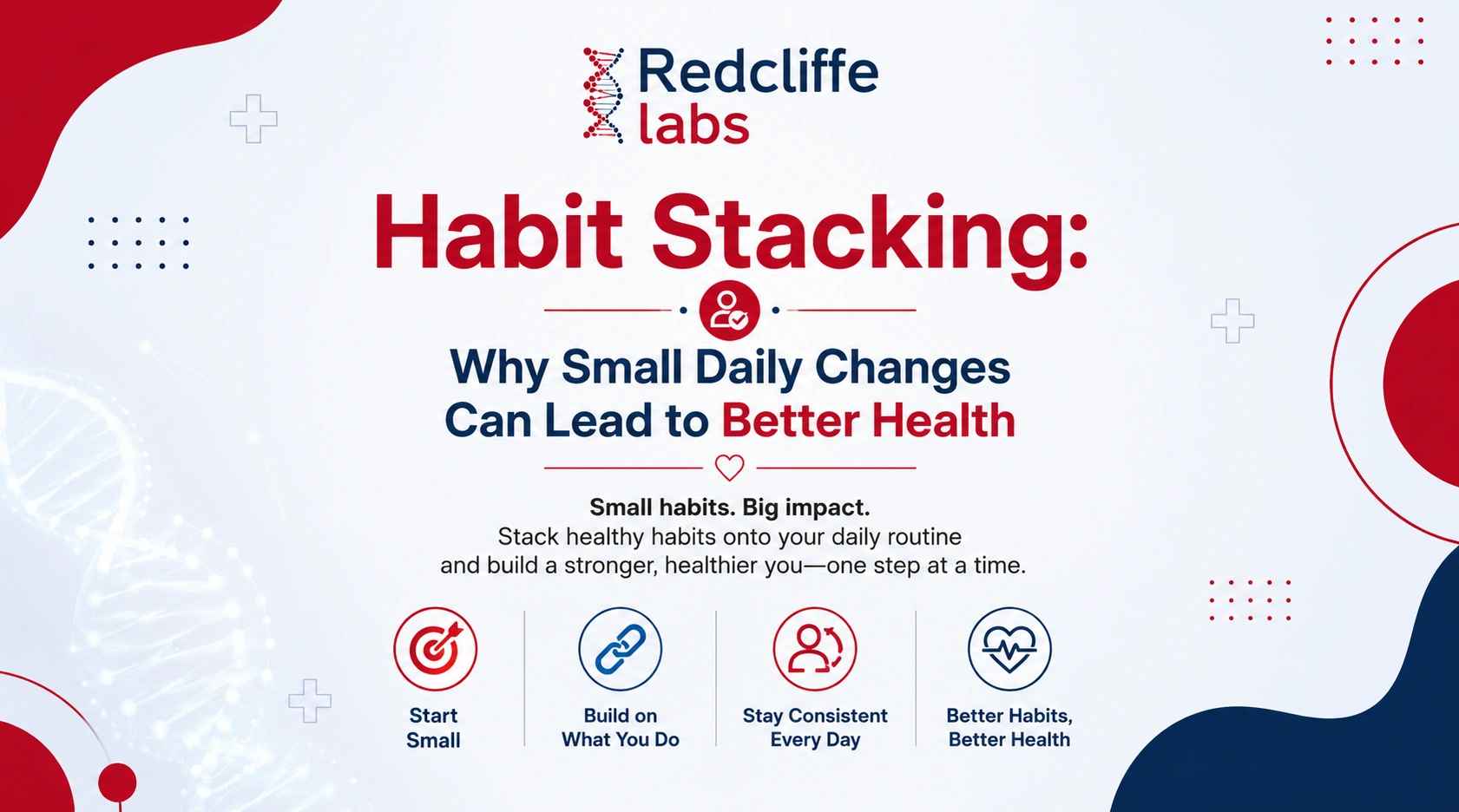
Have you ever promised yourself that you'd start exercising every day, eat better, or drink more water, but have been unable to follow through after a few days? You are not alone. Developing new habits may prove difficult at times, especially when you are very busy. Thankfully, however, there is one easy trick that can help you change your behaviors: habit stacking.
Many people believe that improving their health requires dramatic changes, such as completely overhauling their diet, following an intense workout routine, or relying on sheer willpower to stay consistent. However, research on effective change suggests otherwise. The most sustainable improvements come from small, consistent actions that fit naturally into your daily routine.
This is the core idea behind habit stacking. Instead of depending on motivation, you connect a new habit to an existing one that you already perform every day. By building on routines that are already automatic, habit stacking makes healthy behaviors easier to remember, easier to maintain, and more likely to become part of your everyday life.
What Is Habit Stacking?
Habit stacking is a technique where you attach a new habit to an existing one, using the current habit as a trigger for the new behavior. The term was popularized by author James Clear in Atomic Habits, building on earlier work by BJ Fogg on "tiny habits." The formula is simple:
"After (CURRENT HABIT), I will (NEW HABIT)."
For example:
- After I pour my morning coffee, I will write down one thing I'm grateful for.
- After making my morning tea, I'll take my prescribed vitamin or supplement.
- After lunch, I'll walk for five minutes.
The existing habit, something you already do automatically, becomes the cue for the new one, removing the need to remember or motivate yourself from scratch.
Why Small Changes Work Better Than Big Overhauls
Many people believe they lack discipline, but the real problem is often the way habits are introduced.
Common reasons include:
- Setting unrealistic goals
- Depending only on motivation
- Busy schedules
- Forgetting new routines
- Trying to change too many things at once
When a certain action, choice, or habit doesn't fit naturally into your day, it's easier to skip. This strategy solves this by making new actions part of an existing routine.
Did You Know?
- Research suggests it takes an average of 66 days for a new habit to become automatic.
- Linking a new habit to an existing routine can improve consistency because your brain responds to familiar cues.
- Small habits performed daily often lead to more sustainable health improvements than drastic lifestyle changes.
The Science Behind Habit Formation
Habit formation isn't instant, and there's no single magic number of days. Research shows that habits develop through repetition and consistency, not motivation alone.
A well-known 2009 study by Phillippa Lally and her team found that people took anywhere from 18 to 254 days to turn a new lifestyle adaptation into a habit, with 66 days being the average. This means it's completely normal if a healthy habit doesn't feel automatic right away. The key is to stay consistent, and over time, the change becomes a natural part of your daily routine and ultimately a habit.
A study published in the British Journal of General Practice explains that many of our everyday actions are driven by habit rather than conscious decisions. By linking a new healthy habit to a routine you already follow, you make it easier to remember and more likely to become a lasting part of your daily life.
This works because habits follow a simple pattern called the habit loop: cue, routine, and reward.
- Cue: This is what triggers the behavior.
- Routine: This is the behavior.
- Reward: This is what makes your brain want to repeat the behavior.
With regular practice, these everyday habits become increasingly automatic through neural pathways involving the basal ganglia, a brain region that plays an important role in habit formation and routine actions.
Benefits of Habit Stacking
This approach helps you build healthier choices by linking them to routines you already follow. Instead of relying on motivation, it uses what you already do to make positive change easier and more consistent.
1. Reduces Decision Fatigue
Knowing exactly what comes next lowers the mental effort involved.
- Removes the need to decide when or where a new habit happens
- Creates a smooth transition from one action straight into the next
- Adds structure to your day without extra planning
2. Provides Built-In Triggers
Familiar actions act as natural reminders for new ones.
- Everyday moments like brushing your teeth or making coffee become reliable cues.
- Cuts reliance on alarms, apps, or sticky notes.
- Strengthens follow-through simply because the cue is already part of your day.
3. Builds Positive Momentum
Small, repeated actions pave the way for bigger change.
- One healthy action often naturally leads to another.
- Makes it easier to start with micro-habits, like a minute of stretching or deep breathing.
- Tiny improvements add up to meaningful long-term results.
4. Makes Healthy Habits Stick
Gradual change is easier to sustain than a sudden overhaul.
- Prevents the overwhelm that comes with big, all-at-once goals.
- Rewards steady progress rather than demanding perfection.
- Helps new habits become second nature over time.
5. Supports Overall Well-Being
Consistent, small actions benefit both body and mind.
- Encourages better hydration, movement, nutrition, and sleep
- Builds in moments for stress relief and self-care
- Weaves wellness into daily life rather than treating it as a separate task
6. May Help Support People with ADHD
This method may offer helpful structure for those with ADHD or executive functioning challenges.
- Anchors important tasks to predictable moments in the day
- Eases the burden of remembering multiple separate activities
- Breaks larger routines into smaller, repeatable steps
Practical Health-Focused Habit Stacks
Here are a few simple examples to illustrate how this works in practice:
1. Morning Routine Stack
- After pouring your morning tea or coffee (existing habit)
- Take your daily vitamin or supplement (new habit)
- Follow with two minutes of light stretching (bonus habit)
2. Work-Break Stack
- When your lunch alarm goes off (existing habit)
- Refill your water bottle (new habit)
- Take a five-minute walk (bonus habit)
3. Evening Wind-Down Stack
- After brushing your teeth at night (existing habit)
- Write down one thing you're grateful for (new habit)
- Set out your clothes or plan for tomorrow (bonus habit)
How to Build Your Own Habit Stack?
Simple 5-step guide:
- List your existing habits: Write down things you do every day without fail, such as brushing your teeth, making coffee, or sitting down at your desk.
- Choose one small health habit you want to build: Pick something that takes less than two minutes to start.
- Pair them using the formula: "After [current habit], I will [new habit]."
- Start ridiculously small: Focus on consistency, not intensity. Once the habit becomes routine, you can gradually build on it.
- Track progress: Use a simple log or app, celebrate small wins, and adjust the stack if something isn't working.
Common Mistakes to Avoid
This technique is simple, but a few pitfalls can derail progress:
- Stacking too many habits at once: Trying to overhaul your entire routine in one day increases the chance of burnout and failure.
- Choosing an unclear or inconsistent trigger: If the "current habit" isn't something you do reliably every day, the stack won't hold.
- Setting unrealistic expectations: Expecting immediate, dramatic results can lead to discouragement. Habit stacking is about compounding small wins, not instant transformation.
- Skipping the "small" part: The new habit should be easy enough that you could do it even on a bad day.
Examples of healthy habit stacks
The major benefit of this technique is that it can be customized to your personal health goals. Whether it is about hydrating, staying fit, improving sleep quality, or managing a certain health problem, pairing a new habit with an existing routine makes it easier to stay consistent.
1. For Better Hydration
After every bathroom break, drink one glass of water. Since loo breaks are already a part of your daily routine, they can serve as a gentle reminder to stay hydrated without relying on phone reminders.
2. For Weight Management
After a protein-rich breakfast, go for a 10-minute walk. This may help improve satiety, support blood sugar levels, and encourage regular movement.
3. For Better Heart Health
You can walk after lunch for 5 to 10 minutes, as walking after meals is beneficial for heart health and your fitness goals.
4. For Diabetes Management
After eating breakfast, take your prescribed diabetes medication, then go for a 10-minute walk. Linking medication, physical activity, and blood glucose monitoring to an existing routine may improve adherence to diabetes self-management and help people follow their treatment plan more consistently.
5. For Better Posture and Movement
After every virtual meeting or hour of desk work, stand up, stretch, and walk for two minutes. This simple habit helps break up prolonged sitting, reduce muscle stiffness, improve posture, and add more movement to your day.
The Compound Effect of Small Habits
Small actions repeated daily create significant health improvements over time.
Example:
A two-minute stretch or a five-minute walk may not be significant on its own; however, maintaining consistency matters over time. It can improve physical condition, sleep, and overall wellness.
When Healthy Habits Should Include Preventive Health Checkups
Building small daily habits such as better sleep, movement, hydration, and mindful eating is a powerful way to support long-term health. But habits alone can't tell you what's happening inside your body. Many health conditions, from thyroid imbalances to early markers of diabetes or heart disease, develop silently for months or years before symptoms appear. This is where preventive health checkups become just as important as the habits themselves.
For example:
- After your birthday each year: Schedule your annual preventive health checkup.
- At the beginning of every quarter: Review your health goals and book any recommended tests.
- After receiving a reminder from your healthcare provider: Schedule blood sugar, cholesterol, thyroid, or vitamin D tests if they're due.
Ready to Build a Healthier Routine?
Healthy habits and regular preventive health checkups go hand in hand. While habit stacking helps you build healthier daily routines, routine screenings help detect potential health concerns before symptoms appear.
Book a Full Body Checkup with Redcliffe Labs today and make preventive healthcare a habit. With convenient home sample collection, comprehensive health packages, and accurate diagnostic services, staying on top of your health has never been easier.
Final Thoughts: Start Small, Stay Consistent
Better health doesn't require a complete lifestyle overhaul overnight. Instead, you can create small, intentional changes without the struggle or willpower traditional approaches demand. Even one habit stack can be enough to help you get started, as the accumulation of small daily changes is where true and sustainable health improvement really comes from. Remember: the goal isn't perfection. It's steady progress, one small stack at a time.
FAQs
What is habit stacking?
Habit stacking is a lifestyle-change strategy that links a new habit to an existing daily practice. As opposed to motivating or reminding yourself about a certain action, you can use an already existing daily practice as a prompt to do something new. This technique can make new healthy habits simpler to remember, repeat, and stick to, gradually transforming into your daily lifestyle.
How long does it take to build a new habit?
There is no set period of time needed to develop a new habit. According to research published in the European Journal of Social Psychology, people need at least 18 days or as long as 254 days to form a new habit. The average time needed is 66 days.
Why is habit stacking effective?
Habit stacking is effective because you use an existing routine as a trigger for doing something new. This way, it saves your energy and will not require willpower from your side at all. Because you repeat the same actions every day, they gradually become second nature.
Can habit stacking help improve my health?
Yes. It is possible to form good habits by using this technique, for example, drinking more water, taking medications on time, being physically active, eating properly, or meditating. All those habits might not seem significant, but they can support better physical and mental well-being and contribute to long-term health.
What are some easy examples of habit stacking?
Some examples include drinking a glass of water after brushing your teeth, doing some stretches after making coffee in the morning, going for a brief walk after lunch, or doing some deep breathing exercises before bed. The important thing here is to link up a small yet doable habit with a daily routine you follow regularly.
Can I stack more than one habit together?
Yes, but it is recommended to start building only one habit at first. You can develop another habit later and build a series of good habits step by step. Adding too many habits at once may seem too complicated and decrease your chances of achieving success.