PCOS and Insulin Resistance: What's the Link and How Does It Affect Your Health?

Overview
- Insulin resistance is common in PCOS, but not everyone with PCOS has it.
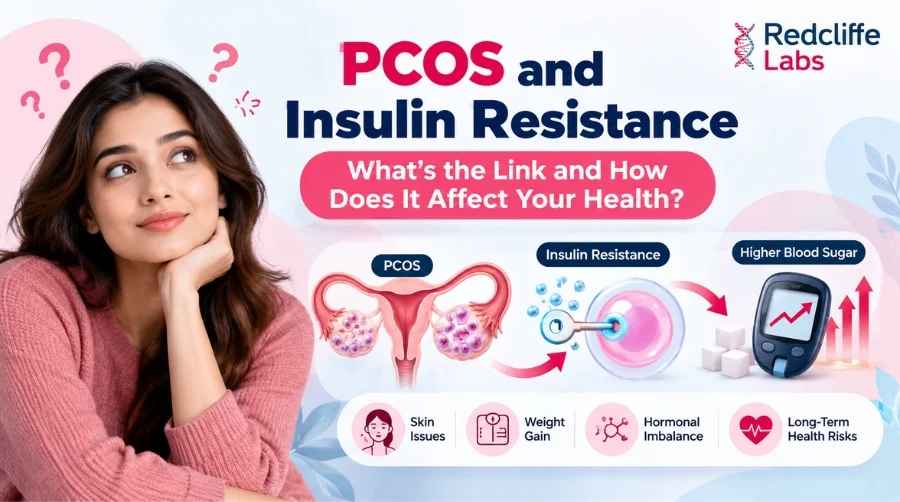
- Higher insulin levels can encourage the ovaries to produce more androgens (male hormones), which may worsen problems such as irregular periods, acne, and excess hair growth.
- You can have PCOS and insulin resistance even if you are not overweight.
- PCOS increases the long-term risk of prediabetes and type 2 diabetes, but it does not mean you will definitely develop diabetes.
- Healthy eating, regular physical activity, good sleep and, when appropriate, medicines can help manage these risks.
If your PCOS report mentions "insulin resistance," or your doctor wants your blood sugar checked even though you've never had diabetes, you may wonder what a hormone condition has to do with sugar. The answer: quite a lot. Insulin resistance is common in PCOS, can contribute to metabolic and hormonal problems, and can often be improved with the right lifestyle and medical care.
What Is the Link Between PCOS and Insulin Resistance?
PCOS and insulin resistance often occur together, and they can contribute to changes in hormones, periods, and blood sugar. Insulin resistance is common in PCOS, but the exact percentage is difficult to give because there is no single reliable routine test for measuring it.
Insulin resistance is not required to diagnose PCOS, but checking blood sugar is important because PCOS increases the risk of prediabetes and type 2 diabetes.
What Are Insulin Resistance and PCOS?
Insulin resistance means the body's cells do not respond as well to insulin as they should. Insulin is a hormone that helps move glucose (sugar) from the blood into cells, where it can be used for energy. When the body becomes less sensitive to insulin, the pancreas may produce more insulin to keep blood sugar in the normal range. This means blood sugar can remain normal for some time even when insulin resistance is present.
PCOS (polycystic ovary syndrome) is a hormonal condition that can affect ovulation and cause higher-than-usual androgen levels.
In adults, PCOS is usually diagnosed when at least two of these three features are present:
- Irregular or absent ovulation, often causing irregular periods.
- Signs or blood-test evidence of higher androgen levels
- Polycystic ovarian appearance on ultrasound or an appropriately interpreted AMH level
Other conditions that can cause similar symptoms also need to be ruled out. AMH should not be used as a single test to diagnose PCOS.
Why Is Insulin Resistance Common in PCOS?
Researchers believe several factors may work together:
- Higher insulin levels can stimulate the ovaries to produce more androgens, which may interfere with normal ovulation.
- Higher insulin levels can reduce sex hormone-binding globulin (SHBG), a protein made by the liver that binds sex hormones. This can increase the amount of free testosterone in the blood.
- Abdominal fat and higher androgen levels can be linked with greater insulin resistance, creating a cycle of metabolic and hormonal changes.
- Genes and family history also play a role. A family history of type 2 diabetes can increase your risk.
- South Asian women may have greater metabolic risk at lower BMI levels, so a normal body weight does not completely rule out insulin resistance or diabetes risk.
Can Insulin Resistance Make PCOS Symptoms Worse?
It can contribute to some PCOS-related problems. Higher insulin levels can increase androgen activity, which may contribute to irregular periods, acne, and excess hair growth.
Insulin resistance and excess weight can also increase metabolic risk. However, PCOS symptoms differ from person to person, and insulin resistance is not the only factor involved.
Can you have PCOS without insulin resistance? Yes. Some people with PCOS do not have clear evidence of insulin resistance. Their treatment may focus more on periods, acne, excess hair growth, fertility, or other symptoms.
Can You Have Insulin Resistance Without Diabetes?
Yes. Insulin resistance can occur before blood sugar reaches the range used to diagnose prediabetes or diabetes. The pancreas may produce more insulin to help keep blood sugar within the normal range.
This is why having a normal fasting glucose result does not automatically rule out future blood-sugar problems in someone with PCOS.
Does PCOS Lead to Diabetes?
PCOS increases the risk of prediabetes and type 2 diabetes, but it does not mean you will definitely develop diabetes. This increased risk can occur regardless of age or BMI and may be higher when other risk factors, such as excess weight or a family history of diabetes, are present.
Regular blood-sugar checks and healthy lifestyle habits can help identify and manage this risk early.
Also Read: https://redcliffelabs.com/myhealth/diabetes/diabetes-tests-diagnosis-and-treatment-in-india/
What Are the Signs of Insulin Resistance in PCOS?
Insulin resistance often causes no obvious symptoms. Some physical findings can provide clues, but they cannot confirm insulin resistance on their own.
Possible clues include:
- Dark, thick, or velvety skin patches, especially around the neck, underarms, or groin (acanthosis nigricans)
- Skin tags, especially around the neck or underarms
- More fat around the waist
- PCOS-related symptoms such as irregular periods, acne, excess hair growth, or hair thinning
Sugar cravings and feeling tired after meals can happen for many reasons, so they should not be treated as specific signs of insulin resistance.
These signs are only clues. There is no single routine blood test that directly confirms insulin resistance in PCOS. Doctors mainly check your blood-glucose status and consider your overall risk factors.
How Is Insulin Resistance Checked in PCOS?
Doctors mainly check blood-glucose levels rather than relying on an insulin-resistance test. The 2023 international PCOS guideline recommends a 75-g oral glucose tolerance test (OGTT) as the most accurate test for assessing blood-glucose status in PCOS, regardless of BMI. If an OGTT cannot be done, fasting glucose and/or HbA1c may be used, although they are less accurate for detecting some glucose problems in PCOS.
Here is how the common tests compare:
|
Test |
What it shows |
Good to know |
|
Fasting glucose |
Blood sugar level after at least 8 hours without food. |
Simple and convenient, but may miss early glucose tolerance impairment or post-meal glucose spikes. |
|
Average blood sugar levels over roughly the previous 2–3 months. |
Convenient because no fasting is required, but conditions affecting red blood cell turnover (e.g., anemia, hemoglobinopathies) can affect accuracy. | |
|
75-g OGTT (Oral Glucose Tolerance Test) |
How your body processes glucose over 2 hours after drinking a standard 75-gram glucose solution. |
Most accurate option for assessing glucose tolerance status and detecting prediabetes/diabetes in individuals with PCOS. |
|
Fasting insulin / HOMA-IR |
Attempts to estimate insulin resistance using fasting blood levels. |
Not recommended as a routine test for diagnosing insulin resistance in clinical practice because available insulin assays lack standardized accuracy and clinical usefulness. |
Need to Check Your Blood Sugar?
If you have PCOS or are concerned about insulin resistance, checking your blood-sugar levels can help identify prediabetes or diabetes early. Redcliffe Labs offers tests such as HbA1c and fasting blood glucose, with home sample collection available in selected locations.
Explore Blood Sugar Tests at Redcliffe Labs
What Do the Blood-Sugar Numbers Mean?
For non-pregnant adults, commonly used diagnostic ranges are:
|
Test |
Normal |
Prediabetes |
Diabetes |
|
Fasting glucose |
Below 100 mg/dL |
100–125 mg/dL |
126 mg/dL or higher |
|
2-hour OGTT |
Below 140 mg/dL |
140–199 mg/dL |
200 mg/dL or higher |
|
HbA1c |
Below 5.7% |
5.7%–6.4% |
6.5% or higher |
A diabetes diagnosis usually needs confirmation with another abnormal test unless there is clear evidence of high blood sugar with typical symptoms or a hyperglycaemic emergency.
For people with PCOS, blood-glucose status should be checked when PCOS is diagnosed and generally reassessed every 1–3 years, depending on individual risk factors.
Does Being Thin Mean You Can't Have Insulin Resistance With PCOS?
No. Insulin resistance can occur in people with PCOS at any body size. It is more common with excess weight, but a normal BMI does not completely rule it out.
PCOS itself is associated with a higher risk of abnormal blood sugar regardless of BMI, which is why people with PCOS should not automatically skip glucose screening simply because they are thin.
How Can Insulin Resistance in PCOS Be Managed?
There is no single treatment that works for everyone. Lifestyle changes are an important part of PCOS care, and medicines may be added when appropriate.
Food
There is no single "PCOS diet" proven to work best for everyone. Choose a balanced eating pattern that you can maintain.
A simple plate can include:
- Half vegetables
- One-quarter protein such as dal, rajma, paneer, curd, eggs or fish
- One-quarter whole grains or other high-fibre carbohydrate foods
You do not necessarily need to remove rice or roti completely. Choosing sensible portions and pairing carbohydrates with protein or fibre can make meals more balanced. Limiting sugary drinks, excess sweets and highly refined foods can also help.
Movement
Regular physical activity improves overall health and can help the body use glucose more effectively. Adults should generally aim for 150–300 minutes of moderate-intensity activity each week, along with muscle-strengthening activity on at least 2 days a week. A short walk after meals may also help reduce post-meal blood-sugar rises.
Weight, sleep, and stress. If you have excess weight, even a modest amount of weight loss may improve some metabolic and PCOS outcomes. However, weight loss is not required for everyone with PCOS, and healthy lifestyle habits are important even when your weight is in the normal range.
Aim for around 7–9 hours of sleep. PCOS is also associated with a higher risk of obstructive sleep apnoea, so tell your doctor if you snore loudly, wake feeling unrefreshed, or have significant daytime sleepiness.
Medicines
Metformin may be considered in adults with PCOS, particularly for metabolic outcomes such as blood glucose and lipid problems. The 2023 guideline specifically recommends considering it in adults with a BMI of 25 kg/m² or higher, while it may also be considered at lower BMI with more limited evidence. It can cause stomach-related side effects, and long-term use may be associated with low vitamin B12 levels.
But, never start, stop or change metformin or any other medicine without proper prescription from your doctor.
Inositol
Some people with PCOS may consider inositol, but evidence for meaningful clinical benefits remains limited, and specific types, doses or combinations cannot currently be recommended with confidence. Talk to your doctor before taking it, especially if you are trying to become pregnant or taking other medicines or supplements.
When Should You Talk to a Doctor?
Talk to a doctor if you have:
- Periods that are consistently more than 35 days apart or fewer than 8 periods a year
- Acne, excess hair growth, or hair thinning that concerns you
- Dark, thickened skin patches or many skin tags
- Difficulty becoming pregnant, especially if your periods are irregular
- PCOS along with a family history of diabetes or other diabetes risk factors
- PCOS but no recent blood-sugar assessment
See a doctor promptly if you develop symptoms such as unusual thirst, frequent urination, blurred vision, or unexplained weight loss, as these can occur with significantly high blood sugar.
Your Next Step: Know Your Numbers
Insulin resistance is only one part of PCOS, but checking your blood sugar health is an important practical step. If your doctor has suggested testing, or you have not had your blood sugar checked since your PCOS diagnosis, discuss the most appropriate test with them.
With Redcliffe Labs, you can explore options such as PCOS panels, insulin fasting test, diabetes health packages and individual tests including HbA1c, fasting glucose and lipid profile. If your doctor specifically recommends an OGTT or another test, choose the test based on their advice rather than ordering an insulin-resistance test on your own.
FAQs
1. Is insulin resistance in PCOS reversible?
Insulin resistance can often be improved with lifestyle changes and, when appropriate, medical treatment. However, the underlying tendency can remain, so long-term healthy habits may still be important. PCOS is a long-term condition that can be managed, although it is not considered something that can be cured.
2. Does insulin resistance cause weight gain in PCOS?
It may contribute to weight-related changes, but it is not the only reason people with PCOS gain or struggle to lose weight. Hormones, genetics, sleep, physical activity, food habits, and other factors can also play a role.
3. Can I eat rice, roti and sweets with PCOS?
You do not necessarily need to completely stop eating rice or roti. Pay attention to portions and choose higher-fibre options when possible. Pairing carbohydrates with foods such as dal, vegetables, curd, eggs, or other protein can make the meal more balanced.
Sweets and sugary drinks are best kept occasionally.
4. Will I need metformin for life?
Not necessarily. Some people with PCOS may use metformin for a period of time, while others may need it longer or may not need it at all. Your doctor can review your blood-sugar results, metabolic health, and treatment goals over time. Do not stop or start metformin on your own. Always talk with your doctor first.
5. How often should I check my blood sugar with PCOS?
The 2023 international PCOS guideline recommends checking blood-glucose status when PCOS is diagnosed and repeating the assessment every 1–3 years, depending on your individual risk factors. People with additional risk factors may need testing more often.
6. Can insulin resistance affect pregnancy?
PCOS can make it harder to become pregnant because irregular ovulation can reduce the chances of conception. Insulin resistance is also important because PCOS is associated with a higher risk of abnormal blood sugar and gestational diabetes during pregnancy. If you have PCOS and are planning pregnancy, talk to your doctor about glucose testing before or early in pregnancy and about managing your overall PCOS risk factors