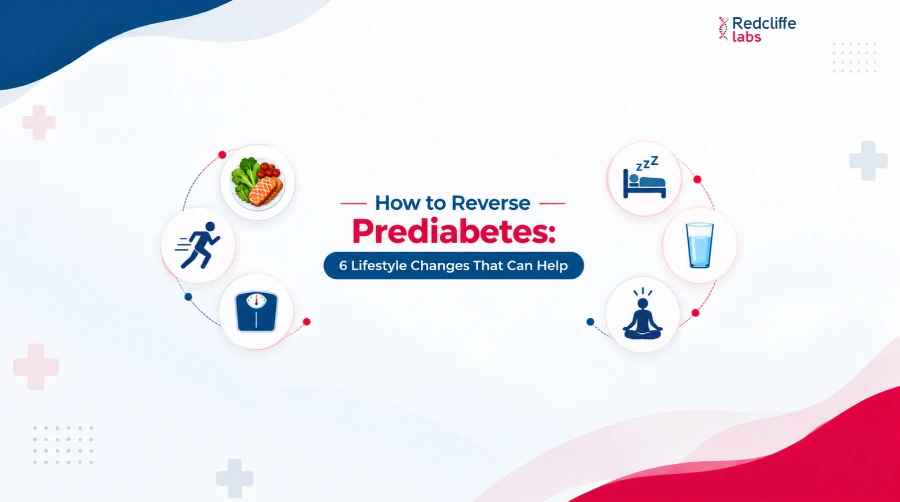
How to Reverse Prediabetes: 6 Lifestyle Changes That Can Help

Overview:
- Prediabetes means blood sugar levels are higher than normal but below the diabetes range. With sustained lifestyle changes, some people can return to normal blood sugar levels.
- Insulin resistance is a common contributor to prediabetes and occurs when the body's cells respond less effectively to insulin.
- Prediabetes often has no noticeable symptoms, so blood tests are important for detecting elevated blood sugar early.
- Six lifestyle changes can help manage prediabetes: balanced nutrition, regular exercise, adequate sleep, stress management, appropriate weight management, and consistent daily habits.
- HbA1c and fasting blood glucose tests help monitor blood sugar control. In selected cases, doctors may also use the HOMA Index Insulin Resistance Test to estimate insulin resistance; it does not diagnose prediabetes on its own.
Quick Answer:
Prediabetes can often be improved, and blood sugar levels may return to the normal range with sustained lifestyle changes and appropriate medical care. The most useful steps include balancing carbohydrate portions with protein and fibre, increasing physical activity, improving sleep, managing stress, and addressing excess weight where appropriate. Regular HbA1c or fasting blood glucose testing helps track progress. There is no guaranteed timeline, and some people may also need medication.
What Is Prediabetes?
Prediabetes is a condition in which blood glucose levels are higher than normal but below the diagnostic threshold for type 2 diabetes. It increases the risk of developing diabetes, but progression is not inevitable.
One common contributor is insulin resistance. Insulin is a hormone that helps glucose move from the bloodstream into cells. When cells respond less effectively to insulin, the pancreas may produce more insulin to maintain blood glucose levels. If the body can no longer compensate adequately, glucose levels can rise.
The important thing to understand is that prediabetes is an opportunity to act early. Changes in nutrition, physical activity, and other lifestyle habits can improve glucose regulation and help reduce the risk of developing type 2 diabetes.
1. Prediabetes Meaning: Is It the Same as Insulin Resistance?
No. Prediabetes and insulin resistance are related, but they are not interchangeable.
- Insulin Resistance: The body's cells respond less effectively to insulin.
- Prediabetes: Blood glucose levels are higher than normal but below the diabetes threshold.
- Type 2 Diabetes: Blood glucose meets the applicable diagnostic criteria for diabetes.
Insulin resistance may occur before blood glucose becomes abnormal. Prediabetes can also develop without obvious symptoms, so appropriate screening is important.
2. Prediabetes Symptoms: What Should You Look For?
Prediabetes usually has no clear symptoms. Many people discover it through routine blood tests rather than changes they can feel.
Increased thirst, frequent urination, blurred vision, and unexplained weight loss can be associated with high blood glucose, but they are not reliable ways to identify prediabetes. Seek medical assessment if these symptoms develop, especially if they are pronounced or worsening.
Risk factors worth discussing with a healthcare professional include:
- A family history of type 2 diabetes.
- Overweight or excess abdominal fat.
- Low levels of physical activity.
- A history of gestational diabetes.
- Previous blood glucose results in the prediabetes range.
- Other metabolic risk factors, such as high blood pressure.
Having one or more risk factors does not confirm prediabetes. Blood tests are needed to assess glucose levels.
3. Prediabetes Range: What Do Your Blood Sugar Results Mean?
These are commonly used diagnostic thresholds. Interpretation should follow applicable clinical guidance and take your medical history into account.
Results in the diabetes range may need confirmation, depending on the circumstances and applicable guidelines. HbA1c can also be affected by certain blood disorders and other conditions.
If your result falls in the prediabetes range, do not assume that diabetes is inevitable. Discuss it with your healthcare professional and agree on a plan for lifestyle changes and follow-up.
How to Reverse Prediabetes: 6 Lifestyle Changes That Can Help
Managing prediabetes does not mean giving up every food you enjoy or exercising intensely every day. The goal is to make changes that improve glucose regulation and are realistic enough to maintain.
1. Change How You Build Your Meals, Not Just What You Eat
One of the most useful nutrition changes is to stop treating carbohydrates as the only part of a meal that matters.
Rice, roti, poha, upma and other carbohydrate-containing foods can fit into a balanced eating pattern. However, a meal consisting mostly of starch, with little protein or fibre, may be less satisfying and can produce a different glucose response from a meal with a better balance of foods.
Start by looking at your usual meals.
These are examples, not fixed prescriptions. The appropriate portions depend on your energy needs, activity, medication, preferences and overall health.
Use a simple meal-building method.
At lunch or dinner, try this approach:
- Include a substantial portion of non-starchy vegetables.
- Add a protein source, such as dal, beans, curd, paneer, tofu, eggs, fish or lean meat.
- Choose a suitable portion of a carbohydrate source, such as rice or roti. You can also occasionally have options like millet rice, millet atta, brown rice, rolled oats, or multigrain options.
- Include a modest amount of healthy fat from foods such as nuts, seeds, or suitable cooking oils.
You do not need to calculate every gram of carbohydrate to begin improving your meals. Start by noticing whether your plate is dominated by one food group and what you could add to make it more balanced.
Do you need to stop eating rice, roti or fruit?
Not necessarily.
The type and amount of carbohydrate, its preparation and the rest of the meal all influence the glucose response. Replacing refined grains with higher-fibre options where practical, moderating portions and including pulses, vegetables and suitable protein sources can help improve overall diet quality.
Whole fruit can also fit into a balanced diet. It is generally preferable to juice because it retains its fibre and is often more filling.
A useful first step: Choose one meal you eat regularly and improve its balance for the next week. It is easier to maintain a specific change than to follow a long list of food restrictions.
2. Use Movement to Improve Insulin Sensitivity
Exercise helps muscles use glucose and can improve insulin sensitivity. You do not have to start with a gym membership, long workouts or intense exercise.
For adults who can safely participate, an evidence-based goal is to work towards at least 150 minutes of moderate-intensity physical activity per week. Diabetes-prevention programmes often combine this with other lifestyle changes.
Here is one way to put that target into practice.
This is an example, not a mandatory schedule. Adjust the duration and activity to your current fitness, mobility, and medical needs. If you are inactive, start with shorter sessions and gradually increase them.
Moderate-intensity activity should make you breathe faster while still allowing you to speak in sentences, although singing would be difficult.
Can walking after meals help?
A short walk after a meal is a practical way to add movement to your day. For example, you could walk for 10 minutes after lunch rather than sitting down immediately.
This is a useful starting habit, not a guaranteed way to normalise blood glucose. The overall amount of activity you do across the week also matters.
What if you sit at a desk all day?
Interrupt prolonged sitting with brief movement breaks. Walk while taking a phone call, stand up between tasks, or take a short walk after lunch.
If you have joint problems, cardiovascular disease, or other health conditions that affect exercise, ask your healthcare professional which activities are suitable. You do not need to push through pain or begin a demanding routine to benefit from increased movement.
3. Treat Sleep as Part of Your Blood Sugar Routine
Sleep is not simply a recovery period. Insufficient or disrupted sleep can affect glucose regulation, appetite, and energy levels, making other lifestyle changes harder to maintain.
Instead of just trying to sleep earlier, identify what is disrupting your routine.
- If you stay up late finishing work: Set a realistic time to stop work on most nights and prepare for the next day before that point.
- If your sleep timings keep changing: Choose a consistent wake-up time and build your bedtime routine around it.
- If you wake up tired despite spending enough time in bed: Consider whether you are getting enough sleep, waking frequently, or experiencing symptoms of a sleep disorder.
Most adults need around seven to nine hours of sleep, although individual needs vary.
If you snore heavily, wake up gasping or experience persistent daytime sleepiness, discuss it with a healthcare professional. Sleep apnoea and other sleep problems may need assessment and treatment.
Better sleep supports metabolic health, but it should not be presented as a standalone way to reverse prediabetes.
4. Manage Stress by Identifying What It Disrupts
Stress can influence glucose regulation, but its effects vary between people. It can also indirectly affect blood sugar by disrupting sleep, changing eating habits, or reducing physical activity.
That is why stress management should be practical rather than another task on an already overwhelming to-do list.
Consider this example: you have a demanding workday, skip lunch, rely on tea and biscuits in the afternoon, miss your usual walk, and eat dinner late. Trying to add a lengthy meditation routine may not be the most realistic first step.
Instead, identify the part of the routine you can change.
- Keep a suitable meal or snack available for days when work runs late.
- Take a brief walk during a break if your schedule permits.
- Use a few minutes of slow, comfortable breathing between tasks.
- Set a more consistent time to finish work when possible.
- Seek support if stress is persistent or affecting your sleep and daily functioning.
You do not have to eliminate stress to improve your health. The goal is to reduce the ways it repeatedly interferes with eating, movement, and sleep.
Relaxation techniques can support wellbeing, but they should not replace established diabetes-prevention measures or prescribed care.
5. Focus on Weight Management Only When It Is Appropriate for You
Excess abdominal fat is associated with insulin resistance and a higher risk of type 2 diabetes. For people with overweight or obesity, gradual weight loss can improve metabolic health.
However, prediabetes does not automatically mean you need to lose weight. People at a healthy body weight can also have insulin resistance and elevated blood glucose.
For adults with overweight or obesity who are at high risk of diabetes, structured prevention programmes commonly aim for an initial reduction of around 5–7% of starting body weight alongside regular physical activity. This is a clinical prevention target, not a universal requirement.
For example, a person weighing 80 kg would need to lose approximately 4–5.6 kg to reach that range. Whether this is an appropriate target depends on their health, nutritional needs, and clinician's advice.
If weight loss is appropriate, focus on the habits that support it:
- Adjust portions and reduce frequent high-calorie, low-nutrient foods where relevant.
- Build meals around vegetables, pulses, suitable protein sources and higher-fibre foods.
- Increase physical activity gradually.
- Maintain routines that are realistic for your work and family life.
- Seek support from a registered dietitian if you need an individualised plan.
Avoid crash diets or trying to lose weight rapidly. Weight is only one part of metabolic health, so your blood glucose results, fitness, and other clinical markers also matter.
Also Read: Why Is It So Hard to Lose Weight With Insulin Resistance or Diabetes? 7 Possible Reasons
6. Turn Lifestyle Changes Into a Routine You Can Track
Knowing what to do is not always the hardest part. The challenge is continuing when work gets busy, meals are eaten outside the home, or your usual schedule changes.
Instead of trying to change everything at once, choose two or three actions you can repeat.
How Do You Know Whether The Changes Are Working?
Do not rely only on how you feel after a meal or on day-to-day changes in energy. Prediabetes often has no symptoms, and a single glucose reading cannot tell the whole story.
Instead, track the behaviours you are working on and follow your healthcare professional's recommendations for blood tests. If you are using a glucose meter for a specific clinical reason, discuss how to interpret the readings rather than treating each fluctuation as proof of success or failure.
If you miss a walk or have an unbalanced meal, return to your routine at the next opportunity. Consistency over time is more useful than aiming for perfection every day.
People who need additional support may benefit from a structured diabetes-prevention programme, individualised nutrition counselling or medical treatment.
How Long Does It Take to Reverse Prediabetes?
There is no guaranteed timeline for reversing prediabetes. Some people see improvements in blood glucose within a few months, while others need longer or continue to have elevated results despite making lifestyle changes.
The response depends on factors such as:
- Your starting HbA1c and fasting glucose.
- The extent of insulin resistance and other metabolic risk factors.
- Your eating pattern and physical activity.
- Changes in body weight, where relevant.
- Other medical conditions, medications and individual responses.
HbA1c reflects average blood glucose over roughly the previous three months. It can therefore help assess longer-term changes, although your clinician will determine when repeat testing is appropriate.
If your results return to the normal range, continue the habits that helped and follow the recommended monitoring schedule. Normal results do not necessarily mean your future risk has disappeared.
If blood glucose remains elevated, it does not mean you have failed. Your healthcare professional can reassess your risk and determine whether your plan needs to change or whether additional treatment is appropriate.
Which Blood Tests Help Monitor Prediabetes?
Lifestyle changes involving diet, physical activity, sleep, and weight management can help improve blood sugar control and insulin sensitivity. However, feeling more energetic or noticing fewer symptoms does not necessarily mean your blood glucose levels have improved. Blood tests help assess your progress and determine whether further management is needed.
1. HbA1c Test
The HbA1c test measures the percentage of haemoglobin with glucose attached to it. It reflects your average blood glucose over approximately the previous three months.
It is commonly used to diagnose prediabetes and diabetes and monitor blood sugar control over time. Your doctor may recommend repeat testing to assess how your glucose levels respond to sustained lifestyle changes. Fasting is generally not required for an HbA1c test alone, although preparation instructions may differ if you are having additional tests.
Certain conditions, including some types of anaemia, altered red blood cell turnover, and haemoglobin variants, can affect HbA1c results. Your doctor may interpret the result alongside other glucose tests when necessary.
2. Fasting Blood Glucose Test
The fasting blood glucose test measures the amount of glucose in your blood after you have not eaten or consumed caloric drinks for at least eight hours, or for the duration specified by your laboratory.
Unlike HbA1c, which reflects longer-term glucose patterns, this test measures blood sugar at a particular point in time. Your doctor may use it alongside HbA1c to assess your results and determine whether your current lifestyle and treatment plan are helping improve glucose regulation.
Follow the laboratory's preparation instructions, and do not stop prescribed medicines unless your doctor advises you to.
3. When Might Additional Tests Be Needed?
An oral glucose tolerance test (OGTT) may be recommended when your doctor needs more information about how your body handles glucose, particularly when other results are unclear. The test measures blood glucose before and after you consume a measured glucose drink.
Insulin resistance can also affect how your body responds to insulin before blood glucose levels rise enough to meet the criteria for prediabetes. HOMA-IR uses fasting glucose and fasting insulin levels to estimate insulin resistance and beta-cell function. However, it does not diagnose prediabetes or diabetes on its own, and its interpretation depends on the clinical context.
Understand Your Insulin Resistance
Improving insulin sensitivity is an important part of managing prediabetes. Alongside lifestyle changes, the HOMA Index Insulin Resistance Test from Redcliffe Labs assesses fasting glucose and insulin levels to estimate insulin resistance and beta-cell function.
Book the HOMA Index Insulin Resistance Test.
When Should You Consult a Doctor?
Discuss screening or follow-up with a healthcare professional if you have risk factors for diabetes, have previously received an elevated glucose result, or are concerned about your risk.
You should also seek advice if:
- Your blood glucose results are repeatedly elevated or fall in the diabetes range.
- Your results are not improving despite sustained lifestyle changes.
- You take medicines that can affect blood glucose.
- Other health conditions make diet or exercise changes more complicated.
- You develop increased thirst, frequent urination, blurred vision or unexplained weight loss.
Severe symptoms such as vomiting, abdominal pain, rapid or deep breathing, confusion or marked drowsiness alongside suspected high blood glucose need urgent medical assessment.
Lifestyle changes can make a meaningful difference, but some people also need medication or other clinical support. Your healthcare professional can help determine the right approach.
Frequently Asked Questions
Can prediabetes return after blood sugar levels become normal?
Yes. Blood glucose can rise again if risk factors change or insulin resistance progresses. Continuing sustainable lifestyle habits and following the recommended testing schedule can help you monitor your risk.
Does insulin resistance always lead to type 2 diabetes?
No. Insulin resistance does not inevitably progress to diabetes. Genetics, family history, physical activity, body composition, and other health conditions all influence risk. Early assessment and appropriate lifestyle changes can help reduce the likelihood of progression.
Can prediabetes be managed without medication?
Some people improve their blood glucose through lifestyle changes without needing medication. Others may benefit from medication based on their individual risk and clinical circumstances. A healthcare professional should guide this decision.
Can supplements alone reverse prediabetes?
There is no reliable evidence that a supplement alone can consistently reverse prediabetes. Some supplements can cause side effects or interact with medicines. Discuss their use with your healthcare professional rather than replacing established treatment with them.
Can someone with a healthy body weight develop prediabetes?
Yes. Prediabetes can occur at any body weight. Genetics, family history, physical activity, age, previous gestational diabetes, and other metabolic factors can influence risk. People who are not overweight can still benefit from balanced nutrition, regular movement, adequate sleep, and appropriate screening.
Takeaway
Prediabetes is an early warning sign, not a guarantee that you will develop type 2 diabetes. Rather than trying to overhaul your life overnight, start with changes you can sustain: improve the balance of your meals, build regular movement into your day, address sleep problems and monitor your blood glucose as advised.
If weight loss is appropriate, a gradual, evidence-based approach may help. If your results remain elevated, seek clinical guidance rather than relying on lifestyle changes alone. The aim is to build a plan that supports your health over time.