Can Insulin Resistance Cause Irregular Periods? Understanding the Link to PCOS

Overview:
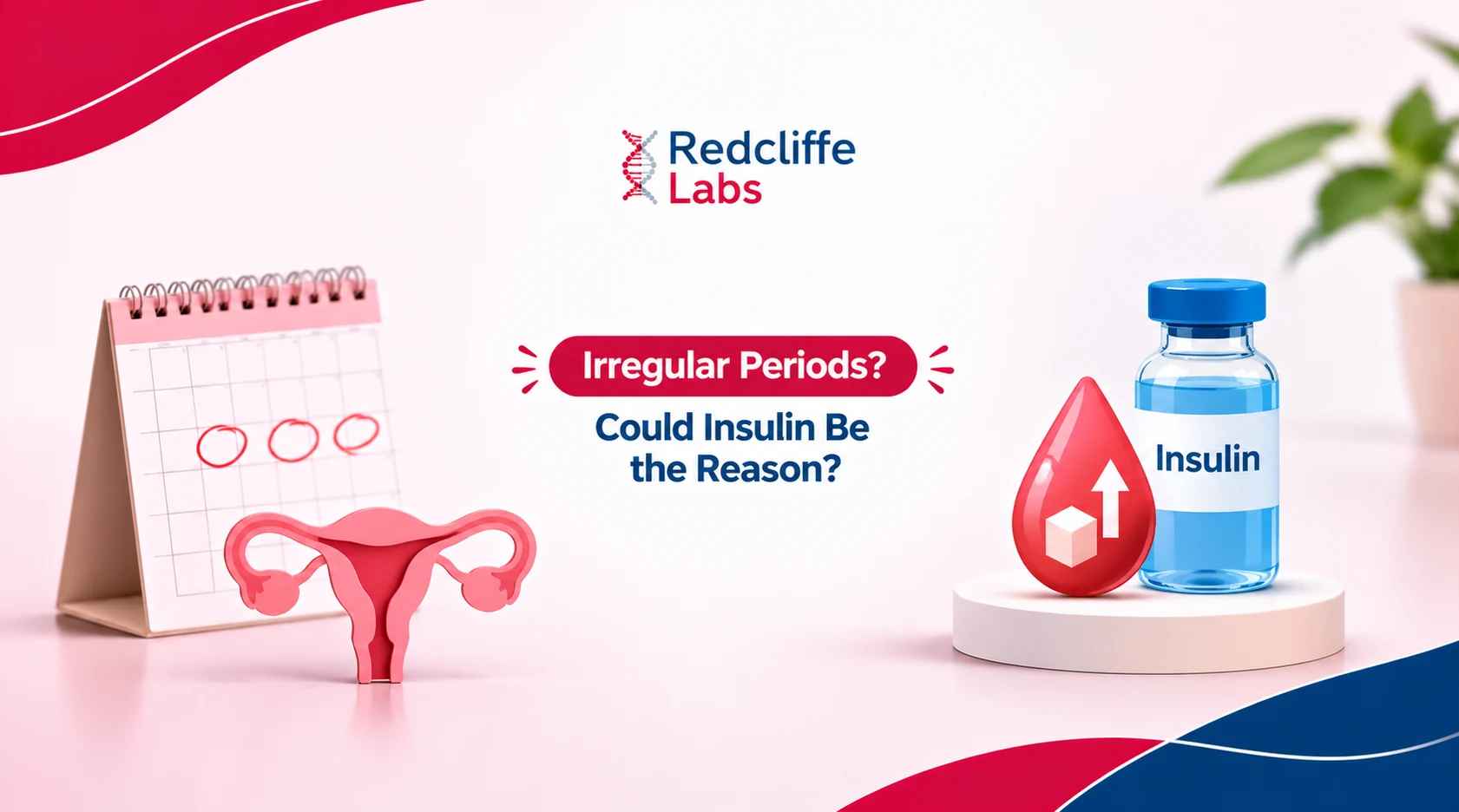
- Yes, insulin resistance can contribute to irregular periods, particularly in women with polycystic ovary syndrome (PCOS).
- When the body becomes less responsive to insulin, it may produce more insulin, which can affect reproductive hormones and interfere with regular ovulation.
- Irregular periods, acne, unwanted facial hair and darkened skin around the neck or underarms may offer clues, but these symptoms do not confirm insulin resistance.
- Balanced meals, regular physical activity, good sleep and appropriate medical care can help improve metabolic health.
- Blood glucose, hormonal, and other investigations can help identify possible causes of irregular periods. The right tests depend on individual symptoms and medical history.
Your periods used to arrive around the same time every month. But lately, the dates keep changing. Sometimes your period is delayed by a week, sometimes you miss a month, and at other times, the bleeding seems heavier than usual.
Stress, changes in weight, thyroid problems, and several other factors can affect your menstrual cycle. But there is another possible connection worth understanding: insulin resistance and hormonal health.
Insulin resistance is commonly associated with PCOS, a hormonal condition that can affect ovulation and make periods unpredictable. This does not mean every woman with irregular periods has insulin resistance or PCOS. However, understanding how these conditions are connected can help you recognise possible signs and know when to seek medical advice.
Let's understand how insulin resistance may affect your menstrual cycle, what changes to look out for, and which tests can help investigate the underlying cause.
How Is Insulin Resistance Linked to Irregular Periods?
To understand the connection, let's first look at what insulin does in your body.
Insulin is a hormone produced by the pancreas. Its main job is to help glucose (sugar) move from your bloodstream into your cells, where it is used for energy.
When your cells do not respond to insulin effectively, the body develops insulin resistance. To compensate, the pancreas may release more insulin to help keep blood sugar levels under control. As a result, insulin levels can remain high even when blood sugar levels are still within the normal range.
But insulin does more than regulate blood sugar. Higher insulin levels can also influence the hormones involved in your menstrual cycle.
Here's how this may affect your periods:
- Insulin levels increase: When the body becomes less responsive to insulin, the pancreas may produce extra insulin to maintain blood sugar control.
- Hormonal activity changes: Higher insulin levels can encourage the ovaries to produce more androgens. Androgens are hormones such as testosterone that are present in everyone but may be elevated in some women with PCOS.
- Egg development may be affected: Higher androgen levels can interfere with the normal development of ovarian follicles, which are small structures in which eggs mature.
- Ovulation may become irregular: If a follicle does not develop properly, the ovary may not release an egg regularly.
- Periods become unpredictable: When ovulation does not happen regularly, the hormonal changes that control the menstrual cycle can also become irregular. This may lead to delayed, missed, or infrequent periods.
For example, if you usually have a period every 28–32 days but start experiencing much longer gaps between cycles, irregular ovulation could be one possible explanation.
This connection is particularly relevant in PCOS, where insulin resistance and hormonal changes often occur together. However, insulin resistance does not affect every woman in the same way, and irregular periods can have several other causes.

Signs of Insulin Resistance in Women You Should Know
Insulin resistance does not always cause noticeable symptoms. Some women may have it for years without recognising any physical changes. However, certain skin changes, metabolic risk factors, and hormonal symptoms may offer clues.
Here are some signs worth understanding.
- Dark, thickened skin around the neck or underarms
Have you noticed darker patches around the back of your neck, underarms, or groin that do not fade easily? This may be a condition called acanthosis nigricans.
The affected skin may look darker, thicker, and slightly velvety. It is commonly associated with insulin resistance, although other conditions can also cause similar changes.
- Small skin tags
Skin tags are small, soft growths that commonly appear around the neck, underarms, or other skin folds. They are generally harmless, but multiple skin tags may sometimes occur alongside insulin resistance.
- Changes in weight or waist size
Insulin resistance is associated with a higher risk of metabolic problems and may occur alongside increased abdominal fat. However, weight gain is not a definite sign of insulin resistance.
It is also possible to have insulin resistance at a normal body weight. So, your appearance or weight alone cannot tell you whether your body is responding to insulin properly.
- Irregular or missed periods
When insulin resistance affects reproductive hormone activity, particularly in women with PCOS, ovulation may become irregular. This can cause longer gaps between periods or missed cycles.
- Persistent acne or unwanted facial hair
Some women with PCOS experience higher androgen levels. This may contribute to persistent acne, oily skin, or increased hair growth around the chin, upper lip, chest, or abdomen.
- Thinning scalp hair
Higher androgen levels may also contribute to hair thinning, particularly around the top of the scalp. However, hair loss can have several other causes, including thyroid problems and nutritional deficiencies.
Remember: Not every woman with insulin resistance will experience these signs. Acne, irregular periods, and hair changes can also occur for reasons unrelated to insulin resistance. A combination of symptoms may be worth discussing with a doctor, but no single symptom can confirm the condition.
Also Read: Insulin Resistance Symptoms: Early Signs, Causes & When to Get Tested
Why Are Insulin Resistance and PCOS Often Linked?
Insulin resistance and PCOS are closely connected, but they are not the same condition.
Insulin resistance affects how the body's cells respond to insulin and how glucose is managed.
PCOS (polycystic ovary syndrome) is a hormonal and metabolic condition that can affect the ovaries, ovulation, menstrual cycles, and androgen levels.
So, why do they often occur together?
In some women with PCOS, the body produces more insulin because its cells do not respond to it effectively. Higher insulin levels can encourage the ovaries to produce more androgens, which may interfere with normal egg development and ovulation.
This can contribute to several PCOS-related symptoms, including:
- Irregular or missed periods.
- Persistent acne or oily skin.
- Unwanted facial or body hair.
- Thinning scalp hair.
- Difficulty predicting ovulation.
However, the relationship works differently for different women.
Can you have insulin resistance without PCOS?
Yes. Insulin resistance can occur without PCOS. It is associated with several metabolic risk factors and conditions, including excess abdominal fat, physical inactivity, and a family history of type 2 diabetes. Having insulin resistance does not automatically mean you have a hormonal condition.
Can you have PCOS without insulin resistance?
Yes. Although insulin resistance is common in PCOS, it does not affect every woman with the condition. PCOS can also occur in women who are not overweight. Body weight alone cannot confirm or rule out either condition.
Doctors assess PCOS by looking at menstrual patterns, signs of higher androgen levels, and ovarian features, while checking for other conditions that may cause similar symptoms. There is no single blood test that confirms PCOS.
Also Read: PCOS and Insulin Resistance: What's the Link and How Does It Affect Your Health?
What Can You Do to Improve Insulin Sensitivity and Support Regular Periods?
If you have insulin resistance or PCOS, everyday habits can play an important role in supporting metabolic health. The aim is not to follow a strict diet or make drastic changes overnight. Instead, focus on habits you can maintain consistently.
Food habits
- Include protein in your meals
Protein helps make meals more satisfying and supports muscle health. Include foods such as dal, chana, rajma, paneer, curd, eggs, fish or chicken, depending on your food preferences.
- Choose fibre-rich foods
Fibre slows down digestion and can help moderate the rise in blood sugar after meals. Include vegetables, whole fruits, pulses, oats, millets and whole grains in your regular diet.
For example, instead of having only a plate of rice, you can pair a moderate portion of rice with dal, vegetables and curd. The aim is to make your meal more balanced, not eliminate carbohydrates.
- Reduce frequent sugary drinks and highly refined snacks
Regularly consuming sugary drinks, sweets, and highly refined snacks can make blood sugar management more difficult. You do not need to avoid every food you enjoy, but try to make these occasional choices rather than everyday staples.
- Avoid extreme diets
Skipping meals, severely restricting carbohydrates, or following crash diets is not a reliable way to improve hormonal health. Choose a balanced eating pattern that provides enough energy and nutrients.
Physical activity
- Walk regularly
Walking is a simple way to stay active. A short walk after meals can also help reduce the rise in blood sugar that occurs after eating.
- Include strength training
Activities such as squats, resistance-band exercises, weight training, and bodyweight exercises help build muscle. Muscles use glucose for energy, so maintaining muscle strength supports the body's ability to manage blood sugar.
- Avoid sitting for long periods
If you work at a desk or spend much of the day sitting, take short movement breaks. Stand up, stretch, or walk around for a few minutes instead of remaining seated for hours.
Daily habits
- Maintain a regular sleep schedule
Try to get around 7–9 hours of sleep each night. Consistent sleep supports overall metabolic health and helps regulate several hormones involved in appetite and energy balance.
- Manage ongoing stress
Long-term stress can affect sleep, eating habits, and hormonal health. Walking, breathing exercises, relaxing activities, and maintaining a manageable daily routine can help.
- Focus on sustainable weight management
If you have excess weight, gradual and sustainable changes may improve insulin sensitivity and some PCOS-related symptoms. However, weight loss is not necessary for every woman with insulin resistance or PCOS. Healthy habits matter at every body size.
Which Tests Can Help Check Insulin Resistance and Hormonal Health?
If your periods are irregular or you have signs associated with PCOS, a doctor may recommend blood tests to understand what is happening.
It is important to remember that checking blood sugar, estimating insulin resistance, and investigating hormonal changes are three different things. One test cannot answer all these questions.
Tests that check blood sugar
|
Test |
What it helps check |
|
Measures blood sugar after fasting, helping identify raised fasting glucose levels. | |
|
Estimates average blood sugar levels over approximately the previous 2–3 months. | |
|
Oral Glucose Tolerance Test (OGTT) |
Checks how the body handles glucose by measuring blood sugar before and after drinking a glucose solution. |
Tests that investigate hormonal changes
Irregular periods can also occur due to thyroid problems, raised prolactin levels, and changes in reproductive hormones. If you have symptoms of hormonal imbalance, your doctor may recommend a hormonal imbalance test, which may include one or more of the following tests, depending on your symptoms:
|
Test |
Why it may be recommended |
|
Helps check whether thyroid dysfunction may be affecting menstrual regularity. | |
|
Checks prolactin levels, as higher levels can interfere with periods and ovulation. | |
|
Testosterone and other androgen tests |
Help investigate higher androgen levels when symptoms such as unwanted facial hair, persistent acne, or scalp hair thinning are present. |
Tests related to insulin resistance
An Insulin Fasting Test measures the amount of insulin in your blood after fasting. It helps assess how your body produces insulin to manage blood sugar levels. When interpreted along with fasting blood glucose, the results can help estimate insulin resistance using HOMA-IR.
HOMA-IR stands for Homeostatic Model Assessment of Insulin Resistance. It uses fasting blood glucose and fasting insulin levels to calculate an estimate of how sensitive the body may be to insulin.
A higher HOMA-IR value may suggest reduced insulin sensitivity. However, there is no single universally accepted cutoff that can diagnose insulin resistance in everyone. Results can vary with the population, laboratory methods, and clinical context. It is also important to understand that HOMA-IR does not diagnose PCOS or diabetes. The 2023 international PCOS guideline notes that currently available insulin assays have limited clinical relevance.
A PCOS Test Package may include investigations that help assess hormonal changes associated with PCOS. However, no single blood test can confirm PCOS. A doctor considers your menstrual history, symptoms, hormone levels and, when needed, ultrasound findings to make a diagnosis.
Explore Health Checkup Packages with Redcliffe Labs
If you are experiencing irregular periods or symptoms linked to hormonal or metabolic changes, the right tests can help investigate possible underlying causes. Depending on your symptoms and your doctor's advice, you can explore these packages:
These packages offer relevant testing options to help assess women's hormonal and reproductive health.
When Should You See a Doctor for Irregular Periods?
An occasional change in your menstrual cycle does not always indicate a health problem. Your periods may sometimes become irregular due to stress, travel, illness, changes in weight, or other temporary factors.
However, repeated changes in your cycle should not be ignored, particularly if they are accompanied by other symptoms.
Consider consulting a gynaecologist if:
- Your periods repeatedly arrive more than 35 days apart or less than 21 days apart.
- You have fewer than eight periods in a year.
- You go 90 days or more without a period, even if your cycles have been irregular before.
- Your periods are consistently heavy or last longer than seven days.
- You experience bleeding between periods or after sexual intercourse.
- Irregular periods occur alongside persistent acne, increased facial hair, or unexplained changes in weight.
- Your menstrual cycle suddenly changes after being regular for a long time.
- You are trying to conceive but have irregular or infrequent periods.
These cycle thresholds are based on the 2023 international PCOS guideline for adults who are more than three years past their first period and have not reached perimenopause. Menstrual patterns can be different during the first years after periods begin and around the transition to menopause.
When to seek prompt medical attention
Very heavy bleeding, especially when you are soaking through menstrual products rapidly or experiencing dizziness, faintness, or significant weakness, needs prompt medical assessment. Severe pelvic pain should also be evaluated without delay.
Remember, insulin resistance is only one possible explanation for irregular periods. Pregnancy, thyroid conditions, raised prolactin, significant weight changes, excessive exercise, stress, certain medicines, and other gynaecological conditions can also affect your cycle.
The best approach is to understand the underlying cause rather than assume every missed or delayed period is related to insulin resistance.
Frequently Asked Questions
1. Can insulin resistance affect ovulation even if periods are regular?
Yes. Some women may continue to have regular-looking menstrual cycles despite irregular ovulation. Insulin resistance, particularly when associated with PCOS, may affect ovulation. If you are trying to conceive, a doctor can help assess whether ovulation is occurring regularly.
2. Can insulin resistance cause missed periods?
It may contribute to missed periods by affecting hormonal signals involved in ovulation. However, pregnancy, thyroid disorders, stress, significant weight changes, and other conditions can also cause missed periods.
3. Can insulin resistance affect fertility?
Insulin resistance may affect fertility, particularly in women with PCOS, because hormonal changes can interfere with regular ovulation. However, insulin resistance does not mean you cannot conceive. Appropriate medical care can help manage the underlying factors.
4. Can insulin resistance cause irregular periods without weight gain?
Yes. Insulin resistance can occur in women across different body weights. Being lean or having a normal BMI does not rule it out, and menstrual irregularities should not automatically be attributed to body weight.
5. Does insulin resistance go away after periods become regular?
Not necessarily. Regular periods do not always mean insulin sensitivity has improved. Menstrual regularity and metabolic health are related but separate aspects of health, so improvements in one do not automatically confirm improvements in the other.
Conclusion
Insulin resistance can contribute to irregular periods by affecting hormonal activity and ovulation, particularly in women with PCOS. However, it is not the only reason menstrual cycles become unpredictable, and not every woman with insulin resistance will experience menstrual changes.
Pay attention to repeated changes in your cycle, notice any accompanying symptoms, and seek medical advice when needed. The right combination of lifestyle changes, appropriate investigations, and medical care can help you understand and manage your hormonal and metabolic health.
Understanding why your periods are changing is the first step towards taking better care of your health.