Dengue Cases Are Surging: Symptoms, Warning Signs & When to Seek Medical Help

At first, dengue may seem like just a common viral fever, causing a sudden headache, body aches, and a mild to high fever that many people assume will improve with rest and paracetamol. Many people around you may already be experiencing similar symptoms, and the news reports continue to highlight a rise in dengue cases across several cities. You ask yourself: is this just a seasonal flu, or something that calls for a closer look? In fact, this is the confusion most families encounter during the dengue season, because the disease often starts so quietly that it is easy to mistake it for a common cold or a viral fever.
Knowing the early dengue symptoms and recognizing the dengue warning signs can make the difference between a smooth recovery at home and a late-night dash to the hospital. In this blog, we will cover what dengue is, why cases are rising, how to identify early and dangerous symptoms, and what actions can really help.
What Dengue Fever Means
Dengue is a mosquito-borne viral infection caused by the dengue virus and transmitted through the bite of infected Aedes mosquitoes, which usually bite during the day, particularly at dawn and dusk. It does not spread through coughing, sneezing, touching, or sharing food. According to the WHO, many dengue-infected individuals will not show symptoms, while others experience anything from a mild fever to a serious illness requiring hospital care.
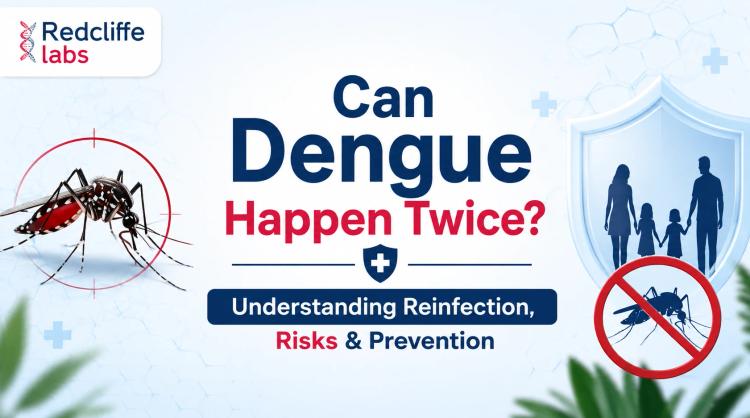
There are four closely related dengue virus serotypes (DENV-1, DENV-2, DENV-3, and DENV-4), which increase the likelihood that a person can be infected more than once in their lifetime. In fact, catching dengue for a second time, with a different virus type, is one of the known reasons the illness can become more severe rather than milder.
Also read:
https://redcliffelabs.com/myhealth/health/what-is-the-typical-dengue-fever-temperature-pattern/
Why Are Dengue Cases Rising?
The sudden spike in cases is closely tied to environmental factors and the life cycle of a specific vector.
- The Vector: Only two mosquito species, Aedes aegypti and Aedes albopictus, can transmit dengue.
- Monsoon and Standing Water: These mosquitoes lay eggs in clean, stagnant water that is usually present in flower pots, old tires, uncovered water storage tanks, and construction sites.
- Daytime Biting Habits: Unlike most mosquitoes, Aedes species are primarily active during the day, with peak activity in the early morning and just before sunset.
- Climate Dynamics: Shifting global temperatures, along with longer rainy seasons, greatly increase the period during which these mosquitoes can breed.
- Increased Travel: Frequent travel between cities and countries allows the dengue virus to spread into newer regions, contributing to a rise in cases.
- Urbanization: Rapid urban growth, poor waste management, and improper water storage create ideal breeding sites for Aedes mosquitoes.
Early Symptoms of Dengue You Should Watch For
Recognizing the progression of dengue symptoms and warning signs early can make an immense difference in clinical outcomes. The presentation typically shifts from classic symptoms to severe warning indicators.
Early or Mild Symptoms
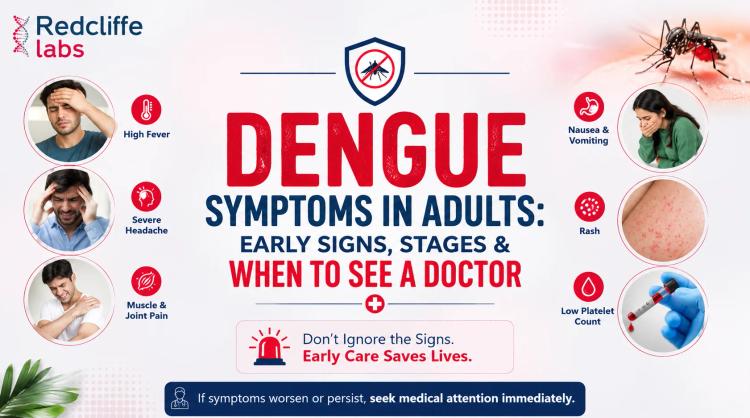
- Sudden high fever (often 38.5°C or higher) lasting 2-7 days
- Severe headache with pain behind the eyes
- Severe muscle and joint pain ("breakbone fever")
- Extreme tiredness and weakness
- A skin rash with red spots may appear during or after the fever phase.
- Nausea and vomiting
- Loss of appetite
Warning Signs that Need Urgent Medical Attention
- Severe abdominal pain or tenderness
- Persistent vomiting (vomiting again and again, unable to keep fluids down)
- Bleeding from the gums or nose
- Vomiting blood or passing black, tar-like stools
- Liver enlargement (hepatomegaly)
- Red or purple spots on the skin (due to bleeding under the skin)
- Very cold hands and feet, feeling faint, or restlessness
- Rapid breathing or difficulty breathing
- Reduced urine output
- Extreme tiredness, irritability, or confusion
- Swelling of the face, hands, or feet due to fluid build-up
These warning signs often appear as the fever begins to subside. They indicate that dengue may be progressing to a more serious stage and requires immediate medical attention. Consult a doctor immediately rather than staying at home.
When Dengue Becomes Dangerous: The Critical Phase
This is the part every reader should pay close attention to. Many people assume that once the fever drops, they are recovering. With dengue, this is not always true. Around the time the fever breaks, the illness can enter a critical phase, marked by increased plasma leakage from blood vessels. During this phase, doctors may observe rising hematocrit, falling platelet counts, rapid heart rate, low blood pressure, and reduced urine output, all of which may indicate plasma leakage and require close medical monitoring.
This critical window usually lasts only 1 to 2 days, but it is when severe complications such as organ damage, internal bleeding, or shock can develop rapidly.
This is why doctors say the day the fever goes away is not the day to relax, but the day to watch the patient most closely.
Also read:
Dengue vs Viral Fever: How Can You Tell the Difference?
Knowing which illness you are dealing with is vital, as the treatment and management plans differ significantly:
| Feature | Dengue | Common Viral Fever |
| High Fever | Yes | Yes |
| Severe body pain | Very common | Mild |
| Pain behind eyes | Common | Rare |
| Rash | Often | Occasionally |
| Platelet drop | Common | Rare |
| Bleeding | Possible | Rare |
| Requires monitoring | Yes | Usually No |
When Should You See a Doctor?
If you suspect dengue, don't wait for your symptoms to become severe before seeking medical advice. Early medical evaluation allows doctors to confirm the diagnosis, monitor your condition, and suggest the appropriate treatment plan.
Keep these points in mind:
- Do not take pain relievers such as ibuprofen or aspirin without medical advice. These medicines can increase the risk of bleeding.
- Don't rely just on your platelet count to judge the severity of dengue. Doctors consider many things, including your symptoms, vital signs, blood test results,s and overall clinical condition.
- Often, the most critical time is the first 24-48 hours after the fever starts to subside. Stay well hydrated, follow your doctor's instructions, and monitor for any warning signs, such as persistent bleeding, extreme drowsiness, or inability to drink fluids.
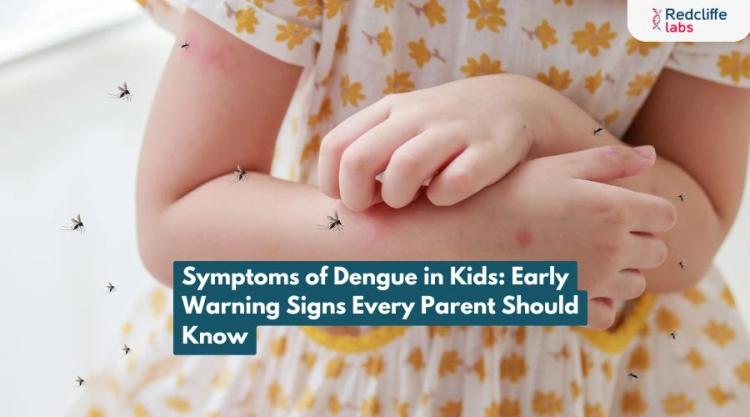
- Infants, the elderly, pregnant women, and patients with chronic medical conditions are high-risk individuals for severe dengue and should seek medical attention early for appropriate monitoring and care.
Action Steps: What To Do If You Suspect Dengue
If you or a loved one begins to show signs of dengue, taking the correct measures immediately helps the body fight the infection and reduces the risk of complications.
1. Consult a Professional Immediately
They may suggest a dengue blood test, such as:
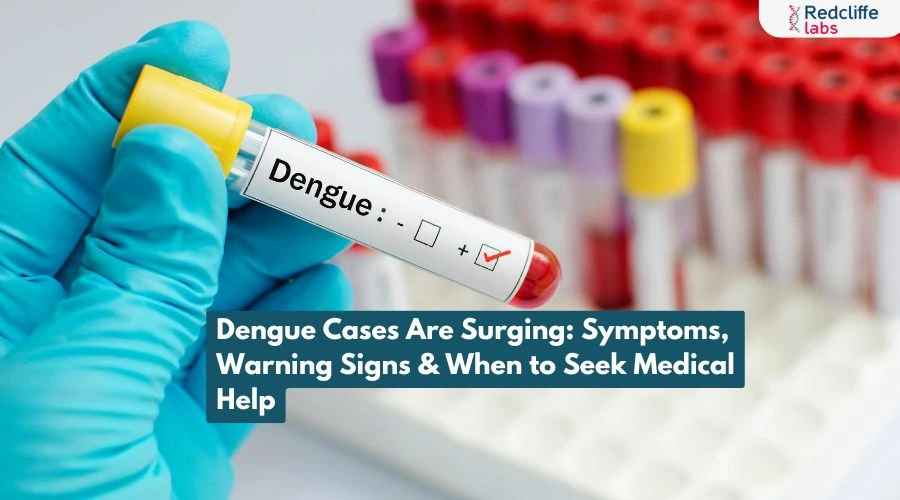
- Dengue NS1 Antigen Test: Is used to detect the dengue virus in the blood in the early stage of the infection, usually 1-5 days after symptoms start.
- Dengue IgM Antibody Test: Detects IgM antibodies, which typically develop 4- 7 days after infection, and can help confirm a recent dengue infection.
- Dengue IgG Test: Detects IgG antibodies that develop later in the infection or from a previous dengue infection, useful in identifying past exposure or secondary dengue.
- Complete Blood Count (CBC): It helps monitor the progression of dengue by measuring blood cells, including white blood cells, red blood cells, hemoglobin, hematocrit, and platelets.
2. Stay Well Hydrated
Drink plenty of water, Oral Rehydration Solutions (ORS), or fresh coconut water to counteract plasma leakage.
3. Use the Right Pain Relief
Take only paracetamol (acetaminophen) to manage your fever and body aches.
4. Take Complete Bed Rest
Allow your immune system to preserve vital energy by minimizing all unnecessary physical activity.
Medical Warning: Do not take ibuprofen, aspirin, naproxen, or any other non-steroidal anti-inflammatory drugs (NSAIDs) unless specifically advised by your doctor. All of these drugs interfere with blood clotting and can significantly increase your chances of life-threatening internal bleeding due to dengue fever.
Dengue and Platelets: Common Myths
| Myth | Fact |
| A low platelet count indicates a severe form of dengue. | Platelet count alone is not considered for severity. Other parameters that help doctors assess disease severity include symptoms, hematocrit levels, vital signs, and plasma leakage. |
| Platelet transfusion is needed as soon as platelet counts start to drop. | Not all patients with dengue require platelet transfusion. It is only needed in certain cases, such as excessive bleeding or a low platelet count, as determined by the doctor's analysis. |
| The lower the platelet count, the greater the bleeding risk. | Bleeding risk depends on several parameters, including the patient's clinical condition. |
| Papaya leaf juice will rapidly increase platelet count. | It may have a limited effect on platelet count, but scientific evidence remains scant. Never use it as an alternative to prescribed medication and hydration. |
| As soon as platelet counts increase, the patient is completely cured of dengue. | Recovery is a positive sign, but patients should continue following their doctor's advice until they have fully recovered. |
Prevention: Reducing Your Risk of Dengue
Because dengue is transmitted through mosquito bites, the best way to prevent it is to eliminate mosquito breeding sites around your home and protect yourself from mosquito bites.
- Eliminate or tightly cover the water-holding containers (buckets, coolers, flowerpots, trays).
- Apply mosquito repellents containing DEET, picaridin, or IR3535, use mosquito nets, and install mosquito screens on doors and windows.
- Put on long-sleeved clothes when the mosquitoes are most active, i.e., in the early morning and evening.
- Ensure proper waste disposal to prevent water from collecting in garbage or debris.
- Support community fogging or larvicide efforts in your area.
- Keep your surroundings clean, especially during and after the rainy season.
By adopting simple preventive measures, a whole community can limit the transmission of dengue and, at the same time, protect target groups from the disease. In particular, during the mosquito season.
Conclusion
Even with rising cases of dengue fever, proper awareness can play a huge role. The disease usually has symptoms similar to those of other viral fevers. But being aware of the symptoms and noting the warning signs as the fever starts to fade can help one avoid major issues. Proper hydration, adequate sleep, protection from mosquitoes, and a doctor's visit for worsening symptoms can help ensure a safe experience.
But early detection is as important as early recognition of symptoms. If someone experiences a persistent high fever, body aches, or warning signs of dengue, it is imperative to visit a doctor immediately. Following the doctor's recommendation, proper diagnostic testing will detect infection and platelet levels to guide appropriate treatment.
Get Tested Early for Timely Treatment
If you need dengue testing after your doctor recommends it, Redcliffe Labs offers services such as NS1 Antigen Test, Dengue IgM/IgG Antibody Tests, CBC, and Platelet Count, , along with convenient home sample collection.
Every test comes with 4x Value Benefits:
- Smart Report - Readable health summaries and trend monitoring, not just figures.
- Expert Consultation - Specialists will decode your results and next steps.
- AI Health Advisor - Available any time you need to answer follow-up questions.
- Personalized Recommendations - Diet and lifestyle tips based on test results.
FAQs
1. Why are dengue cases increasing?
An increase in dengue cases is attributed to various factors, such as prolonged monsoon seasons, high temperatures, urbanization, and inadequate water management. Standing water in containers, coolers, and open tanks serves as breeding grounds for the Aedes mosquito species. Other causes of dengue infection include travel and increased population density.
2. Who is most affected by dengue?
Anyone is vulnerable to dengue infection; however, children, elderly individuals, pregnant women, and those with low immunity and health problems are at an increased risk of acquiring severe dengue infection. People who reside in or travel to regions where the infection is prevalent are more susceptible to mosquito bites.
3. What is the main problem in dengue?
In dengue, the primary risk lies in the development of serious complications, including plasma leakage, hemorrhage, and organ dysfunction. These complications may develop when the patient feels relief from the fever rather than experiencing the disease symptoms. It is crucial to detect the infection early, ensure adequate hydration, and provide appropriate treatment to prevent progression of dengue.
4. How can dengue cases be reduced?
To prevent dengue cases, it is necessary to control mosquito breeding and protect yourself from mosquito bites. Do not allow standing water to remain in containers for long; use insect repellent products; wear long-sleeved clothes; install window screens; cover water tanks. Community awareness and timely public health measures also play an important role in controlling dengue outbreaks.
5. When should you get tested for dengue?
If you suddenly develop a very high fever accompanied by a severe headache, body aches, pain behind the eyes, nausea, or a skin rash, especially during dengue season or after being bitten by a mosquito, you should see a doctor immediately. To confirm the diagnosis and monitor your condition, your doctor may recommend an NS1 antigen test, CBC, or dengue antibody tests.