Can Dengue Happen Twice? Understanding Reinfection, Risks & Prevention

Can you relate to this situation? You once caught dengue, suffered through the high fever and body pain, and finally recovered. You felt sure your body had developed antibodies against dengue and that you would never get it again. But then, after some time, you caught dengue again, and you are confused. Can dengue really happen twice?
The answer is yes. Dengue can strike more than once. And here is the part that surprises most people: the second time can hit you much harder than the first.
This matters a lot in India, because dengue is everywhere around us. In 2024 alone, India reported over 2,33,000 dengue cases and 236 deaths. In fact, India accounts for about one-third of the world's dengue burden. Across the globe, experts estimate that there are 100 to 400 million dengue infections every year. And the numbers in India keep climbing, with health experts forecasting close to 2.78 lakh cases in 2025.
Here in this blog, let's understand why dengue can happen again, why a second attack can be more dangerous, what warning signs you must watch for, which tests can help you, and how you can protect yourself and your family. Let us clear up the confusion once and for all.
What Is Dengue?
Dengue is a viral illness transmitted by mosquito bites. A mosquito called Aedes aegypti carries the dengue virus. When this mosquito bites a person who already has dengue, it picks up the virus. Then, when it bites you, it passes the virus into your blood. You cannot catch dengue directly from another person, only through these mosquito bites.
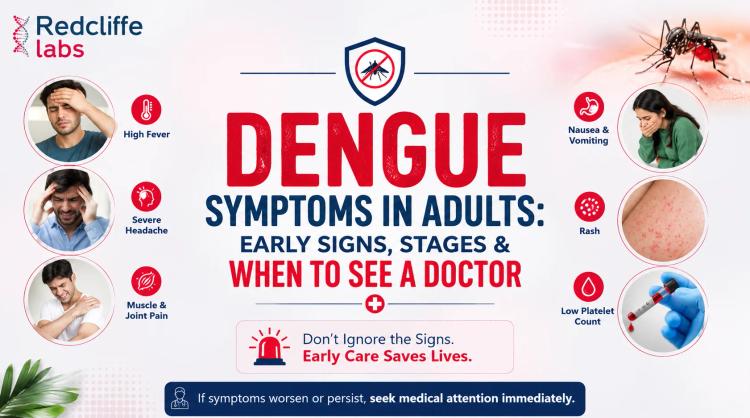
The dengue virus causes a high fever along with body aches, headaches, and tiredness. Doctors sometimes call it "breakbone fever" because the joint and muscle pain can feel so strong. You may also notice pain behind your eyes, nausea, vomiting, swollen glands, or a skin rash. These signs usually start four to ten days after an infected mosquito bites you.
Most people get better within a week or two with rest, fluids, and basic care. But in some cases, dengue can become severe and turn into a medical emergency. This severe form can damage your blood vessels, drop your platelet count, and cause dangerous bleeding. This is why you should never take dengue lightly, even when it starts off feeling like an ordinary fever.
So, Can Dengue Happen Twice? Yes, Here Is Why
To understand why dengue can come back, you need to know one key fact.
The dengue virus is not just one virus. It comes in four serotypes. Doctors name them DENV-1, DENV-2, DENV-3, and DENV-4.
When you catch one type and recover, your body builds strong, lifelong protection against that one type only. So if DENV-1 made you sick, you will likely never get DENV-1 again. But your body stays open to the other three types.
Worse, the small protection you gain against the other three types fades fast. It can last as little as two months. After that, another type of dengue virus can infect you. This is why you can get dengue two, three, or even four times in your life, with a different type each time.
Why Is the Second Dengue Infection More Dangerous?
Many people assume that a second bout of dengue will feel milder simply because their bodies have already encountered the virus once. But the truth is completely different. A second infection caused by a different type of the virus tends to be more serious and, in some cases, can become life-threatening. The scientific reason behind this is known as antibody-dependent enhancement, or ADE. The term sounds complex, but the idea behind it is quite easy to understand.
When you contract dengue for the first time, your body produces antibodies to fight that specific type of the virus. You can think of these antibodies as a trained defense force, ready to recognize a specific enemy. Later, when a different type of dengue virus enters your body, these existing antibodies rush to respond. The problem is that they no longer match the new threat. Instead of destroying the virus, they attach to it and, unintentionally, help it slip into your cells.
Once inside, the virus multiplies far more rapidly than it did the first time. As a result, the very antibodies meant to protect you end up speeding up the infection rather than controlling it. This is what makes a second infection considerably stronger than the first.
In response, your body releases a sudden flood of immune chemicals called cytokines, a reaction widely known as a "cytokine storm." This overreaction can be highly damaging. It can injure your blood vessels, cause severe bleeding, and even lead to organ failure. This is precisely how a second dengue infection can progress into severe, and sometimes fatal, dengue.
Also Read: How Long Does Dengue Fever Last? Symptoms, Stages & Recovery Time
Warning Signs of Severe Dengue You Must Never Ignore
Most dengue cases stay mild and pass with rest. But severe dengue is a true emergency, and it often starts right after the fever drops, typically on days 3 to 7 of the illness.
Rush to a hospital right away if you or a loved one shows any of these warning signs:
- Severe stomach pain that does not ease.
- Vomiting again and again, at least three times a day.
- Bleeding from the gums or nose.
- Blood in your vomit, urine, or stool.
- Bleeding under the skin, which can look like small red spots or bruises.
- Fast or difficult breathing.
- Extreme tiredness, restlessness, or irritability.
- Cold, clammy skin and a feeling of weakness.
These signs indicate that dengue may be worsening. Quick treatment saves lives, so do not wait and watch at home.
Which Tests Help You Confirm Dengue?
You cannot diagnose dengue just from a fever, because many illnesses cause similar symptoms. The right blood tests give you a clear answer, often within hours. If you have a high fever along with body pain, your doctor may suggest these tests.
- Dengue NS1 Antigen Test: This test is most effective in the early stage, usually from day one to day five of fever. It identifies a viral protein called NS1. An early diagnosis helps you start care quickly.
- Dengue IgM and IgG Antibody Tests: These tests detect antibodies your body makes against dengue. The IgM test indicates a recent or current infection and usually becomes positive after day 4 or 5. The IgG test can point to a past infection. In a repeat infection, IgG often rises rapidly, which can suggest you have had dengue before.
- Complete Blood Count (CBC): This is one of the most important tests in dengue. It tracks your platelet and white blood cell counts. In dengue, platelet counts often drop, and a low count warns your doctor of a higher bleeding risk. Doctors usually repeat this test daily to monitor your trend closely.
- Hematocrit (PCV): This test checks how thick your blood is. A rising level can warn that your blood vessels are leaking fluid, a sign of severe dengue.
At Redcliffe Labs, you can book these dengue tests, including the NS1 antigen test, dengue antibody tests, and a complete blood count, with easy home sample collection. Early testing turns fear into clear answers, and clear answers help your doctor act fast. If you have had dengue before and feel feverish again, testing early is even more important.
Read more: When to Do the Dengue Test: Key Factors to Consider
Who is at higher risk for a Second Dengue infection?
Anyone can get dengue, but some people are at higher risk of a severe attack. You should stay extra careful if:
- You have had dengue before. A past infection raises your risk of severe dengue the next time.
- You live in or travel to a high-risk area. Most of India, along with Southeast Asia and other tropical regions, experiences widespread dengue transmission, mostly during and after the monsoon.
- You are pregnant. A pregnant woman can pass dengue to her baby during birth, and the baby may face a higher risk of early birth or low birth weight.
- You are a young child or an older adult. These age groups often fare worse with severe dengue.
If any of these points fit you, take prevention and early testing seriously.
What to Do If You Get Dengue Again
If a test confirms dengue, do not panic. Most people recover well with the right care at home, as long as they stay alert for warning signs. Here is how you can support your recovery:
- Rest fully. Give your body time and energy to fight the virus. Avoid heavy work and stress.
- Drink plenty of fluids. Water, coconut water, fresh juices, soups, and oral rehydration solutions help you stay hydrated. Dengue can dehydrate you, so fluids are important.
- Take only doctor-approved medicine. Use paracetamol for fever and pain if your doctor allows it. Never take aspirin or ibuprofen on your own during dengue, because these can raise your bleeding risk.
- Track your platelet count. Follow your doctor's advice on repeat blood tests so you can watch your trend.
- Watch closely after the fever drops. Remember, the most dangerous stage often begins once your fever falls. Stay alert during days three to seven.
Call your doctor right away if anything feels wrong. With careful monitoring and quick action, most people can safely come through even a second infection.
Also Read: What Foods to Eat in Dengue to Increase Platelets?
How to Protect Yourself and Your Family from Dengue Reinfection
You cannot change the fact that dengue can happen twice. But you can significantly lower your risk with a few smart habits.
- Remove standing water. Empty and clean coolers, flower pots, buckets, old tires, and water containers at least once a week. No still water means no breeding.
- Cover water storage. Keep tanks, drums, and buckets tightly covered so mosquitoes cannot lay eggs.
- Use mosquito repellents. Apply a good repellent to your skin, and use mosquito nets and screens at home.
- Wear full-sleeved clothes. Long sleeves and full pants cover your skin and help reduce bites, especially for children.
- Keep your surroundings clean. Clear blocked drains and remove waste where water can collect.
- Ask about the dengue vaccine. Dengue vaccines are now available for certain age groups, mostly for people who have had dengue once. Talk to your doctor to learn whether a vaccine is right for you or your family.
Small, regular actions protect your whole household. When your neighbors join in too, the whole community stays safer.
The Bottom Line
So, can dengue happen twice? Yes, it can, and the repeat attack can hit harder than the first. The four types of the dengue virus, the rapid fading of cross-protection, and the tricky process of antibody-dependent enhancement all explain why. This is exactly why you should never feel fully safe just because you had dengue once.
The smartest thing you can do is stay alert and act early. Avoid mosquito bites, eliminate standing water around your home, and watch for warning signs of any fever. And if a fever hits, do not wait and guess. Get tested quickly so your doctor can guide you the right way.
Take charge of your health today. Book your dengue tests with Redcliffe Labs, protect your family from mosquito bites, and stay one step ahead of this disease.
FAQ
1. Can I get dengue more than twice?
Yes, you can. Since dengue has four types, you can catch it up to four times in your life, once with each type. Each new infection comes from a different type of the virus.
2. Is the second dengue infection always more severe?
Not always, but the risk goes up. A second infection with a different type can become severe due to a process called antibody-dependent enhancement. This is why you should watch the warning signs closely during any repeat infection.
3. How soon can dengue come back?
Your protection against the other three types can fade in as little as two months. So a second infection can occur in the same year, especially during a major outbreak.
4. Which test confirms dengue early?
The NS1 antigen test works best in the first five days of fever. After that, the IgM antibody test becomes more useful. Your doctor may also order a complete blood count to monitor your platelet count.
5. Does a past dengue infection protect me?
It protects you only against the one type that infected you. It does not protect you against the other three types, and it can even raise your risk of severe illness next time.