Dengue Symptoms in Adults: Early Signs, Stages & When to See a Doctor

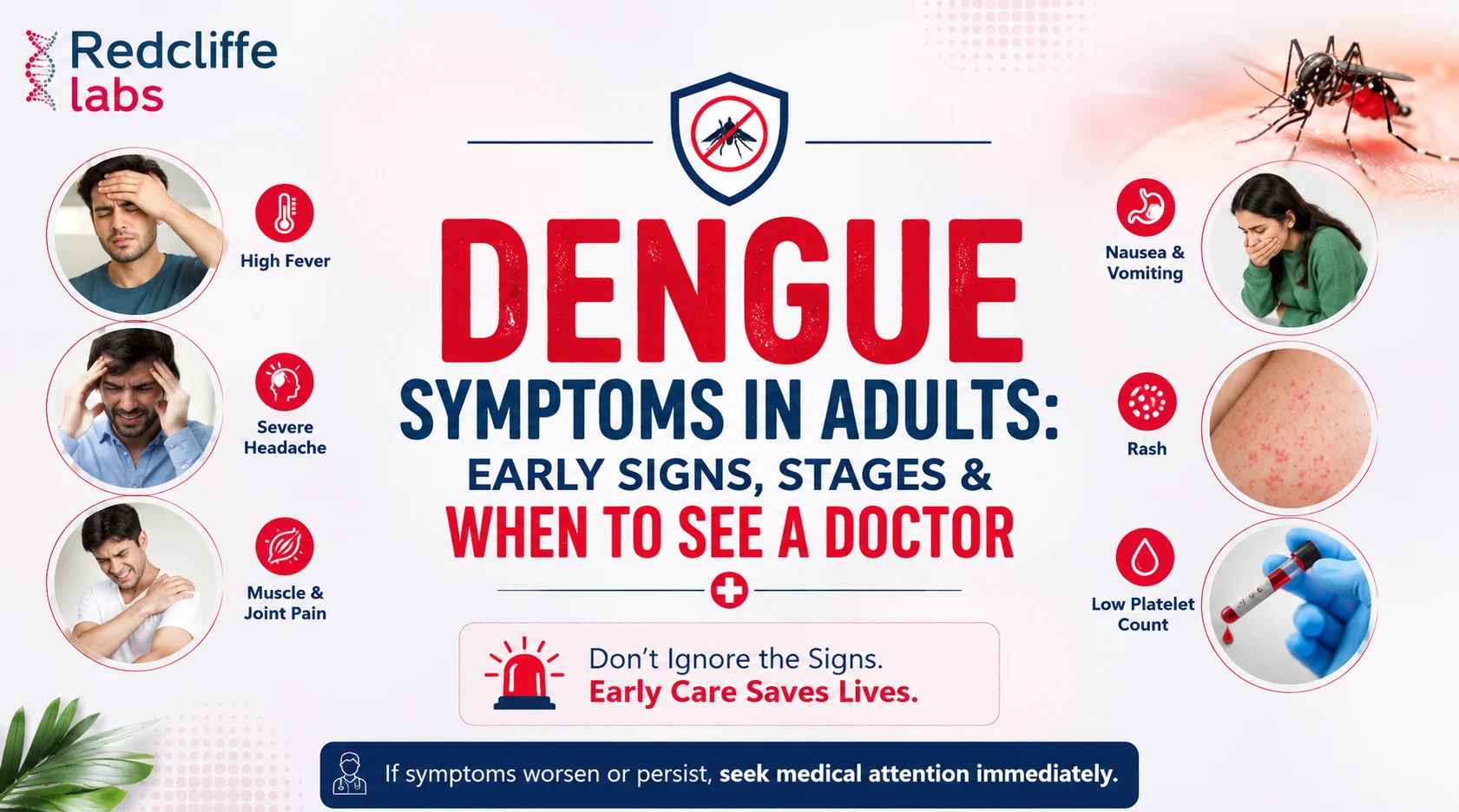
The most dangerous day of dengue is not always the day when your fever is the highest. This may sound surprising, but it's true. Many people think they are getting better when their fever starts coming down. However, this is often the time when dengue can become more serious. During this stage, problems like dehydration, internal bleeding, plasma leakage, and a sudden drop in platelet count may begin.
Dengue is a viral infection spread by the bite of infected Aedes mosquitoes. It is most common during and after the rainy season. In the beginning, you may have a high fever, severe headache, pain behind the eyes, nausea, body aches, and joint pain. As the illness progresses, warning signs like severe stomach pain, repeated vomiting, bleeding gums, unusual bruising, or extreme weakness should never be ignored.
In this blog, you'll learn about the early symptoms of dengue in adults, its different stages, diagnosis, treatment, recovery tips, and simple ways to prevent it. Everything is explained in easy, practical language so you can recognize the signs early and take the right steps at the right time.
Also Read: What Foods to Eat in Dengue to Increase Platelets?
The Early Signs of Dengue in Adults
The incubation period for dengue ranges from 4 to 10 days after being bitten. Once the virus replicates sufficiently within your bloodstream, the onset of symptoms is typically sudden and dramatic. Recognizing these early signs can help you seek a diagnosis before the infection progresses.
- Sudden High Fever: A sudden high fever is usually the first sign of dengue. The fever can rise quickly within a few hours, making you feel very unwell. Along with the fever, you may experience body pain, headache, weakness, and tiredness. If a high fever starts suddenly, especially during dengue season, it is important to consult a doctor.
- Pain Behind the Eyes: Many people with dengue feel pain behind their eyes. The pain may become worse when they move their eyes or look at bright lights. This can make reading, watching TV, or using a phone uncomfortable. If this symptom appears along with a high fever, it could be a sign of dengue.
- Severe Body and Joint Pain: Dengue often causes severe pain in the muscles, bones, and joints. Your whole body may feel sore and heavy, making it difficult to walk, climb stairs, or do everyday activities. The pain can be quite intense and is one of the most common symptoms of dengue.
- Severe Headache: A dengue headache is usually strong and does not go away easily. It is often felt around the forehead and behind the eyes. The pain can make it difficult to concentrate, work, or even rest comfortably. If you have a severe headache along with a high fever, speak to a doctor.
- Nausea and Vomiting: Dengue can upset your stomach, making you feel nauseous or causing repeated vomiting. You may also lose your appetite and not feel like eating. Vomiting can lead to dehydration, so it is important to drink enough fluids. If vomiting continues or you cannot keep fluids down, seek medical care immediately.
- Skin Rash and Redness: Some people develop a red rash or redness on the face, chest, arms, or other parts of the body during dengue. The rash may appear a few days after the fever starts and may or may not itch. Although it is common in dengue, you should still consult a doctor for proper evaluation and care.
How Dengue Symptoms Progress: The 3 Stages
Dengue is an unpredictable illness that moves through three highly distinct phases. Understanding this timeline is life-saving, because the period when you think you are getting better is actually when the virus can become its most dangerous.
Phase 1: The Fever Phase (Usually Days 1 to 5)
This is the first stage of dengue. During this time, you may have a high fever, severe headache, body pain, muscle and joint pain, weakness, and loss of appetite. Your body is working hard to fight the virus, so that you may feel very tired. Drink plenty of fluids, get enough rest, and keep a close watch on your symptoms. If your condition gets worse, contact a doctor immediately.
Phase 2: The Critical Phase (Usually Days 3 to 7)
This is the most important stage of dengue. Many people think they are getting better because the fever starts coming down, but this is when serious problems can begin. Your body needs close monitoring during this time. You may develop warning signs such as severe stomach pain, repeated vomiting, bleeding, or difficulty breathing. Some people may also experience a drop in platelet count and fluid build-up inside the body. If you notice any warning signs, seek medical care immediately.
Phase 3: The Recovery Phase (Usually Days 7 to 10)
If your condition remains stable during the critical phase, you will slowly start feeling better. Your appetite returns, your energy levels improve, and you can eat and drink more comfortably. Some people may notice a mild skin rash or itching, which is common during recovery. Even if you feel better, continue to rest, drink enough fluids, and follow your doctor's advice until you have fully recovered.
Dengue Symptoms by Day: A Quick Timeline
|
Day |
Typical symptoms |
|
1–2 |
Sudden high fever, headache, body ache |
|
3–4 |
Eye pain, nausea, weakness, and rash may appear |
|
4–6 |
Fever may fall; warning signs can begin |
|
6–8 |
Critical stage if severe dengue develops |
|
7–10+ |
Gradual recovery and improved appetite |
Identifying Severe Dengue: The Critical Warning Signs
Severe dengue (historically known as Dengue Hemorrhagic Fever or Dengue Shock Syndrome) is a life-threatening medical emergency. It usually manifests during the critical phase. If you or a loved one experiences any of the following symptoms, go to the nearest emergency room immediately.
Severe Stomach Pain: If you have very bad stomach pain that does not go away, do not ignore it. It can be a sign that dengue is becoming serious. This pain may mean there is swelling or fluid inside the body. Visit the nearest hospital immediately so a doctor can check your condition and start treatment if needed.
Repeated Vomiting: Vomiting again and again is a warning sign of severe dengue. If you cannot keep food or fluids down, your body can become dehydrated very quickly. This makes it harder to recover. Seek medical help immediately, as you may need treatment and fluids to prevent your condition from getting worse.
Bleeding from the Body: If you notice bleeding from your gums or nose, blood in your urine or stool, or bruises that appear without any injury, get medical help right away. These signs may mean your body is having trouble controlling bleeding and needs urgent care from a doctor.
Difficulty Breathing: If you feel short of breath, breathe very fast, or find it difficult to breathe even while resting, go to the hospital immediately. This can happen if fluid starts building up inside the body. Breathing problems are a serious warning sign and should never be ignored.
Extreme Weakness or Confusion: Feeling very weak, unusually sleepy, confused, or unable to stay awake can be a sign that your condition is becoming serious. If you or a family member notices these changes, seek emergency medical care immediately. Quick treatment can help prevent serious complications.
Sudden Drop in Temperature: Sometimes, the fever may suddenly come down, but this does not always mean you are getting better. If your body becomes unusually cold, feels clammy, or you feel faint after the fever drops, go to the hospital immediately. This can be a sign of a serious emergency that needs urgent medical attention.
Diagnosis and Clinical Testing for Adults
You cannot diagnose dengue based on symptoms alone, so specific blood tests are required to confirm the presence of the virus or its antibodies.
-
NS1 Antigen Test
The NS1 Antigen Test is one of the earliest tests used to detect dengue. It looks for a protein released by the dengue virus into the blood. This test works best during the first 1–5 days of fever, when the virus is most active. A positive result strongly suggests a current dengue infection and helps doctors start proper monitoring early.
-
Dengue PCR (Polymerase Chain Reaction)
The Dengue PCR test checks for the genetic material of the virus in your blood. It is a very accurate test and can confirm dengue in the early stage of illness. It can also identify the specific type of dengue virus causing the infection. This information is helpful for doctors and public health experts tracking dengue outbreaks.
-
IgM and IgG Antibody Tests
These tests show how your immune system is responding to dengue. IgM antibodies usually appear around the fifth day of illness and suggest a recent or current infection. IgG antibodies develop later and usually indicate a past dengue infection. Doctors often use these tests when the fever has been present for several days or more.
-
Complete Blood Count (CBC) Monitoring
A CBC is one of the most important tests during dengue. Doctors use it to monitor platelet levels and blood concentration. Falling platelets can increase the risk of bleeding, while rising blood concentration may signal fluid leakage from blood vessels. Regular CBC testing helps doctors detect warning signs early and decide whether closer monitoring or hospital care is needed.
How to Manage and Treat Dengue Safely at Home?
There is no specific antiviral medication to cure dengue. Treatment is strictly supportive, focusing on managing symptoms and preventing dehydration while your immune system fights off the virus.
Stay Well Hydrated
Drinking enough fluids is one of the most important parts of dengue recovery. Fever, sweating, vomiting, and poor appetite can make your body lose water quickly. Sip fluids regularly throughout the day, even if you are not feeling thirsty. ORS, coconut water, clear soups, and fresh fruit juices can help keep you hydrated. Proper hydration supports blood circulation, prevents dehydration, and helps your body recover more comfortably.
Choose Safe Pain Relief
If you have dengue, do not take pain-relief medicines on your own. Some pain relievers can increase the risk of bleeding, which is already a concern in dengue because platelet levels may fall. Instead, always use only the fever or pain medicine recommended by your doctor.
Avoid taking any other pain-relief medicines without medical advice. If your fever is very high, you notice unusual bleeding, or your symptoms get worse, seek medical care immediately instead of trying to treat yourself at home. Always follow your doctor's instructions for safe recovery.
Prioritize Complete Rest
When you have dengue, your body needs plenty of rest to fight the infection. Avoid exercise, lifting heavy objects, or doing household chores until you recover. Even if you start feeling better, continue resting for a few more days. Good sleep and complete rest help your immune system work better, reduce tiredness, and support a faster and smoother recovery.
Also Read: Symptoms of Dengue in Kids: Early Warning Signs Every Parent Should Know
Preventing Dengue: Guarding Your Environment
Since there is no widespread antiviral cure, preventing mosquito bites remains your primary line of defense against dengue fever.
- Dengue mosquitoes lay their eggs in clean, still water. Check your home and surroundings every week for places where water collects, such as flowerpots, buckets, coolers, old tires, and drains. Empty or cover these containers to stop mosquitoes from breeding and reduce the risk of dengue.
- Applying mosquito repellent on exposed skin helps protect you from mosquito bites. Follow the instructions on the product and reapply it when needed, especially if you are outdoors for a long time. Using repellent every day during dengue season is a simple and effective way to stay protected.
- Prevent mosquitoes from entering your home by keeping doors and windows closed or using screens without holes. If possible, use fans or air conditioning, as mosquitoes do not fly well in cool, moving air. Sleeping under a mosquito net can also provide extra protection, especially during dengue season.
- When you go outside, wear loose-fitting clothes with full sleeves and long pants whenever possible. Covering your skin gives mosquitoes fewer places to bite. Light-coloured clothing is also a good choice because it makes it easier to spot mosquitoes and helps keep you comfortable in warm weather.
- The mosquitoes that spread dengue usually bite during the daytime. They are most active in the early morning and again in the late afternoon before sunset. During these times, be extra careful by using mosquito repellent, wearing protective clothing, and avoiding mosquito-prone areas whenever possible.
Conclusion
Dengue in adults may begin with common symptoms such as fever, headache, body aches, and fatigue, making it easy to mistake for a common viral infection. However, the illness can become more serious even when the fever starts coming down. That's why it's important to recognize the warning signs early and get tested without delay. If you or a loved one has symptoms of dengue, avoid self-medication and consult a doctor. You can book the Dengue NS1 Antigen Test by ELISA from Redcliffe Labs for early detection. Redcliffe Labs also offers free home sample collection, smart digital reports, and quick testing services, making it easier to get diagnosed from the comfort of your home and start the right treatment on time.
Frequently Asked Questions (FAQs)
1. What are the first symptoms of dengue in adults?
The first symptoms of dengue usually include a sudden high fever, severe headache, body and joint pain, pain behind the eyes, tiredness, nausea, and loss of appetite. These symptoms often appear 4–10 days after a mosquito bite; since they can look like a common viral fever, getting tested early is important.
2. When should I get tested for dengue?
You should get tested if you have a high fever along with body pain, headache, or other dengue symptoms, especially during the monsoon season or after mosquito exposure. Doctors often recommend the Dengue NS1 Antigen Test within the first 5 days of symptoms for early and accurate detection.
3. When should I see a doctor for dengue?
See a doctor as soon as you notice dengue symptoms. Seek immediate medical care if you have severe stomach pain, repeated vomiting, bleeding from the gums or nose, difficulty breathing, extreme weakness, or confusion. Early treatment and monitoring can help prevent serious complications.
4. Can dengue become serious even after the fever comes down?
Yes. This is one of the most important things to know about dengue. The illness can become more serious when the fever starts dropping below 100.4°F (38°C). This is called the critical phase, and it usually lasts for 24–48 hours. Careful monitoring during this time is essential.
5. How long does it take to recover from dengue?
Most people recover from dengue within 1–2 weeks with proper rest, hydration, and medical care. However, weakness and tiredness may continue for a few more weeks. Following your doctor's advice, drinking plenty of fluids, and attending follow-up blood tests can support a smoother recovery.
6. What should I eat and drink during dengue?
Drink plenty of fluids such as water, ORS, coconut water, soups, and fresh fruit juices to stay hydrated. Eat light, nutritious foods like khichdi, dal, rice, fruits, vegetables, and protein-rich foods. Avoid oily, spicy, and processed foods, and never skip meals if you can eat.
7. Which test is best for early dengue detection?
The Dengue NS1 Antigen Test by ELISA is one of the best tests for detecting dengue during the first 5 days of symptoms. It helps identify the infection early, allowing timely treatment and monitoring. Redcliffe Labs offers this test with free home sample collection, smart digital reports, and quick turnaround for added convenience.