Early Signs of PCOD: 5 Key Symptoms to Watch Out For


Are you also clueless about the irregular menstrual cycle, unexplained weight gain, and sudden attacks of acne on your face?
Don't panic, as you are not the only one. Around 20% to 25% of women of reproductive age in India suffer from the hormonal imbalance health issue of PCOD.
Your body constantly gives you minor signs before they become alarming ones. With the advancement of technology and a sedentary lifestyle, physical and psychological health, along with reproductive health, are being highly affected due to this hormonal imbalance. In this article, you will get to know about the significant symptoms of PCOD that can be detected at an early stage and how you can mitigate the risks associated with it.
Understanding PCOD
This hormonal health issue is referred to as PCOD, which stands for polycystic ovarian disease. It can occur in women who are of reproductive age. It interferes with the menstrual cycle of women when the ovaries start overproducing eggs that accumulate in bulk. This massive number of eggs ultimately converts into several cysts over time, aiding in the enlargement of the ovaries and resulting in the excess production of the male hormone, androgen. This hormonal fluctuation leads to many deteriorating health issues.
PCOD vs. PCOS: What's the Real Difference?
Although these two terms, PCOD and PCOS, sound similar, there is a thin line between these two reproductive health issues.
| Key Factors | PCOS | PCOD |
| Definition | It happens due to the excess production of eggs in the ovaries | It happens due to the excess production of male hormone (androgen) |
| Influence on fertility | More critical risks are associated with premature birth | A less severe pregnancy is possible with medical assistance. |
| Health complications | May cause diabetes, hypertension, etc. | Does not cause severe health problems |
| Treatment | With hormonal medicare | With lifestyle improvement |
Root Causes of PCOD
According to healthcare professionals, such as doctors, it is believed that the exact triggers of PCOD are not yet defined, and it is still unclear in medical science. But doctors firmly believe that there can be hormonal and genetic factors that can be associated with this health issue.
1. Hormonal Factors
During PCOD, the production of male hormones (androgens) is increased, which results in the formation of cysts in the ovaries that disrupt the menstrual flow. Additionally, insulin resistance exacerbates this hormonal variation. Women suffering from this health condition develop insulin resistance that, in turn, increases the production of androgens, which triggers the pancreas to produce more insulin. This process increases cyst formation in the ovaries.
2. Genetic Factors
Some studies have shown that PCOD in females can be due to a specific genetic history in the family. The probability of getting diagnosed with this hormonal disorder is higher if any woman from the family, from any generation, has suffered in her lifetime. Although the unhealthy and modern lifestyle that is followed by today's generation can be an add-on factor of having PCOD at a very early age.
Also Read: PCOD Diet Chart: A Guide to a Healthier Lifestyle
Top 7 Symptoms of PCOD Every Woman Should Recognize Early
Specific evident symptoms should not be ignored if you are facing any irregularity in your menstrual cycle:
- Irregular menstruation: Ovulation failure causes women with PCOD to miss periods frequently. When some immature follicles in the ovaries are unable to produce eggs, the menstrual cycle is disturbed.
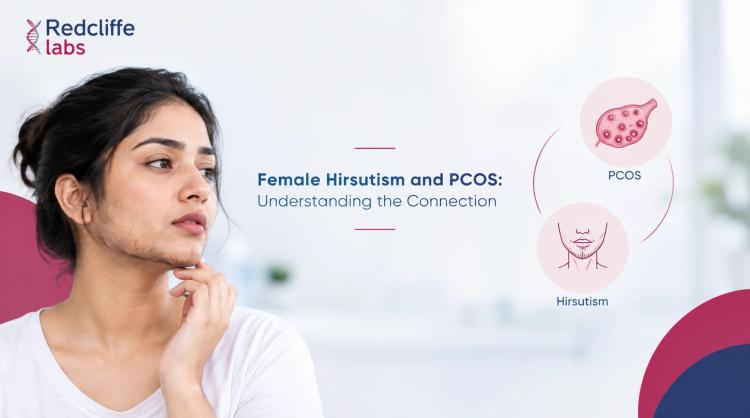
- Overgrowth of facial and body hair: An increase in testosterone levels frequently causes unwanted hair growth on the face, chest, or belly. PCOD is commonly associated with this disorder, which is called hirsutism.
- Acne-Prone Skin: On the cheeks and jawline, persistent acne is one of the apparent signs of PCOD. Acne and breakouts of oily skin are caused by high androgen levels that overstimulate oil glands.
- Infertility: Because PCOD causes irregular egg releases, it interferes with a woman's menstrual cycle, decreasing the likelihood of a natural conception, particularly if she does not receive medical help.
- Scalp hair thinning: When PCOD is present, the hair around the crown gradually thins, causing receding hairlines that resemble male pattern baldness. Another primary symptom is hair loss.
- Weight Gain: In women with PCOD, unexplained weight gain or trouble losing weight is a common symptom. This occurred as a result of insulin resistance and hormonal imbalance. Overweight or obese women make up almost half of PCOD patients.
- Mood swings: The primary symptoms of PCOD, which are brought on by frequent hormonal changes, include feelings of emotional ups and downs, anxiety, and sadness. It affects the stress response and how the brain works.
Major Health Risks Associated With PCOD
Simple lifestyle adjustments might help control PCOD, but a little ignorance can have long-term consequences. These are a few health hazards associated with this hormonal shift:
- According to studies, women with PCOD are more likely to develop type 2 diabetes early in life due to the persistence of insulin resistance.
- Absent periods disturb the regular ovulation process, which increases the risk of infertility in women.
- Women with polycystic ovarian disorder mainly deal with the struggle of losing weight, especially belly fat. It is directly linked to obesity, and this increases the risk of hypertension and heart disease.
- Women with PCOD often suffer from elevated bad cholesterol (LDL) levels and low good cholesterol (HDL) levels. This leads to the issue of developing non-alcoholic fatty liver.
- The chances of getting endometrial cancer increase by 3 times in women with PCOD due to irregular menstruation.
- Mental health issues like getting depression, feelings of anxiety, and low confidence are the common psychological issues women with PCOD deal with in everyday life, and these can get stretched over an ass period.
Tips to Prevent PCOD Naturally
Women with PCOD might avoid being impacted by this health condition if they receive the proper diagnosis and treatment at the appropriate time. Women can take the following preventative measures to address this health condition naturally:
- Know your body mass index and manage your weight accordingly, as weight management solves 90 percent of health issues, including PCOD.
- Move your body regularly by incorporating exercises such as brisk walking, weight training, and yoga poses like Supta Baddha Konasana and Bhujangasana to help balance your hormones.
- Nature walks, yoga poses for meditation, daily journaling, and connecting with loved ones can help decrease the spike in cortisol levels, a stress hormone. This eventually proves peace of mind.
- Poor sleep has a direct impact on insulin levels and can trigger weight gain. Avoid binge snacking at night and limit screen time for at least 1 hour before bedtime. Maintain a healthy circadian rhythm and get 7-8 hours of quality sleep daily.
- Less consumption of dairy-based products can help manage PCOD in the long run. Include herbal teas like cinnamon tea, spearmint tea, and ayurvedic combinations like Shatavari & Ashwagandha.
- Add green leafy vegetables, lentils, whole grains, anti-inflammatory foods, healthy fats, and low-glycemic-index foods to your balanced diet. These foods help control sugar spikes and insulin levels.
Essential Blood Tests for PCOD diagnosis and management
For the accurate diagnosis of PCOD and to direct future treatment, these tests will be helpful if you experience persistent weakness, mood swings, sudden weight gain or loss, development of unwanted hair over your face and chin, persistent acne, and hair loss problems.
- Thyroid Profile Total
- Follicle Stimulating Hormone (FSH Test)
- Estradiol Test (E2)
- Insulin Fasting Test
- Lipid Profile Test
- HBA1C Test
- Vitamin D Test (Vitamin D 25 Hydroxy
Final Thoughts on PCOD
The typical menstrual cycle lasts between 21 and 35 days. Missing your period occasionally is acceptable, but if it persists, it is cause for concern. Don't disregard these concerning indications of PCOD, whether you are dealing with mood swings, undesirable hair growth, or irregular periods. In women, these symptoms can differ. By treating it at the appropriate time, early detection can prevent serious health harm and help you live a healthy life. This serious health problem in women does not appear overnight; it first manifests as a variety of symptoms.
In India, millions of women have been secretly facing PCOD, a significant health condition, every day for years. PCOD can be naturally managed by incorporating sustainable lifestyle practices into daily life; crash diets and quick fixes won't help. Schedule a routine health examination at Redcliffe Labs, as your well-being should be a top priority.
FAQs
Q1. Can I reverse PCOD permanently?
There is no complete "cure," but symptoms can be managed and even reversed through lifestyle and medical interventions.
Q2. Does PCOD always cause infertility?
No. Many women with PCOD conceive naturally or with minimal support.
Q3. Is PCOD the same as PCOS?
PCOD refers more to cysts in the ovaries, while PCOS involves a broader range of hormonal issues. The terms are often used interchangeably.
Q4. Are PCOD symptoms the same in every woman?
No, symptoms vary widely depending on age, body type, hormone levels, and other health factors.
Q5. How can I naturally manage PCOD?
Focus on a balanced diet, regular exercise, reduced sugar intake, sleep hygiene, and stress management.