Are Food Cravings a Sign of Nutrient Deficiency? What to Know Before Taking Supplements

Overview:
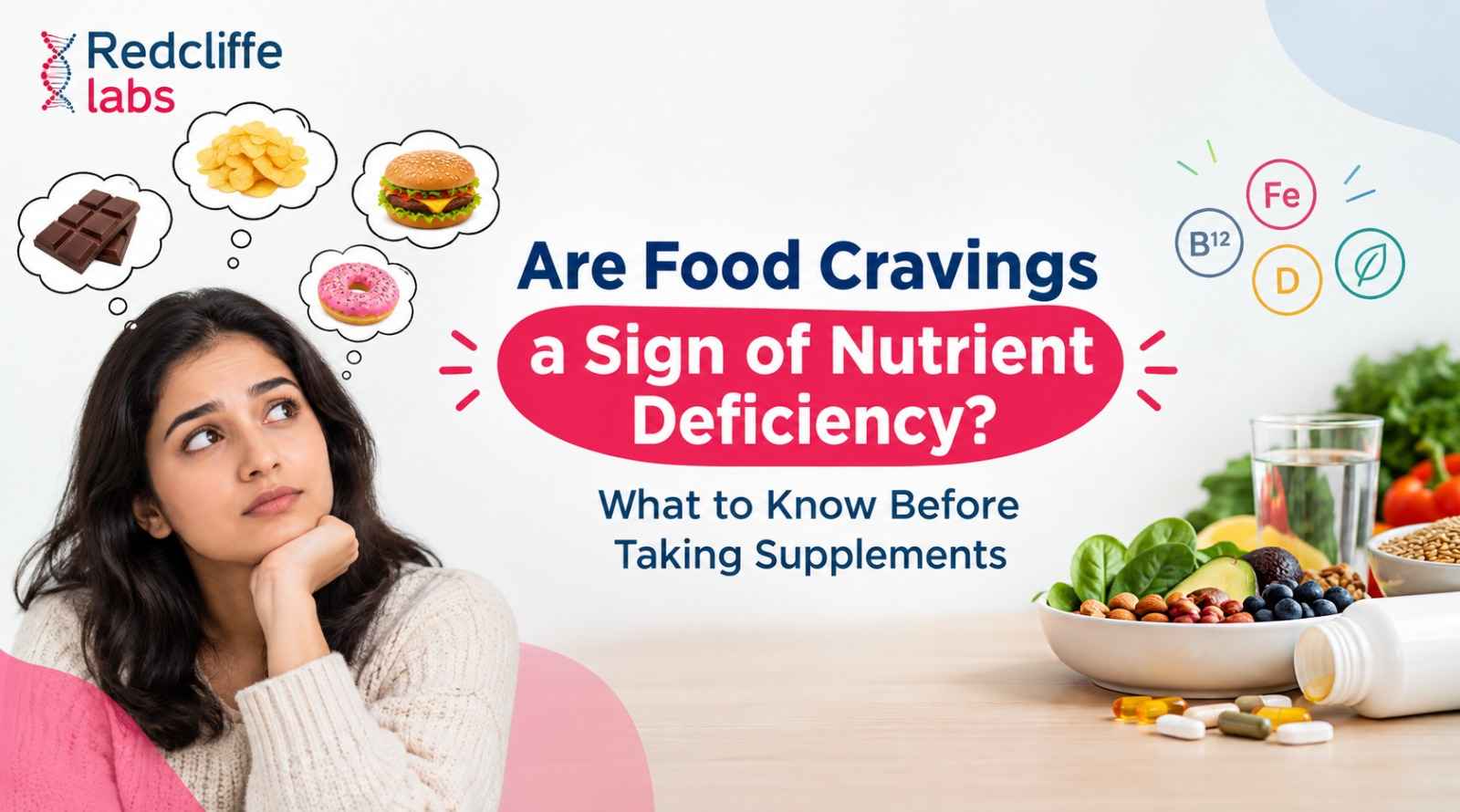
- Food cravings do not always mean a nutrient deficiency: hunger, stress, sleep, emotions, habits, and food preferences can all influence cravings.
- Some unusual cravings have stronger links to deficiencies, especially persistent ice cravings, which can be associated with iron deficiency.
- Popular claims like “chocolate cravings mean low magnesium” are not reliable, so a craving alone should not be used to diagnose a deficiency.
- Persistent or unusual cravings, especially with fatigue or other symptoms, may need further evaluation through appropriate tests and medical advice.
- Supplements can help when a deficiency is confirmed, but choosing the right supplement, dose, and timing matters for safe and effective use.
Imagine walking past a bakery, completely fine one second, and hopelessly consumed by the urge for a warm pastry the next. We’ve been conditioned to label these moments as "cheating" on our diets or falling victim to a weak sweet tooth. We feel guilty, promise to do better tomorrow, and move on.
But modern science tells a very different story. Your brain doesn't trigger an undeniable, out-of-nowhere urge for specific foods just to sabotage your goals. Often, those intense cravings are your body's survival code; an intuitive attempt to fill critical nutrient shortfalls like magnesium, iron, or sodium. Instead of fighting your appetite, learning to decode these signals and plug the gaps with smart nutrition and supplements might just be the ultimate health shortcut you've been missing.
What Is the Meaning of Food Cravings?
In order to know why you have cravings for particular foods, it is necessary to distinguish between physiological hunger and psychological cravings.
Physiological hunger builds up slowly. It is physically felt, mostly in your stomach, and it can be satisfied by eating practically any balanced food. A craving, however, is sudden, very specific, and fundamentally connected to the reward center of the brain.
Whenever you experience a strong craving for food, it is likely that your brain is producing dopamine, the chemical that signals pleasure and motivation. Foods made using ultra-processing and containing the ideal combination of sugar, salt, and fat produce a huge surge of dopamine. Over time, the brain creates powerful connections associating stress, boredom, or sadness with the comfort of these foods.
Are Food Cravings Actually a Sign of Nutrient Deficiency?
For the vast majority of people, food cravings are not a direct signal of a nutrient deficiency.
When food cravings are based on deficiencies of nutrients, then a magnesium-deficient person will crave either pumpkin seeds or black beans, but not brownies or chocolate chip cookies. If you have less calcium in your body, you will have cravings for plain yoghurt or milk products, but never for greasy mozzarella sticks.
Although your body is pretty good at sending signals when there is an overall lack of calories, it still does not come up with such a specific craving for food just because of a deficiency of some specific micronutrient. The primary drivers behind most day-to-day cravings are blood sugar swings, chronic stress, poor sleep, habit conditioning, and dietary restriction.
Food Cravings and Nutrient Deficiencies Chart: What Does the Evidence Say?
Your brain immediately reacts when levels of important minerals and vitamins become lower than acceptable. It sends you signals of extreme hunger that will lead you to the right foods that are required to replenish these nutrients.
Instead of guessing what your appetite means, use this quick cheat sheet to match common urges with their potential nutrient gaps and healthy solutions:
| What are you craving? | Commonly linked to | What the evidence says? |
| Ice | Iron deficiency | One of the stronger associations; persistent ice craving/pagophagia can occur with iron deficiency. |
| Salty foods | Sodium | The body can develop a physiological salt appetite during sodium depletion, but ordinary salty-food cravings don't prove deficiency. |
| Chocolate | Magnesium | A popular claim, but chocolate craving alone isn't a reliable sign of magnesium deficiency. |
| Sweets | Chromium/other nutrients | No established one-to-one deficiency relationship. Hunger, sleep, stress, and food reward can contribute. |
| Bread/carbohydrates | B vitamins | No reliable evidence that carb cravings specifically indicate a B-vitamin deficiency. |
| Cheese/dairy | Calcium | A craving alone cannot establish calcium deficiency. |
| Protein-rich foods | Protein | Nutrient-specific appetite is biologically plausible, but craving protein isn't a diagnostic sign of protein deficiency. |
| Non-food substances | Iron and other factors | May indicate pica and deserves more attention than an ordinary food craving. |
Remember:
A craving is a clue, not a diagnosis. The strength of the nutritional connection varies considerably depending on the type of craving.
Which Cravings May Actually Need More Attention?
While craving chocolate chip cookies suggests mild magnesium or energy deficiencies, some strange cravings indicate major medical issues.
A common example is pica, which is a condition that compels sufferers to want non-food substances such as ice, dirt, clay, chalk, or paper.
Medical research indicates a clear connection between pagophagia (compulsive eating of ice) and iron deficiency anemia. Ice chewing increases the volume of blood that will flow through vessels in the brain. This is helpful for overcoming brain fog and fatigue in individuals with anemia. If you happen to consume ice every day, do not diagnose your issue; just get your blood tested as soon as you can.
Why Am I Craving So Much Food All of a Sudden?
Even when a nutritional gap sets the stage, day-to-day lifestyle habits can turn up the volume on your appetite:
- Blood Sugar Rollercoasters: The skipping of meals or consuming refined carbohydrates will cause quick spikes and drops in your blood sugar levels, thus making your brain crave sugar.
- Sleep Deprivation: This will result in low levels of leptin (hormone for feeling full) and high levels of ghrelin (hormone for hunger).
- High Cortisol: Chronic stress floods your system with cortisol, driving urges for heavy fats and carbs to store energy for perceived threats.
How to Stop Food Cravings When You're Not Hungry?
4-Step Action Plan to Manage Deficiency-Driven Cravings:
1. Check: Hunger or a Specific Craving?
Ask yourself a simple question: Would I eat a proper, balanced meal right now (like salmon, eggs, or vegetables)?
- If Yes: You are simply hungry.
- If No (you only want one specific food): Emotions, stress, habit triggers, or a targeted nutrient gap are at play.
2. Run the 4-Step Deficiency & Habit Audit:
- Decode the Missing Nutrient: Refer to the craving chart to find out which mineral or vitamin may be in short supply in your body.
- Prioritize Whole Foods: Start off by closing the gap with food sources high in nutrients, including fruits and vegetables, nuts, seeds, and healthy proteins.
- Build More Satisfying Meals: Make sure to eat a source of protein plus some fiber plus a little bit of healthy fat in every single meal. This will help keep your blood sugar balanced, so that you don't get hungry as fast and feel like you're always eating and not really getting full.
- Audit sleep and stress: Lack of sleep, stress, boredom, or other factors such as emotions may be contributing to your cravings. Pay attention to when the craving first hit you and what was going on when it did.
3. Don't Ignore Red-Flag Deficiencies:
Most cravings that people may experience on a day-to-day basis go away once they sleep better and eat more balanced meals. However, unusual cravings, such as craving ice constantly or non-food cravings (known as pica), are real physiological signals that imply that something should be examined by a doctor.
4. Food First, Supplements When Confirmed:
Supplements have the ability to remedy real gaps in nutrition instead of acting like some magic solution for stress. You must choose the right supplements according to objective lab analysis of your blood and your real nutritional needs, instead of giving in to spontaneous temptations.
Food Cravings in Early Pregnancy: Do They Mean a Nutrient Deficiency?
Pregnancy cravings come from hormones, a hijacked sense of taste and smell, and shifting appetite; not your body flagging a nutrient gap. Here's the quick breakdown.
- Hormones Surge Fast: hCG, estrogen, and progesterone levels increase quickly, affecting one’s sense of taste and smell. That is why nausea and cravings tend to occur simultaneously.
- Smell Goes into Overdrive: Smelling coffee or specific kinds of food may be a real nightmare, while some scents are extremely appetizing.
- Taste Shifts Too: It is common to have a metallic taste that makes certain foods appealing and others disgusting.
- Appetite Swings, Not Spikes: Nausea prevents you from eating meat or eggs but makes you crave crackers or toast.
- Comfort and Nostalgia Play a Role: Foods that were eaten in childhood during sick days return to the picture; all feelings are rooted in memory rather than biology.
- Culture Shapes Cravings Too: So-called classic cravings differ in various countries around the world, proving that cravings are not only hormonal.
- One Craving ≠ One Deficiency: A real deficiency leads to craving foods rich in nutrients rather than potatoes. Cravings are comfort instead of a diagnosis.
Exception: However, one exception can be noted. Craving ice, earth, and chalk indicates iron deficiency. Everything else should be decided through blood tests.
When to Get Tested for a Nutritional Deficiency?
Be sure to gather lab data before filling your shopping cart with an abundance of pills. The indiscriminate use of heavier supplements to satisfy cravings might alter other nutrients in the body.
Going for a blood profile will be wise if your cravings are accompanied by any of the following symptoms: extreme fatigue, thinning hair, brittle nails, strange paleness, or memory troubles.
Essential Blood Tests:
- Serum Ferritin & CBC: Checks total iron stores and flags early anemia.
- Magnesium Test: A blood test measuring magnesium levels in your blood.
- Vitamin D2, D3 & D Total: It measures the levels of Vitamin D2, D3, and total Vitamin D in the blood to assess overall vitamin D status.
- Serum Vitamin B12 & Zinc: Assesses nerve function, cell metabolism, and immune health.
Which Supplement Should You Take and When? A Simple Daily Timing Guide
Important: Supplements should be taken when they are actually needed. Your doctor or dietitian may recommend a different schedule depending on your deficiency, dose, medicines, and medical condition.
| Supplement | When to take it | Quick tip |
| Vitamin D | After breakfast/main meal | Take with some dietary fat for better absorption. |
| Vitamin B12 | After breakfast | With or without food; breakfast is simply an easy routine. |
| B-complex | After breakfast | Take with food if it causes stomach discomfort. |
| Folic acid | After breakfast | Can be taken with or without food. |
| Iron | Morning, before breakfast | Best on an empty stomach. Keep it away from tea, coffee, dairy and eggs for about 2 hours. |
| Vitamin C | Breakfast or lunch | Can be taken with iron to help absorption. |
| Magnesium | With dinner/evening meal | Taking it with food may reduce stomach upset. |
| Calcium carbonate | With a meal | Food helps its absorption; avoid taking large doses all at once. |
| Calcium citrate | Any time | Can be taken with or without food. |
| Zinc | After a meal | Taking it with food may help prevent nausea. |
| Vitamin A | With a meal | Take with some fat; avoid high doses unless advised. |
| Vitamin E | With a meal containing fat | Avoid high-dose self-supplementation. |
| Vitamin K | With a meal | Keep intake consistent, especially if taking warfarin. |
| Omega-3 | With lunch or dinner | Taking it with a meal is a practical option. |
| Multivitamin | After breakfast | Take with food; check the product label for specific instructions. |
Which Supplements Should Not Be Taken Together?
Taking supplements involves not only the type of supplement but also knowing how to combine them. Certain combinations will either reduce their absorption or produce bad interactions.
- Iron + Calcium: It is better to space these two out. This is because calcium can inhibit the absorption of iron. For example, you may take iron first thing in the morning and take calcium later in the day with food.
- Iron + Tea, Coffee, or Dairy: These can hinder iron absorption. If you are taking iron, make sure you leave out at least 2 hours before or after your supplement when consuming tea, coffee, milk, yogurt, cheese, or eggs.
- Magnesium + Certain Medicines: Magnesium can affect the absorption of some antibiotics and bisphosphonates, so they may need to be taken several hours apart. Check the medicine instructions or ask your doctor/pharmacist.
- Vitamin K + Warfarin: If you take warfarin, don't suddenly start, stop, or change your vitamin K intake without medical advice. Consistency is important.
- The Simple Rule: Before introducing multiple supplements in your lifestyle, make sure to check how they are interacting with each other, positively or negatively, along with the regular medications you take.
When Should You Speak to a Doctor About Food Cravings?
Some cravings may not merit concern, but cravings that are very strong or are out of the ordinary require investigation, especially in the case that they occur along with other changes.
Consult a medical professional if you experience any of the following:
- An enduring desire to eat ice or any other substance that does not normally count as food.
- The craving for ice that occurs alongside tiredness, weakness, or other symptoms of anemia.
- A sudden increase in appetite where this increase cannot be explained.
- Cravings and weight changes, either gaining or losing weight.
- Uncontrolled thirst or needing to urinate frequently.
- Unusual tiredness or weakness and other symptoms that are hard to get rid of.
The Bottom Line
Food cravings can sometimes overlap with nutritional needs, but they aren't a reliable way to diagnose a deficiency. While popular charts may claim that chocolate means magnesium deficiency or sweets mean a particular nutrient deficiency, the evidence is much more nuanced. Persistent ice or non-food cravings are more clinically meaningful and may warrant evaluation for iron deficiency or other causes.
FAQs
-
What are 10 signs of poor nutrition?
Symptoms may include continuous fatigue, weakness, sudden weight changes, poor focus, skin or hair changes, bad nails, a lot of illnesses, slow healing of wounds, problems of digestion, or appetite shifts. However, these symptoms are not necessarily caused only by nutritional deficiency, and they may be caused by other factors as well.
-
Can nutrient deficiencies cause food cravings?
Certain nutritional deficiencies are believed to cause certain cravings; however, this is not true for every nutrient. Take ice cravings, for instance. Ice craving is known to have a link to iron deficiency. On the other hand, cravings for chocolate, sweet items, or savory dishes are not necessarily associated with a definite nutrient deficiency but depend on different factors.
-
What do you crave when B12 is low?
There is no specific food craving that reliably indicates vitamin B12 deficiency. Low B12 is more commonly associated with symptoms such as fatigue, weakness, numbness or tingling, and changes in blood counts. A blood test is a more reliable way to assess B12 status than trying to interpret cravings.
-
Why am I suddenly having food cravings?
Sudden cravings can be linked to hunger, restrictive eating, stress, poor sleep, emotions, food habits, or environmental cues. If cravings are new, persistent, or accompanied by unexplained symptoms, it's worth looking at the bigger picture rather than assuming a nutrient deficiency.
-
What do food cravings mean emotionally?
Sometimes, a craving can be connected to stress, boredom, comfort, mood, or learned associations with particular foods. Notice whether the craving appears repeatedly in certain situations—for example, during stressful days or while watching TV
-
Can poor nutrition make you crave more food?
Yes. Not eating enough can make hunger and food cravings stronger. Long gaps between meals, restrictive diets, or consistently eating too little can increase the desire for food, particularly when your body is trying to meet its energy needs.