10 Effective Stress Management Techniques to Improve Mental Health

Overview:
- Stress is a natural response to challenging situations, but prolonged or unmanaged stress can affect mental health, sleep, concentration, mood, and physical well-being.
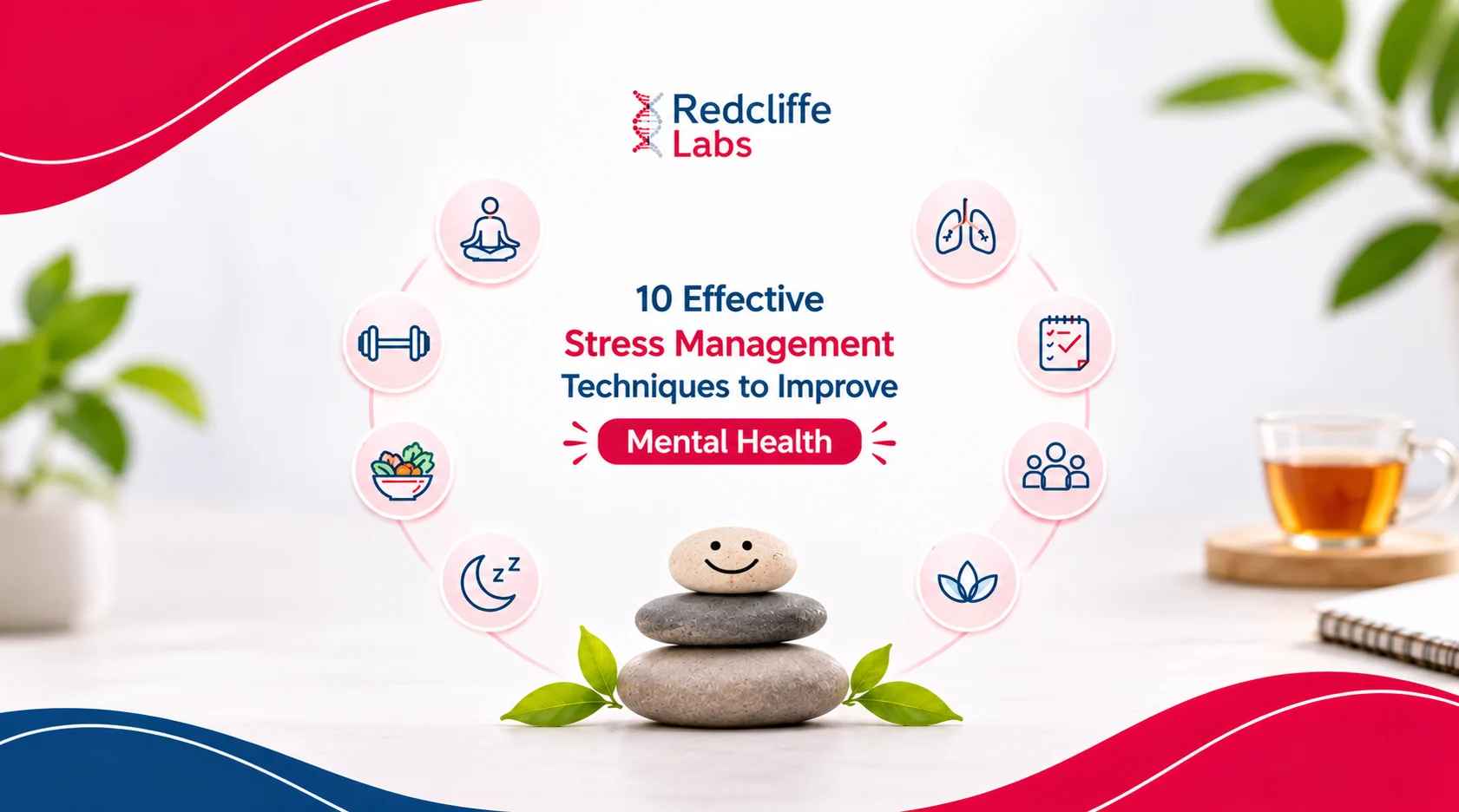
- 10 effective stress management techniques include deep breathing, mindfulness, regular exercise, healthy sleep habits, time management, cognitive reframing, social connection, spending time outdoors, journaling, and pursuing enjoyable activities.
- Deep breathing and grounding exercises can help manage immediate stress, while regular physical activity, adequate sleep, and healthy daily routines can support long-term stress management.
- Identifying personal stress triggers is important because work pressure, financial concerns, relationship difficulties, and everyday responsibilities may require different coping strategies.
- Persistent stress that interferes with sleep, relationships, or daily activities should not be ignored. Speaking to a qualified mental health professional can help identify appropriate support and treatment.
You finish one task, but three more are waiting. Work deadlines, family responsibilities, financial concerns, or even small everyday problems can leave you feeling mentally exhausted. Sometimes, the pressure does not disappear even when the stressful situation is over.
When stress becomes frequent or difficult to manage, it can affect your sleep, concentration, mood, and physical health. While you may not be able to control every stressful situation, you can develop healthier ways to respond to it.
The right stress management techniques can help you manage immediate pressure, recognise unhelpful thought patterns and build habits that support your mental well-being. Here are 10 practical approaches you can start incorporating into your daily routine.
10 Stress Management Techniques to Help You Cope Better
1. Deep Breathing Exercises to Manage Immediate Stress
When you are under pressure, you may notice that your breathing becomes quicker or your muscles feel tense. Instead of reacting immediately, taking a few moments to slow your breathing can give you an opportunity to pause and settle yourself.
One simple method is diaphragmatic breathing, which involves breathing deeply using your diaphragm rather than taking shallow breaths from your chest.
Try this simple breathing exercise:
- Sit comfortably and place one hand on your chest and the other on your abdomen.
- Breathe in slowly through your nose, allowing your abdomen to rise.
- Breathe out gently through your mouth.
- Continue for a few minutes without forcing or holding your breath.
When can it help? Try this before a presentation, during a difficult conversation, or when you feel overwhelmed by multiple responsibilities. Keep your breathing comfortable and stop if you feel dizzy.
Also Read: How to Manage Stress and Anxiety Through Breathing Techniques
2. Practise Mindfulness and Meditation
Do you sometimes find yourself replaying a conversation or worrying about something that has not happened yet? Repeatedly focusing on these thoughts can make it harder to concentrate on what you are doing.
Mindfulness involves paying attention to the present moment, including your thoughts, feelings, and surroundings, without immediately judging them. Meditation is one way to develop this awareness.
A simple five-minute mindfulness practice:
- Sit in a comfortable position and notice your surroundings.
- Focus on the natural rhythm of your breathing.
- When your mind wanders, notice the thought without criticising yourself.
- Gently bring your attention back to your breathing.
- Continue for five minutes.
You can also practise mindful eating by paying attention to the taste, texture, and smell of your food rather than eating while scrolling through your phone.
The aim is not to empty your mind. It is to become more aware of where your attention goes and practise bringing it back.
3. Include Regular Physical Activity in Your Routine
Physical activity is not just about fitness or weight management. It can also support mental well-being by giving you a break from repetitive thoughts and helping you maintain a healthy daily routine.
You do not need to join a gym or follow an intense exercise programme to get started.
Choose an activity that fits your lifestyle:
- Take a brisk walk after lunch or dinner.
- Practise yoga or stretching to break up long periods of sitting.
- Try cycling, swimming or dancing if you enjoy these activities.
- Take short movement breaks between work tasks.
If you spend most of your day at a desk, start by adding a short walk or a few minutes of movement to your routine. Gradually build towards regular physical activity according to your fitness level.
The important part is consistency. Choose something you can realistically continue rather than following a routine that adds more pressure.
4. Improve Your Sleep Routine
Have you ever noticed that a small problem feels much bigger after a night of poor sleep? Sleep and stress can influence each other. Stress may make it difficult to fall asleep, while inadequate sleep can affect concentration, mood, and your ability to cope with daily challenges.
Building a consistent sleep routine can help.
Habits that may improve sleep quality include:
- Going to bed and waking up at approximately the same time every day.
- Keeping your bedroom quiet, dark, and comfortable.
- Avoiding excessive caffeine, particularly later in the day.
- Reducing screen use before bedtime if it interferes with your sleep.
- Following a relaxing routine, such as reading or listening to calming music.
Most adults need around 7–9 hours of sleep each night, although individual requirements can vary.
If sleep difficulties continue despite changes to your routine, consider discussing them with a healthcare professional.
Also Read: 11 Tips to Get a Good Sleep
5. Manage Your Time and Set Healthy Boundaries
A packed schedule can make you feel as though you are constantly catching up. The pressure often increases when every task seems equally urgent or when you find it difficult to say no to additional responsibilities.
Time management helps you decide what needs your attention first instead of trying to do everything simultaneously.
Try the following approach:
- Make a priority list: Separate urgent tasks from those that can wait.
- Break large tasks into smaller steps: Instead of writing "complete the project", list the individual actions required.
- Set realistic deadlines: Allow enough time for unexpected work or delays.
- Take planned breaks: Avoid working continuously without giving yourself time to reset.
- Set boundaries: Communicate when you are unavailable and avoid taking on more than you can reasonably manage.
For example, if you have several deadlines in one week, identify the task that needs attention first. Complete one manageable step before moving to the next.
Remember, managing your time is not about fitting more work into your day. It is about making your responsibilities more manageable.
6. Use Cognitive Reframing to Challenge Stressful Thoughts
Sometimes, a situation feels more stressful because of the conclusions we draw from it.
Imagine you make a mistake during a presentation. You might immediately think, "I am terrible at my job" or "Everyone must think I am incompetent." These conclusions can increase worry even though one mistake does not define your abilities.
Cognitive reframing involves recognising unhelpful thought patterns and considering a more balanced interpretation.
How to practise cognitive reframing:
- Identify the thought: What exactly are you telling yourself about the situation?
- Check the evidence: Is this thought based on facts, or are you assuming the worst?
- Consider another perspective: What would you tell a friend facing the same situation?
- Choose a balanced response: Replace an extreme conclusion with a realistic one.
For example:
- Unhelpful thought: "I will never be able to finish this work."
- More balanced thought: "I have several tasks to complete, but I can prioritise them and start with the most urgent one."
This technique does not mean pretending everything is fine. It helps you separate what has actually happened from what you fear might happen.
If negative thoughts are persistent or difficult to manage, a mental health professional can help you explore suitable coping strategies.
7. Stay Connected with Friends and Family
When you are dealing with multiple challenges, withdrawing from people may seem easier than explaining what is happening. However, social support can make difficult situations feel less isolating.
You do not always need someone to solve your problems. Sometimes, having a person who listens without judging can make it easier to process your feelings.
Make social connection part of your routine:
- Call a friend or family member instead of keeping every worry to yourself.
- Spend time with people you feel comfortable around.
- Ask for help with practical responsibilities when needed.
- Join a group or activity where you can connect with people who share your interests.
If you are not ready to discuss a personal problem, you can simply spend time with someone you trust. Meaningful connection does not always require a serious conversation.
8. Spend Time Outdoors and Take a Break from Your Routine
Moving from a busy indoor environment to an outdoor space can give you a chance to step away from daily responsibilities. It can also make it easier to include walking and movement in your routine.
You do not need to plan a holiday or spend hours outside.
A few simple ways to make this habit part of your day:
- Take a short walk in a nearby park.
- Spend a few minutes in a garden or green space.
- Have your morning tea or evening break outdoors.
- Walk during a phone call, if it is safe and practical.
- Take a break from screens and notice your surroundings.
For example, if you have been working continuously for several hours, step outside for a short walk rather than immediately moving to another screen-based activity.
Spending time outdoors is not a replacement for addressing the source of ongoing stress, but it can be a useful part of a balanced routine.
9. Use Journaling to Identify Stress Triggers
Sometimes, you know that you feel stressed but cannot identify exactly why. Writing down your thoughts can help you notice recurring situations, concerns, or habits that contribute to that feeling.
You do not need a special journal or a complicated writing routine. A few minutes of honest reflection can be enough to get started.
Use these prompts to organise your thoughts:
- What happened today that made me feel stressed?
- What was my immediate reaction?
- Which part of the situation was within my control?
- Is there anything I can approach differently next time?
- What helped me feel better today?
For instance, if you repeatedly feel stressed on Sunday evenings, journaling may help you recognise whether the feeling is linked to unfinished work, an upcoming deadline, or difficulty returning to your weekday routine.
Once you identify a recurring trigger, you can think about a practical change instead of treating every stressful day as an isolated problem.
10. Make Time for Hobbies and Activities You Enjoy
When responsibilities take up most of your day, activities you enjoy can start feeling like a luxury. However, making time for interests outside work and routine responsibilities can help you maintain a better balance.
Think about activities that make you feel engaged rather than those you do only because you feel you should.
Some activities to consider include:
- Reading a book or listening to music.
- Cooking a new recipe.
- Gardening or caring for plants.
- Painting, drawing, or trying a creative hobby.
- Playing a sport or spending time with a pet.
You can begin with 15–20 minutes a few times a week. The activity does not need to be productive or result in something tangible.
The purpose is to make room for experiences you enjoy, rather than allowing your entire routine to revolve around responsibilities.
Can a Health Check Help You Understand the Impact of Stress?
Ongoing stress can affect more than your mood. It may also influence your sleep, energy levels, and overall well-being. Along with adopting healthy stress management habits, keeping track of your health can help you take a more proactive approach to self-care.
If you are considering a health check, you can explore Redcliffe Labs' Stress Impact packages, with separate options for women and men:
These packages can be one part of a broader approach to health monitoring. Remember, a lab test cannot diagnose stress or replace an assessment by a qualified mental health professional.
How to Relieve Stress Quickly During a Stressful Moment
Long-term stress management involves building consistent habits, but sometimes you need something you can try immediately. If you feel overwhelmed before a meeting, during an argument, or while dealing with an unexpected problem, these techniques may help you regain your focus.
|
Technique |
What you can do |
|
Slow breathing |
Take a few comfortable, slow breaths and relax your shoulders. |
|
5-4-3 grounding |
Notice five things you see, four things you feel, and three things you hear. |
|
Short movement break |
Walk around or gently stretch if you have been sitting for a long time. |
|
Break the problem down |
Identify one small action you can take instead of focusing on the entire situation. |
|
Talk to someone |
Contact a trusted person if you need support or another perspective. |
These techniques may help you manage an immediate stressful moment. However, if the same stress keeps returning, it is important to identify its underlying cause rather than relying only on quick-relief methods.
How to Manage Stress at Work
Workplace stress can arise from tight deadlines, heavy workloads, unclear responsibilities, difficult interactions, or limited time to complete tasks. When work-related pressure continues beyond working hours, it may also affect sleep and personal relationships.
Along with the stress management techniques above, try these practical workplace strategies:
- Plan your day before starting: Identify your top priorities instead of responding to every new task immediately.
- Divide large assignments: Set smaller milestones so you can track progress without feeling overwhelmed by the entire project.
- Clarify expectations: If a deadline or responsibility is unclear, discuss it with the relevant person rather than making assumptions.
- Take short breaks: Step away from your screen, stretch or walk between demanding tasks.
- Communicate workload concerns: If several deadlines conflict, discuss priorities and timelines with your manager.
- Disconnect after work: Set reasonable boundaries around work messages and make time for personal activities.
If the source of stress is an ongoing workplace issue, individual coping techniques may not be enough. Organisational changes, clearer responsibilities, or additional support may also be necessary.
When Should You Seek Professional Help for Stress?
Stress management techniques can help you cope with everyday pressures, but they may not be enough when stress becomes persistent or starts interfering with your daily life.
Consider speaking to a qualified mental health professional or healthcare provider if you experience:
- Persistent feelings of anxiety, worry, or being overwhelmed.
- Frequent difficulty falling asleep or staying asleep.
- Changes in appetite or unexplained changes in weight.
- Difficulty concentrating or completing everyday responsibilities.
- Loss of interest in activities you usually enjoy.
- Symptoms that continue, worsen, or do not improve with self-care.
You do not need to wait until you reach a breaking point to seek support. A professional can help you understand what you are experiencing and discuss appropriate coping strategies or treatment options.
Mental health support in India: Tele-MANAS, the Government of India's national tele-mental health programme, offers free mental health support through its 24-hour helpline at 14416. You can contact the service for guidance and support.
If you are at immediate risk of harming yourself or someone else, seek urgent help through local emergency services or visit the nearest emergency department.
Frequently Asked Questions
1. What is the difference between stress and anxiety?
Stress is generally a response to an external pressure or challenge, such as a work deadline, financial concern, or personal conflict. Anxiety involves persistent worry or fear that may continue even when there is no immediate threat. The two can overlap, but ongoing anxiety may need professional assessment.
2. Can stress cause physical symptoms?
Yes. Stress can contribute to headaches, muscle tension, stomach discomfort, fatigue, changes in appetite, and difficulty sleeping. However, these symptoms can also have other causes, so persistent or unexplained symptoms should be discussed with a healthcare professional.
3. Is all stress harmful to your health?
No. Short-term stress can sometimes help you stay alert, focused, and prepared to respond to a challenging situation. However, prolonged or overwhelming stress can affect your physical and mental well-being.
4. How can I identify my stress triggers?
Pay attention to situations in which you regularly feel overwhelmed. You can maintain a stress journal and note what happened, how you felt, and how you responded. Over time, this may help you recognise recurring triggers, such as workload, relationship difficulties, or financial concerns.
5. How long does stress usually last?
Short-term stress may ease once the challenging situation is resolved. However, stress can continue when the underlying pressure remains, or new stressors arise. If it persists and starts interfering with your daily life, consider seeking professional guidance.
Conclusion
Managing stress is not about avoiding every difficult situation or trying to stay positive all the time. It is about recognising what triggers your stress, understanding how you respond to it, and developing healthier ways to cope.
Start with one or two techniques that address what you are experiencing. You could try breathing exercises when you feel overwhelmed, improve your sleep routine, or set clearer boundaries around your workload. Build on these changes gradually instead of trying to change everything at once.
And if stress continues to affect your everyday life, do not hesitate to seek professional support. Taking care of your mental health is just as important as taking care of your physical health.
Along with these habits, keeping track of your overall health can support a more proactive approach to well-being. You can explore Redcliffe Labs' Stress Impact Female Package and Stress Impact Male Package to learn more about the available health checks.