Ramphal Fruit Benefits, Nutrition, Uses & Side Effects

Medically Reviewed By
Dr. Mayanka Lodha Seth
Written By Sheena Mehta
on Dec 29, 2025
Last Edit Made By Sheena Mehta
on Feb 19, 2026

Ramphal is one of the most grown tropical fruits in the Indian subcontinent and is popularly called Custard Apple or Sitaphal. Its scientific name is Annona squamosa. The fruit is typically available from late summer to early winter.
“Ramphal vs. Bullock’s Heart: Not the Same!
Although Bullock’s Heart (Annona reticulata) is occasionally called Ramphal, the widely loved Custard Apple (Annona squamosa) is the true ‘Ramphal’ we enjoy across India.
Widely consumed across Maharashtra, Gujarat, Andhra Pradesh, and North India, Ramphal has a sweet, creamy pulp with a soft, custard-like texture. Its mildly fragrant aroma makes it a highly popular seasonal fruit either consumed fresh or made into desserts and beverages.
Besides being a tasty treat, Ramphal (Custard Apple) is nutritionally rich. It is packed with essential vitamins, minerals, dietary fiber, and antioxidants, that support digestion, immunity, heart health, and general wellness.
Botanical Characteristics
- Plant Type: Small, tropical deciduous tree, usually 3-10 meters tall.
- Leaves: Simple, oblong, glossy green leaves with a pointed tip.
- Flowers: Fragrant, yellow-green flowers that are usually solitary or in clusters.
- Growth Habit: Thrives in warm, tropical, and subtropical climates; requires well-drained soil and moderate watering.
Fruit Description
- Shape and Size: Round to heart-shaped, weighing 100-300 grams on average.
- Skin: Rough, scaly, and green when unripe; turns slightly yellowish or pale green when ripe.
- Pulp: Creamy, custard-like, sweet pulp with a smooth texture.
- Seeds: Numerous hard, black seeds embedded in the pulp.
- Aroma and Taste: Mildly fragrant with a sweet, rich flavor; eaten fresh or used in desserts, shakes, and smoothies.
Nutritional Value of Ramphal (Custard Apple) (Per 100 g edible portion)
| Nutrient | Amount (Approx) |
| Calories | 94 kcal |
| Protein | 1-2 g |
| Carbohydrates | 23 g |
| Dietary Fiber | 4.4 g |
| Vitamin C | 19.2 mg |
| Vitamin B6 | 0.2 mg |
| Potassium | 247 mg |
| Fat | 0.3-0.6 g (Low) |
| Magnesium | 18 mg |
| Antioxidants | Present (polyphenols, flavonoids, and other antioxidants) |
Top 10 Health Benefits of Ramphal (Custard Apple)
Key benefits of Ramphal fruit:
1. Boosts Immunity
With its high vitamin C and antioxidant content, Ramphal strengthens the immune system by helping the body protect against disease-causing germs and free radicals.
2. Improves Digestion
The dietary fiber in Ramphal aids in smooth digestion. Additionally, it prevents constipation, and promotes overall gut health.
3. Supports Heart Health
Ramphal contains high levels of potassium and magnesium, both key elements for regulating blood pressure and maintaining a healthy heart. Moreover, these minerals support proper cardiovascular function.
4. Helps Maintain Healthy Weight
Being low in fat and high in fiber, Ramphal is a nutritious snack that can support healthy weight management if consumed in moderation.
5. Promotes Healthy Skin and Hair
Packed with essential vitamins and antioxidants, Ramphal (Custard Apple) nourishes the skin, supports healthy, radiant skin, and provides important nutrients to promote healthy, shiny hair.
6. Supports Brain Function
Ramphal contains Vitamin B6 and magnesium, which are beneficial to brain health. Additionally, they help improve nerve function, memory and cognitive performance.
7. Aids in Blood Sugar Regulation (if used moderately)
Ramphal, though sweet, has a moderate glycemic impact when the portions are controlled. This makes it a suitable fruit for occasional consumption by people monitoring blood sugar levels.
8. Potential Anti-Cancer Activity
Rich in antioxidants, polyphenols, and flavonoids, Ramphal may help reduce oxidative stress in the body; research is ongoing.
9. Natural Antimicrobial & Anti-inflammatory Effects
The biologically active compounds present in Ramphal exhibit antimicrobial properties, which can help the body fight against certain bacteria and fungi.
Additionally, its anti-inflammatory properties help with joint pain problems and prevent further damage.
10. Promotes Wound Healing
Vitamin C, in particular, plays a key role in collagen formation, helping wounds heal faster and maintaining healthy skin integrity.
Ramphal Benefits for Specific Groups
During Pregnancy (with precautions)
- Contains vitamin C, fiber, and essential minerals for mother and baby.
- Supports digestion and immunity.
- Caution: Consume in moderation and avoid seeds.
For Children
- Promotes immunity and supports growth and development.
- Provides natural energy and nutrients such as potassium, magnesium, and fiber.
- May be used as a healthy dessert/snack (in moderation); avoid seeds.
How to Eat Ramphal?
You can enjoy Ramphal in many delicious ways. You can add it in everyday foods, beverages, and other preparations. The fruit has a sweet to a slight sour taste, so you may add sugar to the recipes when needed.
- Fresh pulp: Scoop out the creamy pulp and eat it directly.
- Smoothies: Blend the pulp with milk, yogurt, or plant-based milk for a refreshing drink.
- Milkshakes: Combine with milk, ice, and honey for a rich, creamy shake.
- Desserts: Use in ice creams, custards, puddings, or fruit salads.
- Traditional recipes: Incorporate into Indian sweets like halwa or ladoos for a seasonal treat.
- Fresh juice/nectar: Blend the pulp with water or milk to create a smooth, naturally sweet beverage. Add a little sugar or honey if needed.
ProTip: Make sure to take out the seeds every time before blending the fruit. Ramphal juice is loaded with vitamins, minerals, antioxidants, and dietary fiber, making the diet nourishing.
Possible Side Effects
Consuming Ramphal is generally safe and nutritious, but too much intake can cause some side effects.
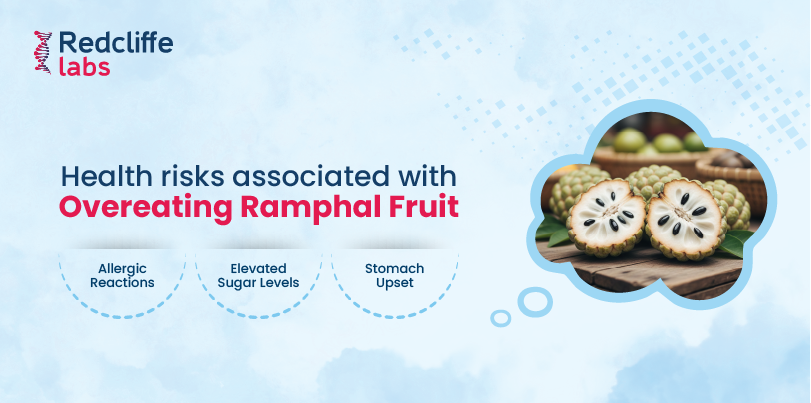
- Eating too much may lead to stomach upset, bloating, or diarrhea.
- It may raise blood sugar levels, so people with diabetes should eat it in moderation.
- The seeds are potentially toxic, so always remove seeds before eating or using in recipes.
- You may develop allergic reactions, such as itching or rashes, though this is rare.
- Pregnant women should consume Ramphal in moderation and avoid seeds, as excessive intake may cause digestive discomfort.
Interaction With Other Drugs
Ramphal is generally safe and does not adversely interact with most drugs or foods. The only issue is that the chemical constituents in the Annonaceae family that may cause neurotoxicity when co-ingested with neuroactive drugs (for example, medicine for Parkinson’s disease) might contribute to the problem. Thus, the consumption of seeds and the use of concentrated extract should be strictly prohibited.
Disclaimer: In case you have any health problems or are on medications, consult a doctor first if you want to include Ramphal in your daily diet.
Dosage:
Contact a certified nutritionist to know the right dosage depending on your overall health and requirements.
In Conclusion:
So, here we list all the important information regarding Ramphal (Custard Apple). It is a nutritious fruit rich in vitamins, minerals, fiber, and antioxidants, offering benefits for immunity, digestion, heart, brain, skin, and hair health.
Consume in moderation, avoid seeds, and consult a doctor if you have health conditions or take medications.
With Redcliffe Labs’ comprehensive portfolio of tests, you can now monitor key health markers that reflect your nutritional status and overall wellbeing. With our convenient home sample collection service across Delhi/NCR, accessing health insights has never been easier.
FAQs
1. Is Ramphal and Custard Apple the same fruit?
Yes. In India, Ramphal is most commonly referred to as Custard Apple or Sitaphal, with its scientific name as Annona squamosa. Ramphal differs from Bullock's Heart (Annona reticulata), a fruit with a different taste, texture, and nutritional value. They should be looked at as separate fruits with separate characteristics.
2. Is Ramphal safe for people with diabetes?
Ramphal has a natural sweetness and also provides carbohydrates, meaning that individuals with diabetes need to limit their consumption of Ramphal. Ramphal can be eaten occasionally in small serving sizes, under the supervision of a doctor. If consumed in excessive amounts, it can cause blood sugar spikes.
3. Can Ramphal be eaten during pregnancy?
Ramphal is safe to consume during pregnancy in moderate quantities. Some of its benefits include dietary fiber, vitamin C, and a variety of essential minerals that support digestion and immunity. Although Ramphal benefits pregnant women, the seeds must be avoided and excessive consumption can cause some gastrointestinal distress.
5. Are Ramphal seeds safe to eat?
No, the seeds from Ramphal are considered toxic; therefore, they should never be eaten or crushed. Eating the seeds may result in adverse health effects.Always remove the seeds completely before eating the fruit or using it in smoothies, desserts, or other preparations.
6. What is the healthiest way to eat Ramphal?
Ramphal is simply the healthiest when eaten fresh by scooping out the pulp. Nevertheless, it can be used in smoothies, milkshakes, desserts, and authentic dishes. Do not add an excess of sugar, and always make sure the seeds are removed.
7. Can children eat Ramphal?
Yes, kids can eat Ramphal but only in moderate amounts. It is a good source of natural energy and essential nutrients that promote growth and immunity. Make sure all the seeds are removed to prevent choking or toxicity.
8. Does Ramphal cause any side effects?
Arguably, Ramphal will not produce significant side effects in most people, although if eaten too much, it can cause bloating, diarrhea, or other stomach problems. People with diabetes and allergies should consume it cautiously and seek medical advice if unsure.