How to Monitor Health Using Regular Blood Tests?

Remember, when was the last time you had a full-body checkup to assess your health?
Ummm.. Most of them would not recall or say they don't know.
Most people wait for symptoms before taking action. Did you know that many diseases develop silently? High cholesterol builds up for years without symptoms. Blood sugar can remain high long before diabetes is diagnosed. Fatty liver often causes no pain until damage progresses. Even vitamin deficiencies quietly drain your energy, weaken immunity, and affect your mood.
According to the World Health Organization (WHO), non-communicable diseases, such as diabetes and heart disease, are rising rapidly in India, and many people discover them late. Not because treatment was unavailable. But because testing was delayed. Your body does not fail overnight. It gives subtle signals. The problem is we often ignore them. But regular blood tests change that. Routine health monitoring can help you recognize when something isn't right inside your body. These blood tests can detect the risk before it becomes serious.
In this guide, you will learn how regular blood tests help you monitor your health, how often you should test, which tests matter most, and how to use your reports wisely.
What Regular Blood Test Can Tell About Your Health?
Consider the reports of your blood tests as a mirror of your inner health, which cannot be seen with the naked eye. Let’s know what regular blood tests can tell you about your health and how it can be managed.
-
Detect Diseases Before Symptoms Appear
Many diseases develop silently. Diabetes, high cholesterol, thyroid imbalance, and kidney issues often show no early symptoms. A routine full-body health checkup can reveal abnormal blood sugar levels, high cholesterol, or hormonal imbalances long before complications develop. Early detection gives you time to reverse or manage the condition effectively.
-
Monitor Chronic Conditions
If you already have or are at a pre-stage of developing the preventable and manageable lifestyle conditions like diabetes, thyroid disorder, high blood pressure, or liver disease, regular testing helps you monitor progress. Doctors may adjust medications based on blood test reports.
-
Track Organ Function
Your liver, kidneys, heart, and thyroid work constantly to keep you healthy. Blood tests measure enzyme, hormone, and waste-product levels that reflect how well these organs function.
-
Identify Nutritional Deficiencies
Vitamin D deficiency is a leading cause of anemia, particularly among women. Vitamin B12 deficiency affects nerve health and energy levels. Vitamin tests detect these deficiencies early and allow correction through diet or supplements. In short, Blood tests can identify the root cause of the multiple health issues like pimples, hairfall, weigh gain, joint pain which is not random but due to underlying nutritional deficiencies
-
Assess Infection and Inflammation
Blood tests, such as ESR and allergy tests, can indicate infections or chronic inflammation. Inflammation often leads to heart disease, autoimmune disorders, and metabolic conditions.
Important Blood Tests for Routine Health Monitoring
Routine blood tests provide a comprehensive picture of your internal health and give you enough time to prevent long-term complications.
A Complete Blood Count (CBC) evaluates your red blood cells, white blood cells, hemoglobin, hematocrit, and platelets. It helps identify anemia, infections, inflammation, and blood-related disorders before symptoms worsen. If you often feel weak or dizzy, or frequently fall sick, a CBC can provide answers.
-
Blood Glucose Tests
- Fasting Blood Sugar- This test measures your blood sugar after fasting for 8-10 hours. It helps detect prediabetes and diabetes.
- HbA1c- HbA1c reflects your average blood sugar levels over the past 2-3 months. It provides a long-term picture of glucose control. The test can detect prediabetes, Type 1 and Type 2 diabetes, and poor diabetes control. Regular testing can prevent complications like nerve damage, and kidney failure.
The doctor recommends regular testing for individuals with risk factors such as obesity, family history, or a sedentary lifestyle.
-
Lipid Profile Test
A Lipid profile test measures total cholesterol, good (HDL) and bad (LDL) cholesterol, along with triglycerides, to assess heart health. It helps predict the risk of heart disease, stroke, and blocked arteries. Regular lipid testing helps you prevent heart problems early.
-
Liver Function Tests (LFT)
LFTs measure various parameters of liver health including A/G Ratio, Albumin, Alkaline Phosphatase, Bilirubin Direct, Bilirubin- Indirect, Bilirubin Total, GGTP (Gamma GT), Globulin, Proteins, SGOT/AST, SGOT/SGPT Ratio, and SGPT/ALT. The test can detect fatty liver, hepatitis, Jaundice, alcohol use, infections, and long-term medication effects. The liver plays a vital role in detoxification and metabolism. Early detection through blood tests can prevent long-term damage.
-
Kidney Function Tests (KFT)
KFTs test assess various parameters including blood urea, BUN, Calcium, Chloride, Creatinine, eGFR, Phosphorus, Potassium, Sodium, Urea/Creatinine Ratio, and uric acid. The test helps to monitor how well your kidneys filter waste. Abnormal values indicate kidney dysfunctioning. The test can help catch early signs of kidney stress or damage before serious problems develop.
Thyroid regulates metabolism, mood, weight, and energy levels. This is a hormone test that evaluates TSH (Thyroid Stimulating Hormone), T3 (Triiodothyronine), and T4 (Thyroxine). It detects issues like hypothyroidism, hyperthyroidism and hormonal imbalance which may lead to fatigue, weight gain, anxiety, hair fall, and irregular periods. This test can confirm the cause behind these issues.
-
Vitamin & Mineral Tests
Vitamin and mineral deficiencies can lead to weakness, hair fall, mood swings, bone pain,improve reduced immunity, and chronic fatigue. Regular tests can detect these deficiencies and with the right treatment plan including supplements you can improve quality of life.
- Vitamin D- Supports bone strength and immunity.
- Vitamin B12: Supports nerve function and energy production.
- Iron Studies: Detect iron deficiency and anemia.
- Calcium and Magnesium: Supports bone health and muscle health.
With Redcliffe Labs, you can also get a complete full-body package to track your health instead of getting single blood tests. You can select a package based on your age, gender, and other personal requirements. It is also possible to create your own package while booking through the website or the Redcliffe Labs App.
Signs You Shouldn't Ignore That Call for a Blood Test
Your body gives warning signs before serious problems develop. Notice these signs and, if needed, get your blood test done to catch the issues early.
- Persistent Fatigue: Do you feel exhausted even after sleeping 7-8 hours? This might be due to constant fatigue, iron deficiency, vitamin deficiencies, or thyroid imbalance.
- Sudden Weight Gain or Weight Loss: If your weight changes without major lifestyle changes, you should investigate. Unusual weight changes might be due to thyroid imbalance or insulin resistance.
- Hair Fall and Brittle Nails: Excessive hair fall often connects to iron deficiency, vitamin D deficiency, and hormonal imbalance.
- Frequent Infections: Do you fall sick often? Recurrent colds, infections, or slow wound healing may indicate low immunity, uncontrolled diabetes, or nutritional deficiencies.
- Mood Swings, Anxiety, or Brain Fog: Many people assume mood changes are purely psychological. But hormones and nutrients strongly influence mental health.
- Dizziness or Lightheadedness- Frequent dizziness is often due to anemia, low BP, blood sugar imbalance, and electrolyte imbalance.
- Irregular Periods or Hormonal Changes: Women should never ignore irregular cycles, excessive bleeding, severe PMS, or sudden acne or facial hair. These are signs of hormonal imbalance and iron deficiency, which require immediate attention.
- Increased Thirst and Frequent Urination: These classic symptoms may signal uncontrolled blood sugar levels.
- Chest Discomfort or Family History of Heart Disease: Even without symptoms, you should regularly monitor cholesterol levels because high cholesterol is linked with heart disease.
- Swelling in Legs or Changes in Urine: Foamy urine, swelling in ankles, or reduced urination may indicate kidney dysfunction. A kidney function test can detect problems before severe damage occurs.
- Digestive Issues: Chronic bloating, poor appetite, or nausea may be connected to liver issues, vitamin deficiencies, and inflammation.
Do not wait for severe symptoms. If you notice any of the above symptoms, get tested yourself and start the treatment early.
Benefits of Regular Health Monitoring Through Blood Tests
Regular blood tests do more than detect diseases early. Here’s how routine health monitoring benefits you:
- Early Disease Detection: When you catch abnormalities early, you reduce the risk of heart attacks, kidney failure, stroke, and other major complications.
- Track Your Health for Better Outcomes: Doctors can adjust your medications and recommend lifestyle changes based on your blood report trends. Regular testing also allows you to see if treatment is working properly or needs any adjustments.
- Gives you Peace of Mind: If everything is normal in your blood reports, it gives you confidence and encouragement to live a healthy life. This also reduces uncertainty and anxiety.
- Encourages Healthier Lifestyle Choices: Your blood test results allow doctors to create customized diet plans, exercise routines, and treatments based on your unique health profile rather than generic advice.
- Saves Money: Preventive testing costs far less than treating advanced disease. Regular monitoring reduces emergency medical expenses.
Track Your Health With Redcliffe Labs Blood Test Reports
Redcliffe Labs provides real-time health monitoring advantages. Here is how you can track your health with blood test reports-
- Compare Reports Over Time: You can download and compare your blood test reports with previous reports. When you repeat your blood test, you get statistics in your reports that let you track your previous results. This helps you understand whether your values are under control or out of control.
- Identify Trends: Checking previous records on a single interface allows doctors to analyze patterns rather than just single readings. For instance, with routine fasting blood sugar test reports, your doctor can see a gradual increase in sugar, which might indicate a higher risk of prediabetes.
- Maintain a Personal Health Record: In the Redcliffe Labs app, you can store digital reports on your phone or, if required, download your report in real time. You can track improvements and make lifestyle changes.
Blood Tests to Monitor Specific Health Goals
For Weight Management and Metabolism
Check:
- Thyroid profile
- Blood sugar
- Insulin levels
Hormonal imbalance or insulin resistance can prevent weight loss.
For Heart Health
Check:
- Lipid profile
- High-sensitivity CRP (inflammation marker)
Inflammation contributes to heart disease risk.
For Fitness & Performance
Athletes and fitness enthusiasts should monitor:
- Hemoglobin
- CBC
- Vitamin levels
- Electrolytes
For Preventive Cancer Screening Markers
Doctors may recommend specific tumor markers such as:
- PSA (for prostate health)
- CA-125 (for ovarian risk assessment)
The blood test depends on your health requirements. The doctor may recommend a blood test based on your health condition and symptoms.
How to prepare for Blood Tests?
Preparing blood tests is simple. Here is what you need to take care of-
- Fasting: Always confirm if blood tests require fasting. Generally, 8-12 hours of fasting is required for fasting blood tests.
- Medication or supplements: Inform your doctor about all medications and supplements.
- Hydration: You can drink water unless instructed otherwise.
- Timing: Try to take the blood test in the morning, since your hormones and other vitals are more stable then.
Procedure of the Blood Test
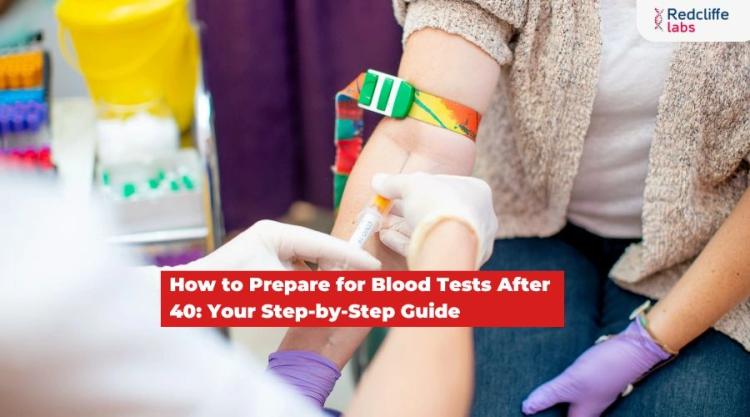
A blood test is a quick and safe medical procedure that usually takes only a few minutes. A trained healthcare professional cleans the arm site, inserts a small sterile needle into a vein, and collects a small blood sample in test tubes. You may feel a brief pinch, but discomfort is minimal.
After the sample is collected, the needle is removed, and a cotton pad or bandage is applied to prevent bleeding. The blood sample is then sent to a laboratory for analysis, where experts check different health markers depending on the test ordered.
Most people can resume normal activities immediately after the test.
Understanding Blood Test Report to Monitor your Health
Once the blood test is done, the report will be generated within 12-24 hours. Do not confuse or misinterpret your results. Always consult your doctor about your reports. A slightly elevated value does not always indicate disease. Doctors interpret results based on age, risk factors, lifestyle, symptoms, and medical history.
Also read- How to Read a Blood Test: Complete Guide to Understanding Your Lab Results
Preventive Health Packages You Should Take
Check out these preventive packages to monitor your health:
- Smart Full Body Checkup
- Fit India Full Body Checkup - Essential
- Annual Full Body Checkup
- Women's Health Package with Free Hormone Screening- Essential
- Cardiac Risk Markers- Essential
- Cancer Screening Package Essential - Male
- Women's Weight Management Panel
If you are searching for blood test packages, go and check out Redcliffe Labs website for preventive health packages. They provide a wide range of health packages based on gender-wise, age-wise, and your health goals. They can also customize your package based on your needs and goals. Book your blood test today and save your time and money.
Make Blood Tests a Health Habit
Your body works for you every second. It filters toxins, regulates hormones, pumps blood, and fights infections silently. But it cannot speak loudly when something goes wrong.
This is why early screening is important. When you test regularly, you detect risks early. When you detect early, you prevent complications. When you prevent complications, you protect your future.
So, do not wait for symptoms. Choose prevention. Choose awareness. Choose regular monitoring with trusted diagnostics, Redcliffe Labs.