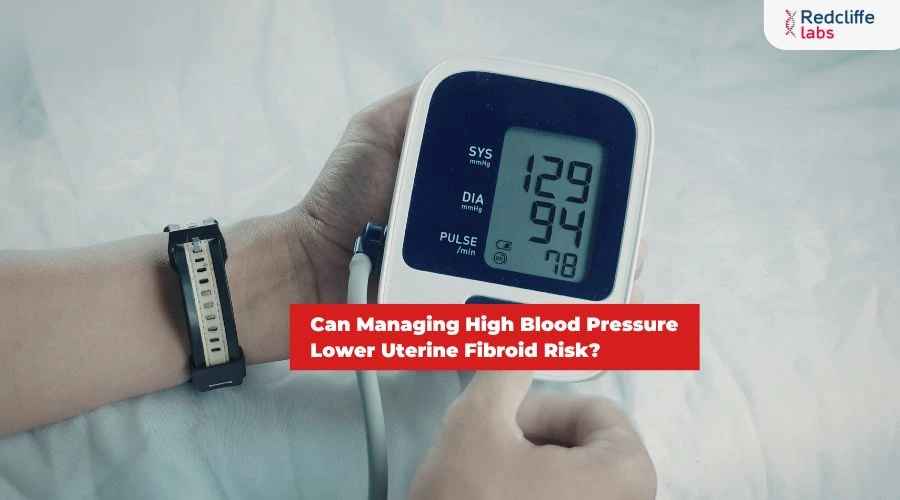
Can Managing High Blood Pressure Lower Uterine Fibroid Risk?

Heavy periods? Feeling tired even after a full night's sleep?
Does your lower belly feel heavy, like something pressing from inside? Then you check your blood pressure, but the numbers look higher than usual.
Now you wonder what is happening inside your body. Are these problems connected?
Well, high blood pressure often stays silent for years, and uterine fibroids often grow quietly too.
The situation is confusing because fibroids feel like a "period problem," and high blood pressure feels like a "heart problem."
Here is the fact: A 2024 study in JAMA Network Open reported that untreated or newly developed high blood pressure may link with a higher chance of a first fibroid diagnosis, while treated hypertension can lower the risk. The findings don't prove prevention, but they point to a clear message that tracking your BP and reproductive symptoms is important for taking control of your health.
In this blog, let's understand in detail what the studies show and how you can prevent yourself from uterine fibroid risk.
What are Uterine Fibroids?
Uterine fibroids (leiomyomas) are non-cancerous growths that develop in the muscle wall of the uterus. Many people have fibroids and never know it, while others get symptoms that affect daily life.
Common symptoms include:
- Heavy or long periods
- Bleeding between periods
- Pelvic pressure or fullness
- Frequent urination (when a fibroid presses the bladder)
- Pain during sex
- Lower back or pelvic pain
- Trouble getting pregnant or pregnancy complications (in some cases)
Seek medical advice if you notice heavy bleeding, bleeding between periods, pelvic pressure, or symptoms of anemia like fatigue, weakness, or breathlessness.
Does high blood pressure link to fibroid risk?
A recent study, "JAMA Network Open reports the link between poor cardiovascular health and a higher risk of uterine fibroids. Researchers observed that treating hypertension was associated with a lower risk of developing fibroids later in life.
The team analyzed data from more than 2,500 women aged 42–52 enrolled in the Study of Women's Health Across the Nation (SWAN) and followed their health for over 18 years. They compared fibroid diagnoses among women with and without hypertension, including those whose hypertension remained untreated versus treated.
Across nearly two decades, 526 women (about 20%) developed at least one fibroid. Women with untreated hypertension showed a 19% higher incidence rate than women without high blood pressure. In contrast, women who treated their hypertension showed a 37% lower fibroid risk, and those using ACE inhibitors showed a 48% lower risk in the study's findings.
Factors that influence both BP and fibroids, such as:
- Age and perimenopause timing
- Body weight and metabolic health
- Hormone patterns
- Stress and sleep
- Access to healthcare and ultrasound diagnosis
- Differences across populations and lived experiences
Can hypertension medications prevent fibroid risk?
Unfortunately, there is no evidence that medications can prevent fibroids from developing if you don't have hypertension. However, the use of ACE inhibitors may trigger unwanted side effects. So you don't have medications to prevent fibroids.
Untreated hypertension showed a higher risk of developing fibroids compared with no hypertension.
Studies show that people who had hypertension and were taking antihypertensive treatment showed a lower risk of newly diagnosed fibroids than those not treated.
This does not mean that BP medications prevent fibroids in everyone. Treat high blood pressure because it protects the heart, brain, and kidneys, and improves pregnancy outcomes.
Instead, you can lower the risk factors that may develop fibroids.
Lifestyle Changes That May Help Lower Fibroid Risk Factors
You can manage several risk factors linked with fibroids by improving overall hormonal metabolic health. Let's understand in detail-
- Maintain a healthy weight:
Extra body fat can increase estrogen activity and inflammation. Both can support fibroid growth in some people. Maintain a healthy body weight, as steady weight loss can support better uterine health.
- Eat a balanced, fibroid-friendly diet:
No "fibroid diet" removes fibroids, but your food choices can reduce inflammation and support hormone metabolism. Consume high-fibre foods, lean proteins, healthy fats, and iron-rich foods.
- Limit processed food items:
Do not consume packaged food, excess sugar, processed meat, and high salt food items, which may worsen your BP.
- Exercise daily:
Physical activity helps regulate insulin, inflammation, and body fat, all of which are linked to hormone balance. Try to exercise for at least 1 hour daily.
- Keep blood pressure under control:
High BP is linked with fibroid diagnosis. Check your BP daily, cut sodium-rich foods, and add potassium-rich foods to your diet. Take medications if required.
- Manage stress and sleep:
Chronic stress can disrupt cortisol and inflammation. Do breathing exercises daily and take 7-9 hours of good sleep.
- Limit alcohol and avoid smoking:
Keep alcohol use occasional and minimal, and quit smoking completely.
- Take Vitamin D and other Supplements:
Many people with fibroids also show low Vitamin D in studies. Vitamin D supports immune balance and may influence fibroid cell activity. Check your vitamin D levels with a vitamin D blood test and consult your doctor. If required, start taking vitamin D supplements.
- Track periods and anemia symptoms:
Heavy bleeding, fatigue, hair fall, dizziness, and low stamina are all signs of a fibroid issue. Track number of days, number of pads used, flow, and symptoms.
Important Blood Tests to Manage Fibroids and High Blood Pressure
If you deal with heavy periods, fatigue, fibroid symptoms, or BP concerns, doctors may recommend these blood tests to understand your situation.
- Complete Blood Count (CBC):
The CBC test measures your hemoglobin and red blood cells to see if you have anemia. Heavy periods from fibroids can lower hemoglobin levels and make you feel tired, weak, or dizzy.
- Iron Studies test:
The Iron test shows your iron levels in the body. The test helps doctors confirm iron deficiency in patients with heavy bleeding and guide appropriate iron treatment.
ESR indicates inflammation in the body. It doesn't diagnose fibroids, but it helps doctors understand if inflammation or another condition contributes to your symptoms.
- Vitamin D and Vitamin B12:
Checking your vitamin levels helps identify common deficiencies that can cause fatigue, low immunity, bone pain, and low energy. Knowing deficiencies supports overall health and helps you feel better while managing fibroid-related weakness.
- Thyroid Blood Test (TSH, Free T3, Free T4):
Thyroid tests check how well your thyroid works. Thyroid imbalance can worsen heavy bleeding, irregular periods, weight gain, and fatigue, which can overlap with fibroid symptoms.
This test measures cholesterol and triglycerides to assess cardiovascular disease risk. High BP often accompanies abnormal cholesterol levels, so this test helps prevent future heart problems.
What you should remember
Always keep in mind that your body will send signals that something is wrong. Heavy bleeding, pelvic pressure, and constant tiredness can point to fibroids, while rising BP can silently increase your long-term health risk without obvious symptoms.
However, studies show that untreated or newly developed hypertension may be linked with a higher chance of a fibroid diagnosis as compared to treated hypertension.
So, you should focus on what you can control today. Try to manage your blood pressure, improve lifestyle habits, track your symptoms early, and test at appropriate intervals. Early action helps you prevent anemia, protect your heart, and avoid silent problems that become daily struggles.
At Redcliffe Labs, you can book your health checkups for females, like CBC, iron studies, thyroid profile, lipid profile, blood sugar, and kidney function tests, to monitor your health.
Book your tests, track your results, and take informed steps toward better health.
FAQ's
1. Can high blood pressure cause fibroids?
Studies show that higher BP or untreated hypertension is linked with fibroid risk.
2. Which BP medicine works best to prevent fibroids?
Unfortunately, no BP medicine can prevent the risk of fibroids. Instead, make lifestyle changes to maintain your blood pressure and reduce the risk of fibroids.
3. If I control my BP, will my fibroids go away?
BP control can support your overall health, but it does not guarantee fibroids will disappear. Studies show that controlled or treated BP can reduce the risk of fibroids.
4. When should I get checked for fibroids?
You should obtain blood tests such as CBC, ESR, iron studies, Vitamin D, and others if you notice symptoms such as heavy or prolonged bleeding, bleeding between periods, pelvic pressure, urinary frequency, or anemia symptoms such as fatigue and weakness.
5. What slows down fibroid growth?
You can support slower fibroid growth by improving metabolic and hormonal health. You should maintain a healthy weight, remain active, and consume a balanced diet rich in fiber and antioxidants. Take Vitamin D supplements as recommended by your doctor.
6. What increases your risk of fibroids?
Fibroid risk can increase with family history, high blood pressure, higher body weight, and hormonal factors, especially during reproductive years.