15 Beetroot Juice Benefits: Nutrition, Uses, Best Time to Drink, and Side Effects

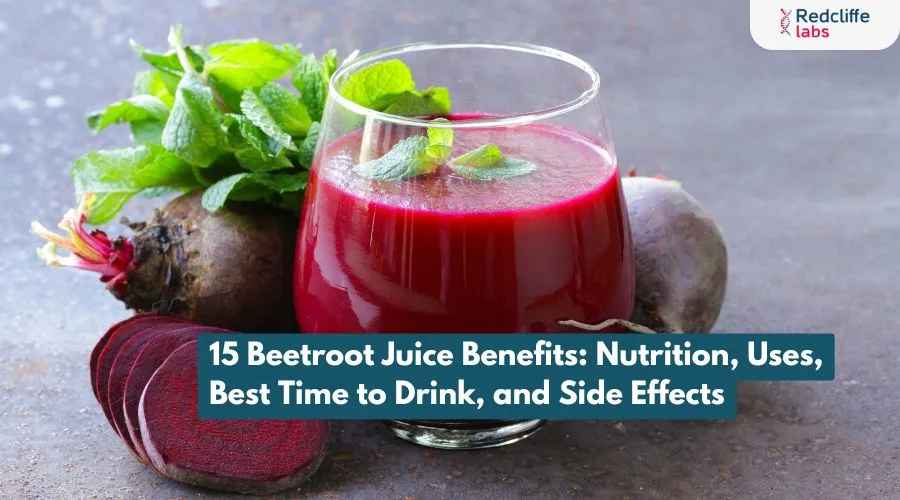
Do you often feel tired or low on energy? Are you trying to manage blood pressure, improve stamina, or add healthier drinks to your routine? Beetroot is one of the healthiest options. Beetroot juice has gained immense popularity in recent years as a superfood tonic. It contains natural nitrates, antioxidants, vitamins, and minerals that may support heart health, blood flow, exercise performance, and overall wellness. Modern lifestyles often involve stress, processed foods, prolonged sitting, and poor hydration. These habits can affect blood pressure, stamina, digestion, and metabolic health. A nutrient-rich drink like beetroot juice can become a smart addition to a balanced lifestyle.
In this guide, you will learn about 15 benefits of beetroot juice, its nutritional value, the best time to drink it, potential side effects, and who should use caution.
What Is Beetroot Juice?
Beetroot juice comes from fresh beetroot roots. People make it by juicing raw beetroot or blending it with water. Many also mix it with carrot, ginger, lemon, or apple for taste. Beetroot belongs to the root vegetable family. It has a deep red-purple color due to natural pigments called betalains. These compounds also offer antioxidant properties.
Many people drink beetroot juice in the morning or before exercise. Some also use it as part of a healthy diet for weight management and general wellness.
Nutritional Value of Beetroot Juice (Approx. per 100 ml)
| Nutrient | Approximate Amount |
| Energy | 40–45 kcal |
| Carbohydrates | 9–10 g |
| Natural Sugars | 7–8 g |
| Protein | 1–1.5 g |
| Fat | 0.1 g |
| Dietary Fiber* | 0–1 g |
| Folate (Vitamin B9) | 70–80 mcg |
| Potassium | 250–300 mg |
| Vitamin C | 3–5 mg |
| Iron | 0.5–0.8 mg |
| Magnesium | 15–20 mg |
| Manganese | 0.1–0.2 mg |
| Natural Nitrates | Present |
| Antioxidants (Betalains) | Present |
Important Note
Values may vary based on beetroot size, freshness, preparation method, dilution, and whether you strain or blend the juice. Fresh homemade juice usually offers better nutrition than sugary packaged drinks.
How Beetroot Juice Works in the Body
Beetroot juice contains natural nitrates. Your body converts these nitrates into nitric oxide. Nitric oxide helps relax blood vessels and improve blood flow.
Better blood flow can support oxygen delivery to muscles, improve exercise performance, support heart health and circulation, and help regulate blood pressure. Beetroot also contains antioxidants that help reduce oxidative stress. Oxidative stress can damage cells over time.
15 Beetroot Juice Benefits for Overall Health
1. May Help Lower Blood Pressure
A lot of people in India have high blood pressure issues. High blood pressure often develops silently and increases the risk of heart disease. Beetroot juice may help because nitric oxide relaxes blood vessels, promoting smoother blood flow.
Beetroot juice may help lower blood pressure in some people when used regularly as part of a healthy lifestyle.
2. Can Improve Stamina and Exercise Performance
Do you feel tired quickly during walking, gym sessions, or other physical activities? Beetroot juice may help improve endurance. Better oxygen use during activity can support stamina. Many runners and athletes drink beetroot juice before workouts for this reason.
3. Supports Heart Health
Beetroot is good for maintaining heart health: healthy blood vessels and good circulation support it. Beetroot juice may help improve vascular function because of its nitrate content. It works best when combined with exercise, healthy food choices, stress control, and regular checkups.
4. Helps Increase Energy Naturally
Many people feel low energy due to poor sleep, stress, inactivity, or poor nutrition. Beetroot juice may support energy by improving blood flow and oxygen delivery.
It does not act like an instant stimulant, but it may help natural performance and activity levels.
5. May Support Brain Function
The brain needs steady blood flow to function well. Beetroot supports better circulation, which in turn supports focus, alertness, and mental performance. Research shows that nitrate-rich foods may support blood flow to the brain, especially in older adults.
6. Can Support Liver Health
The liver works hard every day to process nutrients and remove waste products. Beetroot contains antioxidants that may help protect cells from stress. It does not cure liver disease, but it may support overall wellness as part of a healthy diet. However, you may also have regular liver function tests if you have liver disease. Regular testing is key to identifying diseases early, so you can take action and guide treatment decisions.
7. Helps Improve Digestion
Many people deal with bloating, poor hydration, or irregular bowel habits. Beetroot juice can support hydration, which helps digestion.
If you blend beetroot rather than fully filtering it, you may also get some fiber.
8. May Help in Weight Management
Beetroot juice can be a smarter choice than sugary soft drinks or packaged juices. It contains many vital nutrients with fewer calories when taken in moderation. It does not burn fat directly, but replacing high-calorie drinks with beet juice can support your weight goals.
9. Supports Healthy Skin
Beetroot for the skin is very popular. Beetroot provides an internal and external glow to your skin. It supports nutrition, hydration, and circulation. Beetroot juice provides water, vitamin C, and antioxidants that may support healthy-looking skin. Many people notice better skin when they improve their diet, hydration, and sleep together.
10. May Help Support Hemoglobin Levels
Beetroot is often linked to blood health. It contains folate and small amounts of iron. Folate supports red blood cell formation. Beetroot juice may support overall nutrition, but it does not treat anemia on its own.
11. Supports Immunity
Your immune system needs nutrients to work properly. Beetroot juice contains vitamin C and antioxidants that support normal immune function.
You can consume beetroot juice as a part of your balanced diet, not as a replacement for medical care.
12. May Reduce Inflammation
Chronic inflammation may affect heart health, joints, and metabolism. Beetroot contains betalains, which may help reduce inflammation.
A healthy routine with exercise and balanced meals gives better long-term results.
13. Can Help Recovery After Exercise
After exercise, your body needs hydration, nutrients, and recovery support. Beetroot juice may help improve circulation and nutrient delivery. It is good for people who exercise and can drink after workouts or on training days.
14. May Support Healthy Hydration
Fresh beetroot juice adds fluid intake and nutrients. People who dislike plain water can easily drink beetroot juice as a healthy drink. Hydration supports digestion, energy, focus, and physical performance.
15. Could Support Healthy Aging
Oxidative stress increases with age. Beetroot is rich in antioxidants, which help protect cells from damage. Beetroot juice may support healthy aging when paired with exercise, sleep, and a nutrient-rich diet.
Also Read: Carrot Beetroot Juice Benefits: A Nutrient Powerhouse for Health
Best Time to Drink Beetroot Juice
- Morning: You can drink beetroot juice because it feels fresh and energizing.
- Before Workout: Drink it 1-2 hours before exercise. This timing may help performance and stamina.
- Mid-Morning: You can also drink it as a healthy snack option between breakfast and lunch.
How to Make Beetroot Juice at Home
Ingredients:
- 1 medium fresh beetroot
- 1 glass of water
- Optional: ginger, lemon, carrot, apple
Method:
- Wash the beetroot well.
- Peel and chop it.
- Add to a blender or juicer.
- Add water if blending.
- Strain if needed.
- Add lemon or ginger for taste.
- Drink fresh.
Avoid adding sugar.
How Much Beetroot Juice Should You Drink?
Start with a small serving first. You can consume 100-150 ml daily. If you tolerate it well, you may increase gradually as needed. Large amounts may cause stomach discomfort in some people.
Read more: Beetroot (Chukandar) Benefits: Everything You Need to Know
Who Should Be Careful With Beetroot Juice?
Some people need caution before drinking beetroot juice regularly.
- People with Kidney Stone Risk: Beetroot contains oxalates, which may increase the risk of stones in sensitive people.
- People with Low Blood Pressure: Beetroot juice may lower blood pressure further in some cases.
- People with Diabetes: Beetroot contains natural sugars. Watch portion size, especially if mixed with fruit.
- People on Medication: If you take medicines for high blood pressure or diabetes, ask your doctor before using them regularly.
Possible Side Effects of Beetroot Juice
Beetroot juice is generally safe, but some people may notice:
- Pink or Red Urine/Stool: This harmless effect is often called beeturia.
- Bloating or Upset Stomach: Some people feel digestive discomfort.
- Low Blood Pressure: Sensitive individuals may feel lightheaded if their blood pressure drops.
Use moderate portions and monitor how you feel.
Track Your Health with Regular Health Checkups
Healthy habits like better food choices, exercise, proper sleep, and healthy drinks can improve your health. But regular health tests help you see your actual progress. They can show changes that you may not notice from weight or symptoms alone.
Useful Tests Include:
- Blood Sugar test: This test checks your current blood sugar level. It helps detect diabetes or prediabetes early.
- HbA1c: HbA1c shows your average blood sugar level over the last 2 to 3 months. This test helps to track long-term sugar control.
- Lipid Profile test: This test checks cholesterol and triglyceride levels. It helps assess heart health risk.
- Thyroid Profile test: This test checks thyroid hormone levels. Thyroid imbalance may affect weight, energy, and metabolism.
- Liver Function Test: This test checks liver health. It may help detect fatty liver or other liver problems.
- Vitamin D Test: This test measures vitamin D levels. Low vitamin D may affect bones, mood, and energy.
- Vitamin B12 Test: This test checks vitamin B12 levels. Low B12 may cause tiredness, weakness, or nerve issues.
Redcliffe Labs offers health checkups, blood tests, and preventive packages with home sample collection in many cities across India. This makes regular testing simple and convenient.
The Key Takeaways
Beetroot juice offers more than just bright color and taste. It is good to support conditions such as blood pressure, stamina, circulation, heart health, hydration, recovery, and overall wellness. It can also help people replace sugary drinks with a healthier option.
Beetroot juice works best when you pair it with a diet, regular exercise, stress management, and good sleep. Always consume in moderation, stay consistent, and choose fresh, homemade juice if possible. If you have a medical condition or take regular medicines, speak with your doctor first.
FAQs
1. Is it okay to drink beetroot juice daily?
Yes, you can consume beetroot juice daily, but in moderate amounts. Start with a small serving and see how your body responds. Always consult your doctor if you have any medical conditions.
2. What is the best time to drink beetroot juice?
Morning or 1 to 2 hours before exercise works well for many people.
3. Does beetroot juice increase hemoglobin?
It may support blood health because it contains folate and other nutrients, but it does not treat anemia on its own.
4. Can beetroot juice help with weight loss?
Beetroot juice can support weight goals when it replaces sugary drinks and fits into a calorie-controlled diet.
5. Who should avoid beetroot juice?
People with health issues such as kidney stones, low blood pressure, or certain medical conditions should consult a doctor first. Always consume in moderation and only after your doctor advises you to.