Total Cholesterol Test: Normal Range, Reports & What Your Levels Mean for Heart Health

Medically Reviewed By
Dr. Mayanka Lodha Seth
Written By Sheena Mehta
on Sep 19, 2025
Last Edit Made By Sheena Mehta
on Sep 19, 2025
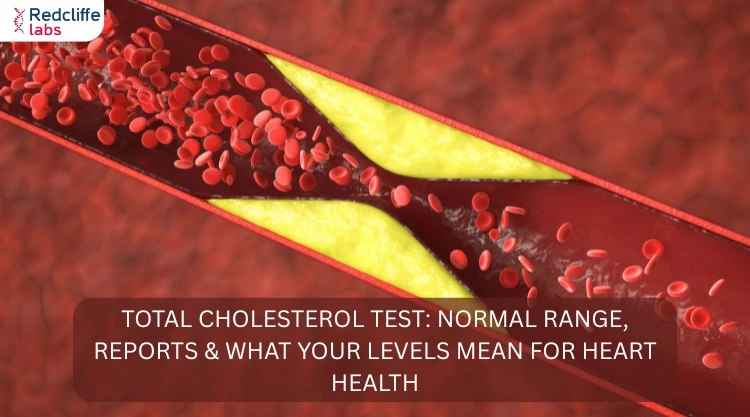
Ever wondered what your cholesterol levels are silently saying about your heart health?
A total cholesterol test often part of a lipid panel checks the total amount of cholesterol, a type of fat, in your blood. It's important to know how healthy your heart is. The test is easy. Just a blood draw, often done as part of a bigger check called a lipid profile.
What does it do?
A lipid panel is a set of blood tests. It checks your total cholesterol, LDL, HDL, triglycerides, and non-HDL cholesterol. Looking at these numbers together gives you a better idea of how healthy your heart is.
- Total Cholesterol (TC): The total cholesterol level in your blood.
- Low-Density Lipoprotein (LDL): Having too much bad cholesterol can cause plaque to build up in your arteries, which can raise your risk of heart disease.
- High-Density Lipoprotein (HDL): HDL, often called good cholesterol, aids in eliminating extra cholesterol from your arteries, which helps keep your heart healthy.
- Non-HDL: It is all “bad” cholesterol types like LDL, VLDL that can raise heart disease risk; a healthy level for adults is below 130 mg/dL.
- Triglycerides: This is another type of fat in the blood that can raise your risk of a heart disease.
What is the normal range of a total cholesterol test?
Total cholesterol is a key indicator of heart health. Normal cholesterol levels may slightly vary depending on the lab.
For adults, the normal/desirable total cholesterol range is less than 200 mg/dL This is considered the best for heart health.
Understanding the ranges
|
Age Group ( 20 years and older) |
Normal Range (mg/dL) |
Borderline High (mg/dL) |
High (mg/dL) |
|
Adults |
Less than 200 mg/dL |
200-239 mg/dL |
≥ 240 mg/dL |
|
Children and Teens (Less than 20 years) |
Less than 170 mg/dL |
170-199 mg/dL |
200 mg/dL |
What do these levels mean for you?
A cholesterol test interpretation should always be done by a qualified professional. This helps understand what your levels mean for you. Here is a general idea:
1. Adults (20 Years and Older)
Normal (<200 mg/dL) : This value indicates a lower risk for heart disease. Hence, it is crucial to maintain normal cholesterol levels so that blood vessels are less likely to develop fatty deposits or blockages.
A lipid profile test helps identify if your cholesterol and triglycerides are balanced. Even if your total cholesterol looks normal, the lipid panel may reveal an imbalance in LDL or HDL.
How to maintain normal levels?
Below are key steps to maintain total cholesterol levels:
1. Eat heart-healthy foods
Eating a heart-healthy diet is important. Include foods low in saturated fats and eliminate trans fats. Opt for monounsaturated and polyunsaturated fats and limit processed snacks, fried foods, and tropical oils like palm and coconut oil.
Include whole grains, legumes, beans, oats, and lentils. Fruits such as apples, berries, and citrus fruits, and vegetables such as leafy greens, carrots, tomatoes, cruciferous vegetables, and broccoli are rich in soluble fiber. They help reduce “bad” cholesterol.
Additionally, omega-3 rich foods like walnuts and flaxseeds help manage cholesterol and minimize the risk of heart disease.
2. Exercise regularly
Being physically inactive significantly contributes to a heart risk. Moderate aerobic exercise such as walking, cycling, and swimming for at least 150 minutes can help.
Experts recommend maintaining a healthy weight, as it can lead to better cholesterol levels and improved heart health.
3. Avoid smoking/Limit alcohol
Smoking and too much alcohol are harmful for heart health. It puts you at a higher risk of heart disease by lowering good cholesterol and raising triglyceride levels.
4. Other Tips
These may include:
- Always stay hydrated.
- Regular blood tests are crucial to assess cardiovascular health. For healthy adults, screening is done every 4-6 years. Children and teens should begin screening between ages 9-11 years. Retesting is required after every 5 years.
- Borderline High (200-239 mg/dL): Borderline high cholesterol signals increased risk of cardiovascular disease. It does not reveal a healthy condition of your heart and may mean early plaque buildup, requiring lifestyle changes.
Possible Risk/Symptoms
- High blood pressure
- Diabetes or prediabetes
- Overweight or obesity
- Smoking
- Lack of exercise
- Diet of unhealthy foods
- Stress
- High ( ≥240 mg/dL): High cholesterol is a cause for concern. It raises the risk of heart attack, stroke, and other vessel blockages. Remember, a high cholesterol usually causes no symptoms until it leads to complications like chest pain, heart attack, or stroke.
Discuss your cholesterol test results with your healthcare provider to start the treatment immediately. He will evaluate your symptoms, reports, and medical history to suggest the most appropriate lifestyle modifications, cholesterol-lowering medications, or routine checkups may be advised.
What to do if your levels are outside the normal range?
If your levels are outside the total cholesterol test normal range, do not panic. Here is what you can do:
1. Consult a doctor
Abnormal cholesterol levels should be discussed with your doctor immediately. They will evaluate your reports and suggest a personalized treatment, including cholesterol-lowering medications based on overall cardiovascular risk and health profile.
You should see a doctor when:
- Total cholesterol is 200 mg/dL or above, or LDL (“bad” cholesterol) is above 100 mg/dL
- You have risk factors like family history of heart disease, diabetes, smoking, obesity, or high blood pressure.
- You are 45 years or older, or 30+ if belonging to higher risk ethnic groups, and haven’t had regular cholesterol checks
- You experience symptoms or signs suggestive of heart disease, though high cholesterol usually has no symptoms.
2. General Lifestyle Advice
You should increase physical activity, maintain a healthy weight using diet and regular exercise, develop healthy habits, and regular health checkups are crucial to normalize your cholesterol levels.
- Always talk to your doctor about your cholesterol test. They'll look at the results along with your health, age, family history, and other things to give you the best advice.
Conclusion
A total cholesterol test checks the fat levels in your blood. This helps you see how likely you are to get heart disease and other heart issues. Keeping your cholesterol at a good level is vital for a healthy heart. Getting tested regularly, eating well, exercising, and managing your life can help stop problems and keep your heart functioning optimally.
Helping Tip
Just got tested? Enter your total cholesterol test levels below in the test value evaluator to understand what your values mean.
FAQs
Q1. What is the normal range of total cholesterol?
A total cholesterol test normal range is less than 200 mg/dL. Levels between 200-239 mg/dL are considered borderline high, and 240 mg/dL or above is high. Doctors check this value along with LDL, HDL, and triglycerides for a complete lipid profile.
Q2. What is a desirable cholesterol level?
Levels below 200 mg/dL is a desirable cholesterol level which indicates less chances for developing heart disease and stroke. To maintain normal cholesterol levels, you should opt for a healthy lifestyle, regular exercise, limited alcohol use, and avoid smoking. This is crucial to support overall cardiovascular health and helps prevent plaque buildup.
Q4. What is considered high cholesterol?
Having high cholesterol means your total cholesterol is at least 240 mg/dL. When it gets this high, you're more likely to have a heart attack, stroke, or atherosclerosis. Doctors usually suggest changing your habits, taking medication, or doing both to keep your cholesterol in check and maintain your heart and blood vessel health in the long run.
Q5. Can cholesterol be too low?
Yes, cholesterol can actually become too low, although it's rare. If your levels drop below 120 mg/dL, it could interfere with your hormones, brain health, and vitamin absorption. Very low cholesterol has been associated with conditions like hormonal imbalance, brain health, and vitamin absorption. So, if your test results are abnormally low, you should probably see a doctor to figure out what's going on.
Q6. Do age and gender affect normal cholesterol range?
Yes. Cholesterol changes as you get older. Men usually have higher cholesterol when they're younger, but for women, it usually rises after menopause. As you age, cholesterol naturally increases. Getting checked regularly can help you keep track of any early risks for effective management.
Q8. What should I do if my cholesterol is outside the normal range?
If your cholesterol is outside the normal range, consult a doctor immediately. They usually rely on your full lipid profile rather than just one number to decide the next steps. Lifestyle changes like eating a balanced diet, regular physical activity, quitting smoking, and limiting alcohol often help. In some cases, medications may be prescribed to lower cholesterol and reduce the risk of heart disease.