GLP-1 Test: Purpose, Normal Range, and What Your Levels Mean

Think about having a wonderful, delicious meal, and then your body starts communicating through an intricate system to regulate your blood sugar and inform your brain that you're full. For many people experiencing struggles with unpredictable hunger or fluctuating glucose levels, there's growing interest in the physiological messengers involved in this communication process. For example, you might be asking yourself why some individuals feel full much quicker than you do. Perhaps you want to know why your energy levels fall so sharply after your meals. We'll talk here about one such test, the GLP-1 test, which measures a hormone critical to this communication process in your body. In this blog, we will take a closer look at the specific functions of this hormone, your test results, and what they mean.
What is a GLP-1 Test?
A GLP-1 test is a diagnostic procedure used to measure the amount of Glucagon-Like Peptide-1 found within the bloodstream. This type of hormone is produced by the small intestine when food is consumed. It is sometimes called an "incretin hormone" and stimulates insulin secretion while inhibiting glucagon secretion.
This is crucial in keeping one's blood sugar at stable levels. Upon eating, GLP-1 acts as a mediator between the digestive tract and the endocrine system, stimulating insulin release and reducing glucagon secretion, thereby helping regulate blood sugar levels. This hormone also regulates the rate of digestion, slowing it; hence, it plays a major role in making one feel full after eating.
What is GLP-1 and why is it Important?
GLP-1 testing may be prescribed if more detailed information on metabolic processes and the body's responses to eating and blood glucose regulation is needed. Although it is not as routinely performed as HbA1c testing or fasting glucose, it provides important information on the presence or absence of the incretin effect, the stimulation of insulin production by the body in response to food intake.
Reasons for Testing GLP-1:
- Investigating Postprandial Hypoglycemia: When a person experiences post-meal hypoglycemia, characterized by symptoms such as dizziness, weakness, or sweating, GLP-1 testing can determine whether excessive GLP-1 activity contributes to a drop in blood sugar.
- Supporting Evaluation in Type 2 Diabetes: It may support evaluation of metabolic function in people with type 2 diabetes, but it is not used as a primary diagnostic test, unlike HbA1c or fasting glucose.
- Monitoring Weight and Appetite Regulation: Given GLP-1's role in satiety, this will help assess potential causes of increased appetite.
- Assessing Rare Endocrine Conditions (e.g., Insulinoma): In specific cases, doctors may use this test as part of a broader evaluation to rule out rare tumors that affect insulin and hormone secretion.
What is the purpose of the test?
A GLP-1 test measures the effectiveness of glucose control and incretin system function after the consumption of food in your body.
Main Uses for Testing GLP-1:
- Testing Type 2 Diabetes and Insulin Sensitivity: Helps assess whether GLP-1 can stimulate insulin secretion after meals, which is often impaired in people with type 2 diabetes.
- Investigating Postprandial Blood Sugar Changes: It is recommended when there are abnormal glucose fluctuations after meals, especially those associated with hypoglycemia or glucose instability.
- Assessing Incretin Function: Determines the presence of an impaired or diminished incretin effect that is significant in glucose metabolism.
- Metabolic Disorders Diagnosis: In certain cases, it helps diagnose obesity, insulin resistance, or other unknown metabolic conditions.
- Rare Endocrinological Testing Procedure: Performed in rare conditions affecting hormonal secretion, particularly those associated with insulin.
Important note:
A GLP-1 test itself does not measure kidney function, liver function, or lipid levels. Also, it is not a routine pre-treatment test required for Semaglutide or Tirzepatide; instead, other tests such as HbA1c, LFT, KFT, and lipid profile should be conducted separately.
Normal GLP-1 Levels and Their Interpretation
Interpreting GLP-1 levels may differ somewhat from other blood tests, as the hormone undergoes significant fluctuations in response to food intake. Instead of focusing on a single value, physicians evaluate how GLP-1 behaves during fasting and postprandially.
1. Fasting GLP-1 Levels
Under fasting conditions, GLP-1 secretion remains quite low because digestion is not occurring. The absence of food-related stimuli results in relatively low baseline levels.
Normal Values: 0-15 pmol/L. These values indicate the body is in a resting metabolic state without recent nutrient stimulation.
2. Postprandial (After Eating) GLP-1 Response
When food is consumed, especially meals rich in either carbohydrates or lipids, there is a rapid spike in GLP-1 levels. This increase helps trigger insulin release and supports blood sugar regulation.
- Expected response: Noticeable rise within 15-30 minutes after eating food.
- Reference ranges: Can peak at 40-60 pmol/L, varying by diet and metabolic rate.
How Doctors Interpret the Results
Interpreting the Results from a Doctor's Perspective
Doctors don't just rely on numbers but evaluate the nature of the response:
- If it is healthy, there will be an obvious elevation of GLP-1 levels post-meals
- If the elevation is diminished or slow, it may suggest impaired incretin function, typically seen in insulin resistance or type 2 diabetes.
- In some cases, an abnormal spike may occur after bariatric surgery, leading to dizziness or palpitations.
Important to remember:
Typical fasting GLP-1 levels are low, and post-meal levels rise significantly, but exact ranges may vary depending on the laboratory and testing method.
What Do Abnormal GLP-1 Levels Indicate?
Abnormal levels provide insight into underlying metabolic disorders.
Low Levels of GLP-1 Suggest Deficiency:
- Weak insulin reaction
- Increased risk for type 2 diabetes
- Hormonal imbalance due to obesity
- Decreased feeling of fullness
High Levels of GLP-1 Suggest Elevation:
- Side effects of specific drugs
- Endocrine disorders
- Altered gut hormone signalling
- GLP-1 Imbalance Symptoms
If you are concerned about your metabolic health, it is important to discuss these factors with your doctor.
Symptoms Linked to GLP-1 Imbalance
There are no specific symptoms associated with GLP-1 imbalance, as it affects metabolism, leading to certain changes.
They include:
- Feeling hungry despite having just eaten
- Unexpected fluctuations in blood glucose levels
- Unexplained weight loss or weight gain
- Feeling sleepy after eating
- Excessive consumption of sweets
The symptoms are often subtle and may have several causes; hence, they require further verification through testing.
When Can GLP-1 Levels Become Dangerous?
While high GLP-1 levels in themselves cannot be considered "harmful," certain trends may point to more serious health problems.
Seek medical attention if:
- Blood sugar levels are consistently high or unstable.
- Diabetes symptoms are present, such as increased thirst and excessive urination.
- Unexpected fluctuations in body weight
- Family history includes metabolic disorders.
Early detection can help prevent complications like diabetes, cardiovascular disease, and obesity-related conditions.
How is the GLP-1 Test Conducted?
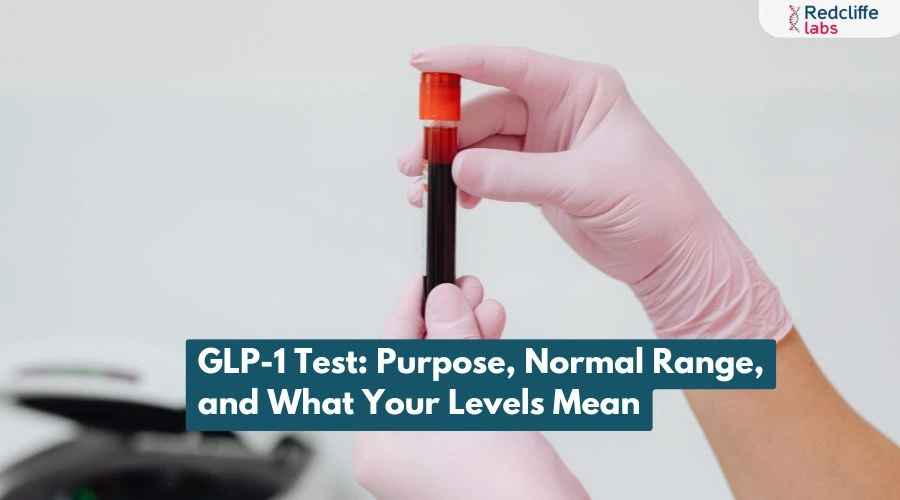
The GLP-1 test is a blood test that may be done in different conditions:
Steps Involved:
- The blood sample is taken from a vein in your arm using a sterile needle.
- Your physician/phlebotomist may instruct you to fast for 10 to 12 hours prior to the test.
- Being properly hydrated before undergoing the test helps in collecting blood.
- Do not indulge in any vigorous physical activity just before taking the test.
- Sometimes, another blood sample is drawn after eating to compare how your GLP-1 levels change in response to food.
What to Do If Your GLP-1 Levels Are Abnormal
If your results fall outside the normal range, your healthcare provider suggest lifestyle changes or additional tests.
Suggestions may include:
- Eat a healthy diet: Add fibre-rich foods, such as whole grains, legumes, fruits, vegetables, nuts, and seeds. This ensures a healthy gut and improves hormone production.
- Be physically active: Exercise regularly to enhance your insulin sensitivity.
- Maintain your healthy weight: Even small changes in your body composition could help regulate hormones.
- Consult your doctor: The doctor may order additional tests, including HbA1c and insulin levels.
- Medical treatment (if required): Your doctor may sometimes recommend taking specific GLP-1 drugs to normalise your blood sugar levels and appetite.
Causes of Abnormal GLP-1 Levels
There are several factors which contribute to an abnormal level of GLP-1. Identifying the causative factor helps manage the issue accordingly.
Causative Factors May Include:
- An unhealthy diet: A diet high in processed foods and sugar may hamper hormone secretion.
- Inability to utilise insulin effectively: Conditions such as type 2 diabetes reduce the incretin effect on an individual.
- Obesity: Excessive body fat leads to low-grade inflammation, which in turn impairs hormone levels.
- Genetic issues: Certain genetic factors cause an individual to produce low levels of incretins.
- Surgery: A surgical procedure alters the secretion mechanism of GLP-1, leading to extreme spikes in GLP-1 levels after eating.
- Imbalance in gut microflora: A disturbance in the gut microbiota leads to abnormalities in hormone production.
How to Support Healthy GLP-1 Levels
Supporting healthy GLP-1 levels naturally involves:
- Increase intake of soluble fiber: Sources such as oatmeal, beans, fruits, and vegetables, among others, induce the release of GLP-1 from cells lining the digestive system.
- Consume adequate protein: Foods like pulses, eggs, and dairy can help stimulate and prolong GLP-1 secretion, improving satiety and glucose control.
- Eat slowly: Ensure you eat slowly to help ensure adequate secretion of hormones like GLP-1, which act on the brain to induce a feeling of satiety.
- Take Healthy Fats: Healthy fats, such as monounsaturated fats found in olive oil, nuts, and avocado, enhance hormonal secretion.
- Avoid sugar and processed foods: High sugar intake can reduce sensitivity to GLP-1.
- Exercise regularly: Staying physically active helps improve hormone function.
Conclusion
The GLP-1 test is an essential diagnostic procedure that helps you understand your body's glucose regulation, hunger, and metabolism. Even though this test may not be widely known, its significance in detecting metabolic disturbances early is increasingly recognised.
In case you have been feeling unusually tired, gained or lost weight unexpectedly, or your blood glucose level varies unpredictably, this test might give you some valuable information. The key is not to panic but to stay informed and take gradual, consistent steps toward better health.
Keep in mind that:
- GLP-1 controls blood glucose and hunger
- Abnormal results may mean metabolic dysfunction.
- Early diagnostics prevent chronic conditions.
Regular preventive health checks performed by Redcliffe Labs will help you monitor these biomarkers and maintain good health in the future.
FAQs
1. What is a GLP-1 test used for?
The GLP-1 test helps assess how your body controls blood glucose levels and appetite after a meal. With this test, doctors can assess your insulin sensitivity and the activity of the incretin effect, which is important for maintaining your metabolism. The test may be ordered in cases of type 2 diabetes, insulin resistance, and other disorders associated with unexpected changes in blood sugar levels.
2. Is fasting required for a GLP-1 test?
In most cases, you may need to fast for 10-12 hours before having their blood tested. However, since the level of GLP-1 increases after a meal, your doctor may also recommend a post-meal or stimulated test. This helps compare fasting and postprandial responses, giving a clearer picture of how your body reacts to food.
3. Can GLP-1 levels affect weight?
Yes, the amount of GLP-1 affects a person’s body weight by regulating hunger, digestion, and feelings of satiety. When there is a high level of GLP-1 response, the stomach empties slowly, and one feels full; thus, fewer calories are consumed. On the contrary, a low level means hunger and, consequently, overeating.
4. Are GLP-1 tests commonly done?
These testing procedures are not carried out as part of routine medical screening, although they may be advised in certain clinical circumstances. Such tests may be suggested by doctors when regular testing methods, such as glucose and HbA1c, do not explain certain problems. This test is typically used to obtain additional information on metabolic function and incretin response.
5. Can lifestyle changes improve GLP-1 levels?
Yes, it is possible to positively affect your GLP-1 production and response through healthy lifestyle habits. Regular consumption of high-protein, high-fibre foods will help you achieve good results and avoid health complications. Other aspects to consider include being physically active and having an optimal weight.