World TB Day 2026: Yes, We Can End TB with Early Diagnosis and Treatment

Medically Reviewed By
Dr. Mayanka Lodha Seth
Written By Kirti Saxena
on Mar 24, 2026
Last Edit Made By Kirti Saxena
on Mar 24, 2026
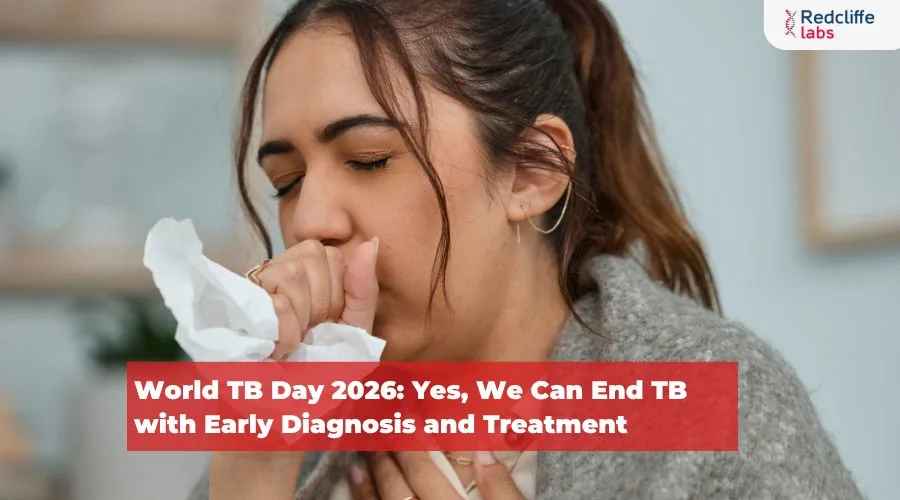
Tuberculosis (TB) remains one of the most serious infectious diseases worldwide. According to the World Health Organization, tuberculosis affected around 10.7 million people globally in 2024, and it caused more than 1.23 million deaths. Despite TB being preventable and treatable, TB continues to impact millions of lives every year.
The world observes World TB Day every year on March 24. The day raises awareness about tuberculosis and highlights the importance of early detection, timely treatment, and collective action.
The theme for World TB Day 2026, "Yes, We Can End TB," sends a powerful message. It reminds us that eliminating tuberculosis is possible when people, healthcare systems, and governments work together.
However, early diagnosis and timely treatment can control the spread of TB. When people recognize symptoms early and seek testing, they protect not only their own health but also the health of their communities.
Here is this blog: let's understand tuberculosis, its symptoms, and how early diagnosis can help save lives.
What Is Tuberculosis (TB)?
Tuberculosis is a contagious bacterial infection caused by Mycobacterium tuberculosis. TB mainly affects the lungs, but it can also affect other parts of the body, such as the brain, spine, kidneys, and lymph nodes. When TB affects the lungs, it is called pulmonary tuberculosis. This is the most common form of the disease. When TB spreads to other organs, doctors call it extrapulmonary tuberculosis.
TB exists in two main forms:
- Latent TB Infection: In latent TB, the bacteria remain in the body but stay inactive. The person does not experience symptoms and cannot spread the infection to others. However, latent TB can become active if the immune system becomes weak.
- Active TB Disease: In active TB, the bacteria multiply and cause symptoms. People with active TB can spread the infection to others through the air.
TB spreads when an infected person coughs, sneezes, or speaks. Tiny droplets containing bacteria travel through the air and may infect people who inhale them. Not everyone exposed to TB develops the disease. A strong immune system can often prevent the infection from becoming active.
How Tuberculosis Spreads?
Tuberculosis spreads through the air. When a person has active TB in the lungs, they release TB bacteria into the air when they exhale.
An infected person can spread TB bacteria when they:
- Cough
- Sneeze
- Speak
- Laugh
These actions release tiny droplets that contain TB bacteria. If someone nearby breathes in these droplets, the bacteria can enter their lungs and cause an infection.
TB spreads more easily in places where people stay close together for long periods and where air circulation is poor. These environments allow bacteria to remain in the air longer. Examples include:
- Crowded homes
- Poorly ventilated workplaces
- Shelters or dormitories
- Healthcare facilities
However, it is important to understand that TB does not spread through casual contact. You cannot get TB by:
- Sharing food or utensils
- Shaking hands
- Hugging someone
- Touching surfaces used by an infected person
It is important to learn about and spread awareness of how TB spreads so that people take simple precautions, such as improving ventilation, covering coughs, and seeking early medical care. These steps help reduce the risk of infection and protect the community.
Common Symptoms of Tuberculosis
Anyone who experiences a cough lasting more than 2 weeks, along with other unusual symptoms, should consult a doctor and undergo proper evaluation and testing. Early diagnosis can help start treatment quickly and prevent the disease from becoming more serious.
The most common form of TB affects the lungs. Doctors call this pulmonary tuberculosis. People with pulmonary TB may experience several symptoms that gradually become more noticeable.
Some common symptoms include:
- A persistent cough lasting more than 2 weeks is one of the most common signs of TB. The cough may start mild but continue for a long time.
- Fever: People with TB often experience a low-grade fever that may come and go.
- Night sweats: Excessive sweating during sleep is a common symptom of TB infection.
- Unexplained weight loss: Sudden weight loss without changes in diet or activity may signal an underlying infection.
- Fatigue and weakness: TB can make people feel tired and weak because the body uses energy to fight the infection.
- Chest pain: Some people may feel chest pain when breathing or coughing.
- Coughing up blood: In advanced cases, the infection can damage lung tissue, leading to blood in the cough.
These symptoms may mimic common respiratory infections, the flu, or seasonal illnesses. Still, you should always consult a doctor and get properly tested, as delays can allow the infection to progress and increase the risk of spreading TB to others.
Importance of Early Diagnosis in TB: "Yes, We Can End TB. "Early diagnosis plays a very important role in controlling TB. When doctors detect TB at an early stage, they can start the treatment immediately and stop the progression of the disease. Early treatment helps prevent the infection from becoming severe and reduces the risk of spreading the disease to others.
If the diagnosis is delayed, TB bacteria may continue to grow in the body. Over time, the infection can damage lung tissue and may even spread to other organs such as the brain, bones, or kidneys. Doctors use several diagnostic tests to detect and confirm tuberculosis.
- Sputum Test (Sputum Smear Microscopy or Sputum Culture): In this test, doctors examine a sample of sputum (mucus coughed up from the lungs). The laboratory examines the sample under a microscope or cultures it to detect the presence of TB bacteria. This test helps confirm active pulmonary tuberculosis.
- Chest X-ray: A chest X-ray creates images of the lungs and chest area. Doctors use this imaging test to identify lung abnormalities such as inflammation, cavities, or lesions that may indicate tuberculosis infection.
- Molecular Diagnostic Tests (CBNAAT or GeneXpert Ultra MTB/RIF Test): Modern molecular tests, such as CBNAAT (Cartridge-Based Nucleic Acid Amplification Test) or GeneXpert, detect the genetic material of TB bacteria. These tests can quickly identify TB and detect drug-resistant strains of the bacteria. You get this test done from Redcliffe Labs at competitive prices.
- Quantiferon TB IGRA Test: Blood tests such as the Interferon-Gamma Release Assay (IGRA) help detect the immune system's response to TB bacteria. These tests are often used to identify latent TB infection.
- Tuberculosis (TB) Panel: The TB panel may include tests such as AFB culture, AFB stain, and the Genexpert Ultra MTB/RIF Test. These tests help doctors detect the bacteria, evaluate lung damage, and identify whether the infection is active or latent.
- TB PCR Test: The TB PCR Test (Tuberculosis Polymerase Chain Reaction Test) is a molecular diagnostic test that detects the genetic material of TB bacteria in a sample. Doctors commonly use sputum samples, but may also use other body fluids depending on the suspected site of infection.
- AFB Culture Test: A laboratory test used to detect acid-fast bacilli (AFB) bacteria in the body. The bacterium that causes tuberculosis, Mycobacterium tuberculosis, belongs to this group of acid-fast bacilli. Doctors use this test to confirm whether a person has an active TB infection.
Early detection and treatment are key steps toward achieving the global goal: "Yes, We Can End TB."
Read more: Importance of TB Tests to Prevent TB!
Treatment and Management of Tuberculosis
Tuberculosis is curable and treatable with proper medical care. Doctors treat TB using a combination of antibiotics that kill the bacteria. Treatment usually lasts six months or longer, depending on the type and severity of the infection.
The most commonly used TB medicines include Isoniazid, Rifampicin, Ethambutol, and Pyrazinamide. Always take only the medicines prescribed by your doctor. In addition to medication, maintain a healthy lifestyle. Eating nutritious foods, getting enough rest, avoiding smoking and alcohol, and following medical advice can help strengthen the immune system and improve recovery.
Follow the treatment plan exactly as prescribed. Completing the full course of medication is essential to eliminate the bacteria. Stopping treatment too early can allow the bacteria to survive and develop resistance to antibiotics. This condition is known as drug-resistant tuberculosis, which is more difficult to treat. Get regular health checkups to stay up to date on your health with Redcliffe Labs.
Who Is at Higher Risk of Tuberculosis?
Tuberculosis can affect anyone, but some people have a higher risk of developing the disease. The risk increases when a person has a weak immune system or lives in conditions where TB bacteria can spread easily.
- People with weakened immune systems: They cannot effectively fight TB bacteria. Conditions such as chronic illness, malnutrition, or long-term medication use can weaken the immune system.
- Individuals living with HIV: People with HIV have a much higher risk of developing active tuberculosis. HIV weakens the immune system, making it easier for TB bacteria to multiply.
- People with diabetes: Diabetes can reduce the body's ability to fight infections. People with uncontrolled blood sugar levels may have a higher risk of TB infection.
- Smokers: Smoking damages the lungs and weakens lung defenses. This damage makes it easier for TB bacteria to infect the respiratory system.
- People living in crowded environments: Crowded homes, shelters, or workplaces increase the risk of TB transmission. When many people stay in close contact in poorly ventilated areas, the bacteria can spread more easily through the air.
- Healthcare workers exposed to TB patients: Doctors, nurses, and other healthcare staff who treat TB patients may be at higher risk of exposure to the bacteria. Proper protective measures and regular screening help reduce this risk.
How To Prevent Tuberculosis?
TB can be prevented with awareness, early diagnosis, and healthy practices. Here is how you can prevent TB:
- Early Screening: If you have symptoms or suspect TB, consult your doctor to detect it before symptoms worsen or spread occurs.
- Proper Ventilation: Ensure adequate ventilation in homes and workplaces to reduce airborne bacterial concentrations.
- Vaccination: The BCG vaccine can protect children from severe forms of TB. So, get your child vaccinated on time.
- Respiratory Hygiene: Covering the mouth while coughing or sneezing to reduce the spread of bacteria.
- Strong Immunity: Maintain a healthy lifestyle with balanced nutrition, regular exercise, and adequate sleep to boost your immune function.
- Completing TB Treatment: If you have TB, then it is important to complete your treatment course to prevent relapse and drug resistance.
Role of Diagnostic Testing in Ending TB
Tuberculosis remains a serious but preventable and treatable disease. The theme "Yes, We Can End TB" reminds us that collective action can eliminate the disease. Ending TB requires awareness, access to healthcare, and strong public health systems. With proper diagnostic testing with Redcliffe Labs, doctors can detect infection early, even before severe symptoms develop. Get tested early to start treatment early and save lives, preventing the spread of infection.