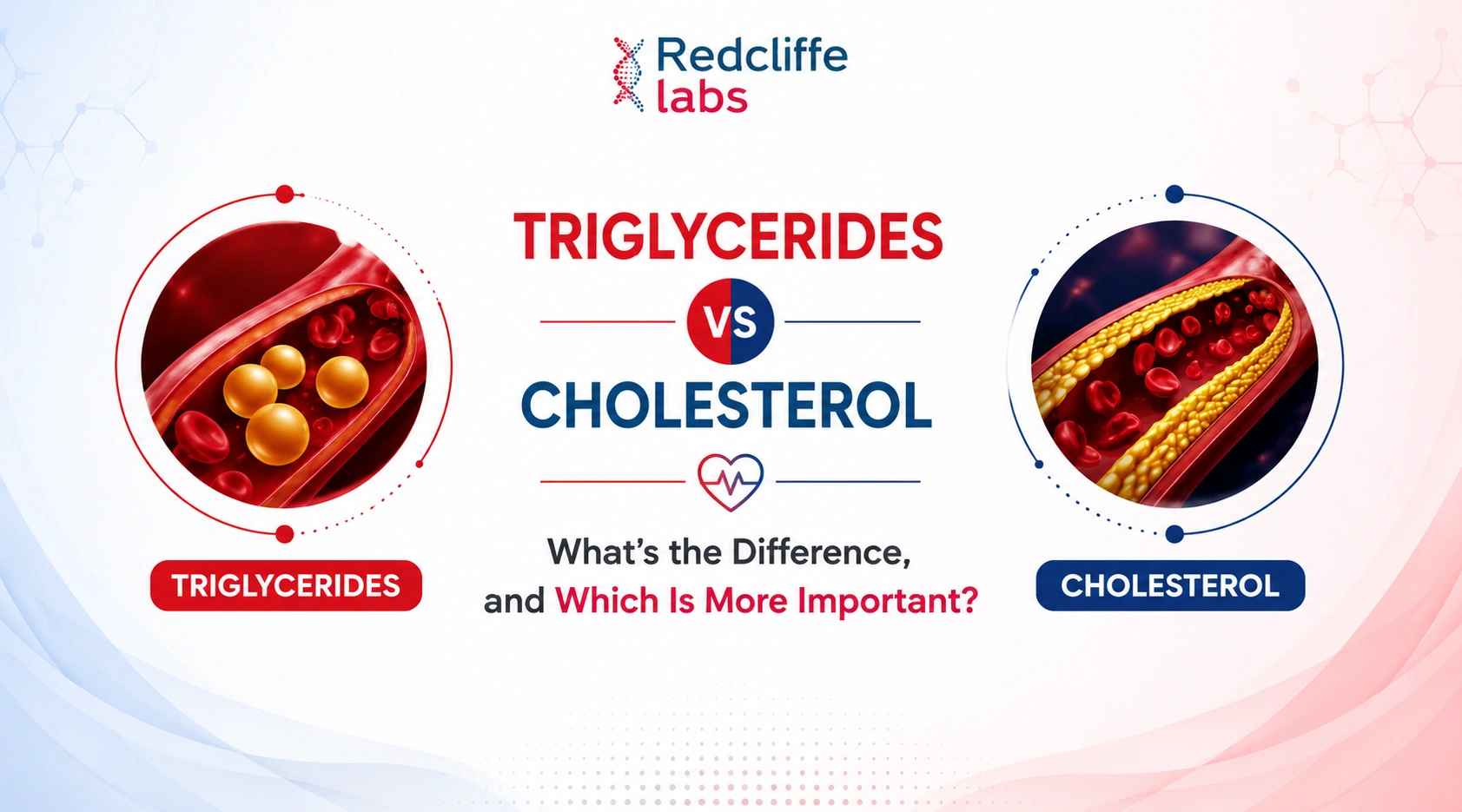
Triglycerides vs Cholesterol: What's the Difference, and Which Is More Important?

The two figures on a blood test can tell quite different stories about your heart health.
You might have heard that cholesterol is "bad" or that triglyceride levels go up when you consume excessive sugar. However, the truth is more complicated. Although both cholesterol and triglycerides are fats that are in your blood, they have different functions, different reasons for increasing, and different effects on your health.
Cholesterol is useful because it allows the body to form cells, hormones, and other necessary substances; triglycerides, by contrast, are the method the body mainly uses to store extra energy. The issue arises when either becomes too high or when more than one lipid value is unhealthy.
So when you compare triglycerides and cholesterol, which one should you focus on more? The straightforward answer is that you shouldn't look at either figure on its own. LDL cholesterol, HDL cholesterol, triglyceride levels, non-HDL cholesterol, and your overall health risk are all important.
In this blog post, we'll look at the difference between triglycerides and cholesterol, examine their normal values, identify the causes and risks, and also find out which figure you really should be monitoring.
Also Read: Everything You Need to Know About LDL Cholesterol: The Ultimate Guide
What Are Triglycerides?
Triglycerides are the most common form of fat in the human body; they are made up of a glycerol backbone bonded to three fatty acid chains. Whatever food you eat, such as a slice of pizza, a bowl of rice, or an avocado, your body turns any calories that it doesn't need to use immediately into triglycerides.
This is a quick fact: more than 95% of the dietary fats that you eat have a triglyceride structure!
The body gathers these lipid molecules and packages them into special carriers known as chylomicrons and VLDL (Very Low-Density Lipoproteins) so they can be carried through the bloodstream and stored in your fat cells (adipose tissue). When there is a gap between meals, certain hormones cause triglycerides to be released to provide a continuous supply of energy to your muscles and organs.
- They serve as the body's main method of storing energy for the long term and release calories each time the body needs a boost in stamina between meals.
- The level of caloric surplus is high since you are regularly eating more calories, particularly from simple sugars, refined carbohydrates, and alcohol, than your body uses.
- The Metabolic Health Barometer is closely associated with insulin resistance, fatty liver disease, prediabetes, and metabolic syndrome, making it an important indicator of overall metabolic health.
What Is Cholesterol?
Cholesterol is not used as fuel or burned for energy; it is a waxy, steroid-like alcohol molecule necessary for human life. The body depends on it so much that the liver and intestines produce about 75 to 80 percent of the cholesterol circulating in the body each day, with the remaining 20 to 25 percent coming directly from the food you eat.
The liver puts cholesterol, since it is waxy and hydrophobic (because it cannot dissolve in watery blood plasma), into protein shells known as lipoproteins so that it can move safely through your circulatory system.
- The cell membrane has stability since it serves as an essential structural component in every cell membrane in the body, giving it both structural integrity and fluidity.'
- Both hormone and vitamin production help your body make vitamin D, cortisol, and important sex hormones like estrogen, progesterone, and testosterone.
- Your liver uses cholesterol to make bile acids, which are essential for the digestion and absorption of dietary fats and the fat-soluble vitamins (A, D, E, and K).
The key differences: triglycerides and cholesterol.
To clearly understand how these two lipids compare side by side, review the breakdown below:
|
Feature |
Triglycerides |
Cholesterol |
|
Primary Function |
Stores unused calories and provides energy to muscles. |
Builds cell membranes, synthesizes hormones and bile acids. |
|
Main Source |
Mainly derived from excess dietary calories, simple sugars, alcohol, and fats. |
Mostly synthesized internally by the liver (~80%); minor portion from food (~20%). |
|
Chemical Structure |
The glycerol molecule is bound to three fatty acid chains. |
Complex sterol ring structure (waxy steroid alcohol). |
|
Cardiovascular Impact |
High levels cause arterial thickening and signal underlying metabolic syndrome. |
Excess LDL particles penetrate artery walls, oxidize, and build hard atherosclerotic plaque. |
|
Primary Lifestyle Driver |
Highly responsive to diet changes, sugar intake, weight loss, and physical exercise. |
Influenced by saturated/trans fats, but heavily governed by genetics and internal liver synthesis. |
|
Associated Health Risks |
Pancreatitis (at very high levels), fatty liver disease, type 2 diabetes, stroke. |
Coronary artery disease, angina, heart attack, and peripheral artery disease. |
Understanding Your Lipid Panel Numbers
When ordering a blood lipid profile, doctors look at four important numerical values, given in milligrams per deciliter (mg/dL).
Total Cholesterol
This figure is the total of all the different kinds of cholesterol present in your blood.
- Desirable: Less than 200mg/dL
- Borderline High: 200-239 mg/dL
- High: 240 mg/dL or higher
HDL (High-Density Lipoprotein) Cholesterol
Often labeled the "good" cholesterol, HDL acts as a vascular cleanup crew. It picks up excess cholesterol from your bloodstream and tissue walls and transports it back to your liver for processing and disposal (a protective process called reverse cholesterol transport).
- Optimal: 60 mg/dL or higher (protective against heart disease)
- Acceptable: 40-59 mg/dL for men; 50-59 mg/dL for women
- Low (Risk Factor): Less than 40mg/dL for men; less than 50mg/dL for women
LDL (Low-Density Lipoprotein) Cholesterol
It is known as "bad" cholesterol because LDL transports cholesterol from the liver to various tissues in the body; when it is present in excess, particularly when it is small and dense, the LDL particles can penetrate the damaged layer of arteries, get oxidized, and then form hard, calcified plaques.
- Optimal: Less than 100 mg/dL (less than 70mg/dL for individuals with high heart disease risk)
- Near Optimal: 100-129 mg/dL
- Borderline High: 130-159 mg/dL
- High: 160-189 mg/dL
- Very High: 190 mg/dL or higher
Triglyceride Levels
Triglyceride levels can change quickly depending on recent meals, alcohol intake, and physical activity, which is why a 10- to 12-hour fast is necessary before this test.
- Normal: Less than 150mg/dL
- Borderline High: 150-199 mg/dL
- High: 200-499 mg/dL
- Very High: 500mg/dL or higher (significantly increases the risk of acute pancreatitis)
Causes of High Triglycerides vs. High Cholesterol
Although both conditions may occur together, their underlying causes stem from different biological pathways and lifestyle habits.
Key Drivers of High Triglycerides
- Excess Sugar and Refined Carbohydrate Intake: Consuming large amounts of sugary beverages, pastries, white bread, and processed snacks floods the liver with fructose and glucose, which it converts into stored triglycerides.
- Sedentary Lifestyle and Lack of Exercise: Physical inactivity reduces the activity of lipoprotein lipase, an essential enzyme required to break down and clear triglycerides from your blood for muscle energy.
- Alcohol Consumption: Alcohol is processed by the liver and stimulates the rapid synthesis of VLDL particles, causing triglyceride levels to spike even with moderate intake.
- Insulin Resistance and Pre-Diabetes: When your cells stop responding efficiently to insulin, your body cannot process blood glucose properly, driving the liver to overproduce triglycerides.
- Obesity and Overweight Status: Carrying extra body fat, particularly visceral fat around abdominal organs, continuously spills free fatty acids into the liver, driving up triglyceride production.
Key Drivers of High Cholesterol
- Genetic Factors (Familial Hypercholesterolemia): Inherited gene mutations can prevent your liver's LDL receptors from clearing bad cholesterol efficiently, causing severely high LDL levels regardless of diet.
- High Intake of Saturated and Trans Fats: Eating excessive saturated fats (found in fatty meats, butter, and full-fat dairy) and artificial trans fats suppresses hepatic LDL receptors, raising circulating LDL cholesterol.
- Underlying Medical Conditions: Thyroid disorders like hypothyroidism, chronic kidney disease, and sluggish liver function directly reduce your body's ability to process and clear cholesterol.
- Age and Gender Transitions: Cholesterol levels naturally rise as men and women age. Women often experience a sharp increase in LDL cholesterol following menopause due to falling estrogen levels.
- Smoking and Vaping: Toxins in tobacco smoke damage the delicate endothelial lining of blood vessels and lower protective HDL cholesterol, allowing LDL to deposit plaques easily.
Which Is More Important for Your Heart Health?
The debate over whether triglycerides or cholesterol is "more important" is a common misunderstanding. Neither one is inherently more important; they are complementary markers that measure two different aspects of cardiovascular risk.
High LDL cholesterol tells your doctor about your direct risk for developing atherosclerosis—the physical buildup of hard, narrow plaques inside your arteries.
High triglycerides tell your doctor about your underlying metabolic health, revealing hidden issues like insulin resistance, systemic inflammation, and fatty liver.
When a person has high triglyceride levels together with high LDL and low HDL, doctors refer to this as the Atherogenic Lipoprotein Phenotype (or Triad), since this condition greatly increases the risk of suffering a heart attack or a stroke.
Health Risks of Unchecked Lipids
Leaving high triglycerides or elevated cholesterol unaddressed can lead to severe health consequences across multiple body systems:
- Atherosclerosis and Coronary Artery Disease: Plaque buildup narrows coronary arteries, reducing oxygenated blood flow to the heart muscle, leading to chest pain (angina) or heart attacks.
- Ischemic Stroke: Plaque rupture in the carotid arteries can form blood clots that travel directly to the brain, blocking vital blood supply and causing brain damage or sudden stroke.
- Acute Pancreatitis: Extremely high triglyceride levels (>500 to 1,000 mg/dL) trigger toxic free fatty acid accumulation that causes painful, life-threatening inflammation of the pancreas.
- Non-Alcoholic Fatty Liver Disease (NAFLD): Excess triglycerides accumulate inside liver cells, causing inflammation, cell scarring, and potentially progressing to liver cirrhosis.
- Peripheral Artery Disease (PAD): Arterial narrowing spreads to the legs and arms, causing severe cramping pain while walking, poor wound healing, and risk of tissue damage.
How to Normalize Triglycerides and Cholesterol Naturally?
The good news is that both triglycerides and cholesterol respond well to deliberate lifestyle changes; since triglycerides are closely tied to metabolism, they tend to return to normal quickly when you modify your diet.
- Adopt a Heart-Healthy Eating Pattern: Focus on a Mediterranean-style diet rich in fiber, vegetables, legumes, whole grains, nuts, and healthy fats like extra virgin olive oil and avocados.
- Drastically Reduce Refined Sugars: Cut out sugary sodas, energy drinks, fruit juices, candy, and processed carbs to lower triglyceride production in the liver.
- Increase Omega-3 Fatty Acids: Eat fatty fish (salmon, mackerel, and sardines) twice a week or take high-quality omega-3 supplements to lower triglycerides and protect arterial walls.
- Engage in Regular Aerobic Exercise: Aim for at least 150 minutes of moderate-intensity exercise (brisk walking, cycling, or swimming) per week to boost protective HDL and lower triglycerides.
- Maintain a Healthy Body Weight: Losing just 5% to 10% of your total body weight can significantly reduce triglycerides, lower LDL cholesterol, and improve overall insulin sensitivity.
- Limit Alcohol and Quit Smoking: Restricting alcohol intake directly reduces triglyceride synthesis, while quitting smoking restores beneficial HDL cholesterol levels and repairs blood vessel linings.
Also Read: Food Items That Can Help Keep Cholesterol in Control
Triglycerides vs Cholesterol: The Bottom Line
When it comes to whether triglycerides or cholesterol are more important, the answer is that both matter but provide different information. LDL cholesterol is especially significant for long-term heart health because high levels can lead to plaque buildup in the arteries. High triglyceride levels should also be noted, particularly when they occur together with high LDL, low HDL, or other metabolic risk factors.
Instead of focusing on a single number, consider your full lipid profile and discuss it with a healthcare professional.
To make testing more convenient, Redcliffe Labs provides home sample collection, allowing you to have your lipid tests done from home. In some cases, depending on where you are and the type of test, same-day delivery of the results is also possible. When your report is ready, the company also provides AI-assisted report insights to help you understand your results more easily.
Then, instead of simply asking yourself, "Is my cholesterol normal?" you should ask, "What do all my lipid figures have to say about my health?"
FAQs
1. What is the difference between triglycerides and cholesterol?
Triglycerides and cholesterol are both fats found in your blood, but they have different jobs. Cholesterol helps build cell membranes and make hormones and vitamin D. Triglycerides mainly store extra energy from food. Both are measured through blood tests and can affect heart health when their levels become too high.
2. Which is more important: triglycerides or cholesterol?
Neither is more important in every situation. LDL cholesterol is a major marker for long-term cardiovascular risk because it can contribute to plaque buildup in arteries. Triglycerides also matter, particularly when they are elevated along with low HDL, high LDL, diabetes, or other metabolic risk factors. Your complete lipid profile provides a better picture.
3. Are high triglycerides dangerous?
High triglycerides can increase health risks, particularly when levels remain elevated over time. They are associated with cardiovascular risk and may become especially concerning at very high levels. Triglycerides of 500 mg/dL or above are considered very high and can increase the risk of acute pancreatitis. Always interpret your result alongside other health factors.
4. Is high cholesterol worse than high triglycerides?
There is no simple answer because the health impact depends on how high the levels are and your overall risk. High LDL cholesterol is strongly linked with plaque buildup and cardiovascular disease. High triglycerides can also increase cardiovascular risk, while very high triglycerides can increase the risk of pancreatitis. Both require appropriate evaluation, not comparison alone.
5. What are normal triglyceride levels?
For adults, triglycerides are generally considered normal when they are below 150 mg/dL. Levels from 150 to 199 mg/dL are usually considered borderline high, 200 to 499 mg/dL high, and 500 mg/dL or above very high. These are general reference ranges. Your healthcare professional may interpret your result based on your health, medications, and whether you fasted for the test.
6. What is considered high LDL cholesterol?
For adults, an LDL cholesterol level of 130–159 mg/dL is generally considered borderline high, while 160–189 mg/dL is high and 190 mg/dL or above is very high. However, the ideal LDL level varies depending on your cardiovascular risk, diabetes, existing heart disease, and other factors. Your doctor may recommend a lower target based on your individual risk.
7. Can triglycerides be high even if cholesterol is normal?
Yes. Triglycerides and cholesterol are different types of lipids, so one can be elevated while the other appears normal. For example, excess sugar or calorie intake, alcohol, diabetes, certain medications, and genetic factors can raise triglycerides without significantly increasing total cholesterol. This is why checking a complete lipid profile is often more informative than checking cholesterol alone.
8. What causes high triglycerides?
High triglycerides can result from several factors, including eating too many calories, excess sugar and refined carbohydrates, being overweight, physical inactivity, and excessive alcohol intake. Diabetes, thyroid problems, kidney or liver conditions, certain medicines, and genetic factors can also contribute. Sometimes, several factors occur together, so it's important to understand the underlying cause rather than focus only on diet.
9. How can I lower triglycerides naturally?
You can often support healthier triglyceride levels through lifestyle changes. Reduce added sugars, sugary drinks, and refined carbohydrates; stay physically active; and work toward a healthy weight if needed. Limiting alcohol can also help, especially if your triglycerides are elevated. Choose more whole foods, vegetables, fiber-rich foods, and healthier fats, and follow your doctor's advice if levels remain high.
10. How can I lower cholesterol naturally?
To support healthier cholesterol levels, focus on a heart-friendly lifestyle. Choose foods rich in vegetables, fruits, whole grains, legumes, and fiber, while reducing foods high in saturated and trans fats. Exercise regularly, maintain a healthy weight, and avoid smoking. For some people, lifestyle changes alone may not be enough, and a healthcare professional may recommend cholesterol-lowering medication.
11. Does a lipid profile test check both triglycerides and cholesterol?
Yes. A standard lipid profile usually measures several important blood fats, including total cholesterol, LDL cholesterol, HDL cholesterol, and triglycerides. Some profiles may also report VLDL, non-HDL cholesterol, and cholesterol ratios. Looking at these values together can provide a more complete picture of your lipid health than measuring total cholesterol or triglycerides alone.
12. When should I get a lipid profile test?
A lipid profile may be recommended as part of routine health screening or when you have risk factors such as diabetes, high blood pressure, obesity, smoking, a family history of heart disease or previously abnormal cholesterol levels. Testing frequency depends on your age, health history and risk. If you are unsure, ask your healthcare professional when you should be tested.