The Gut-Brain Axis: How Your Gut Affects Mood, Anxiety & Focus
Overview
- The gut and brain communicate continuously through nerves, hormones, immune signals and substances produced by gut microbes. This two-way network is known as the gut-brain axis.
- Stress and anxiety can affect digestion, appetite, bowel movements and abdominal sensitivity. In turn, persistent digestive discomfort may influence mood, sleep and concentration.
- The research suggests a connection between gut microbial patterns and mental well-being, but it's important to understand that current studies do not establish causation. More research is needed to determine whether specific bacteria directly cause anxiety, depression, or poor focus, helping readers grasp the complexity of the topic.
- The way you eat, sleep, exercise, and manage stress can support both gut and brain health, giving you some control over your well-being.
- Since symptoms of a disturbed gut-brain axis are often nonspecific, understanding your unique experience can help you seek appropriate support.
Have you ever felt butterflies in your stomach before an interview or experienced nausea during a stressful situation? Perhaps digestive discomfort has made it difficult for you to concentrate on work or studies. These reactions are not just coincidences. They show how closely your gut and brain communicate with each other.
Scientists call this two-way communication system the gut-brain axis. This gut-brain connection allows your brain to influence digestion, appetite and bowel movements. At the same time, your digestive system may send signals that affect your mood, stress response and ability to focus.
The relationship between gut and mental health involves the nerves, hormones, immune system and trillions of microorganisms living in your digestive tract. However, gut health is only one part of the picture. An unhealthy gut does not directly cause every case of anxiety, depression or poor concentration. Genetics, lifestyle, sleep, medical conditions and life experiences can also influence mental well-being.
In this article, we will explore how the gut and brain communicate, what symptoms may suggest a disturbed gut-brain connection, and what current research tells us about its effects on mood, anxiety, and focus.
What Is the Gut-Brain Axis?
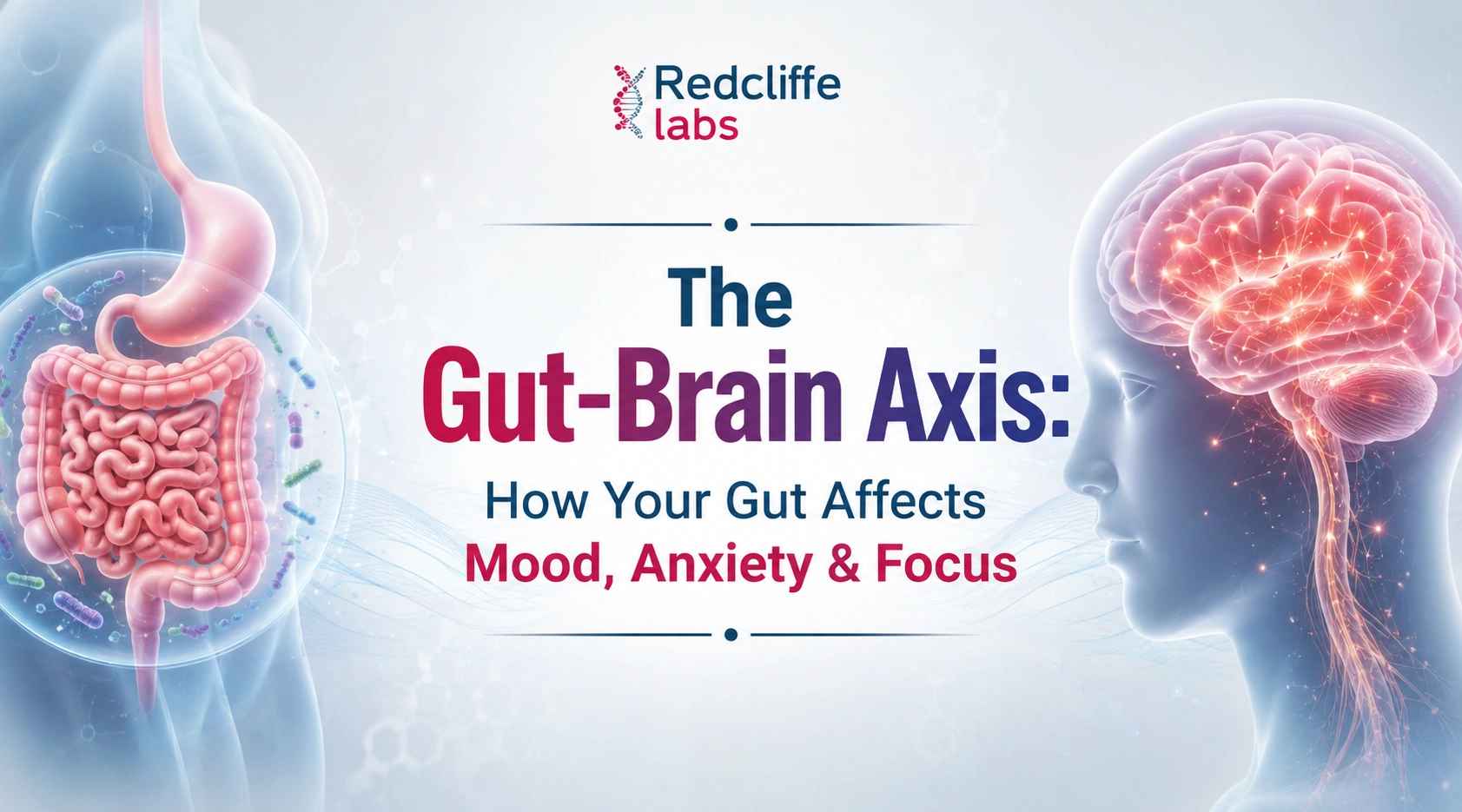
The gut-brain axis is a two-way communication network that connects your digestive tract with your brain and spinal cord. In simple terms, your brain sends signals to your gut, and your gut sends information back. This constant exchange can influence digestion, appetite, stress, mood, and concentration.
Several important systems help in this communication:
- Brain and spinal cord: Together, they form the central nervous system. The brain can change digestion during stress or excitement. For example, stress may cause nausea, stomach pain, constipation, or diarrhea.
- Enteric nervous system: This network of nerve cells lines the digestive tract and controls functions such as digestion, bowel movements, and blood flow. People sometimes call it the "nervous system of the gut" or the "second brain" because it can manage many digestive activities on its own.
- Vagus nerve: The vagus nerve acts as a major communication route between the gut and brain. It carries information about conditions inside the digestive tract to the brain and sends instructions from the brain back to the gut.
- Immune and hormonal systems: Immune cells, hormones and other chemical messengers also carry signals between the gut and brain. These signals may influence hunger, stress responses, inflammation and how sensitive the gut feels.
- Gut microbiome: Trillions of microorganisms, including bacteria, viruses and fungi, live inside the digestive tract. They break down parts of food, produce useful substances and interact with the nervous and immune systems.
What types of body functions does the gut-brain connection affect?
The gut-brain connection may influence several body functions, including:
- Hunger, fullness and food cravings
- Digestion and bowel movements
- Metabolism
- Mood and behavior
- Stress response
- Pain sensitivity
- Memory, focus and other cognitive functions
- Immune-system activity
Because communication works in both directions, stress can disturb digestion, while ongoing digestive discomfort may affect mood and concentration. However, the gut-brain connection is only one of many factors that influence these functions.
How Do Your Gut and Brain Communicate?
Your gut and brain communicate through nerves, hormones, immune signals, and chemicals made during digestion. Because messages travel both ways, stress may upset your stomach, while digestive discomfort may affect mood and concentration.
1. Vagus Nerve and Enteric Nervous System
The enteric nervous system controls food movement, digestive juices, and blood flow in the gut. The vagus nerve carries information between this system and the brain, allowing emotions to influence digestion.
2. Stress-Response System
During stress, the HPA axis releases hormones such as cortisol. Ongoing stress may change appetite, gut movement, pain sensitivity, the intestinal barrier, and microbial balance. Digestive symptoms may then increase stress.
3. Immune and Inflammatory Signals
Gut microbes interact with immune cells and the intestinal lining. Cytokines can send messages to the brain. However, inflammation does not cause every mental health symptom.
4. Microbial Metabolites
Microbes produce short-chain fatty acids when they ferment fiber. These compounds, along with modified bile acids and tryptophan metabolites, may influence immune, metabolic, and nerve pathways.
5. Hormones and Neuroactive Chemicals
The gut produces serotonin and interacts with GABA. Most serotonin forms in the gut but cannot readily cross the blood-brain barrier, so it does not directly control mood by itself.
How Can Gut Health Influence Your Mood?
If you are wondering whether gut health affects mood, research suggests that the two may be connected through several indirect pathways. Your gut and brain constantly exchange signals through nerves, hormones, immune pathways,s and substances produced by gut microbes.
- Immune activation: Gut microbes interact with immune cells. These cells may release signals that influence stress responses and brain function.
- Microbial metabolites: Gut bacteria produce substances such as short-chain fatty acids. These support the intestinal lining and help regulate immune and nerve communication.
- Nutrient absorption: Digestive conditions may affect the absorption of iron, vitamin B12 and folate. Deficiencies in these nutrients may contribute to tiredness, poor concentration and low mood.
- Sleep disturbance: Bloating, abdominal pain, acidity or frequent bowel movements may interrupt sleep. Poor sleep can then worsen mood and digestive symptoms.
- Chronic discomfort: Ongoing constipation, diarrhea or stomach pain may restrict daily activities, increase worry and affect emotional well-being.
- Altered stress response: Long-term stress can change appetite, bowel movement, gut sensitivity and microbial activity. Digestive discomfort may then increase stress, creating a repeating cycle.
Gut health may influence emotional well-being, but depression has many possible causes. Persistent low mood requires professional medical or mental-health support.
What Is the Connection Between Gut Health and Anxiety?
The connection between gut health and anxiety works in both directions. Anxiety can affect digestion, while ongoing digestive problems can increase anxious thoughts. The phrase " brain-gut connection anxiety describes this two-way relationship between anxious feelings and digestive symptoms.
- Anxiety can disturb digestion: When you feel anxious, your body activates its nervous and hormonal stress systems. This response may speed up or slow down digestion, change appetite, and make the gut more sensitive.
- Symptoms may vary: Some people experience nausea, diarrhea, or abdominal pain, while others develop constipation or lose their appetite. These symptoms are real, even when medical tests do not show physical damage.
- Digestive problems can increase anxiety: Frequent stomach pain or unpredictable bowel movements may cause worry about eating, traveling, or finding a toilet. A person may avoid work, school or social events. Persistent symptoms may also lead to health anxiety.
The Stress-Gut-Anxiety Cycle
Stress, anxiety, and digestive symptoms can create a repeating cycle. Because the gut and brain communicate in both directions, changes in one can affect the other.
- Stress activates the body: A stressful situation triggers the nervous system and releases hormones such as cortisol.
- Digestion changes: The stress response may speed up or slow down bowel movements, change appetite, and increase gut sensitivity.
- Symptoms develop or worsen: A person may experience nausea, bloating, abdominal pain, diarrhea, constipation, or loss of appetite.
- Worry increases: Unpredictable symptoms may cause concern about eating, traveling, attending work, or finding a toilet.
- Anxiety further affects the gut: Increased anxiety can make digestive discomfort feel stronger and restart the cycle.
This feedback loop commonly affects people with disorders of gut-brain interaction, such as IBS. The symptoms are real and can disrupt everyday life.
Can Your Gut Affect Focus and Mental Clarity?
Your digestive health may influence your ability to focus, but research on the gut microbiome and cognition remains promising rather than conclusive. Human studies have reported possible associations, but researchers have not proved that changes in gut bacteria directly cause poor concentration.
Possible indirect links include:
- Poor sleep: Acid reflux, abdominal pain, bloating, or frequent bowel movements may interrupt sleep. Inadequate sleep can reduce attention and mental alertness.
- Immune and metabolic signals: Gut microbes interact with immune cells and produce metabolites. Researchers are studying how these signals may influence brain function.
- Nutritional deficiencies: Digestive disorders may reduce the absorption of iron, vitamin B12 or other nutrients. Iron deficiency can cause fatigue and difficulty concentrating.
- Blood sugar changes: Irregular meals, poor appetite or digestive symptoms may affect blood glucose levels. Low blood sugar can cause tiredness, confusion and irritability.
- Stress and anxiety: Worry about digestive symptoms can occupy your thoughts and make attention more difficult.
- Physical discomfort: Ongoing abdominal pain or an urgent need to use the toilet can compete for your attention.
"Brain fog" describes symptoms such as slow thinking, forgetfulness, and poor focus; it is not a medical diagnosis. Research shows that anxiety and depression can also cause difficulty concentrating, so people should not automatically blame the gut.
Possible Signs of a Disturbed Gut-Brain Connection
There is no single symptom that suggests a disturbed gut-brain connection. Possible Brain-gut dysfunction symptoms are nonspecific and should not be treated as a diagnostic checklist.
- Digestive symptoms that appear or become worse during stressful situations
- Frequent bloating, constipation, diarrhea or changes in bowel habits
- Repeated abdominal pain without a clearly identified structural cause
- Nausea, loss of appetite or increased appetite during anxiety
- Poor sleep accompanied by bloating, acidity or abdominal discomfort
- Persistent tiredness, mental fog or difficulty concentrating
- Mood changes that occur alongside ongoing digestive problems
- Increased worry about eating, traveling or finding a toilet due to unpredictable symptoms
Conditions such as irritable bowel syndrome can cause abdominal pain and changes in bowel movements without visible damage to the digestive tract. However, these symptoms do not always indicate a gut-brain problem.
Important note: These symptoms may have several medical, nutritional or psychological causes. Fatigue, poor concentration, appetite changes and sleep problems can also occur with anxiety or depression. Always consult a doctor if your symptoms persist, worsen or interfere with daily life.
What Can Disrupt the Gut-Brain Axis?
Several lifestyle, medical and environmental factors may affect communication between the gut and brain:
- Low-fiber diet: Eating too little fruit, vegetables, whole grains, pulses, nuts and seeds may reduce the food available for beneficial gut microbes.
- Limited plant variety: Different plant foods provide different fibers and nutrients. A repetitive diet may reduce microbial diversity.
- Highly processed foods: Frequent intake may replace fiber-rich foods and affect gut microbial activity.
- Long-term stress: Ongoing stress can alter digestion, appetite, bowel movements, and gut sensitivity.
- Poor sleep: Irregular or inadequate sleep may affect stress hormones, digestion and the gut microbiome.
- Gastrointestinal infections: Some infections can temporarily or persistently change bowel habits and gut microbial balance.
- Repeated antibiotic use: Antibiotics can reduce both harmful and helpful bacteria. Use them only when prescribed, but never avoid a medically necessary course.
- Excessive alcohol consumption and smoking: Both may irritate the digestive tract and affect the intestinal barrier and microbial balance.
- Physical inactivity: Limited movement may contribute to constipation, poor sleep, and increased stress.
- Chronic digestive conditions: Conditions such as IBS can disturb communication between the gut and brain.
- Overly restrictive diets: Removing several food groups without medical guidance may cause nutritional deficiencies and reduce dietary variety.
These factors do not affect everyone in the same way, and their presence does not confirm a gut-brain disorder.
Ways to Support Gut and Brain Health
A common question is: How to improve gut health for mental health? You do not need expensive products or extreme "gut reset" plans. Consistent everyday habits can benefit digestion, sleep, mood and concentration.
- Eat More Fibre-Rich Foods: Choose whole grains, fruits, vegetables, pulses, nuts and seeds. Indian options include dal, rajma, chana, oats, millets, guava, apples and leafy vegetables. Fiber feeds helpful gut microbes and supports regular bowel movements.
- Include Fermented Foods If You Tolerate Them: Curd, kefir and selected traditionally fermented foods can add useful microbes or microbial products to your diet.
- Prioritize Plant Variety: Different plant fibers support different groups of gut microbes. Add variety slowly across the week instead of following restrictive cleanses or drastic "gut reset" diets.
- Protect Your Sleep: Keep consistent sleeping and waking times. Avoid heavy meals, alcohol and excessive caffeine close to bedtime, especially if they trigger reflux or disturb sleep.
- Exercise Regularly: Regular walking, cycling, yoga or other movement can support bowel regularity, sleep, stress control and metabolic health. Choose activities you can continue safely.
- Manage Stress From Both Directions: Breathing exercises, meditation, yoga and counseling may help regulate stress and reduce its effects on digestion.
- Use Antibiotics Responsibly: Take antibiotics only when a qualified doctor prescribes them. Complete the course exactly as advised.
Can Probiotics Improve Mood or Anxiety?
Probiotics may support the gut-brain connection, but researchers are still studying their effects on mood and anxiety. First, it helps to understand three related terms:
- Probiotics: Live microorganisms that may provide a health benefit when consumed in adequate amounts.
- Prebiotics: Nondigestible food components, usually certain types of fiber, that feed beneficial gut microbes.
- Synbiotics: Products that combine probiotics and prebiotics.
Probiotic effects are strain-specific. This means that a benefit linked to one bacterial strain cannot automatically be expected from another strain or product. The dose, combination of strains and length of use may also affect the results.
Probiotics are not approved replacements for antidepressants, psychotherapy or other medical treatments. People should consider them only as a possible supportive measure after discussing them with a qualified healthcare professional.
Most healthy adults tolerate probiotics well, although they may cause temporary gas or bloating. Pregnant people should consult their doctor before taking probiotic supplements.
Is There a Test for the Gut-Brain Axis?
There is no single test to diagnose an "unhealthy gut-brain axis." Depending on a person's symptoms and medical history, a doctor may recommend tests to check for conditions that can affect energy, mood or concentration, such as:
- Complete Blood Count (CBC): A CBC measures red blood cells, white blood cells, hemoglobin and platelets. It may help detect anemia, infection or other conditions that can cause fatigue and poor concentration.
- Iron Profile or Ferritin: An iron profile measures different forms of iron in the blood, while ferritin shows the body's stored iron. Low iron levels may cause weakness, tiredness, headaches and difficulty concentrating.
- Vitamin B12: A vitamin B12 test checks whether the body has enough vitamin B12 for healthy nerves and blood cells. A deficiency may lead to fatigue, memory problems, tingling or mood changes.
- Thyroid Function Test: Thyroid function tests measure hormones that regulate metabolism, energy and several body processes. An underactive or overactive thyroid may affect mood, sleep, digestion and concentration.
- Blood Glucose: A blood glucose test measures the amount of sugar present in the blood. Abnormal glucose levels may cause fatigue, irritability, dizziness or difficulty focusing.
- Vitamin D Test: A vitamin D test measures the level of vitamin D in the blood. Low levels may contribute to muscle weakness, bone discomfort and tiredness, although these symptoms can have other causes.
- Gut Microbiome Test: A gut microbiome test analyses microorganisms present in a stool sample. However, it cannot diagnose an unhealthy gut-brain axis, anxiety, or poor focus, and direct-to-consumer reports currently have limited clinical value.
When Should You Consult a Doctor?
Consult a doctor if digestive symptoms persist, worsen, or begin to affect your sleep, mood,d or daily activities. Seek prompt medical help for severe pain, unexplained weight loss, blood in the stool, or persistent vomiting.
Digestive warning signs
- Blood or black color in the stool
- Unexplained weight loss
- Persistent vomiting
- Severe or worsening abdominal pain
- Fever or dehydration
- Difficulty swallowing
- Symptoms that repeatedly wake you at night
- A persistent change in bowel habits
Mental-health warning signs
- Anxiety, low mood or difficulty concentrating lasting two weeks or longer
- Symptoms interfering with work, relationships or everyday tasks
- Panic attacks or severe emotional distress
The Bottom Line
Your gut and brain continuously influence each other through nerves, hormones, immune signals and microbial activity. A balanced diet, adequate sleep, regular exercise and healthy stress management may support digestion, mood and concentration.
However, "healing the gut" cannot cure anxiety, depression or attention problems. These conditions may involve several biological, psychological and lifestyle factors. Consult a doctor or qualified mental-health professional if digestive discomfort, mood changes or difficulty concentrating persists or begins to affect your daily life.
FAQs
Can poor gut health cause anxiety?
Poor gut health and anxiety can be linked through two-way gut-brain communication, stress and immune signals. However, gut problems do not independently cause anxiety, which usually has several contributing factors.
Can digestive problems affect your mood?
Yes. The gut and brain communicate in both directions. Digestive pain, bloating or irregular bowel movements may disturb sleep and increase stress, while anxiety or depression may worsen digestive symptoms.
Does gut health affect concentration and memory?
Gut health may indirectly affect concentration and memory through sleep, inflammation, nutrient deficiencies, stress and discomfort. Because research is developing, ongoing cognitive symptoms deserve medical evaluation to identify other causes.
What foods support the gut-brain axis?
Fiber-rich foods support the gut-brain axis: vegetables, fruits, whole grains, pulses, nuts and seeds. Fermented foods, such as curd with live cultures, may also help when tolerated within balanced meals.
Are probiotics effective for anxiety and depression?
Some probiotic strains may modestly improve anxiety or depressive symptoms, but evidence remains inconsistent. They should support, not replace, psychotherapy, antidepressants, or other treatment recommended by a qualified healthcare professional.
How long does it take to improve gut health?
There is no universal timeline for improving gut health. Some symptoms may respond within days or weeks, but lasting change can take months, depending on cause, treatment, diet and consistency.