Gut Dysbiosis: Symptoms, Causes & How to Fix It

Overview
- Gut dysbiosis occurs when the balance or function of microorganisms in the digestive tract changes unfavorably.
- Common symptoms like bloating, gas, abdominal pain, constipation, and diarrhea can also occur with other digestive issues. Understanding how gut dysbiosis differs helps you recognize when it might be the cause.
- Antibiotics, infections, low-fiber diets, stress, poor sleep, smoking and excessive alcohol may disturb the gut microbiome.
- No single test can confirm every case of gut dysbiosis. Doctors assess symptoms and medical history, and may recommend tests like stool analysis or breath tests to help diagnose it.
- Focusing on dietary changes, exercise, stress management, and sleep can empower you to take active steps toward improving your gut health.
- Avoid extreme cleanses, restrictive diets and self-medication, as they may worsen digestive health.
Has your digestion felt "off" lately? Persistent bloating, excessive gas, abdominal discomfort or irregular bowel movements may sometimes develop after antibiotics, a stomach infection, prolonged stress or dietary changes.
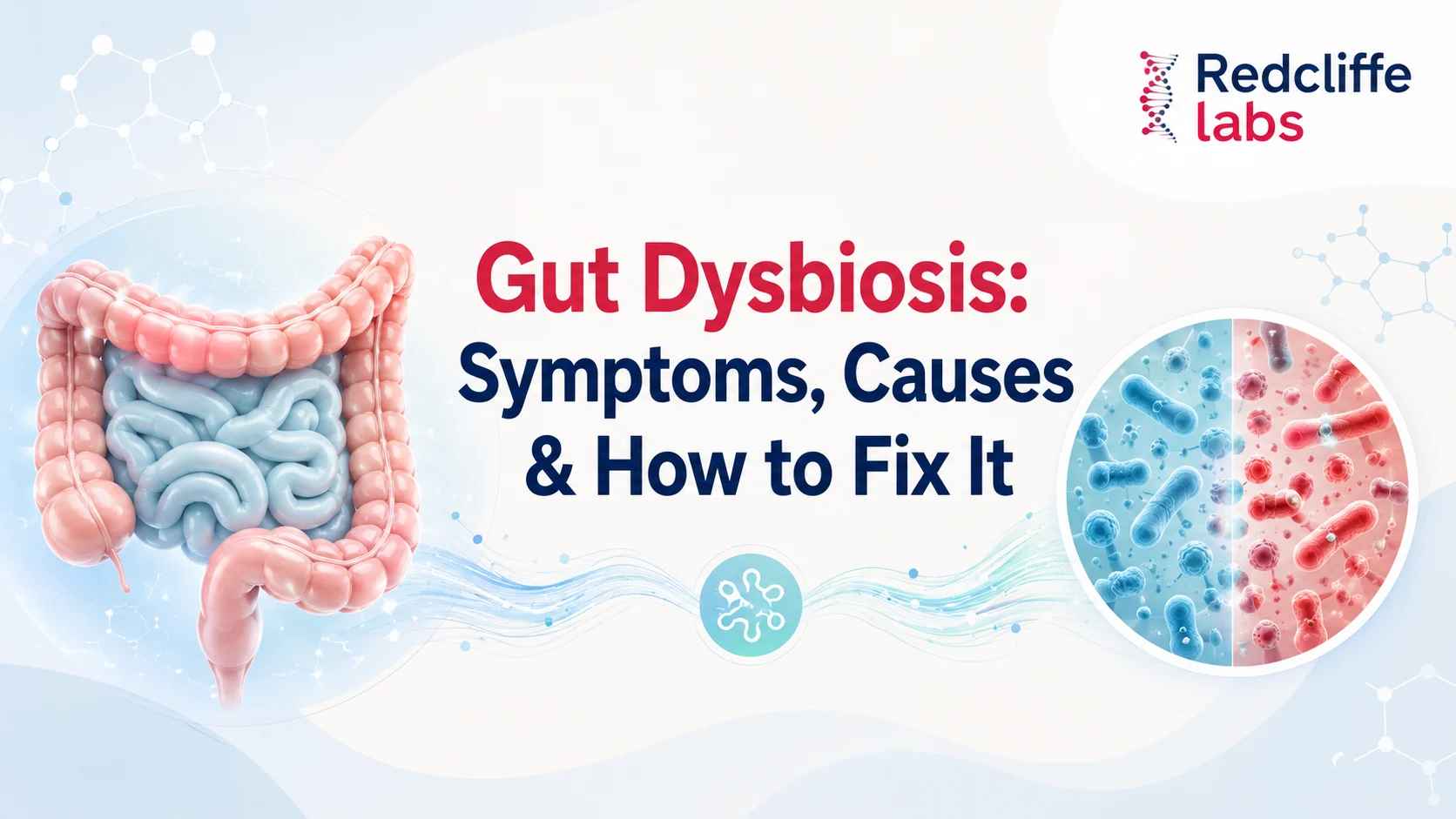
Your gut is home to trillions of microorganisms that support digestion, immunity and nutrient production. When the balance or function of this community changes unfavorably, it is known as gut dysbiosis.
Since dysbiosis symptoms can overlap with IBS or food intolerances, understanding this can help reduce worry and encourage seeking proper diagnosis.
What Is Gut Dysbiosis?
Dysbiosis refers to an imbalance in the community of microorganisms, known as the microbiome. Microbiomes exist in different parts of the body, including the digestive tract, mouth, skin,n and urinary system.
Gut dysbiosis occurs when the microorganisms in the digestive tract change in an unfavorable way. It may involve:
- Loss of beneficial microorganisms
- Overgrowth of potentially harmful microorganisms
- Reduced microbial diversity
- Changes in how gut microorganisms function
Dysbiosis is not a single disease with one clearly defined cause or treatment. The gut microbiome naturally differs between individuals and changes with age, diet, medicines, lifestyle, and overall health. Therefore, there is no single "perfect" microbiome for everyone.
Gut Microbiota vs Gut Microbiome
People often use these terms interchangeably, but they have slightly different meanings:
- Gut microbiota: The bacteria, fungi, viruses and other microorganisms living in the digestive tract.
- Gut microbiome: The microorganisms, their genetic material, the substances they produce and the environment in which they live.
Both terms describe an ecosystem that constantly changes in response to food, medicines, infections, stress and other factors.
What Happens When Gut Microorganisms Become Imbalanced?
Gut microorganisms help digest fiber, produce useful compounds, support the intestinal lining, and interact with the immune and nervous systems.
1. Loss of Helpful Microorganisms
Some gut microorganisms help break down fiber, produce vitamins, and support the intestinal lining. A major reduction in these microorganisms may affect normal digestive and immune functions.
2. Overgrowth of Opportunistic Microorganisms
Certain microorganisms normally live in the gut without causing problems. However, they may produce symptoms or infections if they multiply excessively or move to an unusual part of the digestive tract.
3. Reduced Microbial Diversity
A diverse microbiome contains many different types of microorganisms. Reduced diversity has been associated with several health conditions, but diversity alone cannot determine whether someone is healthy or unwell.
These changes may affect:
- Digestion and bowel movements
- Breakdown and fermentation of fibre
- Production of short-chain fatty acids
- Intestinal-barrier function
- Nutrient absorption
- Immune and inflammatory signaling
- Protection against certain infections
What Are the Symptoms of Gut Dysbiosis?
The possible signs of gut dysbiosis mainly involve changes in digestion.
Common Digestive Symptoms
- Abdominal bloating or distension
- Excessive gas
- Abdominal pain or cramping
- Diarrhoea
- Constipation
- Alternating constipation and diarrhea, nausea
- Indigestion
- Changes in appetite
- Changes in the appearance or frequency of stools
Possible Symptoms Outside the Gut
Some people also report:
- Tiredness or low energy
- Difficulty concentrating
- Mood changes
- Skin problems
- Unexplained changes in weight or appetite
Some people also report tiredness, poor concentration, mood changes or skin problems. However, these symptoms are nonspecific and cannot confirm dysbiosis.
Consult a doctor for persistent symptoms. Seek prompt care for blood in the stool, unexplained weight loss, persistent vomiting, severe pain, fever or dehydration.
What Causes Gut Dysbiosis?
Several dietary, medical, and lifestyle factors may change the gut microbiome. Recognizing and avoiding triggers like unnecessary antibiotics, excessive alcohol, and high-stress levels can help prevent dysbiosis.
Antibiotic Use
Antibiotics treat bacterial infections, but they may also reduce helpful gut bacteria. Repeated, unnecessary, or broad-spectrum antibiotic use may cause more noticeable changes.
Never avoid or stop a medically necessary antibiotic to protect your gut bacteria. Take antibiotics only when prescribed and complete the course as directed by your doctor.
Digestive Infections
Food poisoning and other gastrointestinal infections can temporarily disturb the gut microbiome. Some people may experience continuing bowel changes after the original infection has resolved.
Low-Fibre Diet
Fiber provides food for several helpful gut microorganisms. A diet low in fruits, vegetables, pulses and whole grains may reduce the substances these microorganisms need to grow and function.
Limited Food Variety
Different plant foods contain different fibers and nutrients. Regularly eating a very limited range of foods may reduce the variety of nutrients available to the gut microbiota.
Frequent Ultra-Processed Foods
Ultra-processed foods may displace fiber-rich foods from the diet. Diets high in refined carbohydrates, added sugar and saturated fat may also influence microbial composition and digestive health.
Eating sweets occasionally does not automatically cause dysbiosis. The overall dietary pattern matters more than one food.
Chronic Stress
The brain and gut communicate continuously. Long-term stress may change appetite, digestion, bowel movements, intestinal sensitivity, and immune activity. Digestive symptoms may then increase stress, creating a repeating cycle.
Poor or Irregular Sleep
Insufficient or inconsistent sleep may affect stress hormones, appetite, food choices and digestive function. Researchers are also studying how disrupted sleep may influence gut microorganisms.
Smoking and Excessive Alcohol
Smoking and heavy alcohol consumption may irritate the digestive tract and affect the gut environment, intestinal barrier and microbial activity.
Certain Medicines
Acid-suppressing medicines, immunosuppressants and some other drugs may influence the digestive environment or gut microbiota. Do not stop any medicine without consulting your doctor.
Existing Health Conditions
Gut microbiome changes have been observed in people with inflammatory bowel disease, metabolic disorders, chronic inflammation and other conditions. However, it can be difficult to determine whether dysbiosis contributed to the condition or developed because of it.
Highly Restrictive Diets
Elimination diets should be done with medical guidance to ensure safety and effectiveness, helping you feel supported in your health journey.
Who May Have a Higher Risk of Gut Dysbiosis?
Gut dysbiosis may be more likely in people who:
- Recently completed antibiotics
- Have repeated gastrointestinal infections
- Live with a chronic digestive condition
- Follow a low-fiber or highly restrictive diet
- Experience long-term stress or poor sleep
- Smoke or consume excessive alcohol
- Take medicines that affect digestion
- Have an existing inflammatory or metabolic condition
Having one or more risk factors does not confirm dysbiosis.
Is Gut Dysbiosis Linked to Other Health Conditions?
Researchers have found associations between altered gut microbiota and several conditions, including:
- Clostridioides difficile infection
- Small intestinal bacterial overgrowth
- Irritable bowel syndrome
- Crohn's disease
- Ulcerative colitis
- Malabsorption and nutritional deficiencies
- Metabolic disorders
- Some immune and inflammatory conditions
An association does not necessarily mean that gut dysbiosis directly caused the condition. A health condition, its medicines, dietary changes, and dysbiosis may influence one another.
How Is Gut Dysbiosis Diagnosed?
There is currently no single standard test that can confirm all cases of gut dysbiosis.
A doctor may begin by assessing:
- The type and duration of symptoms
- Recent antibiotic or medicine use
- Previous digestive infections
- Diet and lifestyle
- Existing medical conditions
- Family medical history
- Changes in weight or appetite
- Physical examination findings
The aim is often to identify or rule out conditions that could explain the symptoms.
Tests That May Be Recommended
Depending on the symptoms, a doctor may suggest:
- Stool tests: To check for infections, parasites, blood, or signs of intestinal inflammation.
- Breath tests: To assess suspected SIBO or certain carbohydrate intolerances.
- Complete Blood Count: To look for anemia, infection, or other blood-cell changes.
- Iron, vitamin B12 or folate tests: To check for deficiencies that may cause fatigue or poor concentration.
- Inflammatory markers: To look for signs of inflammation when clinically appropriate.
- Blood glucose tests: To assess abnormal blood sugar levels that may contribute to tiredness.
- Thyroid tests: To check for thyroid problems that may affect digestion, weight and energy.
- Endoscopy or imaging: To investigate persistent symptoms or warning signs.
These tests do not directly measure every gut microorganism. Instead, they help doctors identify infections, inflammation, deficiencies and other possible causes.
Can a Gut Microbiome Test Diagnose Dysbiosis?
Gut microbiome tests analyze microorganisms detected in a stool sample. They may describe which organisms were found, but they cannot independently determine whether a person has an unhealthy gut.
Stool also represents only part of the intestinal ecosystem. Results may vary with diet, medicines, sample handling, and testing methods.
How to Fix Gut Dysbiosis
There is no single treatment for gut dysbiosis. The right approach depends on its cause, symptoms, and underlying condition.
- Treat the cause: A doctor may treat infections, SIBO, inflammation or food intolerance with appropriate medicines. Avoid self-medicating with antibiotics, antifungals or herbal antimicrobials.
- Increase fiber gradually: Add dal, rajma, chana, oats, millets, fruits, vegetables, nuts and seeds. Increasing fiber too quickly may worsen bloating.
- Eat varied plant foods: Include different fruits, vegetables, pulses, whole grains, herbs and spices throughout the week.
- Try fermented foods: Curd with live cultures or kefir may help when tolerated. Check products for excess salt, sugar and additives.
- Follow a balanced diet: Choose minimally processed foods, adequate protein and healthy fats. Limit sugary drinks, sweets, fried foods, ultra-processed snacks and excess alcohol.
- Sleep regularly: Maintain consistent sleep timings and avoid heavy meals, excess caffeine and alcohol near bedtime.
- Stay active: Walking, cycling or yoga may support digestion, sleep and stress control.
- Manage stress: Meditation, breathing exercises, hobbies or counseling may reduce stress-related digestive symptoms.
- Avoid extreme cleanses: Juice cleanses, prolonged fasting and restrictive gut-reset plans may cause dehydration, deficiencies or worsening symptoms.
What Kind of Diet Helps Improve Gut Dysbiosis?
A varied, plant-rich diet can support beneficial gut microorganisms. Focus on balanced meals instead of restrictive cleanses or expensive "gut-healing " products.
Include:
- Fruits and vegetables
- Dal, rajma, chana and other pulses
- Oats, whole grains and millets
- Nuts and seeds
- Curd with live cultures, if tolerated
- Adequate protein and healthy fats
Limit frequent consumption of sugary drinks, excessive sweets, deep-fried foods, alcohol and ultra-processed snacks.
Gut-Friendly Diet
- Breakfast: Oats or vegetable dalia with fruit
- Mid-morning: Guava, apple or papaya
- Lunch: Roti or rice with dal, vegetables and curd
- Evening snack: Nuts, seeds or roasted chana
- Dinner: Millet roti with vegetables and a protein source
Increase fiber gradually and drink enough water. People with IBS, inflammatory bowel disease or food intolerances may require a personalized plan from a doctor or registered dietitian.

Can I Fix Dysbiosis Naturally?
Some temporary microbiome changes may improve naturally after an infection, antibiotic course or lifestyle change. Healthy habits can support this recovery, but they may not treat an underlying disease.
Natural ways to support the gut include:
- Eating more fiber-rich foods
- Adding different plant foods throughout the week
- Drinking enough water
- Including curd or other fermented foods when tolerated
- Exercising regularly
- Following a consistent sleep routine
- Managing stress through yoga, meditation or breathing exercises
- Avoiding smoking and excessive alcohol
- Taking antibiotics only when prescribed
Natural approaches should not replace medical treatment for an infection, inflammatory bowel disease, SIBO or another diagnosed condition. Consult a doctor if symptoms persist, worsen or repeatedly return.
Can Gut Dysbiosis Be Prevented?
You cannot prevent every microbiome change, but certain habits may support gut health:
- Eat a varied, fiber-rich diet
- Stay physically active
- Maintain a regular sleep schedule
- Manage long-term stress
- Avoid smoking
- Limit alcohol
- Practice good food hygiene
- Take antibiotics only when prescribed
- Avoid unnecessary restrictive diets
- Discuss long-term digestive symptoms with a doctor
When Should You Consult a Doctor?
Consult a doctor if bloating, abdominal pain, constipation, diarrhea, or other digestive symptoms persist, frequently return, or interfere with daily activities.
Seek prompt medical care for:
- Blood or black color in the stool
- Sudden weight loss
- Persistent vomiting
- Severe or worsening abdominal pain
- High fever
- Signs of dehydration
- Difficulty swallowing
- Persistent diarrhoea
- Symptoms that repeatedly wake you at night
- A lasting change in bowel habits
The Bottom Line
Gut dysbiosis occurs when the balance or function of microorganisms in the digestive tract changes unfavorably. It may contribute to bloating, gas, abdominal pain and irregular bowel movements, but these symptoms alone cannot confirm the condition.
Supporting gut health starts with simple, consistent habits: eat varied, fiber-rich foods, stay active, sleep well, and manage stress. However, lasting improvement depends on identifying and treating the underlying cause. If symptoms persist or worsen, consult a doctor instead of relying on extreme cleanses, restrictive diets, unnecessary antibiotics or unverified supplements.
FAQs
What are the most common symptoms of gut dysbiosis?
Common symptoms may include bloating, excessive gas, abdominal pain, constipation and diarrhea.
Can antibiotics cause gut dysbiosis?
Antibiotics can reduce both harmful and helpful bacteria, temporarily changing the gut microbiome. Take them only when prescribed, but never avoid or stop a medically necessary course.
What foods may support healthy gut bacteria?
Fruits, vegetables, pulses, whole grains, nuts and seeds provide fiber and nutrients for gut microorganisms. Fermented foods such as curd may also help when tolerated.
Is there a blood test for gut dysbiosis?
No single blood test diagnoses gut dysbiosis. Doctors may recommend blood tests to check for anemia, inflammation, nutritional deficiencies, thyroid problems, or abnormal glucose levels.
Can gut dysbiosis resolve naturally?
Some microbiome changes may improve after an infection, antibiotic course or lifestyle change. Persistent symptoms require medical evaluation because another digestive or medical condition may need treatment.
How can I improve gut dysbiosis naturally?
Eat varied fiber-rich foods, stay active, sleep regularly, manage stress, and avoid smoking and excessive alcohol.
Do probiotics fix gut dysbiosis?
Probiotics may help in certain cases, but their benefits depend on the specific strain and condition. Children, pregnant people, seriously ill patients, and those with weakened immunity should consult a doctor before taking probiotic supplements.