Is a Fever Test at Home Accurate? The Critical Role of a Fever Blood Test

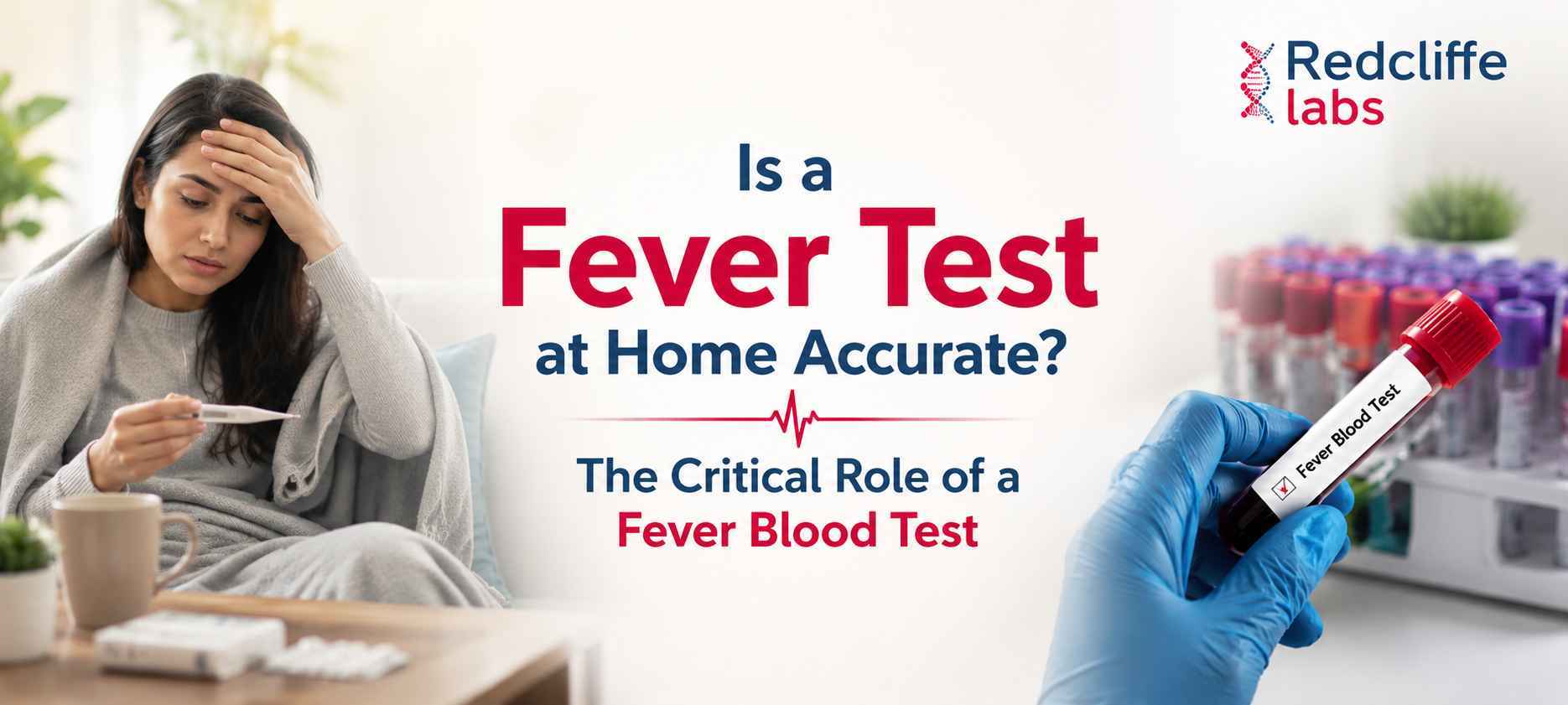
A fever is usually the body's first sign that something is wrong. It might show up after a busy day or wake you up at night, and most people grab a thermometer right away. Checking your temperature at home is quick and easy, and it helps you decide if you need rest, medicine, or to see a doctor. Still, while a thermometer can tell you if you have a fever, it cannot show what is causing it.
A fever can be caused by a virus, bacteria, inflammation, or another health problem. That is why a blood test is important. It lets doctors find out more than just your temperature and helps them see what is really going on. In this article, we look at how accurate home fever tests are and why these tests matter for finding and getting the right treatment.
Also Read: Is Fever Contagious? Everything You Need to Know
What Is a Fever?
A fever means your body temperature is higher than normal. It usually shows that your immune system is fighting an infection or illness. Fever is not a disease itself but a natural way your body defends itself. The average normal temperature is about 98.6°F (37°C), but it can vary slightly from person to person.
Common Fever Temperature Ranges
- Normal: 97°F to 99°F
- Mild fever: 99°F to 100.4°F
- Moderate fever: 100.4°F to 102°F
- High fever: Above 102°F
- Emergency fever: Above 104°F
The Reality of Home Fever Tests: Are They Accurate?.
When you check your temperature at home, the results are usually correct if you use the thermometer properly. Still, accuracy can change based on the type of thermometer, how you use it, and other outside factors. Here are some things that can affect how accurate your reading is:
- Incorrect Placement: If a thermometer is not placed correctly, it may show the wrong temperature. For example, an oral thermometer should be kept under the tongue, while an ear thermometer must be properly inserted into the ear. Always read and follow the instructions provided with the device for accurate results.
- Environmental Conditions: The surrounding environment can sometimes affect temperature readings. Being in direct sunlight, a very hot room, or a cold place just before testing may temporarily change the reading. This is especially common with forehead and infrared thermometers. Take the temperature in a comfortable indoor environment whenever possible.
- Eating or Drinking: Drinking hot tea, coffee, or cold water, or eating food just before checking your temperature, can affect the accuracy of oral thermometer readings. The mouth may become temporarily hotter or colder than normal. It is best to wait at least 15–30 minutes after eating or drinking before taking an oral temperature.
- Device Quality: The thermometer's quality also matters. Cheap, damaged, or poorly maintained devices may not provide accurate readings. Weak batteries can also affect performance. Clean the thermometer regularly, replace batteries when needed, and choose a reliable device to achieve more consistent, trustworthy temperature measurements.
What are the limitations of fever test art at home?
For most people, checking for a fever at home is simple, but it does have some limitations:
- A fever test at home can tell you whether your body temperature is higher than normal, but it cannot explain why you have a fever. Fever can happen due to infections, inflammation, or other health problems. To find the exact cause, further medical evaluation and tests are often needed.
- A thermometer only shows a number and does not reveal how serious an illness is. Sometimes a mild fever may signal a serious infection, while a high fever can occur with a common illness. Symptoms, medical history, and doctor evaluation are important for understanding severity.
- Many health conditions cannot be identified solely by a fever test. Problems such as blood infections, autoimmune diseases, and inflammatory disorders often require blood tests and other investigations. A home thermometer is useful for monitoring temperature, but it cannot detect hidden medical conditions.
Why Is a Fever Blood Test Important?
A blood test is important because it helps doctors identify the underlying cause of the fever. While a thermometer can only show that you have a fever, a blood test can reveal whether it is caused by a viral infection, bacterial infection, parasitic disease, or inflammation in the body. This information helps doctors choose the right treatment and avoid unnecessary medicines.
Blood tests can also help detect serious illnesses such as dengue, malaria, typhoid, and sepsis at an early stage, allowing treatment to begin quickly and reducing the risk of complications. In addition, repeat blood tests can help monitor recovery and show whether the treatment is working properly. This helps doctors make better decisions and provide the most effective care for the patient.
What are the common blood tests recommended by doctors?
Here are the following blood tests that are generally suggested by doctors when you catch any kind of fever:
C-Reactive Protein (CRP): A CRP test measures the level of inflammation in the body. When there is an infection, injury, or inflammatory condition, CRP levels often rise. Doctors use this test to assess the extent of inflammation and monitor recovery during treatment.
Erythrocyte Sedimentation Rate (ESR): The ESR test checks how quickly red blood cells settle at the bottom of a test tube. A faster rate may indicate inflammation in the body. It helps doctors investigate infections, autoimmune diseases, and other conditions that cause ongoing inflammation.
Blood Culture: A blood culture test looks for bacteria or fungi in the bloodstream. It is commonly recommended when a person has a persistent or unexplained fever. Finding the exact germ causing the infection helps doctors choose the most effective treatment and prevent complications.
Dengue Test: A dengue test helps detect signs of dengue infection in the blood. It is especially important in areas where dengue is common. Early diagnosis allows timely treatment, helps prevent complications, and supports better monitoring of the patient's condition and recovery.
Malaria Test: A malaria test checks for malaria parasites in the blood. It is commonly advised for people with fever, chills, and sweating, especially after mosquito exposure. Early detection helps doctors start treatment quickly and reduces the risk of serious health complications.
Typhoid Test: A typhoid test helps diagnose typhoid fever caused by Salmonella Typhi bacteria. It is often recommended for people with prolonged fever, weakness, and digestive symptoms. Early diagnosis and treatment can help prevent complications and support a faster recovery.
When should you consider a blood test for a fever?
Here are the following situations where you should go for a blood test to diagnose a fever:
- If your fever continues for more than three days, it may be a sign of an underlying infection or health condition. A blood test can help identify the cause and guide treatment.
- If the fever keeps recurring, it could indicate a chronic infection, inflammation, or another medical issue. Blood tests help doctors investigate the reason behind these recurring episodes.
- If your fever comes with trouble breathing, confusion, dehydration, or extreme weakness, you need to get help right away. A blood test can help find infections or other urgent health problems.
- If you develop a fever after recent travel, you may have been exposed to infections like malaria or dengue. Blood tests help diagnose these travel-related illnesses quickly and accurately.
How to Improve the Accuracy of Home Fever Testing?
Here are some ways you can make home fever testing more accurate:
Follow Instructions Carefully
Each thermometer is a bit different, so always read and follow the instructions that come with it. Using it the right way helps you avoid mistakes and get a more accurate reading. Placing it correctly, timing it right, and following the steps can make your results more reliable.
Take Multiple Readings
Taking your temperature two or three times can help make sure the reading is right. One reading might be off because of movement or not placing the thermometer correctly. If your results are close each time, you can trust them more and keep better track of changes.
Use a Reliable Thermometer
A good thermometer is more likely to give you accurate and steady results. Cheap, broken, or dirty thermometers might not work well. Check the battery often, keep the thermometer clean, and use a trusted brand to get the best results at home.
Monitor Symptoms Alongside Temperature
A temperature reading alone does not tell the whole story. It is important to pay attention to other symptoms such as cough, tiredness, body aches, headache, rash, or breathing problems. Looking at both the fever and symptoms together helps you better understand your condition and decide when to seek medical advice.
Are you looking for a health checkup without leaving your home?
When you are someone who wants to take a fever test from the comfort of your home, then Redcliffe Labs is there to provide you with free home sample collection services. This will provide you with hassle-free sample collection services at your doorstep and deliver the reports the same day. Fever Panel - Essential is a package of tests that helps diagnose the causes of the fever. So you do not need to worry about the test's accuracy.
Also Read: Common Causes of Recurring Fever in Adults
Final Thoughts
Checking for a fever at home is usually the first thing people do when they feel sick. It is fast, easy, and lets you know if your temperature is high. But a thermometer only shows if you have a fever, not why you have it. Fevers can be caused by viruses, bacteria, inflammation, or other health problems. In these cases, a blood test helps doctors identify the underlying cause and recommend the best treatment.
If your fever lasts more than 3 days, keeps coming back, or is accompanied by underlying weakness, body aches, trouble breathing, or dehydration, do not ignore it. Getting a blood test on time can help detect serious illnesses early and prevent complications. With Redcliffe Labs, you can book blood tests for fever from home and get a free doctor consultation to help you understand your results and what to do next.
FAQs
1. Are at-home fever tests reliable?
Yes, at-home fever tests are generally reliable when used correctly. Digital thermometers can quickly help you know if your body temperature is higher than normal. However, accuracy depends on the type of thermometer, where you place it, and how carefully you follow instructions. Incorrect placement or a poor-quality device can sometimes yield incorrect readings.
2. How accurate are home fever thermometers?
Home fever thermometers are usually quite accurate, especially digital ones. Most give readings very close to your actual body temperature if used properly. However, accuracy can be affected by a low battery, incorrect placement, eating hot or cold food before testing, or failure to clean the thermometer. Always follow the instructions for the best results.
3. Which thermometer gives the most accurate fever reading at home?
Oral or rectal digital thermometers are considered the most accurate for home fever checks. Ear thermometers can also work well if positioned correctly. Forehead thermometers are convenient and fast, but may sometimes give slightly different readings. Choosing a trusted thermometer brand and using it correctly helps improve accuracy.
4. Can a digital thermometer accurately detect fever?
Yes, a digital thermometer can detect fever correctly in most cases. It is one of the most commonly used devices for checking body temperature at home. Digital thermometers are fast, easy to use, and safer than old mercury thermometers. For accurate results, place the thermometer properly and wait until the reading is complete.
5. Are forehead thermometers accurate for adults and children?
Forehead thermometers can be accurate for both adults and children when used properly. They are quick, painless, and useful for checking a child's temperature without disturbing them. However, sweat, room temperature, or incorrect distance from the forehead may affect readings. Taking multiple readings can help you get a more reliable result.
6. What can affect the accuracy of a fever test at home?
Many factors can affect the accuracy of a home fever test. Eating or drinking hot or cold items before checking the temperature may change the readings. Sweat, room temperature, direct sunlight, a low thermometer battery, or incorrect placement can also affect results. Using the thermometer exactly as instructed helps you get a more accurate fever reading.
7. How do I accurately check for a fever at home?
To accurately check for fever at home, use a clean digital thermometer and place it correctly under the tongue, in the ear, or under the arm. Stay still while measuring temperature. Avoid eating, drinking, or exercising for at least 15 minutes before checking. Taking two readings can help confirm the result more accurately.
8. Is oral or underarm temperature more accurate?
Oral temperature is usually more accurate than underarm temperature. The underarm method is simple and comfortable, especially for children, but it may show slightly lower readings than the body's actual temperature. Oral readings better reflect core body temperature when the thermometer is placed properly under the tongue for the required time.
9. Can room temperature affect thermometer readings?
Yes, room temperature can affect thermometer readings, especially forehead and infrared thermometers. Very hot or cold surroundings may slightly change the measured temperature. Direct sunlight, air conditioning, or standing near a fan can also impact results. It is best to check the temperature indoors in a normal room environment for better accuracy.