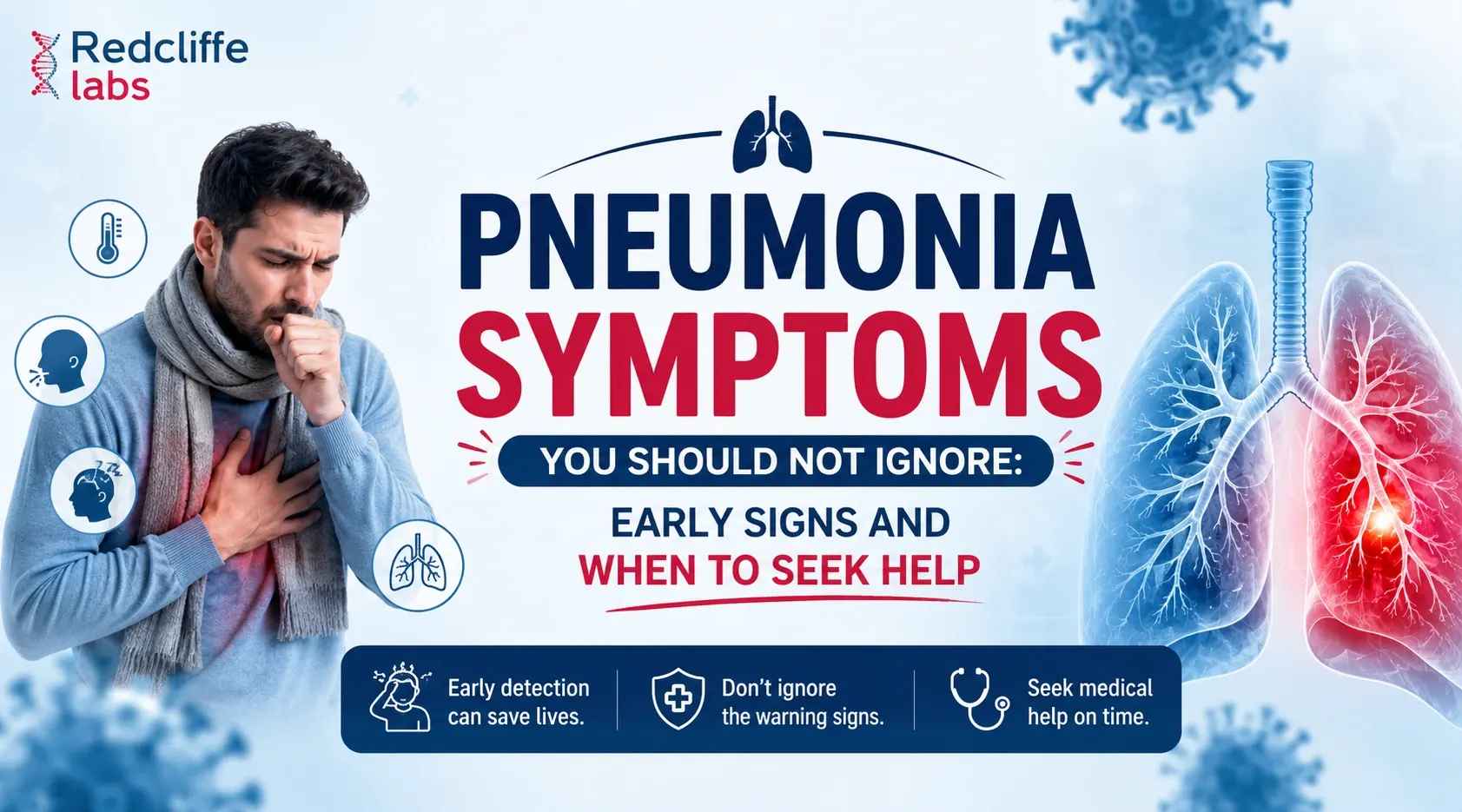
Pneumonia Symptoms You Should Not Ignore: Early Signs and When to Seek Help

Overview:
- Pneumonia is an infection of the lungs which can affect breathing and overall health, especially if symptoms are missed or mistaken for a common cold or flu.
- Knowing the early and late symptoms of pneumonia can help you seek timely medical attention.
- Read about causes, risk factors and people who are more vulnerable to developing pneumonia.
- Recognize warning signs that may need medical attention and learn how an early diagnosis can help prevent complications.
- Explore ways to reduce the risk of pneumonia and promote better lung health.
Pneumonia Symptoms You Should Not Ignore: Early Signs and When to Seek Help
A cough that lingers for weeks, fever that keeps returning, or breathlessness after simple activities may seem like common flu symptoms. However, when these signs persist or worsen, they may indicate pneumonia, an infection that affects the lungs and can become serious without timely care. Pneumonia is a disease that many people find hard to differentiate from other respiratory diseases. Understanding pneumonia symptoms can help you recognize early warning signs and risks through appropriate medical treatment and preventive measures. Is your cough lasting longer than expected? Learn the early signs of pneumonia, how it differs from cold and flu, and when medical help is needed.
What Is Pneumonia?
Pneumonia is an illness that causes infection in one or both lungs. In this condition, the tiny air sacs in the lungs (alveoli) become inflamed and fill with fluid or pus, making it difficult to breathe. Pneumonia can range from mild to severe, depending on whether it is caused by bacteria, viruses, or fungi.
Although pneumonia can affect anyone, it is more common and can be more serious in children, older adults, pregnant women, and people with weakened immune systems or chronic medical conditions.

Pneumonia Symptoms: Signs to Watch For
Pneumonia symptoms can vary depending on the cause of infection, age, and overall health. Early symptoms may look similar to a cold or flu but often become more noticeable as the infection progresses.
Early symptoms may include:
- Persistent cough
- Fever with chills
- Feeling tired or weak
- Trouble breathing
- Chest pain while breathing
More advanced symptoms may include:
- Rapid breathing
- Increased mucus production
- Confusion, especially in older adults
- Blue lips or fingertips in severe cases
Also read:
Pneumonia vs Cold and Flu: How Are They Different?
Pneumonia, a cold, or the flu can have similar symptoms like cough, fever, and fatigue, which can make it difficult to differentiate between them. Pneumonia is a lung infection that affects the air sacs (alveoli), which may fill with fluid or pus and make breathing difficult.
| Feature | Common Cold | Flu | Pneumonia |
| Onset | Develops gradually | Often begins suddenly | May develop gradually or suddenly depending on the cause |
| Fever | Usually mild or absent | Common and may be high | Can be persistent or high |
| Cough | Usually mild | Dry cough is common | Persistent cough, sometimes with mucus |
| Breathing Difficulty | Rare | Less common | More common, especially in severe cases |
| Chest Pain | Uncommon | Possible but less common | May occur while coughing or taking deep breaths |
| Fatigue | Mild | Often significant | Can be severe and prolonged |
| Recovery Time | Usually improves within a few days | Often improves within 1–2 weeks | Recovery may take several weeks, depending on the severity of the infection. |
If cold or flu-like symptoms worsen rather than improve, or if breathing problems, high fever, chest pain, mental confusion, or coughing up mucus occur, one should seek medical advice.
What Causes Pneumonia?
Pneumonia develops when germs or other substances enter the lungs and cause inflammation in the air sacs (alveoli). Depending on the cause, the infection may be mild or severe.
Bacterial Pneumonia
Bacterial pneumonia is the most common type in adults and is often caused by Streptococcus pneumoniae. It may develop on its own or after a viral respiratory infection such as the flu. Symptoms usually appear suddenly and may include high fever, chills, chest pain, and a cough with thick mucus.
Viral Pneumonia
Viruses such as influenza, respiratory syncytial virus (RSV), and SARS-CoV-2 (the virus that causes COVID-19) can lead to pneumonia. Viral pneumonia often starts with flu-like symptoms and may worsen over several days. Some viral infections can also increase the risk of developing bacterial pneumonia.
Fungal Pneumonia
Fungal pneumonia is less common and primarily affects those with weakened immune systems or those exposed to certain fungi in soil, bird droppings, or decaying organic matter. It is more likely to occur in certain geographic areas.
Aspiration Pneumonia
Aspiration pneumonia results when food, saliva, liquids, or vomit are inhaled into the lungs (not the stomach). It is more common in people with swallowing problems, neurological disorders, excessive alcohol intake, or an impaired level of consciousness.
Who Is At Risk for Pneumonia?
Certain people have a higher chance of developing pneumonia or experiencing severe symptoms, including:
1. Older adults and young children
- Children under 5 years of age have developing immune systems, which can make them more vulnerable to infections.
- Adults aged 65 years and older may have reduced immunity.
2. People with chronic conditions
3. People with weakened immunity
- Chemotherapy patients
- Organ transplant recipients
- People taking immune-suppressing medicines
4. Smokers
- Smoking damages lung defenses and increases infection risk.
When to Seek Medical Care
Contact a healthcare provider if you or a loved one experiences:
- A cough that doesn't improve or gets worse
- Fever of 102°F (39°C) or higher, or a fever that persists
- Chest pain when breathing or coughing
Seek emergency care immediately for:
- Cough producing blood or large amounts of mucus
- Bluish color in the lips, face, or fingertips
- Confusion or sudden change in mental awareness
- Chest pain that is severe or persistent
- A body temperature below normal (in older adults, infants, or people with weakened immune systems)
Can Pneumonia Be Prevented?
While pneumonia is not always preventable, you can take steps to greatly reduce your risk.
- Stay up-to-date with recommended vaccines, including pneumococcal and influenza vaccines.
- Wash hands often with soap and water.
- Do not smoke. Avoid secondhand smoke.
- Maintain a healthy lifestyle with balanced nutrition, regular physical activity, and adequate sleep to support immune function.
- Treat chronic conditions such as diabetes and asthma.
- Cover your nose and mouth when coughing or sneezing, and avoid close contact with people who are sick.
Possible Complications of Pneumonia
Without timely treatment, pneumonia may lead to serious complications, especially in older adults and people with weakened immunity.
- Pleural effusion: Fluid builds up around the lungs.
- Lung abscess: A pocket of pus forms within the lung tissue.
- Respiratory failure: The lungs cannot provide enough oxygen to the body.
- Sepsis: The infection spreads into the bloodstream and triggers a life-threatening response.
- Bacteremia: Bacteria enter the bloodstream and may spread the infection to other organs.
The Bottom Line
Pneumonia symptoms often overlap with a bad cold or the flu, which is part of what makes it tricky to catch early. The key warning signs include a mucus-producing cough, chest pain while breathing, and breathing difficulty that is not typical of a common cold. If symptoms are severe, worsening, or affecting breathing, don't wait it out. Get evaluated. Early treatment, especially for bacterial pneumonia, generally leads to a faster and smoother recovery.
For proper evaluation, doctors may recommend tests based on symptoms and severity, such as CBC and CRP tests, along with imaging investigations, to understand the infection and overall lung health. Redcliffe Labs offers convenient diagnostic testing with home sample collection facilities, helping you access reliable healthcare services from the comfort of your home.
With every test at Redcliffe Labs, customers get 4X Value Benefits:
- Smart Reports with Health Insights
Get easy-to-understand reports, health scores, and trend tracking to identify changes early and take timely action.
- Expert-Led Report Consultation
Understand your results better with expert guidance on health risks and recommended next steps.
- AI Health Assistant
Get instant support for health queries, symptom guidance, and report-related doubts anytime.
- Personalized Health Improvement Plans
Receive customized diet and lifestyle recommendations to support better health outcomes.
Book your test today. Call 898 898 87 87, visit the Redcliffe Labs website, or download the app for convenient health testing at your doorstep.
FAQs
-
What are the first symptoms of pneumonia?
Early signs of pneumonia may include a cough, fever, chills, tiredness, body aches, and difficulty breathing during normal activities or exercise. The symptoms may mimic those of a common cold or flu but usually become more severe. The presence of cough, chest pain, or breathing problems requires medical evaluation for proper diagnosis and timely treatment.
-
Can pneumonia be treated at home?
Moderate cases of pneumonia may be treated at home by taking medications and having enough rest and nutrition. But bacterial pneumonia is usually treated with antibiotics. Severe forms of pneumonia call for hospitalization. Don't try to treat pneumonia on your own.
-
How long does it take to recover from pneumonia?
The time required to recover from pneumonia varies with the nature of the infection, severity, age, and the individual's health. Mild pneumonia may take around one to three weeks to recover from, while coughing and fatigue can last longer. The healing process of severe pneumonia may take several weeks or even months. Proper treatment is crucial for faster recovery.
-
Is pneumonia contagious?
Yes, some types of pneumonia caused by bacteria and viruses can be transmitted via respiratory droplets such as coughing and sneezing. Not all forms of pneumonia are contagious, since there are different ways pneumonia can develop.
-
Who is at the highest risk of developing pneumonia?
Children under 5 years of age, adults above 65 years, pregnant women, smokers, and individuals with compromised immune systems or certain chronic illnesses like asthma, COPD, diabetes, and cardiovascular disease are more likely to get pneumonia. Those individuals who belong to the categories mentioned above need to consult a doctor if they start experiencing symptoms of pneumonia.
-
Can pneumonia be prevented?
While not all cases of pneumonia can be avoided, it is possible to lower one's risk by getting vaccinated, washing hands often, quitting smoking, leading a healthy lifestyle, and treating chronic illnesses. Regular updates on one's vaccines and proper respiratory hygiene are helpful too.
-
When should you see a doctor for pneumonia symptoms?
If you experience breathing problems, persistent high fever, chest pain, mental confusion, blue lips or fingers, or coughing up blood, seek medical attention immediately. If you feel that your cold or flu symptoms do not go away and keep getting worse, you should visit a doctor.