Symptoms of Dengue in Kids: Early Warning Signs Every Parent Should Know

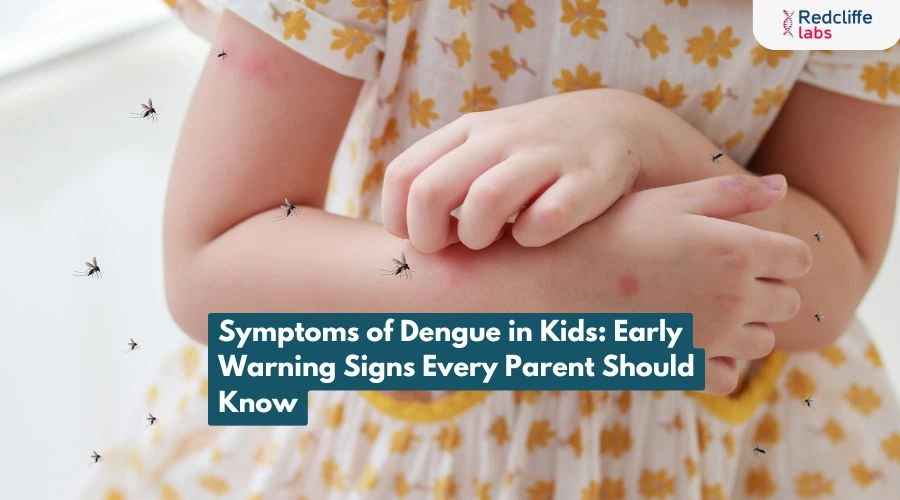
When your child is bounding with energy one day and then hit by a high fever the next, looking fatigued, refusing food, and all they want to do is sleep. As a parent, your mind races: You ask yourself, "Is this just a cold or is it something else?"
During the monsoon and post-monsoon periods in India and other tropical regions worldwide, dengue fever remains a common concern for families.
Dengue is a viral infection transmitted by mosquitoes and causes millions of cases worldwide annually, including many among children. It is largely true that most children can fully return to normal with proper care and rest.
However, recognizing the symptoms of dengue in kids early can make a significant difference. The sooner a parent recognizes the symptoms, the sooner a child can receive appropriate medical care, and the better the chances of a positive outcome.
This article will guide you through the symptoms that are typical of, as well as those that are serious, cases of dengue in children. It explains why children are more susceptible, the different stages of dengue infection, when to consult a doctor, methods of diagnosing and treating dengue, and, finally, prevention measures that help protect against dengue.
What Is Dengue Fever?
Dengue, caused by the dengue virus and transmitted by infected Aedes mosquitoes (mainly Aedes aegypti), is a serious public health issue in tropical and subtropical regions.
According to the World Health Organization (WHO), dengue affects people of all ages. However, in children, symptoms may be overlooked or mistaken for other common viral illnesses, making early diagnosis more challenging.
Dengue is endemic in more than 100 countries, with an estimated 100-400 million infections occurring each year. India is one of the countries with a high dengue burden, especially during and after the monsoon season.
While it's sometimes mild, dengue can also become severe and life-threatening, requiring immediate medical attention.
There are four distinct serotypes of the dengue virus (DENV-1 to DENV-4). A person who recovers from one serotype gains lifelong immunity to that type, but remains vulnerable to the other three. A second dengue infection, especially with a different serotype, carries a higher risk of developing severe dengue.
Why Are Children More Vulnerable to Dengue?
Children, particularly younger children, may be more vulnerable to dengue-related complications because they can become dehydrated more quickly and may not be able to communicate their symptoms clearly. So instead of typical symptoms, a little one might just seem irritable, tired, or avoid eating.
Dehydration is a major concern in children with dengue. Their fevers are usually high, and they may experience frequent vomiting. If they don't drink enough fluids, they can get dehydrated way quicker than grown-ups, making the illness worse.
That's why parents and caregivers have to stay extra alert during dengue season. AA healthcare professional should evaluate a fever lasting more than two days.
Also read:
https://redcliffelabs.com/myhealth/dengue/how-long-does-dengue-fever-last/
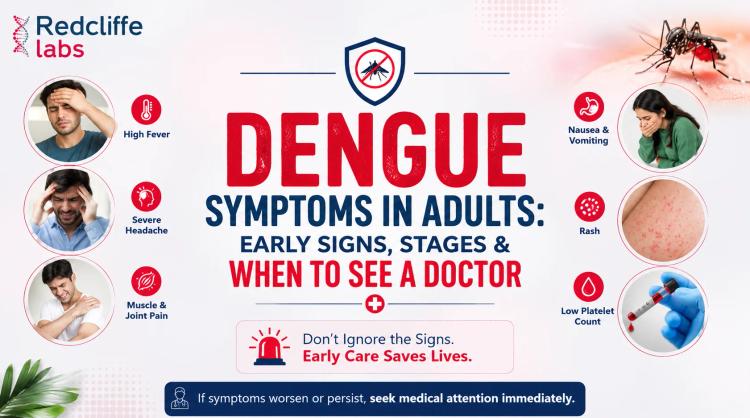
Common Symptoms of Dengue in Kids
Symptoms of dengue usually appear 4 to 10 days after a mosquito bite, during the incubation period. The illness typically lasts 7–10 days, although recovery from fatigue may take longer.
Here are the most common ones:
- Sudden high fever (often above 102°F or 39°C)
- Severe headache
- Body aches and joint pain
- Pain behind the eyes
- Skin rash
- Nausea and vomiting
- Fatigue and weakness
- Loss of appetite
- Mild bleeding, such as nosebleeds, bleeding gums, or easy bruising
- Chills
- Irritability in younger children
- Swollen glands
High fever is often the first noticeable symptom of dengue in children.
Some children may experience only mild symptoms, while others may develop more severe manifestations.
Early Symptoms of Dengue in Toddlers and Infants
Recognizing dengue in infants and toddlers can be challenging because they cannot clearly communicate how they feel.
Parents may notice:
- Continuous crying or fussiness
- Refusal to breastfeed or eat
- Excessive sleepiness
- Fever without an obvious cause
- Vomiting
- Rash on the skin
- Reduced activity levels
Any persistent fever in infants should be evaluated by a healthcare professional, especially in dengue-prone regions.
The Three Stages of Dengue in Children
Understanding the stages of dengue in children helps guardians stay alert throughout the illness. Dengue typically unfolds in three stages:
Stage 1: Febrile Phase
The febrile phase is the first stage of dengue and usually lasts 2-7 days.
Symptoms include:
- High fever
- Headache
- Body aches
- Fatigue
- Nausea
- Rash
These symptoms may resemble those of influenza or other viral infections, which makes diagnosing dengue difficult at first.
Stage 2: Critical Phase (Days 4-6)
The critical phase usually occurs between days 3 and 7 of illness, often when the fever begins to decrease. Even though the child may seem better in this phase, complications can still occur.
Warning signs may include:
- Severe abdominal pain
- Persistent vomiting
- Bleeding gums
- Nosebleeds
- Difficulty breathing
- Extreme weakness
- Restlessness
This stage can be dangerous because plasma leakage and dehydration may occur.
Stage 3: Recovery Phase (Days 7-10)
After the critical phase, most children enter the recovery phase.
- Improved appetite
- Better energy levels
- Increased urine output
- Reduced weakness
Mild weakness and fatigue may persist for days or weeks, so it is necessary to maintain adequate rest and hydration.
Also read:
https://redcliffelabs.com/myhealth/health/what-foods-to-eat-in-dengue-to-increase-platelets/
Warning Signs of Severe Dengue in Kids
While many children recover completely, some may develop severe dengue, characterized by plasma leakage, severe bleeding, or organ involvement.
Seek immediate medical attention if your child experiences:
- Bleeding from the nose, gums, or vomit that looks like coffee grounds
- Blood in urine or stools
- Pale, cold, or clammy skin, which is a sign of shock
- Confusion, seizures, or unusual drowsiness
- Reduced urination for several hours may indicate severe dehydration and requires urgent medical attention.
Additionally, they may experience:
- Severe abdominal pain
- Rapid breathing or difficulty breathing
- A sudden drop in fever accompanied by restlessness or extreme weakness.
How Is Dengue Diagnosed in Children?
When your kid runs a high fever during dengue season and has any of the usual symptoms, a doctor will likely order a blood test to confirm it's dengue. There are a couple of common ones they use:
1. NS1 Antigen Test
The test directly detects the dengue antigen. It works best in those first 1 to 5 days when your little one's still really febrile.
2. Dengue IgM and IgG antibody Tests
These tests show how your body reacts to fight dengue and are more useful from day 5 onwards. IgM antibodies usually indicate a recent dengue infection, while IgG antibodies may indicate a past infection or a secondary dengue infection.
3. Complete Blood Count (CBC)
This one just tracks the platelet and white blood cell counts. Low platelet counts (thrombocytopenia) are commonly seen in dengue, but platelet count alone does not determine disease severity. Clinical symptoms and other laboratory findings are also important.
4. PCR (Polymerase Chain Reaction) Test
PCR is highly sensitive for early confirmation and can identify the dengue serotype. It is particularly useful in the first few days of illness.
Note: The doctor will advise on how frequently to repeat the blood test based on the child's condition.
Treatment for Dengue in Children
Right now, there isn't an antiviral drug available to treat dengue. The treatment mainly focuses on managing symptoms, maintaining fluid levels, and monitoring for any complications.
Here is what treatment generally involves:
1. Fever Management
To manage fever, paracetamol is the go-to medicine for both cooling temperatures and easing discomfort. Ibuprofen, aspirin, and other NSAIDs should be strictly avoided, as they can increase the risk of bleeding.
2. Hydration
Encourage your child to drink oral rehydration solutions (ORS), coconut water, or plain water. In severe conditions, like vomiting or being super dehydrated, IV fluids may be needed in the hospital.
3. Rest
Rest is key. No messing around. Kids need to relax till they're fully recovered.
4. Platelet Monitoring
Regular blood tests are recommended to track platelet levels. Platelet transfusions are typically given only in cases of very low platelet counts accompanied by active bleeding.
5. Hospitalization
Kids with warning signs, very low platelet counts, or who are unable to stay hydrated at home need hospitalization for closer monitoring.
How to Prevent Dengue in Kids
As it says prevention is always better than cure. Mosquito control and bite prevention remain the primary strategies for preventing dengue in India.
1. Eliminate Mosquito Breeding Sites
Remove stagnant water from:
- Buckets, coolers, and flower vases at least once a week.
- Use a lid to cover water storage tanks and overhead tanks tightly.
- Dispose of old tyres, unused containers, or broken pots
2. Protect Your Child from Mosquito Bites
Use:
- Mosquito repellent creams or sprays on exposed skin.
- Dress your child in full-sleeved, light-colored clothing, especially during peak mosquito hours.
- Use mosquito nets at night.
- Keep windows and doors closed or fitted with mosquito screens.
- Use electric mosquito repellent or natural alternatives like citronella inside the home
3. Keep Indoor Area Mosquito-Free
Regular cleaning and mosquito control measures can significantly reduce exposure.
4. Teach Children Protective Habits
Encourage children to:
- Wear protective clothing outdoors
- Avoid areas with high mosquito activity
- Inform parents if they develop fever or unusual symptoms
When Should Parents Consult a Doctor?
Call a healthcare provider:
- If your child has a high fever for more than 2 days.
- Looks extremely weak or shows signs of dehydration.
- Additionally, if they develop a rash along with a fever, persistent vomiting, or stomachache
Early medical evaluation can help confirm the diagnosis and reduce the risk of severe complications.
Conclusion
Recognizing the symptoms of dengue in kids early helps parents get them quick medical care for a smoother recovery. Watch for high fever, body aches, fatigue, rashes, and vomiting. If your child develops severe abdominal pain, bleeds easily, or has trouble breathing, head to the hospital right away. Most children recover well with proper hydration, rest, and medical supervision.
Regular blood tests and medical monitoring can help track recovery and identify complications early. Redcliffe Labs offers dengue testing services with the convenience of home sample collection that can support timely diagnosis when recommended by a healthcare professional.
FAQs
-
What are the first symptoms of dengue in kids?
The earliest symptoms of dengue in children usually include a sudden high fever, headache, body aches, fatigue, and loss of appetite. Some children may also feel sick, vomit, or develop a rash. Since these signs can also occur in other viral infections, it is crucial to consult a doctor during the dengue season.
-
How can I tell if my child's dengue is becoming serious?
Warning signs of severe dengue include persistent vomiting, severe abdominal pain, bleeding gums, nosebleeds, breathing difficulties, extreme weakness, and reduced urination. If a child has any of these symptoms, do not hesitate; immediately seek professional help to avoid the risk of complications, which can develop quickly and may require close monitoring.
-
How many days does dengue fever last in children?
Dengue fever usually lasts 2 to 7 days. But after that, children may still feel weak and tired for up to another week. The recovery depends on how healthy the kid is, whether they stay hydrated, and whether any complications happen.
-
Can dengue in children be treated at home?
Milder cases can be managed at home with plenty of fluids, rest, and fever medicines such as paracetamol. Still, parents need to watch carefully for serious symptoms. They should get professional help right away if the kid vomits continuously, has trouble breathing, or shows signs of bleeding.
-
Which blood test confirms dengue infection?
To confirm dengue infection, doctors usually start with the Dengue NS1 Antigen Test. Later on, they may suggest Dengue IgM and IgG antibody tests. They also perform a Complete Blood Count (CBC) to monitor platelet counts and other blood parameters throughout the illness.