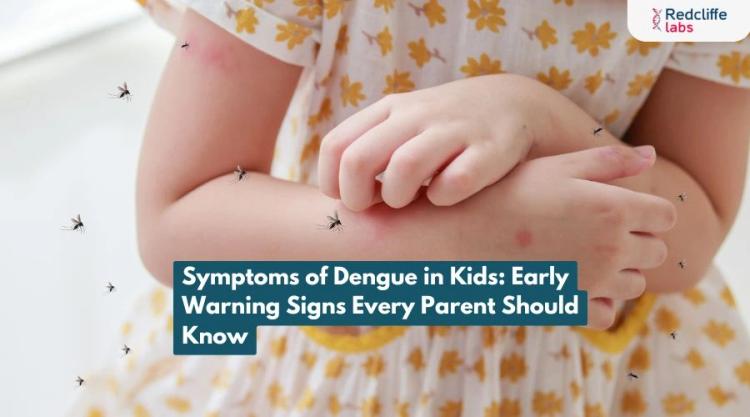
Dengue Fever in Children: 7 Critical Symptoms Parents Must Spot Early

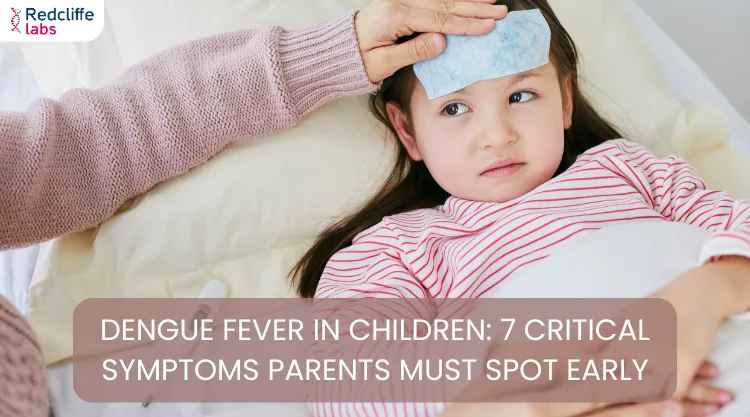
Proper parenting isn't just about love; it's about sensing the silent fever before the thermometer does.
The monsoon season brings a pleasant change in weather, like calm winds, light rain, and happy moments for children. However, this lovely season is not just for kids, as it's also a perfect environment for mosquitoes and insects to grow.
Stagnant rainwater in buckets, flower pots, and coolers becomes a breeding ground for dengue-carrying mosquitoes. That's why, during the monsoon, the risk of dengue and other viral fevers increases, especially in children, who love playing outdoors.
As responsible parents, staying alert and finding symptoms early is the first step to keeping children safe. In this blog, we will discuss the early symptoms of viral dengue fever in children, empowering you to take proactive steps in your child's health.
What is Dengue Fever in Children?
Dengue fever in children occurs when an infected Aedes aegypti mosquito bites them. The fever often strikes during the monsoon season when stagnant water becomes the perfect breeding ground for infected mosquitoes. A single tiny piece can transform your child's happy, fun days into days of high fever, weakness, and discomfort.
To keep your children safe, dress them in full sleeves, use mosquito repellents, and keep your surroundings clean. Children are more vulnerable as they love playing outdoors and may not notice the early signs. Therefore, to keep your kids safe, it is your duty as a parent to recognise the early warning symptoms of dengue fever so that you can take control of your child's health.
Early Symptoms of Dengue Fever
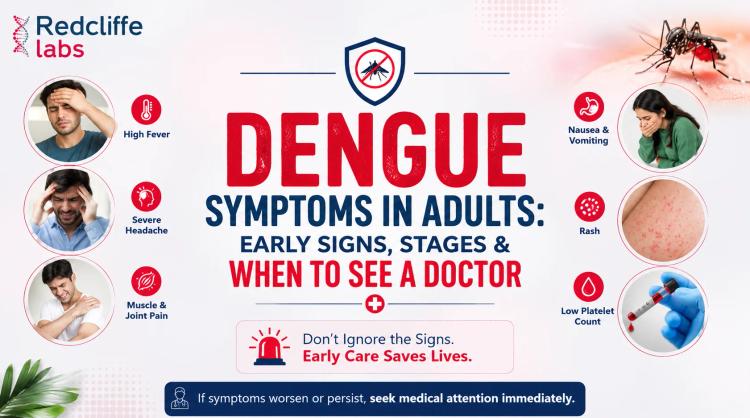
Viral fever symptoms often hide in plain sight. You should spot them early to stay ahead. Early symptoms of dengue fever included:
- Sudden fever
- Pain behind the eyes
- Skin rashes
- Vomiting and nausea
- Intense muscles and joint pain
- Sore throat and cough
7 Warning Signs Of Viral Dengue Fever
In some cases, dengue fever can be life-threatening. In this condition, you may require medical attention or instant care. Here are seven warning signs of viral dengue fever in children.
- Fever That Hits Like a Storm
A sudden high fever is one of the first signs of dengue fever. It happens when the body is reacting to the virus after a mosquito bite. The virus enters the bloodstream and activates the immune system, which may cause a rapid temperature rise. This can be avoided by wearing complete clothing, using repellents, and eliminating stagnant water where mosquitoes breed.
- Headache That Just Won't Quit
Persistent headache, especially on the forehead, is a common symptom of dengue fever in children. It occurs when the body's immune response causes inflammation and pressure on the nerves. This pressure buildup may lead to constant pain that doesn't ease with usual remedies. Protecting yourself from mosquito bites through clean surroundings can be the best way to prevent such symptoms from developing.
- Eyes That Hurt to Move
Pain behind the eyes can be an early sign. It happens when inflammation affects the muscles and tissues around the eyes. This condition can make even slight movements uncomfortable for your eyes. By utilising mosquito nets, staying indoors during mosquito-active hours, and maintaining a mosquito-free environment, you can lower the risk.
- Aching Bones & Muscles
Dengue is often called breakbone fever due to the severe pain in muscles and joints. This symptom is triggered by the body's inflammatory response to the virus. It may irritate nerve endings and cause discomfort, and the pain can feel persistent. You can reduce the risk by keeping your home clean, applying repellents, and dressing appropriately to protect your child from mosquito bites.
- Rashes Without a Reason
Skin rashes are a visible sign of dengue infection. It often appears a few days after the fever starts. In this, the virus damages tiny blood vessels under the skin and causes them to leak, which may create red spots or patches. These rashes can be itchy or painful. To prevent this, make sure your surroundings are free from stagnant water, and ensure children are dressed appropriately.
- Nausea, Knocking at the Stomach
Nausea and vomiting are common signs and often appear alongside fever. The infection affects the digestive system and may also impact liver function, which may lead to stomach discomfort. These symptoms may worsen if not treated early. Maintaining proper hygiene, staying hydrated, and seeking medical checkups can be helpful.
- Unexpected Bleeding
Unusual bleeding, such as nosebleeds or gum bleeding, can be a serious warning sign of dengue. It happens when the virus lowers your platelet count and weakens blood vessels. This condition makes it harder for the blood to clot. You should never ignore this symptom. To prevent reaching this stage, it's crucial to monitor symptoms from the beginning, stay hydrated, and get a checkup early.
Also read: 6 Red Flags That Turn Fever Into a Medical Emergency
How To Diagnose and Treat?
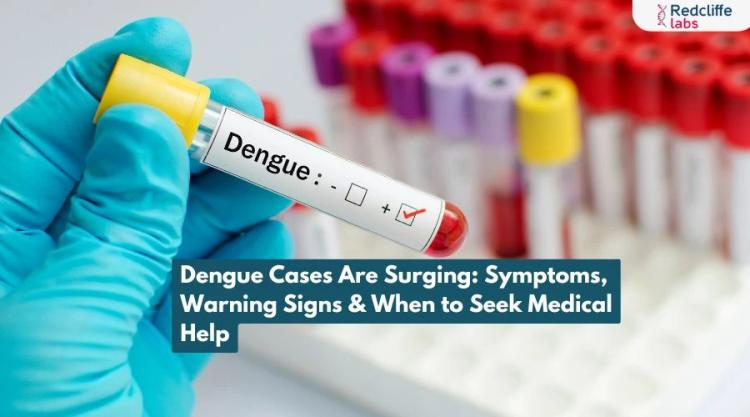
In some cases, dengue fever symptoms don't appear at first, and people may mistake them for normal pain or fever. This is why sometimes the condition becomes complicated. If you are not sure about your symptoms, you can confirm this through a diagnostic test. Dengue can be diagnosed through blood tests like the NS1 antigen test, IgM/IgG antibody tests, and complete blood count (CBC) to monitor platelet and white blood cell levels.
For the treatment of dengue, you can give acetaminophen(paracetamol), which is generally safe for kids. However, medicines like aspirin or ibuprofen should be avoided because they may increase the risk of bleeding. It can also be beneficial to adhere to self-care guidelines.
The Bottom Line
Dengue fever can weaken your child from the inside. It is essential to know the early warning signs of dengue fever. The symptoms include nausea, vomiting, rashes, irritation in the eyes, and sometimes even bleeding. To protect your children, you should use mosquito repellents, dress them in full-sleeved clothes, and eliminate stagnant water where mosquitoes breed.
Additionally, if the condition looks more serious or complicated, then you should seek medical attention, ensuring you are taking all necessary steps to protect your child's health.
Early detection can help treat the condition early. You can also book your dengue fever test at Redcliffe Labs to check the symptoms.
FAQ
- What are the first signs of dengue in children?
The early signs of dengue in children include sudden high fever, severe headache, pain behind the eyes, muscle pain, and skin rash. Some may also experience vomiting, nausea, and fatigue within the first few days.
- How many days does dengue fever last in kids?
Dengue fever in children typically lasts between 5 and 7 days. However, sometimes it may extend to two weeks if symptoms are severe.
- What is the best treatment for dengue fever in children?
There is no specific antiviral for dengue. Supportive care, such as hydration, rest, and fever control using paracetamol (acetaminophen), can be beneficial.
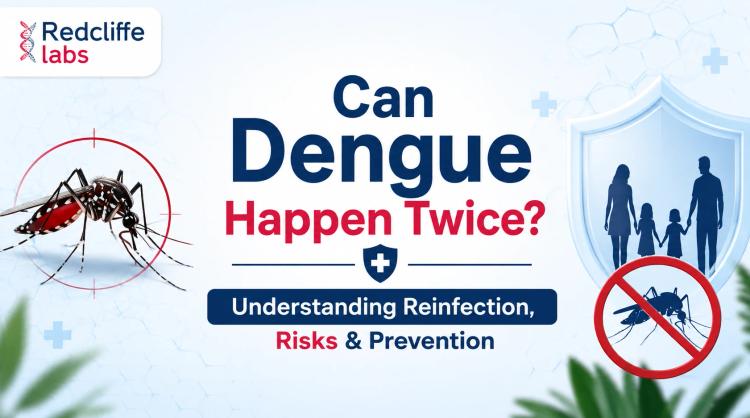
- Can children get dengue more than once?
Yes, children can get dengue up to four times, each from a different strain of the dengue virus. Maintaining proper hygiene and staying hydrated can reduce the risk.