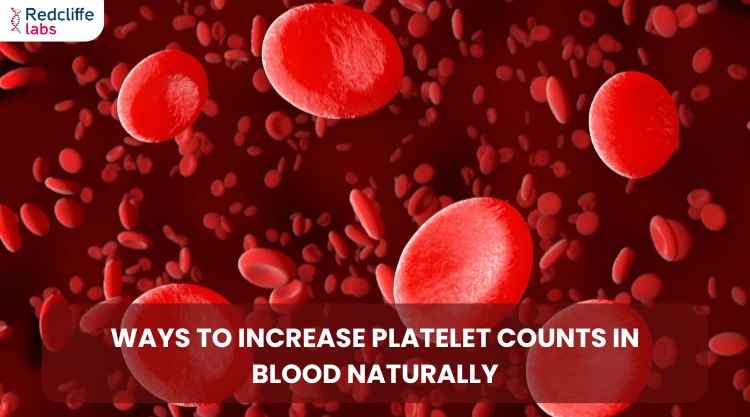
Ways to Increase Platelet Counts in Blood Naturally

While your dinner plates gather dust, your bloodstream is also begging for a serving of vitamin C-rich fruits. But serving where? Is there any plate in your body?
Well, it sounds weird, but the answer is yes. You have platelets in your body. Those porcelain plates not only help you in blood clotting, but also provide a hearty dose of vitamin K from kale.
Whenever you get a cut or injury, platelets rush to the site, stick together, and form a clot to stop bleeding. Although having too few platelets can lead to health issues such as bruising, frequent nosebleeds, and weakness, it can also be a serious complication. Therefore, you should be aware of natural techniques to increase the platelet count in your blood. To learn about the range of methods, let's begin the blog:
What is a Platelet Count in Blood?
Platelets, also known as thrombocytes, are tiny blood cells that play a critical role in clotting. If you get an injury, then these cells will clump together to form a seal over the injured blood vessel, thereby helping prevent bleeding. The usual range for platelet counts is 150,000–400,000 platelets per microliter of blood. If your platelet count is lower than this, you can have trouble halting the bleeding. This condition is also known as thrombocytopenia.
Moreover, platelet abnormalities may result in significant difficulties during pregnancy and stroke. According to a study conducted by the National Institutes of Health (NIH, USA), platelets are essential for tissue repair, inflammation, and immunology, as well as hemostasis.
What causes a Low Platelet Count?
Do you know? Platelet biology can be used to develop treatments for cancer, heart disease, and autoimmune illnesses. Knowing the reasons behind low platelet counts will help you maintain an adequate level and also prevent these health issues. Here are the causes of low platelet count in the blood.
- Viral Infections
Some viruses can damage the bone marrow or increase platelet destruction. It may lead to dengue, COVID-19, hepatitis C, HIV, and Epstein-Barr virus (EBV). Also, dengue fever is a common cause of low platelets in India during the monsoon season.
- Autoimmune Disorders
The immune system mistakenly attacks its platelets. Yes, you read right, in this condition, the body creates antibodies that destroy platelets faster than they can be produced. It may result in Immune thrombocytopenic purpura (ITP), lupus (SLE), and rheumatoid arthritis.
- Bone Marrow Disorders
Diseases that can affect your bone marrow can also reduce platelet production in your body. It may result in Leukemia, aplastic anemia, or Myelodysplastic syndromes. These conditions prevent the bone marrow from making enough blood cells, including platelets.
- Certain Medications
Some drugs can suppress platelet production or cause immune reactions. Common examples include heparin (Heparin-induced thrombocytopenia), chemotherapy drugs, and antibiotics such as sulfa drugs.
Some women develop mild thrombocytopenia during pregnancy. It is usually harmless and resolves after delivery, but needs monitoring. However, thrombocytopenia with preeclampsia may increase the risk of serious complications. It may result in high blood pressure and signs of kidney dysfunction.
What are the Symptoms of a low platelet Count?
Healthy platelets are necessary. Hence, if you have thrombocytopenia or a low platelet count. You should be more aware of its signs. The following are symptoms of a low blood platelet count:
- Easy or Unexplained Bruising
- Frequent Nosebleeds
- Bleeding Gums
- Prolonged Bleeding from Cuts
- Heavy or Irregular Periods
- Tiny Red or Purple Spots (Petechiae)
- Fatigue & Weakness
- Blood in Urine or Stool (in severe cases)
How to Increase Platelets Naturally?
Now we have realized how crucial platelets are to blood. So, are you now ready to decorate your plate? Yes, decorate your kitchen plate with tasty, nutrient-rich foods because the right plate on your table can boost the tiny platelets in your blood. Here are the ways to increase your platelet count.
Food that can help increase platelet count is:
Here are the foods or fruits to increase platelet counts fast:
- Papaya: Studies suggest that papaya leaf extract may help you increase platelet count, especially in cases of dengue fever. However, it should be taken under medical supervision.
- Green Leafy Vegetables: Green leafy vegetables are rich in Vitamin K and folate; examples include spinach, kale, and fenugreek. It may also support healthy blood clotting and platelet production.
- Fruits: Yes, fruits like papaya, pomegranate, kiwi, oranges, and berries are loaded with antioxidants, Vitamin C, and essential nutrients. It may help boost platelet count and strengthen the immune system.
- Eggs: Eggs are a good source of protein, Vitamin B12, and iron, which are vital to maintain healthy blood cells and support platelet production.
- Dark Chocolate: Eating dark chocolate in moderation contains flavonoids and antioxidants that may support immune health and improve blood circulation. Hence, it is indirectly helping in platelet function.
Food items such as alcohol, supplements, and tonic water can reduce platelet counts. This is why these items should be avoided.
Final Takeaway
Platelets are tiny blood cells that help in clotting. They stop bleeding by clamping and forming plugs in blood vessel injuries. A low count can lead to excessive bleeding and slow healing. You should avoid processed foods, alcohol, aspartame, quinine, and refined sugars, as they can lower platelet production or damage existing platelets. Eating foods like kiwi, eggs, papaya, and dark chocolate can increase platelet count in blood naturally.
If you experience symptoms like easy bruising, frequent nosebleeds, heavy periods, or blood in urine/stools, consult a healthcare provider immediately for proper diagnosis and treatment. The Complete Count (CBC) test may be a more accurate way to confirm platelet levels.
FAQ
- What are the natural ways to increase platelet count?
Eating vitamin-rich foods (especially rich in Vitamin B12, C, and K), papaya leaf juice, beetroot, pumpkin, and pomegranate can help. Staying hydrated and reducing alcohol intake also support platelet health.
- Which vitamins are essential to increase platelet levels?
Vitamin C, B12, K, and folate play key roles in platelet production and immune support. Deficiencies in these vitamins can cause low platelet count.
- How does hydration affect platelet count?
Maintaining adequate hydration promotes proper platelet activity and maintains a steady blood volume. Dehydration can lead to thicker blood and stress on platelets.
- Can stress or illness affect platelet levels?
Yes, chronic stress, infections, autoimmune diseases, and certain medications can all lower platelet counts.