How to Prepare for Blood Tests After 40: Your Step-by-Step Guide

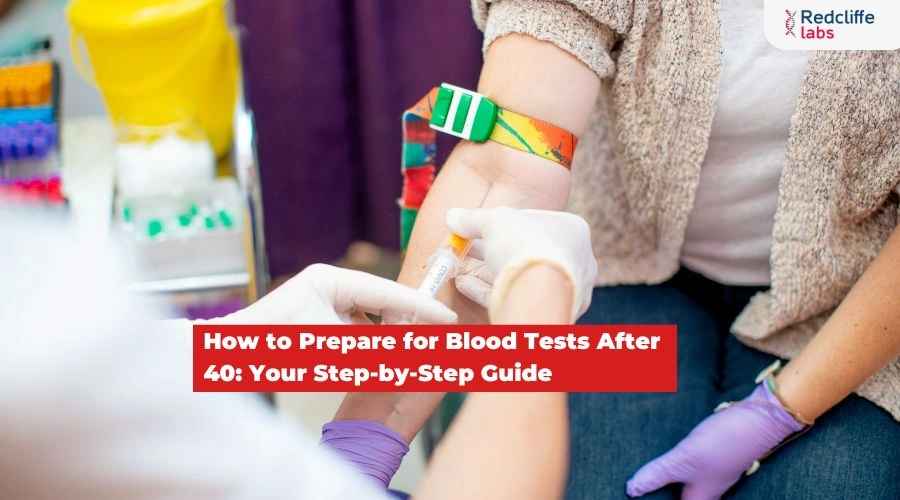
Entering your 40s brings subtle changes to your body that can be easily missed. You may feel perfectly healthy, yet conditions like high cholesterol, pre-diabetes, and vitamin deficiencies can quietly develop without symptoms. Many people around 40 years old ask themselves, "Is a blood test really necessary at this time? " or "How should I prepare to get accurate results?"
This guide is all about routine blood tests, how to prepare for them, how to use your health records to understand them better, and how to make decisions to prevent deterioration of your health.
Why Blood Tests Are Crucial After 40
As we get older, our bodies change in ways that can affect our organs, hormones, and metabolism. After age 40, the chances of developing chronic conditions like diabetes, high blood pressure, heart disease, thyroid problems, and liver or kidney issues go up.
Getting regular blood tests can catch these problems early, so you can adjust your lifestyle, start treatment, or get more tests if needed.
You can think of blood tests as your personal health checkpoint, giving you a snapshot of how your body is doing inside.
Common Blood Tests Recommended After 40
A CBC test measures red blood cells, white blood cells, hemoglobin, and platelets to assess your blood's general condition. The test can help diagnose anemia, infections, or other blood-related disorders.
- Lipid Profile (Cholesterol & Triglycerides):
The lipid profile test measures total cholesterol, LDL (low-density lipoprotein), HDL (high-density lipoprotein), and triglycerides. This information reveals whether you are at risk for heart disease or other cardiovascular disorders.
- Blood Sugar (Fasting & Postprandial):
Both fasting and post-meal (postprandial) blood sugar tests are used to assess blood glucose levels. They play a critical role in identifying prediabetes and diabetes, which become more common after 40.
Thyroid tests show how well your thyroid gland works. If your thyroid is not balanced, it can affect your metabolism, energy, weight, and mood.
KFT involves measuring substances such as creatinine, urea, and electrolytes to assess kidney function. Kidneys play an important role in the removal of waste and the regulation of fluid balance.
- Vitamin D & B12 Levels:
Deficiencies in vitamin D and B12 are often seen after 40. Low levels can lead to weak bones, low energy, and nerve problems. A test can determine if supplements are necessary.
Gender-Specific Screenings:
- Men (40+): Prostate-Specific Antigen (PSA) test for prostate health, along with potential testosterone level monitoring.
- Women (40+): In addition to blood tests and mammograms, other screenings may be advised depending on risk factors.
How to Prepare for Blood Tests After 40
Proper preparation ensures accurate measurements that help you and your doctor efficiently monitor your health and make informed decisions. Follow these steps for the best results:
1. Understand the Tests You're Taking
Blood tests after 40 often include:
- Lipid Profile: Measures the amounts of cholesterol and triglycerides.
- Blood Sugar / HbA1c: Measures average blood sugar over 2-3 months or diagnoses diabetes or prediabetes.
- Thyroid Function Tests (TFTs): Assess thyroid health.
- Liver & Kidney Function Tests: Evaluates organ health, tracks disease progression, and detects damage.
- Vitamin & Mineral Levels: Vitamin D, B12, calcium, iron, etc.
- Hormonal Tests: For men, testosterone; for women, estrogen/progesterone levels.
2. Fasting and Lifestyle Considerations
- Fasting: Most adults over 40 are advised to fast for 10-12 hours before tests such as a lipid profile and fasting blood sugar.
- Stay Hydrated: Drink only plain water. Water helps veins stand out, making blood collection easier.
- Check Medications: Inform your doctor if you have to stop taking your regular medications before the test.
- Avoid Alcohol & Heavy Exercise: These can affect liver, kidney, and blood sugar readings.
- Timing Matters: Morning tests often provide more consistent results.
- Stress Management: Try to get 7-8 hours of sleep and practice relaxation techniques before testing.
3. Other Requirements
- Keep a list of all your medications, supplements, and any recent illnesses.
- Avoid tight sleeves to make your arm easier to access.
- Bring previous test reports for comparison.
- Do not panic before and during the blood tests. Staying calm and relaxed won't affect your test results.
4. After the Blood Test:
- Drink water and have a light snack after fasting tests.
- Track your results and discuss them with your healthcare provider.
Quick Checklist for Blood Tests After 40
Here is a quick checklist of the most common and essential blood tests
- Know your tests
- Fast if needed
- Drink water
- Avoid alcohol & smoking
- Limit exercise before the test
- Take essential medications as advised
- Get enough sleep
- Schedule morning appointments
How Often Should You Get Blood Work After 40
Key blood tests recommended after 40:
1. Routine Testing (Usually Once a Year)
Doctors usually suggest that adults in their 40s get basic blood tests once a year. Regular yearly tests help set a health baseline and spot changes over time.
2. Test-Specific or Periodic Screening
Not all tests need to be done every year. Your age, symptoms, and family history can affect how often you need certain screenings.
- Doctors may recommend PSA (Prostate-Specific Antigen) tests every 2 to 5 years for men without symptoms.
- Thyroid function tests are usually repeated only if you have symptoms or already know you have a thyroid condition.
3. Testing Based on Symptoms or Health Changes
If you have symptoms such as persistent tiredness, unexplained weight changes, or lasting discomfort, your doctor might suggest blood tests outside routine testing schedules. These tests can help find the cause of your symptoms.
4. When More Frequent Testing Is Needed
If you have conditions like diabetes, high blood pressure, or high cholesterol, or if your family has a history of heart disease or certain cancers, your doctor may want to monitor you more often.
Expert Doctor Advice: Don't Skip Blood Tests After 40
After forty, most health changes happen very quietly and may not cause symptoms at first. Problems like high cholesterol, diabetes, thyroid issues, and vitamin deficiencies can develop gradually, which is why blood tests are a very important tool for detecting these conditions in the very early stages. A person may still feel perfectly fine; however, routine testing will help identify very early, subtle changes that could later develop into major health issues.
Additionally, regular blood tests allow doctors to track a patient's health over an extended period, providing more accurate and reliable information than a single report. This long-term view makes it easier to understand trends, assess risks, and recommend timely lifestyle or medical interventions.
Blood work is also an essential tool for assessing the function of crucial organs, such as the liver and kidneys, which naturally change with age.
When people choose not to undergo routine tests, diagnosis can be delayed, and management becomes challenging. By evaluating blood test results, doctors can provide personalized advice related to diet, physical activity, and follow-up testing schedules, helping you stay proactive about your health rather than reactive.
Conclusion
Preparing properly for blood tests after 40 improves test accuracy. Regular testing allows early detection of common age-related health problems and supports timely medical intervention.
You can stay health-smart as you age by simply following the right preparation steps for your tests and scheduling them at the right intervals.
FAQs
-
Do I need to fast before all blood tests after 40?
No, you don't need to fast before every blood test. Tests like fasting blood sugar and lipid profile usually require 10 to 12 hours of fasting, but many others do not. Be sure to follow your doctor's or lab's instructions for the most accurate results.
-
How often should blood tests be done after the age of 40?
Most adults are advised to have routine blood work once a year starting at age 40. However, how often you need them can depend on your medical history, current health, symptoms, and family risk factors. Your doctor will suggest a schedule that fits your needs.
-
Can I drink water before going for a blood test?
Yes, you can drink plain water, and that is actually a good idea before a blood test. It is quite important to stay well hydrated because it helps maintain blood volume and makes it easier for the expert to locate veins when drawing blood.
-
Should I stop taking regular medications before a blood test?
Do not stop any prescribed medication unless your doctor tells you to. Some medicines or supplements can affect test results, so inform your doctor or lab staff about everything you take before your blood sample is collected.
-
Which blood tests are commonly recommended after 40?
Complete Blood Count, lipid profile, blood sugar tests, thyroid function tests, liver and kidney function tests, as well as vitamin D and B12 levels, are advised after 40. Moreover, based on the present symptoms, gender, or medical history, additional tests may also be suggested.
-
What is the best time of day to get blood tests done?
Most blood tests are usually done first thing in the morning, especially those that require fasting. Hormone levels, blood glucose, and cholesterol readings are generally more stable in the early hours of the day, which helps enhance the accuracy and consistency of test results when these tests are repeated.