Kundalini Yoga for Beginners: Everything You Need to Know

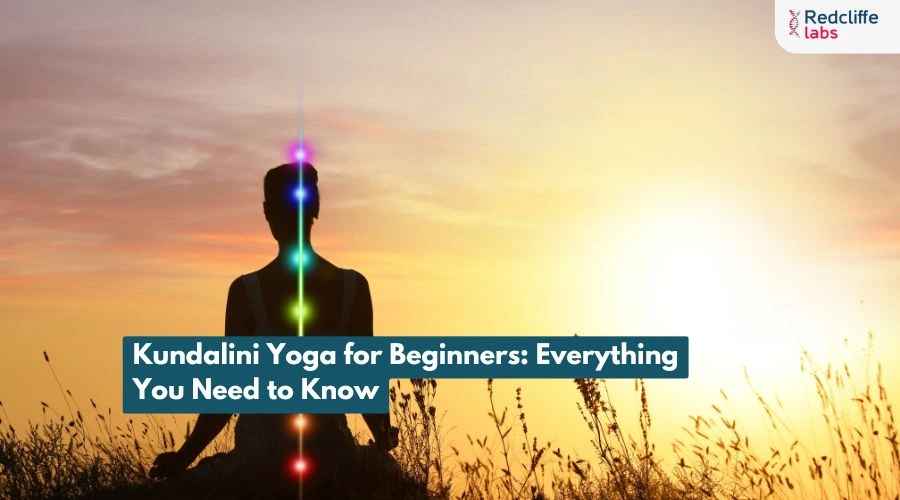
Transformation isn’t only about tough workouts or long hours at the gym. Real change often begins inside. Kundalini Yoga helps you connect your body, mind, and inner self. Called the “Yoga of Awareness,” it uses simple movements, breathing, meditation, chanting, and relaxation to help you tap into your inner energy.
Kundalini Yoga may look complicated at first, but it’s actually beginner-friendly and suitable for all ages and fitness levels. People often try it to relieve stress, improve focus, find emotional balance, and grow personally. As more people seek holistic health, Kundalini Yoga is gaining popularity. In this blog, you’ll learn how to start, how it works, and what to expect as a beginner.
What exactly is Kundalini Yoga?
Kundalini Yoga is a type of yoga that aims to awaken the energy believed to be within everyone. The word "Kundalini" comes from Sanskrit and means "coiled," referring to a powerful life force at the base of the spine. The practice helps this energy move through your body safely and in balance. When the energy flows freely, it can increase your awareness, inner peace, and overall well-being.
Unlike some types of yoga that focus primarily on physical poses, Kundalini Yoga engages both the mind and body. It brings together simple movements, breathing, meditation, chanting, hand gestures, and relaxation. The aim is not only to improve fitness but also to lower stress, strengthen your nervous system, support hormone balance, and help you feel more connected to yourself. It’s often called the "Yoga of Awareness" because it encourages self-discovery and inner growth.
Also Read: Yoga For Healthy Heart: 11 Effective Yoga Asanas That Will Help You Manage Cardiac Health
The Origins and History of Kundalini Yoga
Kundalini Yoga has a long history that goes back thousands of years. In ancient times, teachers shared their knowledge only with a small number of students. They believed these powerful practices required proper guidance and preparation.
In 1968, Yogi Bhajan brought Kundalini Yoga from India to Western countries. He believed that people living busy and stressful lives could benefit from its teachings. His goal was to make these practices available to everyone, not just a select few.
Over time, Kundalini Yoga became popular worldwide. Today, millions of people practice it to improve their physical, mental, and emotional well-being. What was once a closely guarded tradition has now become a widely accepted wellness practice that helps people find balance, reduce stress, and connect more deeply with themselves.
Core Components: The Building Blocks of Kundalini
To get the most from Kundalini Yoga, it helps to know the main parts of a typical routine. You can think of these elements as different tools that work together to create a calming and healing experience.
1. Kriyas (The Sequences)
- Definition and Purpose: A kriya is a set sequence of postures, breathing, and sound meant to create a specific effect in your body. Unlike Western workouts, where you can mix and match exercises, a kriya should be practiced exactly as it was taught, without changing the order or timing.
- Targeted Actions: There are thousands of different kriyas available. Some are specifically designed to detoxify the liver, while others focus on strengthening your nervous system, opening your heart center, conquering depression, or boosting your brainpower.
- The Power of Repetition: Kriyas often involve repeating a simple movement for several minutes. This repetition gently challenges your nervous system and muscles, helping your mind release hidden tension, emotional blocks, and old stress.
2. Pranayama (The Breathwork)
- Breath of Fire (Agni Pranayam): This is the hallmark breath of Kundalini. It is a rapid, rhythmic, and continuous breath through the nose, where the inhale and exhale are equal in length, accompanied by the pumping of the navel. It purifies the blood and instantly boosts energy.
- Long Deep Breathing: This foundational practice involves fully expanding the abdomen, ribs, and chest on the inhale and completely relaxing them on the exhale. It instantly triggers the parasympathetic nervous system, lowering stress hormones and bringing an immediate sense of profound calm.
- Alternate Nostril Breathing: Gently close one nostril at a time with your fingers to help balance both sides of your brain. This practice brings together logical thinking and creative intuition, helping to ease anxiety and mental tiredness.
3. Mudras (The Hand Gestures)
- Gyan Mudra (Seal of Knowledge): Formed by touching the tip of the index finger to the tip of the thumb while extending the other fingers. This classic mudra stimulates your brain's pituitary gland, enhances memory, improves concentration, and invites a deep sense of peace.
- Shuni Mudra (Seal of Patience): Made by touching the tip of the middle finger to the thumb. This hand position helps build patience, emotional discipline, and the strength to stay calm and grounded during difficult times.
- Surya Mudra (Seal of Life/Energy): Made by pressing the ring finger down to the base of the thumb. This mudra is believed to boost your metabolism, support physical healing, and increase your overall energy.
- Buddhi Mudra (Seal of Mental Clarity): Made by touching the tip of the pinky finger to the thumb. This gesture is thought to improve communication, support intuition, and encourage clear understanding in your relationships.
4. Mantras (The Sound Currents)
- Ong Namo Guru Dev Namo: This is the Adi Mantra, which means "I bow to the subtle creative wisdom; I bow to the divine teacher within." It helps you connect with your inner wisdom and focus your mind.
- Sat Nam: This is the most common mantra in Kundalini Yoga and means "Truth is my identity." Repeating "Sat" as you inhale and "Nam" as you exhale can help you refocus and connect with your true self.
- Har: This mantra represents the Divine's creative side and is often associated with prosperity and manifestation. Chanting "Har" while pumping the navel is believed to help clear mental blocks and boost your motivation.
- Sa Ta Na Ma: This mantra represents the cycle of life, birth, death, and rebirth. It is used in Kirtan Kriya meditation, which research has shown can improve memory, reduce stress, and support cognitive function.
5. Bandhas (The Body Locks)
- Mula Bandha (Root Lock): Done by gently tightening the muscles of the pelvic floor, perineum, and lower abdomen. This action is believed to help direct your energy upward through the spine and support higher awareness.
- Jalandhara Bandha (Neck Lock): Achieved by gently pulling the chin back and down toward the chest, elongating the back of the neck. This lock safely regulates energy flow to the brain, prevents dizziness, and balances thyroid function during intense practice.
- Uddiyana Bandha (Diaphragm Lock): Performed by exhaling fully and pulling the diaphragm up into the rib cage. This advanced technique is said to massage the heart, stimulate digestion, and help move energy upward in the body.
The Scientific and Spiritual Benefits of Kundalini Yoga
Kundalini Yoga is based on ancient spiritual ideas, and modern science is beginning to explain why these practices can be so effective. It is a wellness system that supports both the mind and the body.
Physical Health and Wellness
The breathwork in Kundalini Yoga quickly increases oxygen in your blood, giving you a natural energy boost. The movements also stimulate your endocrine glands, which help control mood, sleep, metabolism, and immunity. By stressing and then relaxing the body, you can build a stronger nervous system that handles daily stress better.
Emotional and Mental Healing
Kundalini Yoga is believed to work with the subconscious mind, helping to release stored emotional stress, old anxieties, and self-limiting beliefs. Many people notice less anxiety, more emotional stability, and fewer negative thought patterns after a few weeks of regular practice.
Spiritual Awakening and Intuition
On a spiritual level, Kundalini Yoga is said to clear energy pathways (nadis) and balance your chakras. As energy flows more freely, your intuition may become sharper, and you may gain more clarity about your life’s direction. Many people also feel more connected to the world around them and experience greater trust and self-acceptance.
Also Read: Yoga For Healthy Living—Better Habits Make Better Lifestyle
A Simple 15-Minute Kundalini Yoga Routine for Beginners
You don't need any special equipment or a yoga studio to start Kundalini Yoga. Just find a quiet place where you can sit comfortably and relax.
Step 1: Tune In (2 Minutes)
Sit comfortably on the floor or in a chair with your back straight. Rub your hands together for a few seconds to create warmth and energy. Then place your palms together in front of your chest.
Close your eyes, take a deep breath, and chant "Ong Namo Guru Dev Namo" three times. This mantra helps you calm your mind, focus on the present moment, and prepare for your practice.
Step 2: Sufi Grinds (3 Minutes)
Place your hands on your knees and sit with a straight back. Slowly move your upper body in gentle circles. Breathe in as you move forward and breathe out as you move backward. Continue moving slowly and smoothly. This exercise helps loosen the lower back, improve digestion, and warm up the spine.
Step 3: Ego Eradicator (3 Minutes)
Sit tall and raise your arms at an angle above your shoulders. Keep your thumbs pointing upward and relax your shoulders. Start Breath of Fire by taking quick, steady breaths through your nose. If it feels difficult, switch to slow, deep breathing. This exercise boosts energy, improves focus, and helps clear mental stress.
Step 4: Heart-Centering Meditation (5 Minutes)
Place one hand over your heart and rest the other hand on your knee with your thumb and index finger touching. Close your eyes and take slow, deep breaths. Focus on your breathing and allow your mind to become quiet. This meditation helps reduce stress, improve emotional balance, and create a sense of inner peace.
Step 5: Close with Sat Nam (2 Minutes)
Bring your palms together in front of your chest once again. Take a deep breath and slowly chant "Sat Nam." This phrase means "Truth is my identity." It reminds you to stay connected to your true self. Take a moment to appreciate your practice. Then, gently open your eyes and go on with your day feeling calmer and more centered.
Vital Tips for a Safe and Enjoyable Kundalini Yoga Journey
Here are some important tips to remember if you are starting your Kundalini Yoga journey:
- Listen to Your Body: Kundalini Yoga should challenge you, but it should never cause pain. If a pose or exercise feels too difficult, slow down, take deep breaths, or rest for a while. Respecting your body's limits helps you practice safely and get better results over time.
- Stay Hydrated: Kundalini Yoga includes breathing exercises and movements that can make your body work harder. Drinking enough water before and after practice helps you stay energized, supports your body's natural cleansing process, and prevents dehydration.
- Practice on an Empty Stomach: It is best to avoid heavy meals for two to three hours before your practice. Many Kundalini Yoga exercises involve twisting, bending, and engaging the abdominal muscles, which can feel uncomfortable if your stomach is full.
- Accept Your Emotions: During practice, you may experience a range of emotions, including happiness, sadness, frustration, and relief. This is normal. Instead of ignoring these feelings, allow yourself to experience them without judgment. It can be a healthy part of personal growth and self-awareness.
Conclusion: Start Your Kundalini Yoga Journey Today
Kundalini Yoga is more than just a way to stay active. It can help you relax, improve your focus, and connect more deeply with yourself. You don’t need to be an expert to begin. Start with a few simple exercises, practice regularly, and be patient with your progress. Even a few minutes each day can help you feel calmer, more energetic, and better able to handle daily stress.
Along with regular yoga, it’s important to keep track of your overall health. With Redcliffe Labs, you can get reliable health tests, free home sample collection, and free doctor and dietitian consultations to support your wellness journey. Take the first step toward a healthier, more balanced life, one breath at a time.
FAQs
1. What is Kundalini Yoga, and how does it work?
Kundalini Yoga is a type of yoga that combines physical movements, breathing exercises, meditation, and chanting. It aims to improve physical, mental, and emotional well-being by helping practitioners become more aware of their thoughts and feelings. Regular practice can increase energy, improve focus, and promote a greater sense of balance and inner calm.
2. Is Kundalini Yoga suitable for beginners?
Yes, Kundalini Yoga is suitable for beginners. You do not need to be flexible or have previous yoga experience to start. Many beginner-friendly practices focus on simple movements, breathing techniques, and meditation. Starting slowly and following guided instructions can help you build confidence and enjoy the benefits of the practice safely.
3. What happens during a Kundalini Yoga session?
A typical Kundalini Yoga session includes breathing exercises, physical postures, meditation, chanting, and relaxation. Sessions often begin with a warm-up, followed by a specific sequence of exercises called a kriya. The practice usually ends with meditation and relaxation, helping participants feel calmer, refreshed, and more connected to themselves.
4. How is Kundalini Yoga different from other types of yoga?
Unlike many yoga styles that focus mainly on physical fitness and flexibility, Kundalini Yoga combines movement with breathwork, meditation, and chanting. Its goal is to improve not only physical health but also mental clarity and emotional well-being. This holistic approach makes it unique and appealing to those seeking overall wellness.
5. What are the benefits of Kundalini Yoga?
Kundalini Yoga may help improve flexibility, balance, and energy levels while supporting mental and emotional health. Regular practice can reduce stress, improve concentration, encourage relaxation, and promote better sleep. Many practitioners also find that it helps them feel more self-aware, confident, and better equipped to manage everyday challenges.
6. How often should beginners practice Kundalini Yoga?
Beginners can start by practicing Kundalini Yoga three to five times a week for about 15 to 20 minutes per session. Consistency is more important than long practice sessions. As confidence and comfort grow, the duration and frequency can gradually increase. Regular practice helps build healthy habits and lasting benefits.
7. Can Kundalini Yoga help reduce stress and anxiety?
Yes, Kundalini Yoga may help reduce stress and anxiety through breathing exercises, meditation, and mindful movements. These practices encourage relaxation and help calm the nervous system. Many people find that regular sessions improve their mood, reduce feelings of overwhelm, and help them develop a more balanced response to daily stress.
8. Do you need any special equipment for Kundalini Yoga?
No, Kundalini Yoga does not require special equipment. A yoga mat and comfortable clothing are usually enough to get started. Some people choose to use a cushion or blanket for meditation, but these are optional. The focus is on movement, breath, and mindfulness rather than expensive gear or accessories.