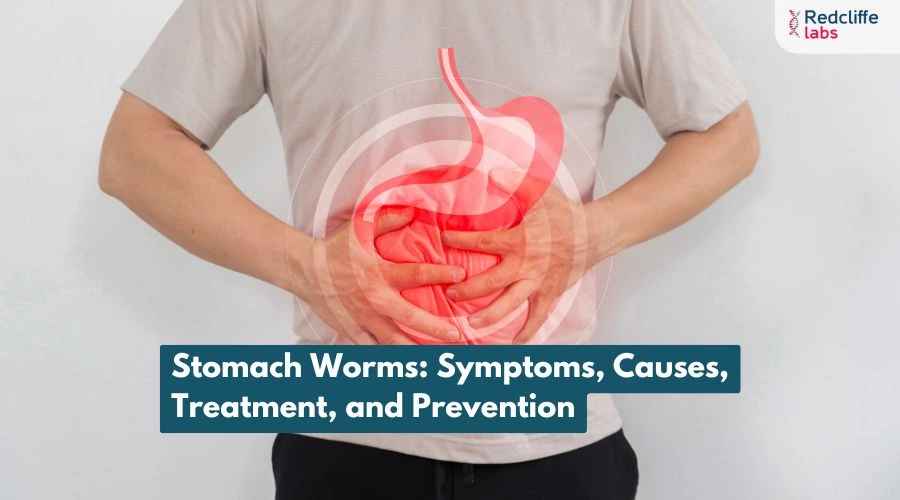
Stomach Worms: Symptoms, Causes, Treatment, and Prevention

Continuous stomach pain, unexpected weight loss, anal itching, or abnormal bowel movements are signs that many individuals often overlook as indigestion. However, some of these symptoms may be associated with a parasitic worm infestation. Known as “stomach worms,” these worms usually live in the intestines, where they may consume nutrients or interfere with the body's ability to absorb nutrients properly. While worm infections are more prevalent among children, adults may also be affected. Fortunately, all forms of intestinal worm infections are curable with timely diagnosis and appropriate medication.
Understanding the symptoms, causes, and preventive measures can help protect your digestive health and prevent complications.
What Are Stomach Worms?
"Stomach Worms" is an umbrella term referring to any intestinal parasite that exists within the human digestive system and feeds on your body’s nutritional intake. The parasites enter our bodies through contaminated food and/or water, infected soil, and, in certain cases, through the skin.
They are not a sign of being dirty or careless. Parasites are a biological reality that impacts around 1.5 billion people worldwide and are especially common in places without proper access to clean water and sanitation facilities.
Common Types of Stomach Worms
Several types of intestinal worms can infect the digestive tract.
1. Roundworms (Ascaris lumbricoides)
It is the most common intestinal worm found on Earth. The eggs enter the body via contaminated soil and food and hatch in the intestines; the larvae can migrate to the lungs before returning to the intestines. Adult worms can measure up to 35 cm in length.
Symptoms:
- Abdominal pain
- Nausea
- Visible worms in stool
- During the larval migration phase, some people may experience cough, wheezing, or shortness of breath.
2. Tapeworms (Taenia species)
They are transmitted via undercooked beef (T. saginata) or pork (T. solium). Tapeworms can grow to several meters long and can survive in the intestine for several years, even with minimal symptoms.
Symptoms:
- Mild abdominal discomfort
- Unexplained weight loss
- Segments of the worm visible in stool (they look like small grains of rice)
- Vitamin B12 deficiency
3. Hookworms (Necator americanus, Ancylostoma duodenale)
The hookworm larvae reside in warm, moist soil and penetrate directly into the bare skin of the feet. From there, the larvae enter the intestine and attach to the intestinal lining to feed on blood.
Symptoms:
- Itchy rash at the entry point
- Iron-deficiency anemia
- Fatigue
- Pale skin
- Abdominal pain
- Stunted growth and cognitive delays in children
4. Pinworms / Threadworms (Enterobius vermicularis)
The most common worm infection in children in the developed world. Transmitted by hand to mouth via eggs. Female pinworms lay eggs near the anus at night, causing severe itching.
Symptoms:
- Intense anal itching (especially at night)
- Disrupted sleep
- Irritability in children
- Occasionally, vaginal itching in girls
5. Whipworms (Trichuris trichiura)
Transmitted through contaminated soil or food. They embed themselves in the wall of the large intestine.
Symptoms:
- Diarrhea (sometimes bloody)
- Abdominal cramping
- Weight loss
- Heavy infections can cause rectal prolapse in children.
6. Strongyloides (Strongyloides stercoralis)
Uniquely capable of reproducing within the human host itself, which ensures that the infection lasts for decades without re-exposure. Highly risky for individuals with weak immune systems.
Symptoms:
- Skin rash (often moving, called larva currens)
- Abdominal pain
- Diarrhea
- Chronic cough
Stomach Worm Symptoms
The signs of worms in the stomach may vary depending on the type and severity of infection. Some people may not have symptoms initially.
Common symptoms include:
- Persistent abdominal pain or cramps
- Unexplained changes in bowel habits (Diarrhea or constipation)
- Nausea or vomiting
- Unexplained weight loss despite normal eating
- Fatigue and weakness
- Visible worms or segments in stool
- Itching around the anus, especially at night
- Iron-deficiency anemia (particularly with hookworm infection)
- Bloating or gas that doesn't resolve
- Poor growth in children
See a doctor promptly if you have bloody stool, high fever, severe abdominal pain, or if you are pregnant, as some infections pose specific risks during pregnancy.
Causes of Stomach Worms
Intestinal worm infections can occur when parasite eggs or larvae enter the body.
Common causes include:
- Eating contaminated food or raw vegetables
- Drinking contaminated water
- Poor hand hygiene
- Walking on contaminated soil barefoot
- Having close physical contact with a sick individual
- Poor sanitation and hygiene practices
Who Is at Higher Risk?
Certain factors make one susceptible to worm infection.
People at higher risk include:
- Children between 5 and 14 years old
- Individuals in poorly sanitized environments
- Individuals drinking untreated water
- Individuals eating undercooked food
- Farmers and gardeners are exposed to soil.
- People with compromised immune systems
- Travelers to regions where parasitic infections are common
Signs That Stomach Worms May Be Causing Nutritional Problems
Long-standing infections can interfere with nutrient absorption and lead to deficiencies.
Signs may include:
- Constant tiredness
- Iron-deficiency anemia
- Pale skin
- Weight loss
- Weakness
- Poor concentration
- Delayed growth in children
These symptoms occur because parasites consume nutrients or interfere with their absorption.
How Diagnosis Works
Stomach worms are diagnosed through a combination of symptoms and laboratory tests.
1. Stool Examination
A stool sample is examined under a microscope for eggs, larvae, and worm segments.
2. Sellotape/Tape Test
This test is specifically used for pinworms and is usually performed early in the morning.
3. Blood Test
A blood test may reveal:
- A raised eosinophil count (a type of white blood cell) often indicates a parasitic infection.
- Iron-deficiency anemia
- Nutritional deficiencies
4. Imaging Tests ( In rare cases)
Ultrasound, CT, or MRI may be performed, particularly in cases of suspected tapeworm cysts in tissue.
Treatment Options
Treatment for stomach worms includes a short course of antiparasitic medication.
Common medications include:
- Albendazole
- Mebendazole
- Praziquantel
- Ivermectin
Important: The treatment duration depends on the type of parasite. Family members may also require treatment, especially in cases of pinworm infection. Avoid self-medication and consult a healthcare professional for proper diagnosis and treatment.
Can Stomach Worms Cause Complications?
Most infections are mild, but untreated cases may lead to complications such as:
- Severe abdominal pain
- Malnutrition and stunted growth
- Intestinal blockage
- Tissue and organ damage
- Inflammation of the bile ducts, pancreas, or other organs (rare)
- Vitamin deficiencies
Prevention: What Actually Works
Preventing stomach worms requires a combination of:
- Wash your hands thoroughly. Before eating, after using the toilet, and after gardening or handling the soil. It will help you avoid many infections.
- Drink safe water. If travelling in places with no proper sanitary facilities, use only bottled or boiled water.
- Wear shoes while outdoors. Especially in the tropical regions, where the risk of hookworm infection is high. Never go barefoot in such places.
- Wash your fruits and vegetables. Wash especially those that are grown near the ground and irrigated with contaminated water.
- Avoid swallowing water while swimming. Especially in lakes, rivers, or swimming pools in endemic areas.
- Regular deworming for children. The WHO recommends regular deworming of children in endemic areas without prior diagnosis.
Home Remedies for Stomach Worms
Although home remedies have been widely used in traditional medicine, scientific studies have shown that they are insufficient to completely eliminate intestinal worms. They may support digestive health but should not replace doctor-prescribed antiparasitic medications.
Some commonly used remedies include:
- Garlic: Contains allicin, an antimicrobial compound.
- Pumpkin seeds: Rich in cucurbitacin,which is traditionally believed to affect parasites.
- Papaya seeds contain enzymes such as papain that aid digestion.
- Coconut oil: Traditionally used due to its antimicrobial properties.
- Probiotics: Foods such as yogurt and fermented foods that promote gut health.
If symptoms persist or worms are visible in the stool, consult a doctor for proper diagnosis and treatment.
When Should You See a Doctor?
Consult a doctor immediately if you experience:
- Bloody stools
- Noticeable worms in stool
- Fatigue or anemia
- Unexplained weight loss
- Persistent abdominal pain
- Severe diarrhea
Conclusion
Stomach worms are a very common and treatable cause of digestive discomfort and nutritional deficiencies. They can affect individuals of all ages and are usually spread through contaminated water, food, soil, and unhygienic practices. Detecting early signs of stomach worm infection and getting treated will not only help prevent complications but also ensure digestive well-being. Practicing good hygiene, consuming healthy food, and seeking timely medical evaluation can help diagnose intestinal worm infections and ensure appropriate treatment.
FAQs
-
What are the symptoms of stomach worms?
The symptoms of a stomach worm infection can include abdominal pain, bloating, diarrhea, nausea, loss of appetite, weight loss, exhaustion, and anal itching, particularly at night. Some individuals might even find worms in their stools. If a severe infection persists for a long time, it can result in anemia and malnutrition.
-
How do people get stomach worms?
Intestinal worm infections occur from consuming contaminated food or water, consuming raw or undercooked foods, walking barefoot on infected soil, or poor hand hygiene. Pinworms may also spread through close physical contact with infected individuals. Poor sanitation and inadequate sewage disposal increase the risk of exposure to parasite eggs. Traveling to areas where intestinal worm infections are common or living in crowded conditions may also raise the risk of infection.
-
Can stomach worms go away without treatment?
Some mild infections may cause few symptoms, but most intestinal worm infections require antiparasitic treatment to completely eliminate the parasites and prevent complications. Infections that go untreated can lead to problems like anemia, malnutrition, and intestinal obstruction. Prompt treatment also helps prevent the spread of infection to family members and reduces the risk of recurrence.
-
Which test is used to detect stomach worms?
The most commonly used test for diagnosing intestinal worm infections is a stool test. Blood tests for eosinophilia or anemia may be performed by doctors based on symptoms. The tape test may be done to diagnose a pinworm infection. Imaging tests such as ultrasound or CT scans may be used in severe cases or when complications are suspected. Identifying the type of parasite helps doctors choose the most appropriate treatment.
-
How can stomach worms be prevented?
Stomach worm prevention includes practicing good hygiene, washing hands, drinking clean water, thoroughly washing fruits and vegetables, and wearing shoes outside. Routinely deworming children and keeping the environment clean may also help prevent stomach worm infection. Avoiding raw or undercooked foods and practicing proper sanitation are equally important. Educating children about handwashing habits can help prevent the spread of infection within households and communities.
-
Can stomach worms spread from one person to another?
Yes, some types of worm infections, especially those caused by pinworms, can be transmitted from one person to another through contaminated hands, bedsheets, clothes, etc. However, most other intestinal worms are contracted from contaminated food, water, or soil, not through direct contact.