Redcliffe Labs Identifies a Rare USP18 Gene Mutation Linked to Neurological Decline in Children
At a Glance
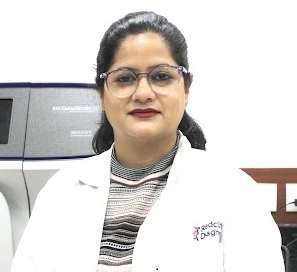
- Dr. Himani Pandey, Lab Head – Genomics, Redcliffe Labs, in collaboration with Dr. Vykuntaraju K. Gowda, Professor and Head, Department of Pediatric Neurology, Indira Gandhi Institute of Child Health, Bengaluru, identified a previously unreported USP18 gene mutation associated with the rare neurological disorder Pseudo-TORCH Syndrome Type 2 (PTS2).
- Published in the peer-reviewed journal Clinical Dysmorphology, the study adds valuable evidence to the limited global literature on this exceptionally rare genetic condition.
- Using Whole Exome Sequencing (WES) and mitochondrial genome sequencing, the team uncovered the novel USP18 c.358C>T (p.Pro120Ser) variant while investigating an unexplained case of recurrent neurological decline in an 11-year-old child.
- The discovery highlights the transformative role of advanced genomic diagnostics in solving complex clinical cases that often remain undiagnosed despite years of medical evaluation.
- The study reinforces Redcliffe Labs' commitment to advancing precision medicine through cutting-edge genomic research, enabling earlier diagnosis, informed clinical decisions, and improved care for patients with rare genetic disorders.
Published in Clinical Dysmorphology
Rare diseases often present one of medicine's biggest challenges—not because they are untreatable, but because they are difficult to diagnose. Symptoms frequently mimic more common conditions, leaving families searching for answers for years. In a significant breakthrough for genomic medicine, Redcliffe Labs has identified a previously unreported mutation in the USP18 gene associated with Pseudo-TORCH Syndrome Type 2 (PTS2). This discovery underscores the importance of genomic testing and can inspire clinicians and researchers to continue pushing the boundaries of diagnosis and treatment. The findings have been published in the peer-reviewed journal Clinical Dysmorphology, expanding the global understanding of this exceptionally rare condition.
Understanding Pseudo-TORCH Syndrome Type 2
Pseudo-TORCH Syndrome Type 2 is an extremely rare genetic disorder that primarily affects brain development and neurological function. Although its symptoms closely resemble congenital infections such as toxoplasmosis, rubella, cytomegalovirus, and herpes (collectively known as TORCH infections), children with PTS2 do not have any underlying infection. Instead, the condition results from inherited mutations that disrupt the body's immune regulation, leading to excessive inflammation and neurological damage.
Globally, only 11 cases had been documented before this discovery, making every new finding crucial for improving diagnosis and future research.
The Clinical Journey Behind the Discovery
The discovery emerged from the evaluation of an 11-year-old girl who had been experiencing unexplained neurological symptoms since infancy. Her clinical history included:
- Recurrent episodes of febrile encephalopathy (fever-associated neurological deterioration)
- Repeated seizures
- Developmental delay
- Microcephaly (smaller-than-normal head size)
- Progressive calcium deposits across different regions of the brain
Despite multiple clinical investigations over several years, the underlying cause remained unknown. To identify the root of the condition, clinicians recommended Whole Exome Sequencing (WES) combined with mitochondrial genome sequencing. This advanced genomic analysis revealed a previously unreported USP18 gene variant, c.358C>T (p.Pro120Ser), providing the family with a definitive diagnosis after years of uncertainty. This success story aims to reassure clinicians and families that comprehensive genomic testing can lead to clarity and hope in complex cases.
Why the USP18 Gene Matters
The USP18 gene plays a vital role in regulating the body's immune response. Under normal circumstances, it helps prevent excessive activation of inflammatory pathways, ensuring that the immune system responds appropriately to infections without damaging healthy tissues.
The newly identified mutation alters the structure and function of the USP18 protein, weakening its ability to regulate inflammation effectively. As a result, the immune system may become overactive, triggering recurrent inflammatory episodes that contribute to neurological decline, particularly during febrile episodes.
Understanding this mechanism provides valuable insight into why some children experience recurrent neurological deterioration despite the absence of any infectious cause.
Why This Discovery Is Important
The identification of this novel genetic variant has implications that extend beyond a single patient.
Earlier Diagnosis
Rare neurological disorders often involve years of uncertainty before an accurate diagnosis is reached. Identifying new disease-causing variants helps clinicians recognize similar cases sooner and reduce the diagnostic journey for affected families.
Better Clinical Management
A confirmed genetic diagnosis allows physicians to avoid unnecessary investigations and treatments aimed at infectious diseases while focusing on immune-related disease management and supportive care.
Expanded Global Scientific Knowledge
Every newly reported mutation strengthens the international understanding of rare disorders, helping clinicians and researchers recognize broader disease patterns and improve future diagnostic guidelines.
Improved Genetic Counseling
Identifying the exact mutation enables families to receive informed genetic counseling regarding recurrence risks and future pregnancies.
These findings contribute valuable clinical and genetic evidence to the limited global literature on USP18-related disorders and open new opportunities for future research into targeted therapeutic approaches. Highlighting the ongoing potential for discovery, this work encourages clinicians and researchers to pursue further investigations that could lead to innovative treatments and improved patient outcomes.
The Role of Advanced Genomic Testing
The study highlights the growing importance of Whole Exome Sequencing (WES) in diagnosing rare and unexplained neurological disorders.
While Whole Exome Sequencing (WES) has become increasingly accessible, understanding its availability, cost, and integration into clinical workflows is essential for clinicians considering genomic testing for unexplained neurological disorders.
For children presenting with unexplained developmental delays, recurrent seizures, encephalopathy, or suspected inherited neurological disorders, genomic testing can provide a definitive diagnosis and guide long-term clinical management.
Redcliffe Labs' Commitment to Precision Medicine
This discovery reflects Redcliffe Labs' continued investment in advanced genomics and precision diagnostics. By combining cutting-edge sequencing technologies with expert clinical interpretation, the laboratory is helping clinicians solve complex medical mysteries and contribute to global scientific knowledge.
As precision medicine continues to evolve, genomic diagnostics will play an increasingly important role in identifying rare diseases, enabling personalized treatment strategies, and improving patient outcomes.
Conclusion
Rare diseases may affect only a small number of individuals, but their impact on patients and families is profound. The identification of the novel USP18 c.358C>T (p.Pro120Ser) mutation represents an important milestone in understanding Pseudo-TORCH Syndrome Type 2. It reinforces the value of advanced genomic testing in resolving complex neurological disorders.
By advancing precision diagnostics and contributing to peer-reviewed scientific research, Redcliffe Labs continues to strengthen genomics' role in enabling earlier diagnoses, informed clinical decisions, and better outcomes for patients with rare genetic diseases.
Learn More About Genomic Testing at Redcliffe Labs
If you would like to learn more about Whole Exome Sequencing (WES) and other advanced genetic testing services, visit:
Redcliffe Labs – Genomics & Genetic Testing
References
- Express Healthcare. Redcliffe Labs identifies rare USP18 gene mutation linked to neurological decline in children. (Express Healthcare)
- ETHealthWorld. Redcliffe Labs Reports India's First Novel USP18 Gene Mutation Linked to Rare Pediatric Disorder. (ETHealthworld.com)