How to Control Thyroid During Pregnancy Naturally and Safely

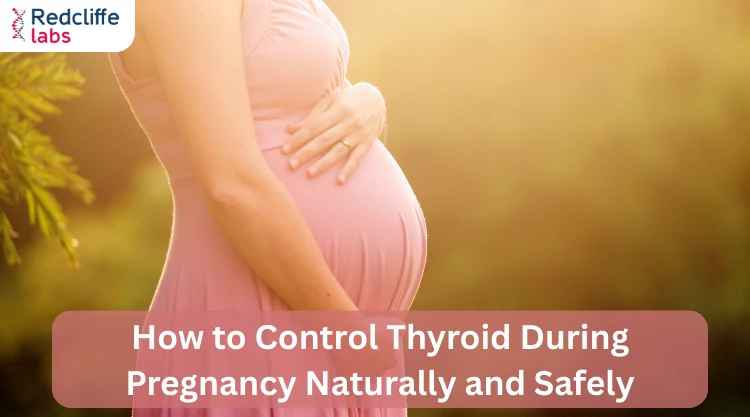
It has been said that pregnancy is not only the birth of an unborn baby but also a new life for a pregnant woman. Along with this excitement, a woman faces many challenges.
Like challenges of contracting several illnesses, pain, and even accepting scars.
Still, many of you ask your mother what she did for you, and thankfully, she never minds, just smiles. But do you really want to know what she faced for you? She goes through many changes in body, excruciating pain, mood swings, and even hormonal difficulties, particularly those on the thyroid.
Even an extensive study says that 'both overt hypothyroidism and hyperthyroidism in pregnancy are associated with increased risk of miscarriage, preterm delivery, and impaired neurodevelopment in the child. It can be so painful for a woman at the time. Therefore, this blog will help you learn how to control thyroid during pregnancy, not only for the mother, but also for all pregnant women, because awareness alone is insufficient if you are not taking care of your loved ones who are pregnant.
How Does Thyroid Function During Pregnancy?
To understand how thyroid affects during pregnancy, first you should know what thyroid is.
A thyroid is a butterfly-shaped gland located in your neck. It produces hormones that are crucial to your general well-being. Still, both low and high amounts can impact your metabolism and heart rate. This imbalance condition is also known as thyroid disorder. Wait! So, how will you find which thyroid disorder is affecting you? Here are two types of thyroid:
- Hypothyroidism
This thyroid disorder impacts both mother and baby. If the condition is underactive (Hypothyroidism), then the mother may experience tiredness, weakness, swelling, weight gain, and sometimes even miscarriage, preeclampsia (high BP), and anemia can occur.
Symptoms include:
- Unusual weight gain & swelling (not matching diet/trimester)
- Dry skin and hair fall
- Constipation
- Feeling very cold
- Puffy face and hoarse voice
- Slow heart rate
- Depression or low mood
- Memory issues or difficulty concentrating
- Hyperthyroidism
If the condition is overactive (Hyperthyroidism), the mother may experience palpitations, sweating, nervousness, weight loss, and a high risk of pregnancy problems.
Symptoms include:
- Rapid heartbeat (palpitations)
- Unexplained weight loss or no weight gain despite a good appetite
- Excessive sweating & feeling hot all the time
- Anxiety, nervousness, or irritability
- Trembling hands
- Trouble sleeping (insomnia)
- Frequent loose stools
- Muscle weakness
- Bulging eyes (in Graves' disease)
How to Control Thyroid During Pregnancy?
You noticed the above symptoms, and now you are worried about coping with them. Don't worry, here is a way to control thyroid during pregnancy.
- Get Thyroid Levels Checked Regularly
Regular monitoring is the key to healthiness, especially in pregnancy. Your doctor may suggest frequent blood tests (TSH, T3, T4) to track thyroid hormone levels. This helps in timely adjustments of treatment and ensuring both mother and baby stay healthy.
- Take Prescribed Medication
If you are diagnosed with hypothyroidism or hyperthyroidism, your doctor may prescribe medicines such as levothyroxine (for low thyroid) or other medications (for overactive thyroid). It is advised not to skip doses or self-medicate, and always follow your doctor's advice carefully.
- Stay Active with Regular Exercise
Moderate exercise, such as walking, prenatal yoga, or light stretching, helps improve metabolism, maintain energy levels, and reduce stress. Additionally, always choose safe exercises recommended by your doctor.
- Manage Stress and Sleep
Stress can worsen thyroid imbalance. Practising deep breathing, meditation, or prenatal yoga can help you stay calm. Also, aim for 7-8 hours of quality sleep each night to keep your hormones in balance.
- Eat a Thyroid-Friendly Diet
A balanced diet plays a vital role in thyroid health during pregnancy. Incorporating these foods:
- Iodine-rich foods like iodized salt, dairy, and seaweed in moderation to support hormone production.
- Selenium-rich foods (nuts, seeds, mushrooms) help regulate thyroid function.
- Avoid excessive soy, junk food, and highly processed items, as they may interfere with thyroid function.
- Focus on fresh fruits, vegetables, whole grains, and protein-rich foods to maintain overall health.
Also read:
How to Diagnose Thyroid during Pregnancy?
The thyroid pregnancy test involves various tests, including a physical exam, blood tests, and some thyroid tests to measure thyroid hormone. There are tests you should consider for your loved one's improved health and care. These tests consist of:
|
Tests |
Purpose |
|
Complete thyroid health tracking | |
|
To check if the thyroid is underactive (hypothyroidism) or overactive (hyperthyroidism). | |
|
Evaluates how well the thyroid is producing active hormone. | |
|
Measures active thyroid hormone in the blood. | |
|
Detects autoimmune thyroid conditions. |
You can book your thyroid tests online at Redcliffe Labs through this table at an affordable price. Early detection helps control thyroid during pregnancy.
Final Takeaway
Thyroid disorders are common during pregnancy, and managing them properly is crucial for both the mother and baby. Otherwise, it can have an impact on child health and sometimes even result in miscarriage.
To control thyroid during pregnancy requires regular check-ups, proper medication, a thyroid-supportive diet, physical activity, and stress management. With the right approach and medical guidance, you can enjoy a safe and healthy pregnancy.
FAQ
- When to Take a Thyroid Tablet During Pregnancy?
If you are prescribed levothyroxine (for hypothyroidism) by a doctor, it should be taken:
Early in the morning on an empty stomach, or at least 30-60 minutes before breakfast
- What is not to eat in thyroid pregnancy?
Excess soy products, raw cruciferous vegetables, junk food, processed food, and refined sugar should be avoided during pregnancy with thyroid issues.
- How to reduce thyroid levels during pregnancy?
Focusing on a thyroid-friendly diet, managing stress, regular checkups, and a healthy lifestyle can help reduce thyroid levels during pregnancy.
- What is a normal thyroid level in pregnancy?
Thyroid hormone ranges are slightly different during pregnancy compared to non-pregnant women. The general reference ranges are: First Trimester: TSH = 0.1 – 2.5 mIU/L, Second Trimester: TSH = 0.2 – 3.0 mIU/L, and Third Trimester: TSH = 0.3 – 3.0 mIU/L.