What's the Normal Range of PSA? Understanding Your PSA Test Reports

Medically Reviewed By
Dr. Mayanka Lodha Seth
Written By Sheena Mehta
on Aug 16, 2025
Last Edit Made By Sheena Mehta
on Aug 18, 2025
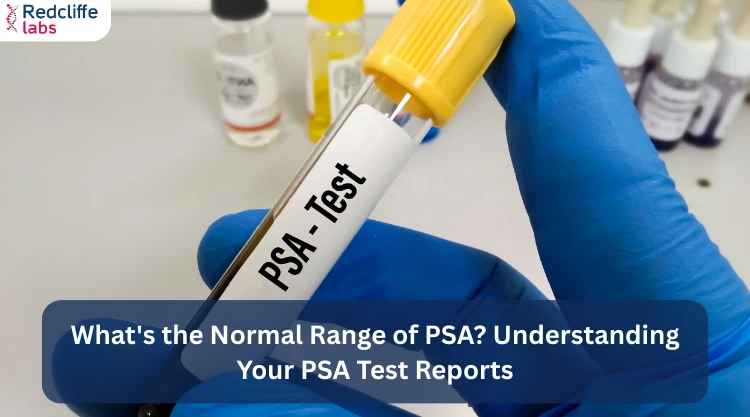
Have you ever wondered what your prostate health says about you?
A prostate-specific antigen, or PSA, is a blood test that checks how much PSA is in your blood. PSA is a protein your prostate gland produces. Everyone has some PSA, but too much may indicate prostate conditions such as enlargement, infection, or, in some cases, prostate cancer.
This blog helps you understand the normal range of PSA tests, what your results could mean, and when to see a doctor. This way, you can take charge of your prostate health without worry.
What is a PSA test, and what does it mean?
A PSA test checks for prostate-specific antigens in your blood sample. PSA is a protein that the prostate gland makes, located below the bladder in men. The prostate produces fluid and protects sperm. The test measures PSA levels, and can help indicate other prostate conditions, such as:
- Benign Prostatic Hyperplasia (BPH): It is a non-cancerous enlargement of the prostate.
- Prostatitis: Inflammation or infection of the prostate.
- Prostate Cancer: Elevated PSA levels may signal prostate problems, but a high PSA does not necessarily mean cancer, as other factors can cause increases.
What is the normal range of a PSA test?
The PSA blood test normal range may vary depending on the lab, age, and risk factors such as family history of prostate cancer. In general:
| Age Group | Normal PSA Level |
| 40-49 years | 0-2.5 ng/mL |
| 50-59 years | 0-3.5 ng/mL |
| 60-69 years | 0-4.5 ng/mL |
| 70+ years | 0-6.5 ng/mL |
Note: A PSA level under 4.0 ng/mL is considered within a typical range for most men. However, some men with levels lower than that might still have prostate cancer, and others with higher levels might not.
What do these levels mean for you?
If your test results show the normal PSA test range, it may mean:
- A low PSA level usually means your prostate is in good shape, which is a good sign.
- Younger men usually have very low PSA levels, which do not cause noticeable symptoms.
- Sometimes, if your prostate is underdeveloped, or after some treatments like medication or surgery, your PSA levels might be extremely low. But this usually isn't a cause for worry.
If your test reports show high PSA levels:
- A higher-than-normal PSA level could mean something is affecting your prostate. It may be enlarged (BPH), inflamed (prostatitis), or even cancer.
- A high PSA doesn’t always mean cancer. Factors like age, urinary tract infections, recent sexual activity, or even riding a bike can raise levels. Your doctor may order additional tests to find out the cause.
It is essential to know that an elevated PSA can be influenced by many things. Abnormal or high PSA levels can be a cause for concern. Always discuss your test results openly with your doctor for the best guidance.
What do you do if your levels are not in the normal range?
If your levels are lower or higher than the PSA blood test normal range, do not worry. Abnormal PSA test results indicate the need for further investigation. Here is what you can do:
1. Get lifestyle advice
Helpful lifestyle tips to manage abnormal PSA levels include:
- Eat a prostate-friendly diet: It may include tomatoes, green leafy vegetables, berries, nuts, and omega-3-rich foods. Avoid processed foods, meat, and high-fat dairy.
- Exercise regularly: Doing about 30 minutes of moderate exercise daily can help improve blood circulation and reduce inflammation.
- Manage a healthy weight: Maintain a healthy weight to support your body’s needs and prostate health.
- Stay hydrated: Drinking enough water supports urinary tract and normal prostate gland function.
- Avoid irritants before testing: Ejaculation, long-distance cycling, or vigorous lower-body activity should be avoided at least 48 hours before the test.
Lifestyle changes are not a substitute for medical treatment. They are a supportive measure that may help lower PSA over time.
2. When to see a doctor
1. You should see a doctor if you experience:
- Difficulty urinating
- Pain during urination
- Blood in urine
- Unexplained weight loss
2. If your PSA is elevated, consult your doctor for a full evaluation. Only they can interpret your results in the context of the PSA test for prostate cancer normal range and your overall health.
3. Your healthcare provider may also order additional tests, such as a digital rectal exam, ultrasound, or biopsy, to understand the cause.
Note: PSA test results must be discussed with your healthcare professional. They will consider your age, history, and symptoms to provide the most accurate diagnosis and advice.
FAQs
1. What is a normal PSA score by age?
The normal PSA score is up to 2.5 for men in their 40s and up to 6.5 for men over 70. Always discuss your test results with a doctor.
2. What is a high PSA for a 70-year-old man?
A high PSA for a 70-year-old man is usually above 6.5 ng/ml compared to the PSA test normal range for that age.
3. What is a normal PSA level for an enlarged prostate?
If you have an enlarged prostate, your PSA levels might be a little higher than usual. But if those levels are stable and you don't have any alarming symptoms, it usually indicates non-cancerous causes.
4. What level of PSA is too high?
A level above 10 ng/mL is usually considered too high and well above the normal range for the PSA blood test.
5. How to reduce PSA level?
Maintain a healthy weight, eat a balanced diet, exercise regularly, and follow medical advice to help keep PSA within the PSA test normal range.
6. What is the normal size of the prostate at the age of 70?
At 70, the prostate may naturally enlarge to about 35-40 grams, even if PSA stays within the normal range.
Final Takeaway
PSA test results give you a small glimpse into your prostate health. Knowing the PSA test normal range, staying informed, and talking to your doctor can help detect problems early. If the PSA levels are abnormal, it's not always cancer, but it does mean it's time to take action and safeguard your health.
Has your PSA been checked recently? Enter your numbers into our Test Value Evaluator to uncover what they could reveal about your prostate health.
Leave a comment
1 Comments
Malayendu Sarkar
Jan 5, 2026 at 11:36 AM.
PSA test showing 15.110
Myhealth
Jan 5, 2026 at 12:13 PM.
A PSA level of 15.110 ng/mL is high and above the normal range. It may indicate prostate inflammation, enlargement (BPH), infection, or prostate cancer. Consult a urologist promptly for further evaluation and confirmatory tests.