Serum Amylase Test: Price, Normal Range, Procedure 2026


Our body secretes hormones and enzymes that support different physiological functions. It plays a key role in digestion by converting starches into simple sugars. While trace amounts of amylase in blood and urine are considered safe, a drastic difference in the levels can indicate a lot of underlying complications.
The primary function of the amylase enzyme is to hydrolyze or break down the starch from ingested food into simple sugars for generating energy. Amylase is primarily made in the pancreas and in smaller amounts in the salivary glands.
The Serum Amylase test measures the amylase levels in the patient's bloodstream. Changes in amylase levels may indicate inflammation or other problems affecting the pancreas. This article will explore the serum amylase test, the procedure, normal values, and its significance.
What Is a Serum Amylase Test?
This test is a basic blood test that measures the amount of amylase enzyme present in the blood. When it comes to digestion procedure this enzyme plays an important role. It breaks down the complex carbohydrates from the food into sugar to give energy to the body. This is mainly produced from the pancerass so any change in its level can damage the pancreas by giving signs like inflammation or any kind of internal infection. Doctors generally recommend that people, if they re fcing any unexplained digestive pain issues, get an early diagnosis.
Why do you need to get a Serum Amylase Test?
Physiological findings suggest that 40% of the total amylase is produced in the pancreas. So, elevated levels in the bloodstream indicate complications with the pancreas.
Doctors often recommend this test for symptoms such as severe abdominal pain, vomiting, or persistent digestive discomfort. Your primary care doctor might prescribe a serum amylase test to rule out one of the following complications.
1. Pancreatitis
Acute pancreatitis, if left untreated, can prove fatal for the patient. The serum amylase test gives an idea about any possible inflammation in the pancreas. Pancreatitis can be acute and severe, or it can be chronic and prolonged.
This can lead to serious complications if left untreated.
Not just high levels, but even alarmingly low levels of amylase in the bloodstream indicate pancreatitis in the patient.
2. Cancer diagnosis
The serum amylase test is not used to diagnose cancer, but may show abnormal values in certain rare conditions.
The possibility of developing pancreatic cancer comes with chronic pancreatitis that’s either not diagnosed or treated. However, this is also a chance encounter, which means that not every patient with pancreatitis has the risk of developing pancreatic cancer. Your doctor might suggest getting a combination of amylase and lipase blood tests to rule out possible complications.
3. Other diseases
Besides these prevailing conditions, abnormalities in the serum amylase levels also indicate several associated diseases, including gastrointestinal and digestive disorders, appendicitis, pregnancy, mumps, gallbladder attacks, etc.
Important note: The serum amylase test alone cannot diagnose cancer. It may only raise suspicion and is always interpreted alongside clinical findings and other tests.
Serum Amylase Test – Preparation and Procedure
If your doctor prescribes a serum amylase test, ensure that you discuss the medications you are on. Certain medications like opiates, aspirin, cholinergic, etc., can alter amylase levels. So, make sure you consult with your doctor before undergoing the test.
For better and more precise results, your doctor might suggest preparing for the blood test before taking the medications for the day. Besides that, the patient doesn’t have to fast or abstain from drinking water before the procedure.
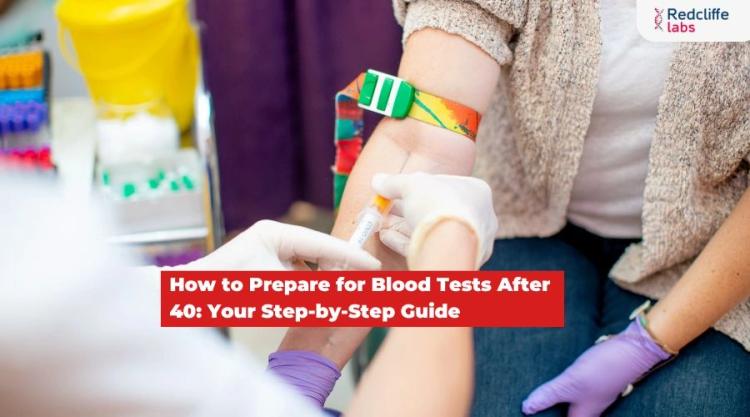
Also, since the blood is typically drawn from the visible vein in the forearm, wear comfortable and half-sleeved clothes for better access. Once you arrive at the laboratory or the hospital, you have to follow the steps mentioned:
- You will sit in the sample collection room in the laboratory or the hospital where you are getting tested.
- The phlebotomist will prep the blood collection site on your forearm with an alcohol pad and tie a tight band around the upper arm to restrict the blood flow to enhance blood pressure in the vein.
- A blood collection needle will be injected into the vein, and the required blood sample will be collected in a vial.
- The sample then goes for further testing and diagnosis.
Once done, you will be given a band-aid to apply over the syringe wound. You might be asked to keep your arm folded for a few minutes to prevent further bleeding.
What do the Serum Amylase test Results suggest?
The amylase normal range in a healthy individual is between 30 and 110 units per liter (U/L).
Depending on your physiological functions, the amylase levels might be very high, mildly high, or low. Both high and low amylase levels trigger and incite possible complications in the body.
Let us discuss the abnormal amylase levels and what they entail:
| Levels | Range | What does it indicate? |
| High levels of amylase | Over 110 units per liter (U/L) | -Acute or chronic pancreatitis -Ovarian cancer -Lung cancer -Mumps -Cholecystitis -Ectopic pregnancy -Gastroenteritis -Peptic ulcer -Tumors in salivary glands |
| Low levels of amylase | Less than 30 units per liter (U/L) | -Pancreatic cancer -Liver disorder -Renal disorder or failure -Preeclampsia |
Even mildly elevated amylase in the bloodstream can be an alarming sign. Abnormal results don’t always mean a serious illness. Your doctor will interpret the report based on symptoms and additional tests. Consider seeing your doctor for further treatment or advice.
Serum Amylase vs Lipase Test
| Test Name | What it shows | Why is it used |
| Serum Amylase | Detects early changes in pancreatic enzymes | Helpful for initial screening |
| Serum Lipase | More pancreas-specific and stays elevated longer | More accurate for diagnosing pancreatitis |
Because lipase is extremely specific to the pancreas and remains increased for a longer period of time, it is often more accurate in identifying pancreatitis. The serum amylase test is still helpful as an early screening method, though, particularly if symptoms are just beginning.
As these tests complement each other and give a more comprehensive picture of pancreatic health, clinicians frequently recommend both tests combined for the most accurate diagnosis.