HbA1c Blood Test: What It Means, Why It Matters & When to Get Tested

Medically Reviewed By
Dr. Mayanka Lodha Seth
Written By Sheena Mehta
on Jul 30, 2025
Last Edit Made By Sheena Mehta
on Jul 30, 2025
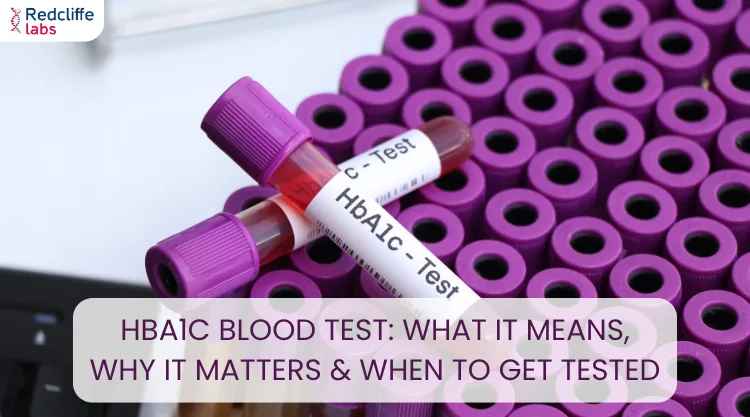
The HbA1C blood test is highly reliable for detecting or managing diabetes. Unlike common blood sugar tests, which only show your glucose level at that moment, the HbA1c test provides a broader view, indicating your average blood sugar level over the past 2 or 3 months.
If you have diabetes, prediabetes, or want to monitor your health, knowing your HbA1C level can be helpful.
In this guide, we'll cover what the HbA1C test is, how it works, what the results mean, when to get tested, and how Redcliffe Labs can help you stay in control of your health.
What is the HbA1C blood test?
HbA1c, which you might also hear called Hemoglobin A1c, glycated hemoglobin, glycosylated hemoglobin, or simple A1c, happens when glucose sticks to your hemoglobin. It occurs when your blood sugar is high; the sugar in your blood attaches to the hemoglobin in your red blood cells.
Since red blood cells stick around for about 4 months, an HbA1c blood test gives you a good idea of what your average blood sugar has been like for the past two or three months.
What is the Purpose of the HbA1C Test?
The HbA1c test is primarily used for:
- Diagnosing Diabetes and Prediabetes: It's a standard way to figure out if you have type 2 diabetes or prediabetes.
- Monitoring Diabetes: If you already have diabetes, this test shows how well your blood sugar is being managed. This helps you and your doctor tweak your treatment if needed.
- Screening High-Risk Individuals: If diabetes runs in your family, you're overweight, have high blood pressure, don't exercise much, or have had diabetes when pregnant, getting regular HbA1c tests can help detect early sugar level increases.
Also read: Hba1c Test Preparation
Who should take the HbA1C test?
Also referred to as the glycosylated hemoglobin, the test is ideally suggested to:
- People with symptoms: The test is ideally suggested for individuals with symptoms. These may include frequent urination, excessive thirst, unexplained weight loss, fatigue, blurred vision, and slow-healing wounds.
- High-risk groups: Healthcare professionals also suggest individuals over 35 who are at higher risk for obesity, a sedentary lifestyle, or a family history of diabetes.
- Monitoring in diagnosed patients: Those with prediabetes (HbA1c 5.7%-6.4%) should test every 1–2 years; diagnosed diabetics (HbA1c 6.5% or above) are advised to test every 3–6 months for effective management
How Does the HbA1C Test Work?
The HbA1c blood test gives you a bigger picture of your blood sugar levels over time. Unlike a random or fasting blood sugar (FBS) test, which can fluctuate depending on what you eat, how stressed you are, or the time of day, a test result can be more accurate.
This test measures the percentage of hemoglobin proteins in your blood that have glucose attached to them. It is because red blood cells last around three months, such as what you ate yesterday or short-term illnesses. So, it is a real indicator of your long-term blood sugar over time.
The Procedure
The HbA1C test is a simple blood test that typically takes just a few minutes.
- No fasting required: Unlike some other blood sugar tests, you don't have to fast before taking this blood sugar test.
- Sample collection: A small blood sample is taken from a vein or a finger prick. It typically takes just a few minutes.
What are the key benefits of the HbA1c blood test?
The key benefits of the test include:
- More reliable: Short-term variables like food intake cannot affect the test results, making it more reliable.
- Early diagnosis: The test helps in the early diagnosis of prediabetes before it progresses.
- Treatment evaluation: The test also shows if your diabetes medication or lifestyle changes are working. If needed, your doctor may adjust your medications or may refer you to a dietician for a more tailored meal plan.
- Lower complications: Improved HbA1C levels lower the chance of heart complications, nerve damage, kidney problems, and vision problems.
No matter the reason, if your healthcare provider suggests this glycated hemoglobin test, get yourself tested immediately. Regular follow-up helps track patterns and intervene early.
When should you take the HbA1C blood test?
You should take the test:
1. If you are at risk of diabetes: Consider an HbA1C blood test if you have:
- A family history of diabetes
- Obesity or high BMI
- Sedentary lifestyle
- High blood pressure or cholesterol
- PCOS or hormonal imbalances
2. If you are prediabetic
If your HbA1c is between 5.7% and 6.4%, that means you have prediabetes. The good news is that by eating better, exercising, and making lifestyle changes, you can reverse the condition.
3. If you have diabetes, get your HbA1c checked at least twice a year or every 3 months if:
- Medications are being adjusted
- You are not meeting glycemic targets
- You're trying new interventions
How to interpret HbA1c test results?
The table below includes general lab values for an HbA1C blood test. However, these lab values may vary depending on age, gender, pregnancy, or underlying conditions. Always consult your doctor for a better understanding of your test results.
| HbA1C (%) | Interpretation |
| Below 5.7% | Normal |
| 5.7% -6.4% | prediabetes |
| 6.5% or higher | Diabetes |
| <7% (varies by individuals) | Target for people with diabetes (ideal) |
Factors that can affect HbA1C levels
While the hemoglobin A1C test is accurate, certain conditions may affect your test results:
- Anemia or iron deficiency. This condition can falsely raise your HbA1C levels by affecting red blood cell turnover.
- Kidney or liver disease may interfere with hemoglobin metabolism, resulting in inaccurate test results.
- Recent blood transfusion: In this condition, new red blood cells are introduced, causing fluctuations in average glucose readings.
- Hemoglobin variants (e.g., sickle cell disease): This can affect the accuracy of the test due to altered hemoglobin structure.
What are the complications of high HbA1c?
If your A1C levels are consistently high, this can lead to serious health complications, such as:
- Heart disease: Consistently high HbA1c can damage blood vessels, which raises the chance of heart attacks and strokes.
- Neuropathy: High blood sugar can harm your nerves, causing pain, tingling, or numbness, mainly in your arms and legs.
- Retinopathy: Having high blood sugar for too long can damage the blood vessels in your eyes, which could make you lose your sight or even go blind.
- Kidney disease: High blood sugar over a long time can hurt your kidneys, and possibly lead to kidney failure.
- Slow wound healing: High glucose impairs the body's healing process, raising the risk of infections and complications.
How to lower your HbA1C levels?
If your HbA1C blood test report shows abnormal levels, don't panic. With consistent lifestyle modifications, you can bring them down significantly.
1. Eat Smart
To lower your HbA1c, make better food choices. Go for low-glycemic foods like whole grains, veggies, and legumes. They help keep your blood sugar steady. Stay away from refined carbs and sugary drinks; these can cause your glucose to skyrocket.
Additionally, increase your fiber intake to help your digestion and slow down sugar absorption, which helps control your blood sugar.
2. Stay hydrated
Drinking enough water helps keep your blood sugar in check. When you're hydrated, it allows the kidneys to flush out excess sugar and toxins from your body. This can help you control your HbA1c levels in the long run.
3. Exercise regularly
Doing exercise regularly is a great way to keep your HbA1c levels in check. Try to do at least 30 minutes a day, five days a week. A mix of cardio, lifting weights, and stretching can improve insulin sensitivity, help regulate blood sugar levels, and support overall metabolic health.
4. Manage stress
Persistent stress can raise your cortisol, which then might spike blood sugar and negatively impact your HbA1c. Yoga, meditation, deep breathing exercises, or mindfulness techniques can keep your blood sugar steady and support overall emotional and physical well-being.
5. Sleep well
Good sleep is super important if you want to keep your blood sugar in check. When you don't sleep well, your body has a tougher time dealing with glucose. Try to get around 7 to 9 hours of solid sleep every night. It can help with blood sugar and keep you feeling good overall.
The HbA1C Blood Test vs. Other Blood Sugar Tests
The key differences between them are as follows:
- HbA1C: The test is done to reflect average sugar levels over 2-3 months.
- Fasting blood sugar (FBS) or postprandial: The test shows single-point measurements influenced by recent diet, stress, or illness.
- Self-monitoring (finger prick): Checking your blood sugar with finger pricks is suitable for day-to-day control, but it doesn't provide as much information as an A1c test about your blood sugar over time.
How often do you get tested for HbA1C?
If you have diabetes, it's usually good to get it checked every 3 to 6 months. The A1c blood test helps keep tabs on your blood sugar and adjust your treatment if needed.
If you have prediabetes or are at a higher risk, like if diabetes runs in your family, you're overweight, or don't do much exercise, you should get tested every 1 to 2 years. This helps ensure early detection and prevention.
Additionally, your healthcare professional might suggest a test if there are significant changes in diabetes treatment or pregnancy.
Hence, routine monitoring helps prevent long-term complications through early detection and management.
Limitations and Considerations: Hemoglobin A1c
Certain medical conditions can affect the test results. These include anemia, blood disorders, such as thalassemia or sickle cell anemia, or if you've had a blood transfusion recently. If any of these apply to you, consult your doctor immediately.
The Role of Redcliffe Labs in HbA1C Blood Test
Redcliffe Labs is a leading Indian diagnostic provider with a strong mission: Giving India its right to quality diagnostics. With every test, we offer diagnostic services that deliver precise results, seamless convenience, and affordability.
6 Key Features that Make Testing Easier
- Affordable pricing: HbA1c test available for just INR 399, with home sample collection at no extra cost.
- Pan-India Presence: Redcliffe Labs offers diagnostic services across India, ensuring easy access to quality testing in both urban and remote areas.
- Fast Reporting: Accurate test reports are available within 11 hours so that you can discuss results with your doctor quickly.
- Easy booking: Call 898 898 87 87 or download the Redcliffe Labs mobile app and book the glycated hemoglobin test online within minutes; no waiting in long queues.
- Comprehensive Test Packages: Redcliffe Labs offers diabetes profiles, full body checkups with free HbA1c, and more.
Whether you're tracking your diabetes or just being proactive about your health, Redcliffe Labs brings world-class diagnostics to your doorstep.
How can you prepare for the test?
There is no special preparation needed for the Hemoglobin A1c test. This means eat your regular meals and stay hydrated before the test to make the blood draw easier. Avoid alcohol and intense exercise to help avoid hormone fluctuations.
Additionally, you can continue prescribed medication unless otherwise directed. Discuss your doubts about test preparation to improve the accuracy of the test results.
What to Expect: The Testing Process at Redcliffe Labs
A trained phlebotomist arrives at your home with a blood collection tube at the scheduled time for sample collection. The sample is analyzed in a world-class lab facility. You can check your reports online or via WhatsApp.
Consult your doctor to understand your test results, plan any next steps if needed, and keep up with regular testing.
Conclusion
The HbA1C is more than just a number; it helps to prevent, diagnose, and effectively manage diabetes. It's accurate, easy, and doesn't cost a ton, especially since Redcliffe Labs is working to give excellent healthcare to over 70 lakh Indians.
Knowing your A1c level helps you manage your health, decide what's best for you, and work with your doctor to improve your health.
FAQs
1. What's the HbA1c test for?
The HbA1c blood test shows your average blood sugar level over the last 2 or 3 months. It helps doctors find out if you have diabetes, monitor your blood sugar levels, and see if your treatment is working.
2. Do I need to fast before the test?
No. Fasting is not required for an HbA1c test. You can take the test as directed by your doctor to receive the most accurate test results.
3. What is a normal HbA1c level?
A normal HbA1c level is below 5.7%; levels between 5.7% and 6.4% indicate prediabetes, while 6.5% or higher suggests diabetes.
4. How frequently should I get the test done?
If you have diabetes, you should get tested every 3 to 6 months. If you're at risk or managing prediabetes, your doctor may recommend testing once or twice a year.
5. Can lifestyle modifications reduce HbA1c levels?
Yes. Healthy eating, staying physically active, proper hydration, stress management, and good sleep can help lower HbA1c levels naturally.
6. Are there any side effects of the test?
The sugar test is safe and straightforward with no significant side effects. You may feel slight pain, bruising, or discomfort at the injection site, but it usually goes away quickly.
7. Can I take the test at home?
Yes. Redcliffe Labs offers a home sample collection for your HbA1c test, making the process more convenient and accessible.
8. What factors can impact the accuracy of the test results?
Certain conditions, like anemia, kidney or liver disease, recent blood transfusions, or hemoglobin disorders, can impact test results.
9. What is the cost of the test?
The HbA1c blood test price at Redcliffe Labs is just INR 399. Schedule your test online, through the app, or by calling.