High Triglycerides Symptoms: Signs, Causes, Risks & When to Get Tested


In India, nearly 25-30% of urban adults have high cholesterol, and the numbers keep rising in major cities. According to studies, lipid disorders remain one of the leading contributors to heart disease worldwide. Even most people live with high triglyceride levels without knowing it. The concerning part? This condition often shows no clear symptoms in the early stages. Most people discover it only after routine blood tests or when complications appear.
But what exactly is a triglyceride? Triglycerides are a type of fat present in your blood. Your body needs them for energy, but when levels rise too high, they quietly increase your risk of serious health problems like heart disease, stroke, and pancreatitis.
In this blog, you will learn about the symptoms of high triglycerides, their causes, and the risks. This information will help you take timely action to prevent serious complications.
What Are Triglycerides? And Why High Levels Are a Concern
Triglycerides are a type of lipid (fat) found in your blood. When you eat, your body converts excess calories, especially those from sugar and refined carbohydrates, into triglycerides. It stores them in fat cells and releases them when your body needs energy.
How Are Triglycerides Different from Cholesterol?
People often confuse triglycerides with cholesterol, but they play different roles:
- Triglycerides store unused calories and provide energy
- Cholesterol helps build cells and produce hormones
Both are important, but high levels of either can harm your health.
What level of triglycerides is dangerous?
Triglyceride levels of 500 mg/dL or higher are considered "very high" or dangerous, significantly increasing the risk of acute pancreatitis and heart disease. High triglyceride levels often develop silently but can lead to serious health issues:
- Increased risk of heart disease and stroke: High triglyceride levels may lead to plaque buildup in arteries and may increase the risk of cardiovascular disease.
- Risk of pancreatitis: Extremely high levels can inflame the pancreas and may cause severe abdominal pain and complications.
- Link with metabolic syndrome: High triglycerides are linked with metabolic disorders such as obesity, high blood pressure, and diabetes.
- Silent progression: Most people do not notice symptoms until levels become very high.
Also read: What is High Cholesterol? Symptoms of High Cholesterol
What Causes High Triglycerides?
Several lifestyle and medical factors can increase triglyceride levels. Understanding these causes helps you take preventive action early.
- Unhealthy Diet: A diet high in sugar, refined carbohydrates, and fried foods directly raises triglyceride levels. Regularly reducing or stopping the intake of sugary items, white bread, and fried snacks can lead to excess fat buildup in the blood.
- Obesity or Overweight: Excess body weight, especially around the abdomen, is strongly linked with high triglycerides.
- Lack of Physical Activity: A sedentary lifestyle slows down metabolism and increases fat accumulation.
- Excess Alcohol Intake: Alcohol contains high calories and sugars, which increase triglyceride production.
- Smoking: Smoking damages blood vessels and worsens the triglyceride levels in the body.
- Medical Conditions: Certain health conditions may also increase triglyceride levels, such as diabetes, hypothyroidism, and kidney diseases.
- Genetic Factors: Some people inherit conditions that cause very high triglyceride levels, even with a healthy lifestyle.
Medical conditions that can raise your triglycerides
Many medical conditions can increase your triglyceride levels. These include:
- Nephrotic syndrome.
- Overweight or obesity.
- Rheumatoid arthritis.
- Kidney disease.
- Liver disease.
- Lupus.
- Diabetes.
- Hypothyroidism.
- Insulin resistance.
- Metabolic syndrome.
Women have additional risk factors. These include:
Medications that can raise your triglycerides
Certain medications can cause elevated triglycerides. These include:
- Corticosteroids
- Tamoxifen
- Thiazides
- Cyclophosphamide
- Antipsychotic drugs (second-generation) such as clozapine and olanzapine.
- Antiretroviral (ART) protease inhibitors
- Beta-blockers (nonselective)
- Oral estrogen
If a medication raises your triglycerides, consult your doctor; they may adjust your medication doses or switch you to another medication.
Symptoms of High Triglycerides (Hypertriglyceridemia)
High triglycerides often develop silently. You may not notice any visual changes in the early stages. However, as levels rise or remain high for an extended period, your body begins to show warning signs. Here are some:
1. No Symptoms in Early Stages
High triglycerides usually do not cause any obvious symptoms at first. This is why many people discover the condition late and only through routine blood tests. This makes regular health checkups important.
2. Fat Deposits Under the Skin (Xanthomas)
You may notice small, yellowish fatty deposits under your skin. These bumps often appear on the elbows, knees, back, or around the eyes. They indicate very high triglyceride levels.
3. Abdominal Pain
Very high triglyceride levels can inflame your pancreas. This condition, called pancreatitis, causes severe abdominal pain. You may also experience nausea, vomiting, and stomach tenderness.
4. Fatty Liver Symptoms
High triglycerides can lead to fat buildup in your liver. You may feel discomfort in the upper right abdomen. Some people experience fatigue or mild swelling due to liver stress.
5. Chest Pain or Heart Symptoms
High triglycerides increase your risk of heart disease. You may feel chest pain, shortness of breath, or discomfort during physical activity if the arteries become affected.
6. Fatigue
Your body struggles to manage fat properly when triglycerides rise. This may leave you feeling tired or low on energy, without a clear reason.
7. Vision Changes (Rare)
Extremely high triglyceride levels may also affect your vision. It can affect blood vessels in your eyes. In severe cases, you may notice blurred vision or eye discomfort.
8. Obesity and Related Signs
High triglycerides are often linked with obesity and metabolic syndrome. You may notice weight gain, especially around your waist, along with high blood sugar or blood pressure.
Do not wait for symptoms to appear. Get your lipid profile tested regularly, especially if you have diabetes, obesity, or a family history of heart disease.
Also read: How to Improve Your Cholesterol?
How High Triglycerides Are Diagnosed
Your doctor may first diagnose you physically based on your symptoms. The healthcare provider will ask you about your health conditions to understand your health. They will ask you about-
your family history of heart diseases, high cholesterol, and high triglycerides, lifestyle factors (like alcohol and tobacco use), medical history, and medications you're taking.
Based on your symptoms, they will identify possible causes of hypertriglyceridemia. It'll also help your provider learn about your cardiovascular risk.
Testing to diagnose hypertriglyceridemia
Doctors diagnose high triglycerides with a simple blood test. The process is quick and helps detect the condition early.
- 1. Lipid Profile Blood Test: Doctors use a lipid profile test to measure triglyceride levels in your blood. This test also checks cholesterol levels, including LDL (bad cholesterol) and HDL (good cholesterol).
- 2. Fasting Requirement: The test requires you to fast for 8-12 hours before the test.
- 3. Understanding Test Results: Your triglyceride levels fall into these ranges:
Normal vs High Triglyceride Levels
A simple blood test called a lipid profile measures your triglyceride levels:
- Normal: Less than 150 mg/dL
- Borderline High: 150–199 mg/dL
- High: 200–499 mg/dL
- Very High: 500 mg/dL and above
Higher levels increase your risk of heart disease and pancreatitis.
If your triglyceride levels are high, your doctor may recommend some additional tests, such as blood sugar, LFT, KFT, and thyroid tests, to identify the underlying cause. Doctors recommend regular testing if you have diabetes, obesity, or a family history of heart disease. Monitoring helps track your progress and adjust treatment when needed.
Read more: How and When to Have Cholesterol Checked?
What is the best treatment for hypertriglyceridemia?
To maintain the high triglycerides symptoms, make some changes in your lifestyle, medications, and manage the underlying causes of your high triglycerides.
Lifestyle Changes to Lower Your Triglycerides
You can lower triglycerides with simple daily habits. Small changes in diet, activity, and routine can make a big difference in your overall health.
- Improve Your Diet
Eat healthy and balanced meals every day.
Foods to Avoid
- Sugary drinks and desserts
- Processed foods
- Fried and oily foods
- Excess alcohol
Foods to Include
- Fresh fruits and vegetables
- Whole grains
- Omega-3-rich foods like fish and flaxseeds
- Nuts and seeds
A clean diet helps your body better control fat levels.
- Reduce Sugar Intake: Limit your daily intake of sugar. Sugary drinks, desserts, and packaged foods can raise triglycerides quickly. Replace them with natural options, such as fruits and water.
- Stay Physically Active: Manage your weight by exercising for 30 minutes daily. You can do activities, such as walking, cycling, or jogging, most days of the week. Regular physical activity helps lower triglycerides and improve heart health.
- Limit Alcohol Consumption: Reduce or avoid alcohol. Alcohol can significantly increase triglyceride levels, especially in some individuals. Cutting back helps control your levels faster.
- Choose Healthy Fats: Replace unhealthy fats with olive oil and include nuts, seeds, and fish in your diet. Avoid trans fats and limit saturated fats.
- Quit Smoking: Stop smoking to improve overall health. Smoking affects your metabolism and increases your risk of heart disease. Quitting helps improve lipid levels and circulation.
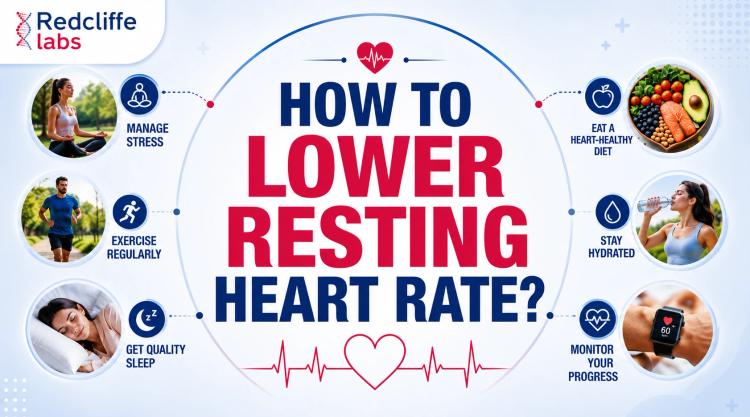
- Manage Stress: Practice healthy habits to control stress. Practice yoga, meditation, or deep breathing. High stress can affect your eating habits and overall health, indirectly raising triglycerides.
- Follow Medical Advice: Take any prescribed medicines. Doctors may suggest medication if lifestyle changes are not enough. Always follow your doctor's advice and monitor your levels regularly.
Read more: 10 High-Cholesterol Foods: What to Eat and What to Avoid.
Key Takeaways
So, now you know how it feels when you have high triglyceride levels. You may not know all of a sudden, but the symptoms will appear as the condition develops. The good news? You can manage and even reverse high triglyceride levels with the right lifestyle changes and timely testing.
Do not wait for symptoms. Take a proactive step toward better health. Regular screening, balanced nutrition, and an active lifestyle can protect you from long-term complications.
FAQ's
1. How can I lower my triglycerides quickly?
To lower your triglyceride levels quickly, reduce your sugar intake and stop consuming refined carbs and alcohol. Eat healthy foods, exercise daily, and lose excess weight. Always follow your doctor's advice, take regular health checkups, and take prescribed medicines if needed.
2. What happens when your triglycerides are high?
High triglycerides increase your risk of heart disease and stroke. They can also cause fatty liver and pancreatitis in severe cases. You may not notice symptoms early, so regular testing helps detect and manage the condition.
3. What blood test shows high triglycerides?
A lipid profile blood test shows triglyceride levels. This test also measures cholesterol levels, including LDL and HDL.
4. Is 700 high for triglycerides?
Yes, a triglyceride level of 700 mg/dL is very high. It increases the risk of pancreatitis and heart problems. You should seek medical advice immediately and start treatment, along with lifestyle changes, to safely lower your levels.
5. What is a good triglyceride level by age?
A normal triglyceride level for adults is below 150 mg/dL. Doctors focus on overall health and risk factors rather than age alone when evaluating triglyceride levels and may recommend lifestyle changes.
6. What is the biggest cause of high triglycerides?
Poor diet is the biggest cause of high triglycerides. Eating excess sugar, refined carbs, and unhealthy fats increases levels. Lack of exercise, obesity, alcohol intake, and certain medical conditions also contribute to high triglycerides.