Why Does Thyroid Occur More In Females?

Medically Reviewed By
Dr Divya Rohra
Written By Kirti Saxena
on Feb 3, 2024
Last Edit Made By Kirti Saxena
on Jan 7, 2025
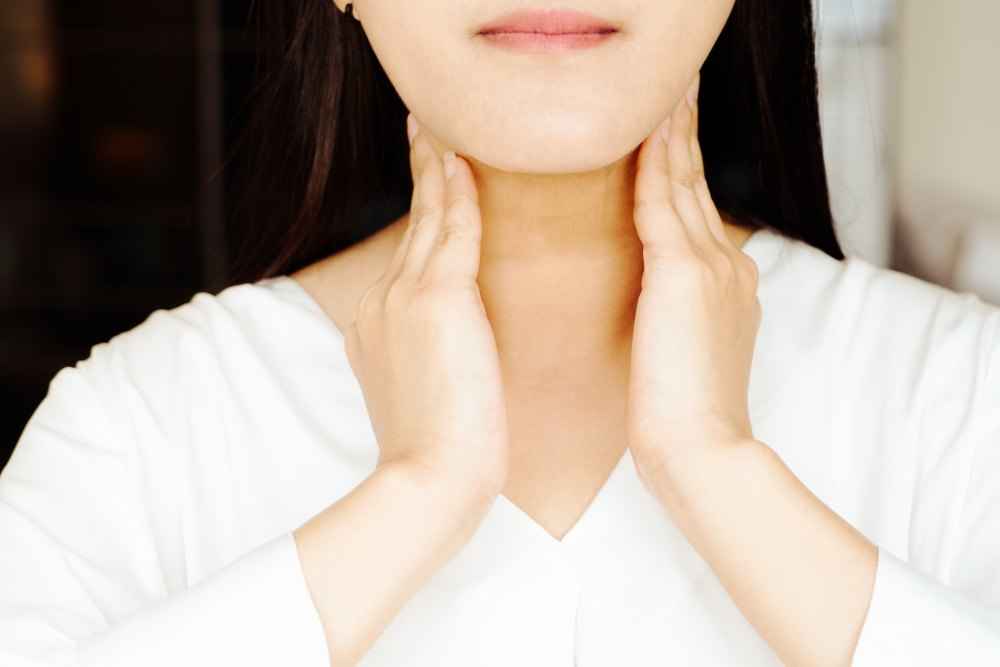
Women are 5 to 8 times more likely than men to experience thyroid disorders, especially hypothyroidism (underactive thyroid) and autoimmune thyroid diseases like Hashimoto’s thyroiditis. Also, one woman in eight will develop a thyroid disorder during her lifetime. But what is the exact reason? Women’s bodies undergo significant hormonal changes throughout life, from puberty to pregnancy and menopause. These fluctuations can impact the thyroid’s function, making them more susceptible to imbalances. Symptoms like fatigue, weight changes, sensitivity to cold or heat, irregular periods, mood swings, hair loss, muscle weakness, and difficulty concentrating all indicate thyroid issues. Talk to your doctor and get the thyroid profile test if you experience any of these symptoms, especially if they persist or worsen. Here in this article, we will understand why women are more susceptible to developing thyroid disease.
What is the role of the Thyroid gland in females?
The thyroid gland influences women’s health in numerous aspects. Here is what the thyroid gland does in females-
- Hormonal Balance- It produces thyroxine (T4) and triiodothyronine (T3), hormones that regulate metabolism, heart rate, body temperature, and energy levels.
- Metabolism and Weight Control- The thyroid hormone controls how efficiently your body burns calories and utilizes energy. The proper functioning of the thyroid gland helps to maintain a healthy weight and supports energy levels throughout the day.
- Reproductive Health- It helps regulate ovulation, egg quality, and hormone production necessary for conception.
- Mental and Emotional Well-being- This influences brain functioning and controls your mood, cognitive function, and emotional regulation.
The thyroid hormones are crucial to maintaining healthy bone, skin health, hair growth, and overall cellular function. They also contribute to maintaining a strong immune system and cardiovascular health.
What Causes Thyroid in Females?
Women’s bodies undergo a lot of changes throughout life, from puberty to pregnancy and menopause. However, certain factors increase the risk of thyroid issues in females. Let’s see what are some of the most important causes-
- Hormonal Fluctuations- Changes in hormone levels affect thyroid functioning and increase the risk of thyroid disorders in females.
- Autoimmune Diseases- Women are more prone to autoimmune diseases when the immune system mistakenly attacks healthy tissues. Hashimoto’s thyroiditis is a common autoimmune condition in which the immune system targets the thyroid gland and causes hypothyroidism.
- Genetic – There might be certain genetic issues that contribute to thyroid disorders.
- Iodine Deficiency- Iodine is essential for producing thyroid hormones, and its deficiency can cause hypothyroidism.
- Stress- A stressful lifestyle can disrupt the body’s hormonal balance, affecting thyroid functioning and leading to thyroid disorder.
- Family history- A family history of thyroid disease increases your risk of developing it.
How Does Thyroid Affect a Woman’s Body?
The function of the thyroid gland is to regulate metabolism by producing hormones (T3 and T4) and maintaining proper health and balance. Here is how thyroid issues affect women’s health
- Puberty and menstruation- Both hypothyroidism and hyperthyroidism thyroids can disrupt the puberty and menstrual cycle, leading to irregular periods, heavy bleeding, or even complete absence of periods (amenorrhea).
- Reproduction- Thyroid hormones play a vital role in ovulation and egg quality. Hypothyroidism can make it difficult to conceive, while hyperthyroidism can increase the risk of miscarriage.
- Pregnancy and postpartum- Thyroid disorder during pregnancy can pose a risk to both the mother and fetus. Hypothyroidism can lead to pregnancy complications like preeclampsia and gestational diabetes, while hyperthyroidism can increase the risk of miscarriage and premature birth.
- Menopause- Thyroid disorders can cause the symptoms of early menopause (most probably before 40s or in the early 40s). This can cause symptoms like fatigue, weight changes, mood swings, sleep disturbances, and hot flashes.
- Weight changes- Depending on the type of thyroid disorder, overactive or underactive, women may experience sudden weight gain or face difficulty losing weight.
- Body temperature- Hypothyroidism can make you feel cold even in warm temperatures, while hyperthyroidism can cause excessive sweating and heat intolerance.
- Skin and Hair- Thyroid disorder can cause dry skin, hair loss, and brittle nails.
- Fatigue and Energy Levels- Both hypothyroidism and hyperthyroidism can reduce your energy, making it difficult to perform daily tasks.
- Mood and Mental Health- Research shows that women with thyroid disorders face anxiety, depression, and difficulty concentrating issues.
- Heart Health- Hyperthyroidism can put a strain on the heart and can increase the risk of arrhythmias, heart palpitations, and other cardiovascular complications.
Common Signs and Symptoms of Thyroid in Women
The malfunctioning in the thyroid gland can lead to a variety of symptoms, including-
Hypothyroidism (underactive thyroid)
- Fatigue and tiredness
- Weight gain
- Dry skin and hair
- Sensitivity to cold
- Muscle weakness and cramps
- Heavy or irregular menstrual periods
- Brain fog and depression
Hyperthyroidism (overactive thyroid)
- Weight loss
- Rapid heartbeat
- Anxiety and irritability
- Tremor
- Sweating
- Irregular menstrual cycle
- Changes in bowel movements
- Feeling sensitive to heat
Not everyone with thyroid disorder experiences the same symptoms. If you’re concerned about your thyroid health, it’s important to see a doctor for diagnosis and treatment.
Also read- Top 15 Thyroid symptoms in Females: Do you need a thyroid test
Women, It’s time to take Charge of Your Thyroid Health
The thyroid gland controls energy, mood, and even your heart rhythm. It also plays a crucial role in regulating metabolism, body temperature, and heart rate. It produces hormones like thyroxine (T4), triiodothyronine (T3), and Calcitonin. However, women are more susceptible to thyroid issues than men due to hormonal fluctuations, autoimmune tendencies, and genetic factors.
Consult your doctor and take a regular thyroid profile test to monitor thyroid function, especially during pregnancy or menopause, or if you experience any concerning symptoms. Early diagnosis and proper management of thyroid hormones are crucial for managing symptoms and preventing the risk of complications. Moreover, based on your symptoms, your doctor might advise you to maintain a healthy lifestyle with a balanced and nutrient-rich diet, regular exercise, and stress management. By understanding the vital role of the thyroid in a woman’s health, you can empower yourself to prioritize its well-being and live a happy, healthy life.