Pancreas Function: What This Small Organ Does and Why It Matters for Your Health

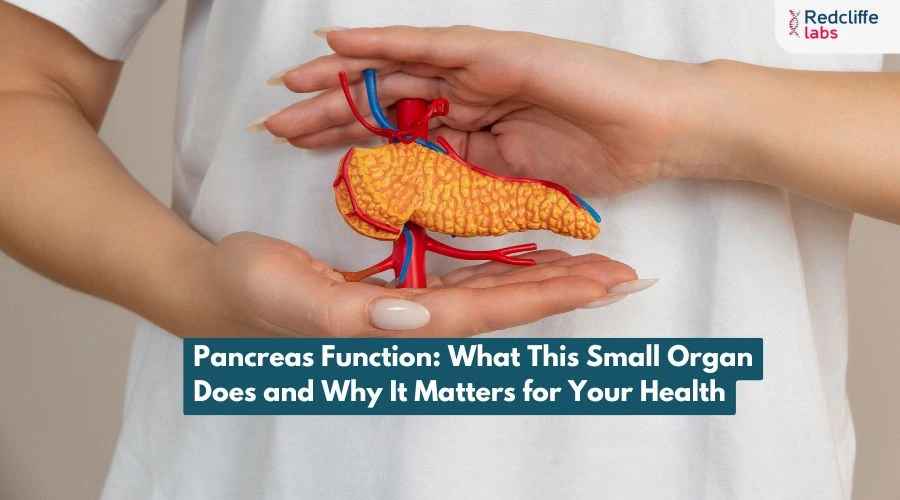
You probably have never given much thought to your pancreas until something goes wrong. While the heart pumps blood and the lungs help you breathe, the pancreas quietly performs two essential jobs at the same time. If you have ever wondered why people with diabetes need insulin, or why a doctor checks your blood sugar, the pancreas takes center stage in the answer.
This blog is a detailed guide to what the pancreas is, its functions, pancreatic diseases, and more.
What is the pancreas, and where is it located?
The pancreas is a large, tadpole-shaped gland located deep inside the abdomen, behind the stomach. It is about the size of your hand, roughly 15 centimeters long. It does not announce itself, but every single time you eat a meal, your blood sugar changes slightly, and your pancreas helps keep your body in balance.
Pancreas anatomy
Parts of the pancreas include:
- Head: The larger portion of the pancreas that lies within the curve of the duodenum.
- Neck: The short segment of the pancreas extending from the head.
- Body: The central segment of the pancreas lying between the head and neck.
- Tail: The thinnest part of the pancreas situated near the spleen.
Pancreas Function: Understanding Its Two Main Roles
There are two main functions of the pancreas in the body.
Exocrine Function of the Pancreas: Supporting Digestion
The exocrine function refers to the pancreas’ role in digestion. Approximately 95% of the pancreas is made up of exocrine tissue. The exocrine cells of the pancreas produce digestive enzymes, including:
- Trypsin and chymotrypsin, which help digest proteins
- Amylase, which helps digest carbohydrates
- Lipase, which helps digest fats.
When food enters the stomach and small intestine, these pancreatic juices are secreted through a network of ducts that drain into the main pancreatic duct. This duct joins the common bile duct and opens into the duodenum through the ampulla of Vater. The common bile duct carries bile produced by the liver and stored in the gallbladder; together with pancreatic enzymes, it aids digestion.
Endocrine Function of the Pancreas: Regulating Blood Sugar
The pancreas also contains an endocrine component-groups of islet cells (islets of Langerhans) that produce and secrete vital hormones into the bloodstream. These include three major hormones involved in blood glucose regulation:
- Insulin lowers blood glucose levels.
- Glucagon raises blood glucose levels when they become too low.
- Somatostatin regulates the release of other hormones.
These hormones are essential for maintaining normal blood glucose levels and supporting the proper functioning of the brain, kidneys, liver, and other organs.
Why Is Pancreatic Function Important?
The functions of the pancreas include aiding digestion and regulating blood sugar levels. It is crucial that this organ performs normally because the pancreas:
- Helps produce digestive enzymes that break down fat, protein, and carbohydrates.
- Aids in the secretion of insulin and glucagon to keep healthy blood sugar levels.
- Allows the body to absorb nutrients, ensuring the body receives vitamins, minerals, and energy from food.
- Avoids malnutrition and unintended weight loss caused by poor digestion.
- Assists in the production of energy by helping cells utilize glucose efficiently.
- Aids in keeping a healthy metabolism, which impacts almost all organs of the body.
- Lowers the risk of diabetes-related complications, such as eye, kidney, nerve, and heart problems.
- Helps to digest food properly without bloating, diarrhea, or fatty stools.
- Helps the body adapt to fasting and meals by balancing blood glucose levels.
- Contributes to well-being and survival, as both digestion and blood sugar regulation are life-sustaining processes.
Even mild impairment in pancreatic function can affect digestion, nutrient absorption, energy levels, and long-term metabolic health.
Normal Pancreatic Enzymes Levels
When a doctor suspects a pancreatic problem, they often check blood levels of two enzymes:
| Enzyme | Normal Range |
| Amylase | 23 - 85 U/L (units per litre) |
| Lipase | 0 - 160 U/L |
The pancreatic enzyme range may vary slightly between laboratories. Always interpret results with the help of your doctor.
Common Pancreatic Conditions and Disorders
Several conditions and disorders can interfere with the pancreatic function:
1. Acute Pancreatitis
Acute pancreatitis refers to the sudden inflammation of the pancreas. Recurrent inflammation may eventually lead to chronic pancreatitis.
Common causes include:
- Gallstones
- Heavy or long-term alcohol consumption
- Certain medications
- High triglyceride levels
- infections
Chronic Pancreatitis
In cases where inflammation persists year after year, permanent damage is done to the pancreatic tissues. There will be insufficient production of enzymes and hormones, leading to poor digestion and diabetes.
Risk factors include:
- Heavy or long-term alcohol use
- Smoking
- Autoimmune conditions
- Hereditary or genetic factors
2. Type 1 and Type 2 Diabetes
Both type 1 and type 2 diabetes are associated with an effect on pancreatic function.
- Type 1 diabetes: The patient’s immune system attacks the beta cells that secrete insulin, causing the pancreas to stop producing it altogether.
- Type 2 diabetes: It is a condition in which the pancreas still secretes insulin, but the body is resistant to it, and insulin secretion eventually declines.
According to the World Health Organization (WHO), over 422 million people worldwide live with diabetes, the vast majority with Type 2.
3 Hyperglycemia (high blood sugar)
Hyperglycemia occurs when there is not enough insulin or the body cannot use insulin effectively. Excessive glucagon can also cause high blood sugar. Hyperglycemia is common in patients with diabetes and can lead to organ damage.
Symptoms may include:
- Frequent urination
- Increased thirst
- Blurred vision
- Fatigue
- Unexplained weight loss
4. Hypoglycemia (low blood sugar)
Hypoglycemia develops when blood sugar levels are too low, usually due to too much insulin or the effects of certain diabetes medicines. There are cases wherein insulinoma tumors may cause hypoglycemia.
Symptoms may include:
- Shaking or trembling
- Sweating
- Hunger
- Dizziness
- Confusion
- Rapid heartbeat
5. Pancreatic Cancer
Many people with pancreatic cancer develop exocrine pancreatic insufficiency, leading to poor digestion and malabsorption.
Symptoms may include:
- Weight loss
- Loss of appetite
- Indigestion
- Fatty stools
6. Exocrine Pancreatic Insufficiency (EPI)
The pancreas's inability to produce sufficient digestive enzymes leads to malabsorption of nutrients. This can cause malnutrition, weight loss, bloating, diarrhea, and fatty stools (steatorrhea).
Signs and Symptoms of Poor Pancreas Function
Because the pancreas is internal and largely silent, many people miss early warning signs. See a doctor if you notice:
- Persistent pain in the upper abdomen that radiates to the back
- Feeling of nausea or vomiting after eating
- Unexplained weight loss despite eating properly
- Oily, pale, or foul-smelling stools
- Increased thirst and urination
- Fatigue
- Loss of appetite
- Yellowish skin or eyes (jaundice)
These symptoms do not always indicate a serious condition, but they signify a prompt medical evaluation.
How Are Pancreatic Disorders Diagnosed?
Doctors use several tools to assess how well the pancreas is working:
1. Blood Tests
They help measure:
- Amylase levels
- Lipase levels
- Blood sugar levels
- Liver function markers
2. Stool Tests
They check for:
- Undigested fat
- Measures fecal elastase (a pancreatic enzyme found in stool)
3. Imaging Tests
Doctors may use:
- Ultrasound
- CT scan
- MRI scan
- Endoscopic ultrasound (EUS)
How to Keep Your Pancreas Healthy?
Prevention and lifestyle habits make a significant difference in long-term pancreatic health. The following steps are backed by research and widely recommended by gastroenterologists:
1. Diet and Nutrition
- Choose foods rich in fruits, vegetables, whole grains, and lean proteins.
- Limit unhealthy fats and processed foods, which can raise triglyceride levels.
- Aim to drink at least 8-10 glasses of water every day.
- Avoid binge eating to not put extra demand on the pancreas.
2. Lifestyle Choices
- Limit or avoid alcohol. It is a leading cause of both acute and chronic pancreatitis.
- Stop smoking as it can significantly increase the risk of pancreatic cancer and chronic pancreatitis.
- Maintain a healthy weight. Staying obese can lead to insulin resistance and pancreatic stress.
3. Medical Monitoring
- If you have diabetes, manage your blood sugar consistently.
- Get regular health checkups that include blood glucose testing, especially if you have a family history of diabetes or pancreatic disease.
- Report any persistent digestive symptoms such as bloating, fatty stools, or unexplained weight loss to your doctor early.
Conclusion With Recommendations
The pancreas plays a vital role in digestion and blood sugar regulation. Proper functioning of the pancreas ensures the adequate supply of nutrients to the body and balanced glucose levels. Pancreatic diseases can affect metabolism and digestion, but many conditions can be managed effectively with early diagnosis and healthy lifestyle habits.
Health checkups and timely lab tests will help to diagnose pancreas-related disorders. Redcliffe Labs offers several blood tests that could help doctors evaluate pancreatic health and monitor related conditions.
Important Facts:
- The pancreas assists in digestion and in regulating blood sugar.
- This gland produces enzymes and hormones, such as insulin.
- Pancreatitis, diabetes, and pancreatic insufficiency can affect its function.
- Abdominal pain, unexplained weight loss, and fat-containing stools are warning signs that require immediate medical attention.
- Healthy eating, no smoking, and no alcohol consumption can contribute to pancreatic health.
FAQs
-
What is the primary function of the pancreas?
There are two main functions of the pancreas. It has an endocrine function, secreting hormones like insulin to control blood sugar levels, and an exocrine function, producing digestive enzymes to help digest nutrients in our body, such as carbohydrates and fats. Together, these functions support digestion, nutrient absorption, energy production, and overall metabolic health.
-
What happens if the pancreas does not function properly?
If the pancreas does not function effectively, the patient may experience difficulty digesting food and absorbing nutrients. This may lead to weight loss, diarrhea, and poor nutrition. Low insulin levels lead to high blood sugar and diabetes. Pancreatitis and pancreatic cancer, among other conditions, affect the function of the pancreas and overall health.
-
Which hormone is produced by the pancreas?
The endocrine functions of the pancreas include producing hormones that regulate blood sugar and metabolic activities. The hormones insulin and glucagon lower and raise blood glucose levels, respectively. The pancreas also produces somatostatin and pancreatic polypeptide, which help regulate digestive and metabolic hormones.
-
Can pancreas function improve naturally?
In some cases, pancreatic problems can be treated by making lifestyle changes. Adopting a well-balanced diet, quitting smoking and drinking alcohol, maintaining an ideal body weight, and exercising are some ways to support pancreatic health. However, conditions such as diabetes or chronic pancreatitis may require ongoing medical treatment and monitoring.
-
Which tests are used to evaluate pancreas function?
Doctors use different tests to assess pancreatic function, depending on the symptoms and suspected disease. Some of the blood tests that may be used include tests for amylase, lipase, and glucose. These tests are meant to detect inflammation and diabetes, respectively. Imaging tests, including ultrasound, CT scans, and MRI, evaluate structural abnormal