Electrolyte Imbalance: Recognizing the Symptoms, Causes, and Solutions

Medically Reviewed By
Dr. Mayanka Lodha Seth
Written By Kirti Saxena
on May 24, 2025
Last Edit Made By Kirti Saxena
on Jul 19, 2025
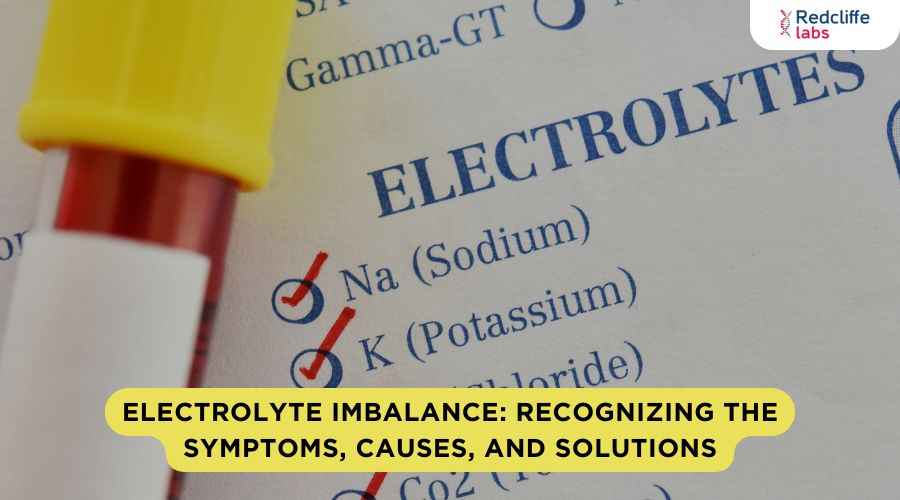
Have you ever felt tired, dizzy, or cramped and wondered what was happening? It might not be stress or dehydration, but an electrolyte imbalance.
What is electrolyte imbalance?
Electrolytes are crucial for your body to function properly. They keep your heart beating steadily, help your muscles contract, and more.
An electrolyte imbalance occurs when certain mineral levels in your blood get too high or too low. Depending on the severity and electrolyte type, symptoms of an electrolyte imbalance include weakness and muscle spasms. However, doctors may suggest electrolyte tests to determine the electrolyte levels.
In this blog, we will explore electrolytes, why they matter, how imbalances occur, what symptoms to watch for, and, most importantly, how to fix them at home. Whether you're a fitness enthusiast, someone with a chronic condition, or just trying to stay healthy, this guide will help you understand electrolyte imbalance.
Role of Electrolytes
Electrolytes are crucial minerals that carry an electric charge when dissolved in blood, sweat, and urine. They are critical in maintaining hydration, nerve function, muscle activity, and pH balance. Here is the role of electrolytes and their functions:
- Sodium (Na⁺)- It regulates fluid balance and blood pressure. It also helps nerves and muscles function properly.
- Potassium (K⁺)- The main role of potassium is to support heart and muscle function. It allows normal blood pressure to be maintained and also prevents muscle cramps and irregular heartbeats.
- Calcium (Ca²⁺)- It builds strong bones and teeth. It also helps muscles to contract and plays a role in blood clotting.
- Magnesium (Mg²⁺)- It supports muscle and nerve function and helps to regulate the heartbeat.
- Chloride (Cl⁻)- It works with sodium to manage fluid balance and maintain blood volume and pressure.
What Is Electrolyte Imbalance?
Electrolyte imbalance occurs when the levels of minerals in your body become too high or too low. This might indicate what can happen due to dehydration, illness, medications, or diet. You can also get these crucial minerals from your daily diet, such as foods, drinks, and supplements. Because electrolytes help control vital functions, imbalances can lead to mild symptoms like fatigue or severe issues like seizures and irregular heart rhythms.
Types of High Electrolyte Imbalances
Too much of any electrolyte can disrupt your body. Here are some common high-electrolyte conditions:
- Hypernatremia- High sodium levels may lead to dehydration.
- Hyperkalemia- High potassium levels can affect heart function.
- Hypercalcemia- High calcium may lead to confusion, nausea, or kidney stones.
- Hypermagnesemia- High magnesium levels may cause fatigue and low blood pressure.
- Hyperchloremia- High chloride levels can cause dehydration.
- Hyperphosphatemia- High phosphate, often seen in kidney disease.
Types of Low Electrolyte or Electrolyte Deficiencies
The low levels of electrolytes may cause-
- Hyponatremia- Low sodium; can cause confusion, headaches, or seizures.
- Hypokalemia- Low potassium may lead to muscle cramps and irregular heartbeats.
- Hypocalcemia- Low calcium causes muscle spasms, tingling, or brittle bones.
- Hypomagnesemia- Low magnesium; may result in tremors or weakness.
- Hypochloremia- Low chloride; typically accompanies low sodium.
- Hypophosphatemia- Low phosphate; can affect energy production and bones.
What Happens When You Have Low Electrolytes?
Symptoms vary based on which electrolyte is low, but common issues include:
- Muscle cramps or weakness
- Fatigue or tiredness
- Irregular heartbeat or palpitations
- Nausea and vomiting
- Confusion or brain fog
- Dizziness
- Seizures (in extreme cases)
These symptoms can be subtle initially, but they may become serious if not addressed.
Major Signs of Electrolyte Imbalance
Here are some common signs to watch for:
- Thirst and dry mouth
- Frequent urination
- Muscle spasms or twitching
- Changes in blood pressure
- Mood swings or irritability
- Nausea and vomiting
- Confusion or irritability
- Fatigue or dizziness
- Heaches
- Irregular heartbeat
- Numbness or tingling
- Diarrhea or constipation
- Muscle cramps, spasms, or weakness
If you notice several of these symptoms, it may be time to check your electrolyte levels.
What Causes Electrolyte Imbalance?
So, what causes these imbalances? Several factors can play a role. Here’s a breakdown:
- Dehydration- Hot weather, intense physical activity, or illnesses like the flu that cause vomiting and diarrhea can cause dehydration.
- Poor Diet- A diet low in electrolytes may cause electrolyte deficiencies. For example, insufficient fruits, vegetables, dairy, or other nutrient-rich foods may lower potassium or calcium levels.
- Medications- Certain medications, such as diuretics, laxatives, chemotherapy drugs, and corticosteroids, can lower or raise electrolyte levels.
- Chronic Kidney Disease- If the kidneys are not functioning well due to chronic kidney disease, they may not filter and balance electrolytes, leading to high or low levels.
- Hormonal Changes- Hormones like aldosterone and insulin help control electrolyte levels. An imbalance in these hormones, as seen in conditions like Addison’s disease (low aldosterone) or uncontrolled diabetes (affecting potassium), can cause electrolyte problems.
- Excessive Alcohol Consumption- Alcohol can increase urination and may cause loss of electrolytes like sodium, potassium, and magnesium.
- Excessive Sweating- Too much sweating can also cause your body to lose fluids and electrolytes. If these aren't replaced, you can experience dehydration and an electrolyte imbalance.
It is important to recognize the cause of imbalances so that they can be easily prevented and managed. Proper hydration, nutrition, and lifestyle adjustments can manage most of these symptoms.
How to Diagnose Electrolyte Imbalance?
If you are experiencing any of the symptoms mentioned above, consult your doctor. They may recommend that you follow the tests-
If you suspect an imbalance, it’s best to consult a healthcare provider.
How to Fix Electrolyte Imbalance at Home?
If your symptoms are mild, you can fix the issue at home. Here’s how:
Stay Hydrated
- Drink plenty of water throughout the day.
- Use electrolyte-infused drinks after sweating or exercise.
- Avoid sugary and caffeinated beverages that may dehydrate you.
Eat Electrolyte-Rich Foods
- Sodium: Table salt, pickles, broth
- Potassium: Bananas, oranges, spinach, potatoes
- Calcium: Dairy, leafy greens, fortified cereals
- Magnesium: Nuts, seeds, whole grains, legumes
- Phosphate: Meat, dairy, nuts
Use Oral Rehydration Solutions (ORS)
- Drink ORS or electrolyte tetra packets, which are easily available at pharmacies.
Avoid Overuse of Supplements
- Too many supplements can be just as dangerous.
The Key Takeaways
Electrolyte imbalances may seem like a minor issue, but they can seriously impact your health. Electrolytes, such as sodium, potassium, calcium, and magnesium, are essential for vital functions, including muscle contractions, nerve signaling, and fluid balance.
The good news is that mild imbalances can be fixed at home with proper hydration, a balanced diet, and sometimes electrolyte supplements. However, if symptoms are severe or persistent, consult your doctor for a proper diagnosis and treatment plan.
Stay mindful, eat foods rich in essential electrolytes, and monitor your health to prevent imbalances and keep your body running smoothly. Don’t ignore the signs and take action early to feel better and prevent more serious complications in the future. Stay balanced, stay healthy!
FAQ’s
1. How to fix electrolyte imbalance?
Focus on restoring electrolyte balance through diet, hydration, supplementation, or medical intervention.
2. How do you flush electrolytes out of your body?
Electrolytes are flushed from the body through sweat and urine.
3. Can you recover from electrolyte imbalance?
Electrolyte imbalance can be recovered from if the cause is identified and addressed.
4. What is the fastest way to restore electrolytes?
The fastest way to restore electrolytes is to consume electrolyte-rich drinks or foods. Sports drinks, oral electrolyte solutions, and natural sources like coconut water or bananas can quickly replenish lost electrolytes.